
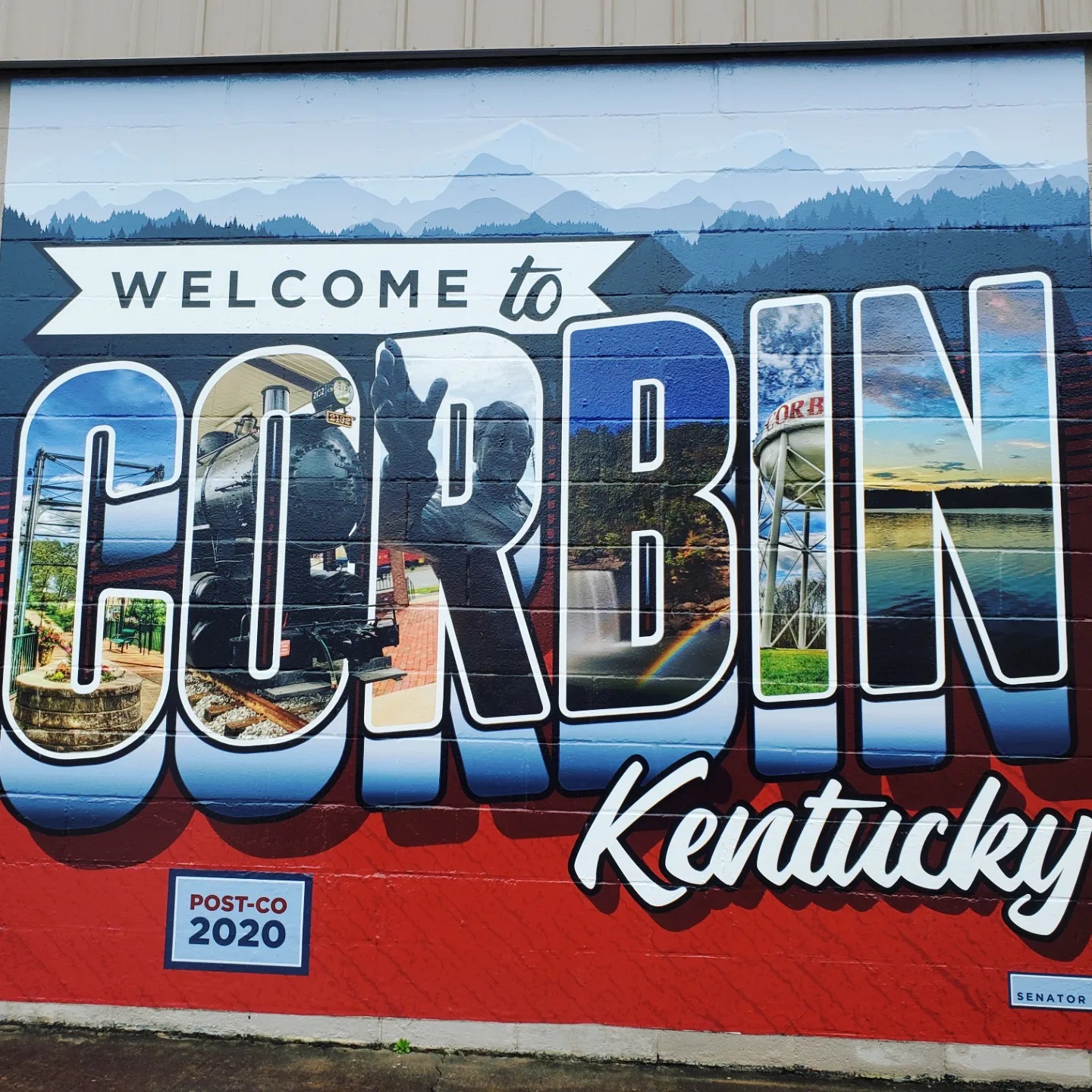
Corbin is a small town of less than eight square miles in the southeastern corner Kentucky, a state that is kinda shaped like a piece of the fried chicken it is famous for. I-75 runs straight through Corbin, just north of the Tennessee state line.
I have been told all my life that Corbin was a hellhole, to avoid it like the plague; that it is a Sundown town with violent people who are proud of their ignorance and cruelty.
I had never heard a single good thing about Corbin but I wanted so much to find the good in it, so I did.
The first thing to know about Corbin’s history is that it was a MAJOR hub for the coal mining industry in the early 1900s.
The L&N sent crews of Black/African American workers to Corbin to help expand the region’s railyard, increase production, and improve the local economy. That is how about 200 Black men ended up working in Corbin around 1919.
That year, a White man in the community was robbed, stabbed, and left for dead. He described the attackers as Black men, but it later came out that they were White men dressed in black face. Ugh.
Another story emerged about a local White man who had lost his money gambling so he beat himself up and dragged his sorry ass home late at night, then told his family that he had been jumped by two Black men. Ugghh.
This enraged the White folk in Corbin and lit the fuse for their retaliation that was later called The Corbin Expulsion of 1919.
In short, a mob of White townspeople went around acting batshit, shouting and firing pistols, and commandeered a youth marching band they forced to accompany them while they rounded up all of the Black people in Corbin, terrorized them, and forced them onto trains out of town.
Official documents and court testimonies state that these White folks destroyed the lodgings, stole money, and looted the personal property of the Black workers during this riot that lasted all through the night.
Peep this documentary by Black in Appalachia for a much more detailed account:
I was not able to find any recent documentaries pertaining to the Corbin Expulsion of 1919 or how things have changed since then, but this one below shows that not much had by the 1990s.
Like the video above, it is difficult to watch at times. Some of these people being interviewed were SO proud of how they treated Black people, insisting on using a particular racial slur, and they seem willing to say absolutely anything to yeet any guilt or accountability. What are the chances for growth when an individual will not even acknowledge the wrongdoing?
The most captivating part of the video is when a woman is being interviewed about what Corbin could do to change its image and shake the Sundown profile. She says “I did have a newspaper reporter in Corbin ask me, ‘What do we do? Do we put a sign out on I-75 saying ‘Blacks are Welcome!’ Obviously she didn’t believe that, nor did I, but they [other residents] have got to begin to change their image internally.”
Immediately following her statement, a local pastor says “When you got white folks suggesting solutions for minorities, it comes across somewhat as patronizing, and patronizing a group that probably felt patronized all too much. Without a minority in the community trying to move us along, we probably won’t move very far.”
As awful as some of the interviewees are in both videos, there really were some genuine and kind people in Corbin that wanted to get out from under the shadow of its dark past. They just did not know how.
SunUp Initiative is a good start. Like, a fantastic one.
SunUp is a “coalition of community members who are working in partnership with local and state organizations to promote racial justice in Corbin and beyond” that started in 2018. The group first began showing films and hosting meetings for Corbin citizens, in order to facilitate conversations about racial injustice and how to combat it.
Their work was furthered by collaborating with the Cumberlands Chapter of Kentuckians for the Commonwealth, University of Kentucky Appalachian Center, and the Laurel County African American Heritage Center; all sharing the same missions and collectively known as the Corbin Racial Justice Initiative.
The City of Corbin officially released a statement condemning the Expulsion that took place there in 1919. Officials announced their commitment equality, diversity, and inclusion, and even created a new celebratory holiday in town called Diversity Week.
All of these partnerships eventually led to the creation of the Black in Appalachia doc above. For more history and topics of interest, check out the Black in Appalachia podcast.
Another awesome organization in Corbin that is working to “bring hope and opportunity to the Appalachian region” is The Holler Collective. The Holler Collective is a marketing and production holding company with many branches including a clothing line and podcast.
Their focus is more on economic growth and supporting local businesses, which is just as vital to developing an impoverished community as fostering equality and inclusion. Job opportunities and financial stability can make way for the education and empowerment of all people.
And speaking of people, the late Corbin native Debbie Dean was once a famous singer and actress. She was the first white woman, and first white solo singer, on Motown Records. Dean was also part of Buddy Holly’s greater performance entourage at the time of his fatal accident.
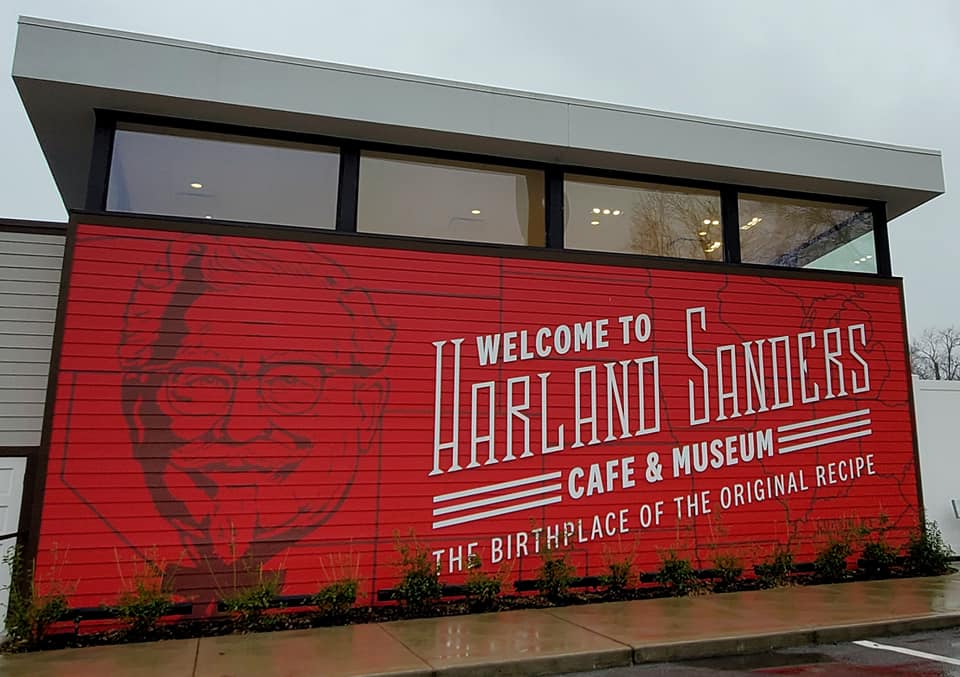
Kentucky Fried Chicken
Colonel Harland Sanders, however, is Corbin’s most notable person. Corbin is known as the birthplace of the original Colonel Sanders Café, and is home of the KFC Museum.
This location serves actual KFC food and is on the National Register of Historic Places.

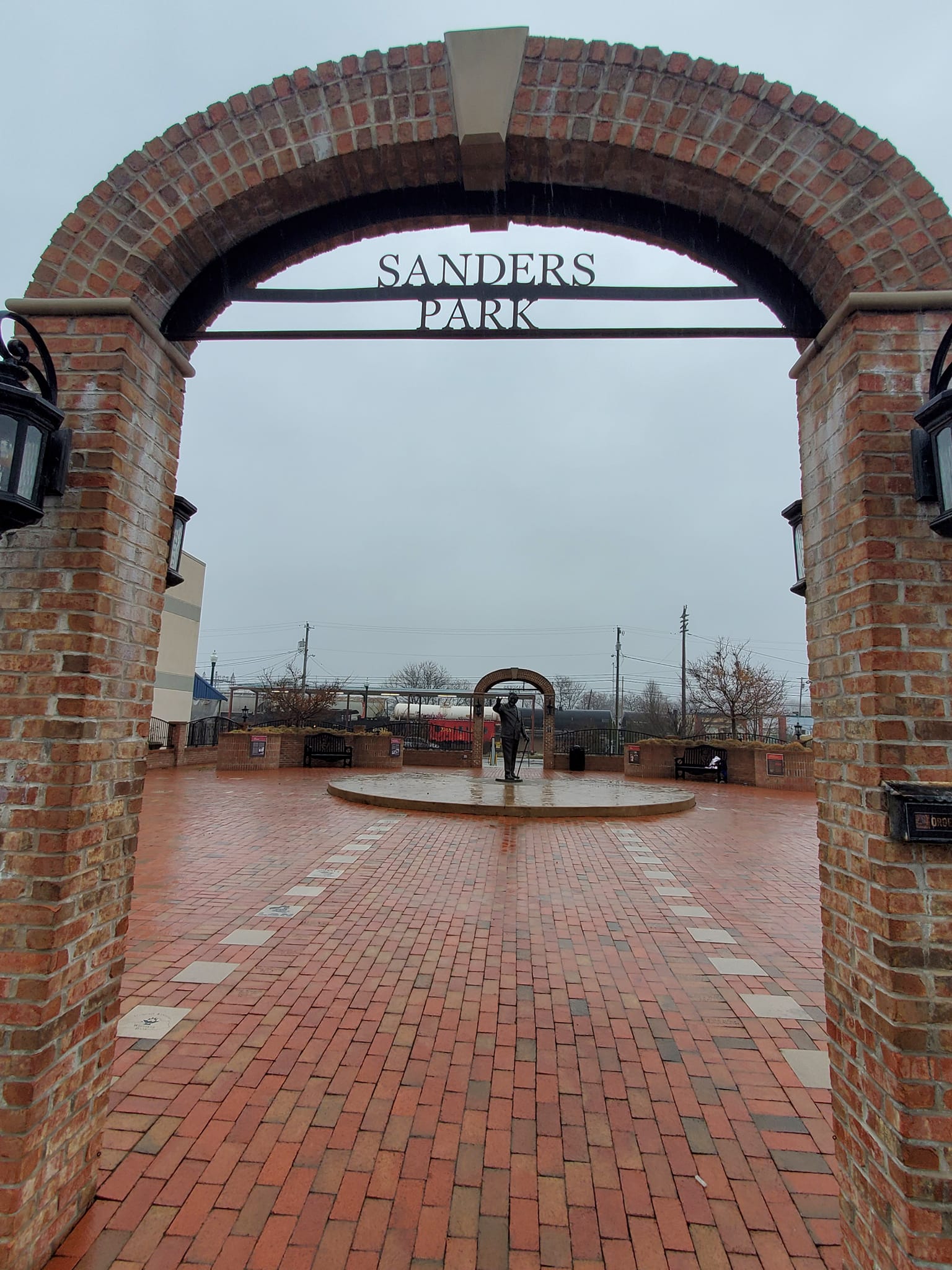
Sanders Park
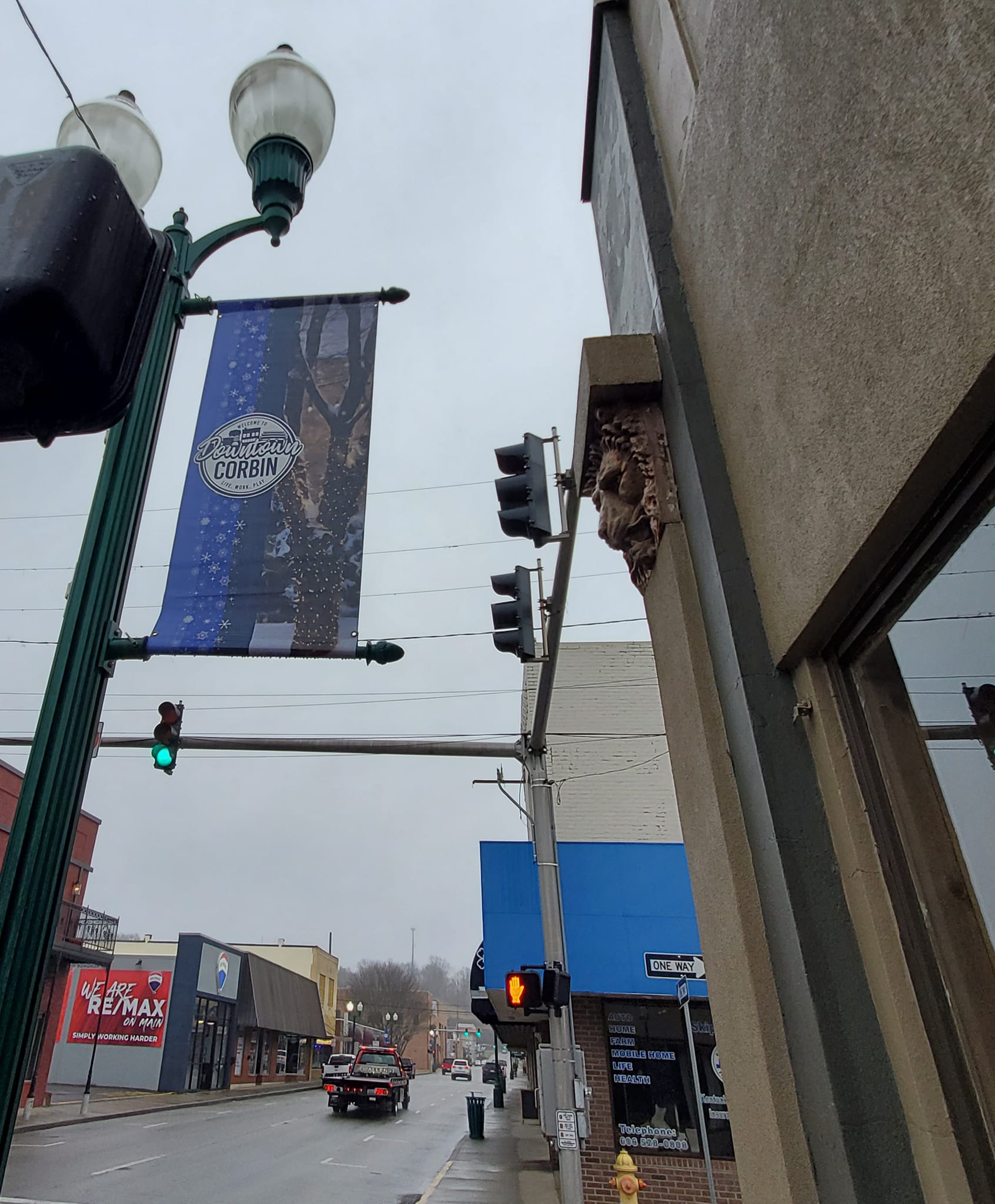
On Main Street in Corbin’s downtown, there is an attractive park square dedicated to Colonel Sanders and his accomplishments.
Sanders is another familial tie that I have to Corbin. He showed up in Louisville around 1920, two whole decades before my grandfather was born there.
It was understood that the two were cousins, as we all share the same last name, though I do not have any evidence.
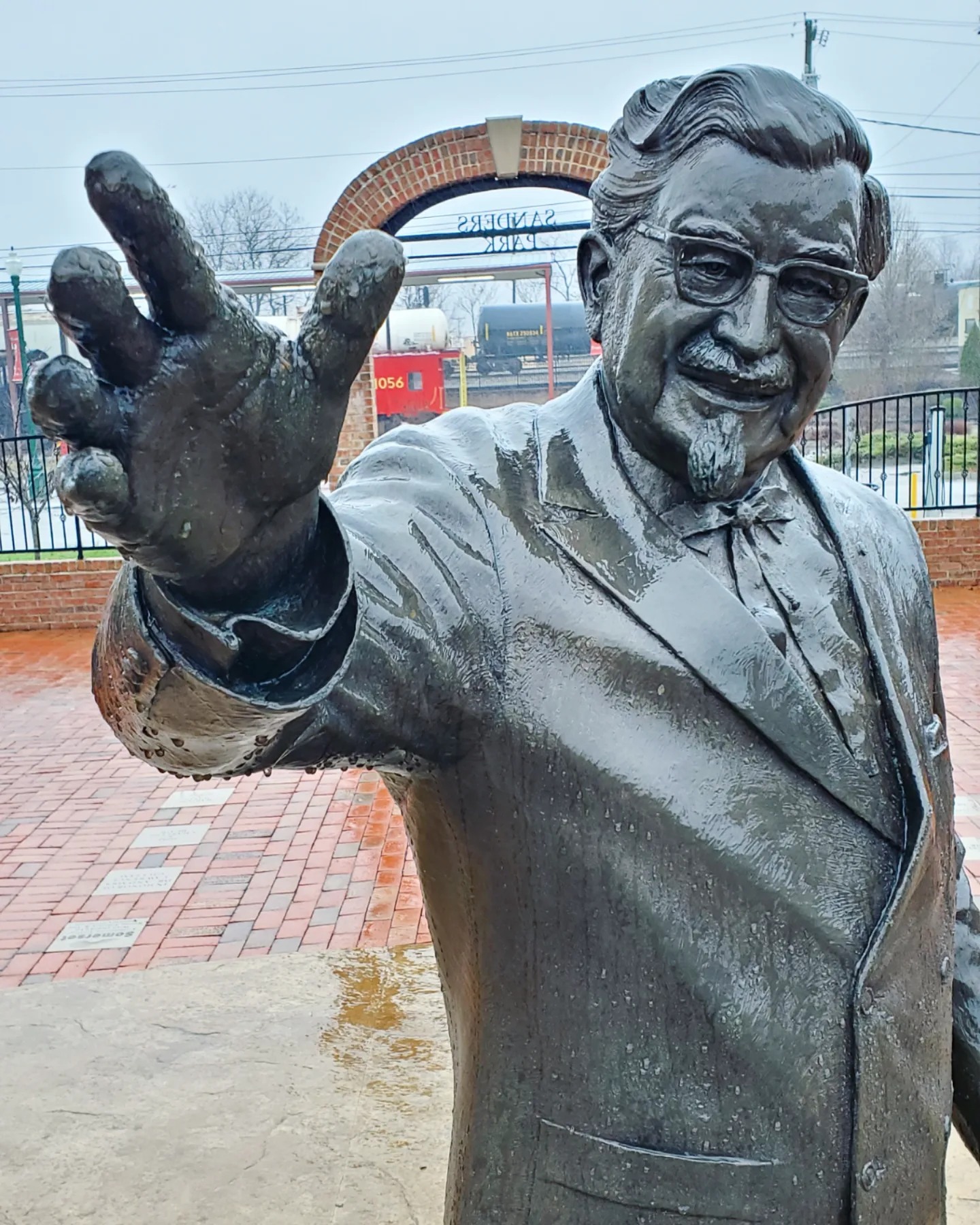
He certainly looks like one of my paternal kin, though the men on that side often have a genetic bone condition called Symphalangism. The most prominent phenotypical trait of the many Symphalangism abnormalities is ankylosis, the fusion of joints in the fingers and toes. This causes the skin to appear smooth instead of wrinkled, due to the absence of knuckles.
I flat out took this photo below from Wikipedia, for reference:

He appears to have the common mix of “normal” phalanges and some that are affected. His hands are often hidden in photos but, when visible, look much like the hands of the men in my family.
But who knows? I could talk about Symphalangism for hours because it is so fascinating to me, but I will spare my readers. If any of y’all know anything about Colonel Sanders and his connection to kin in Louisville, KY or in Ohio, drop a line.
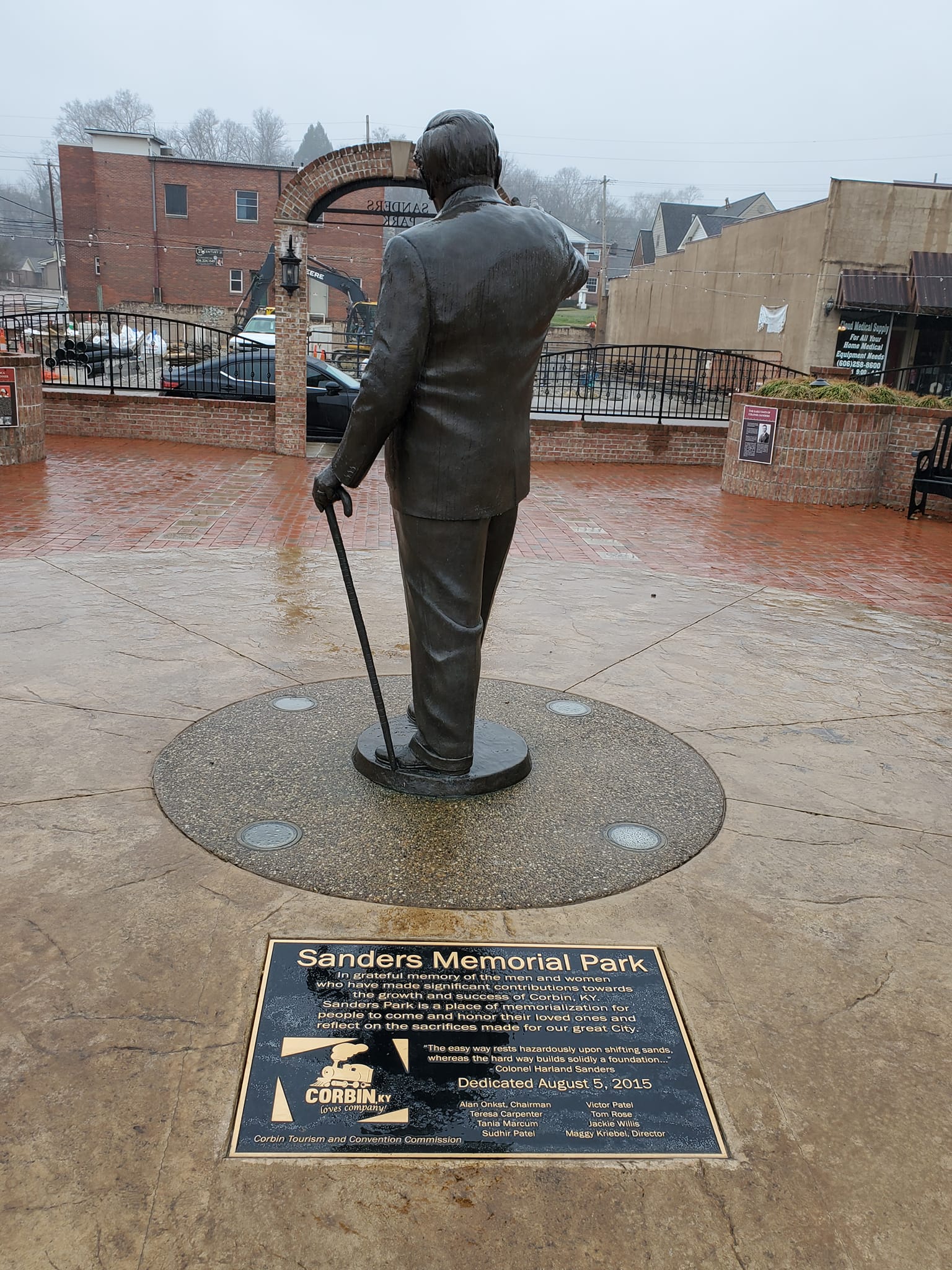
Sanders Park is a fun stop full of historical and biographical information, and a statue of him in the center.

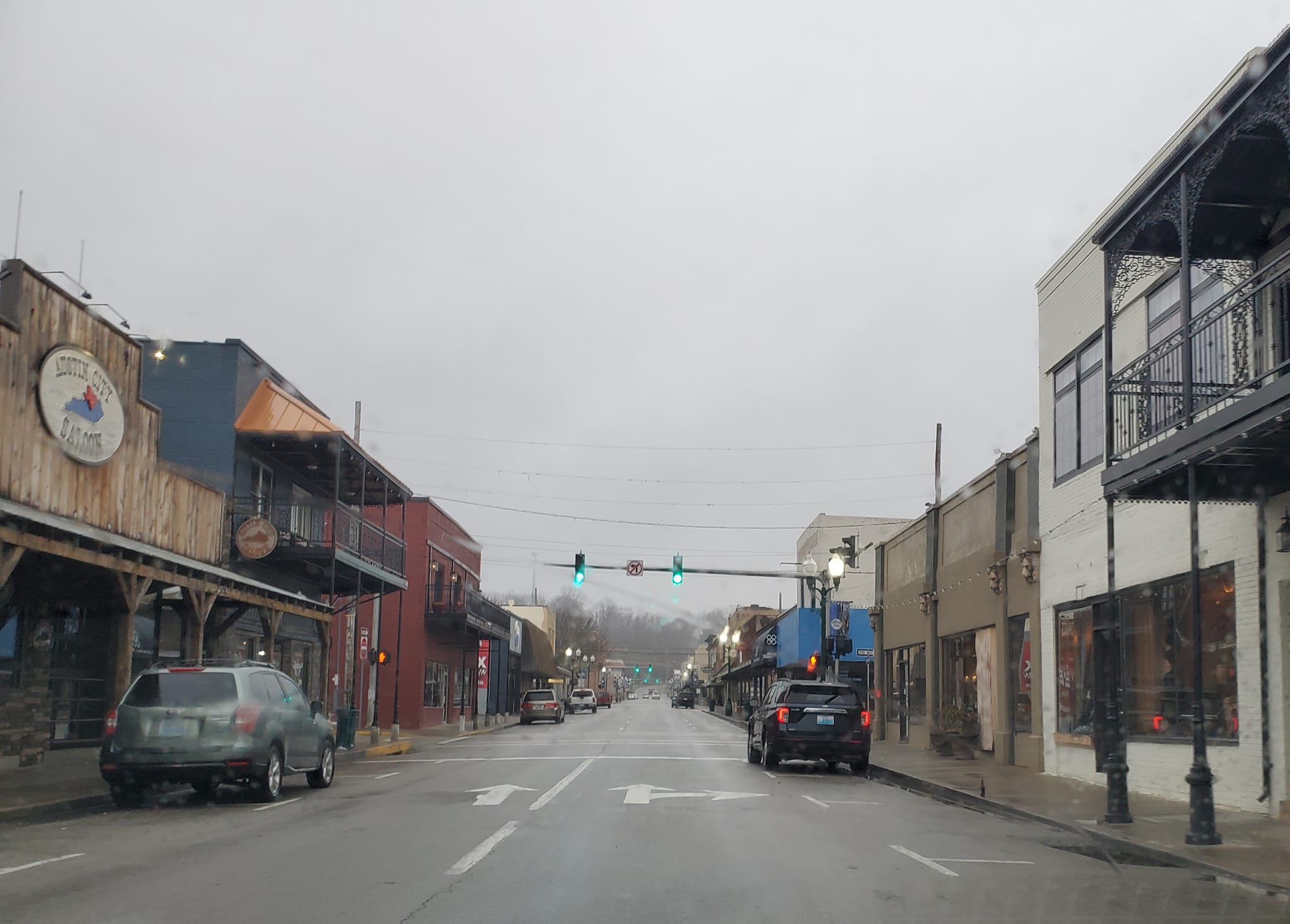
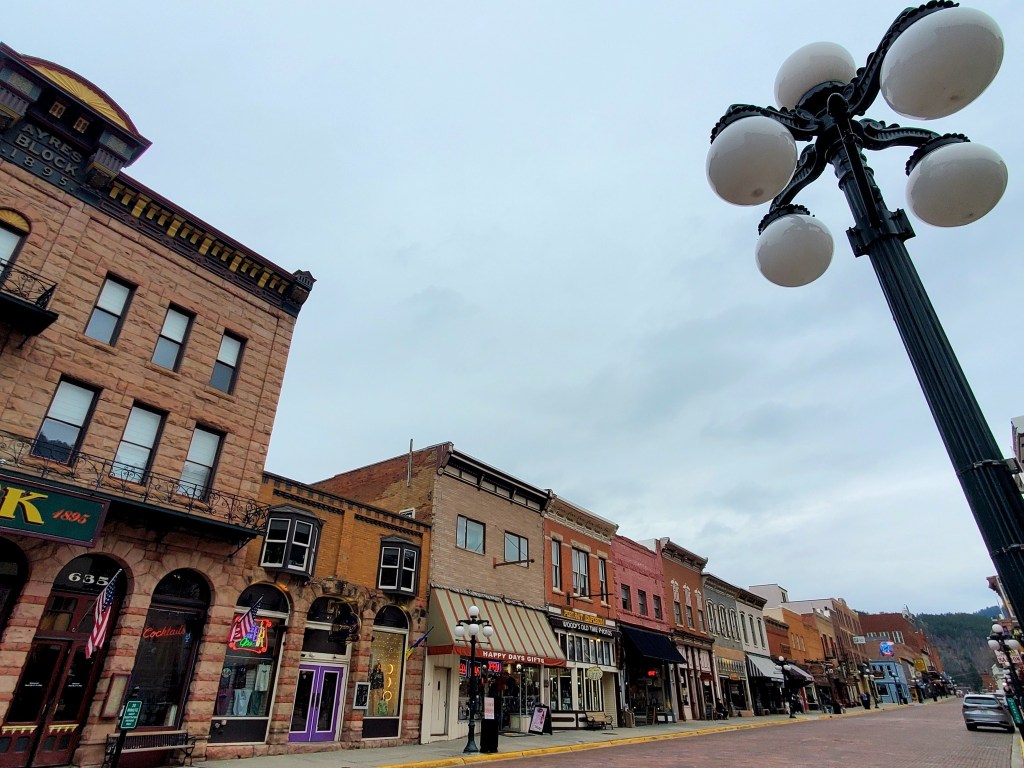
Main Street is sometimes called “Restaurant Row” with choices like Folktale Coffee & Bakehouse, The Wrigley Appalachian Eatery, Scully’s, and Austin City Saloon.
We loved the reubens on grilled rye at The Wrigley, and they have a great craft beer selection.

I was bummed that I had to move on to the next town before The Depot on Main opened, but it looks worth driving back for.
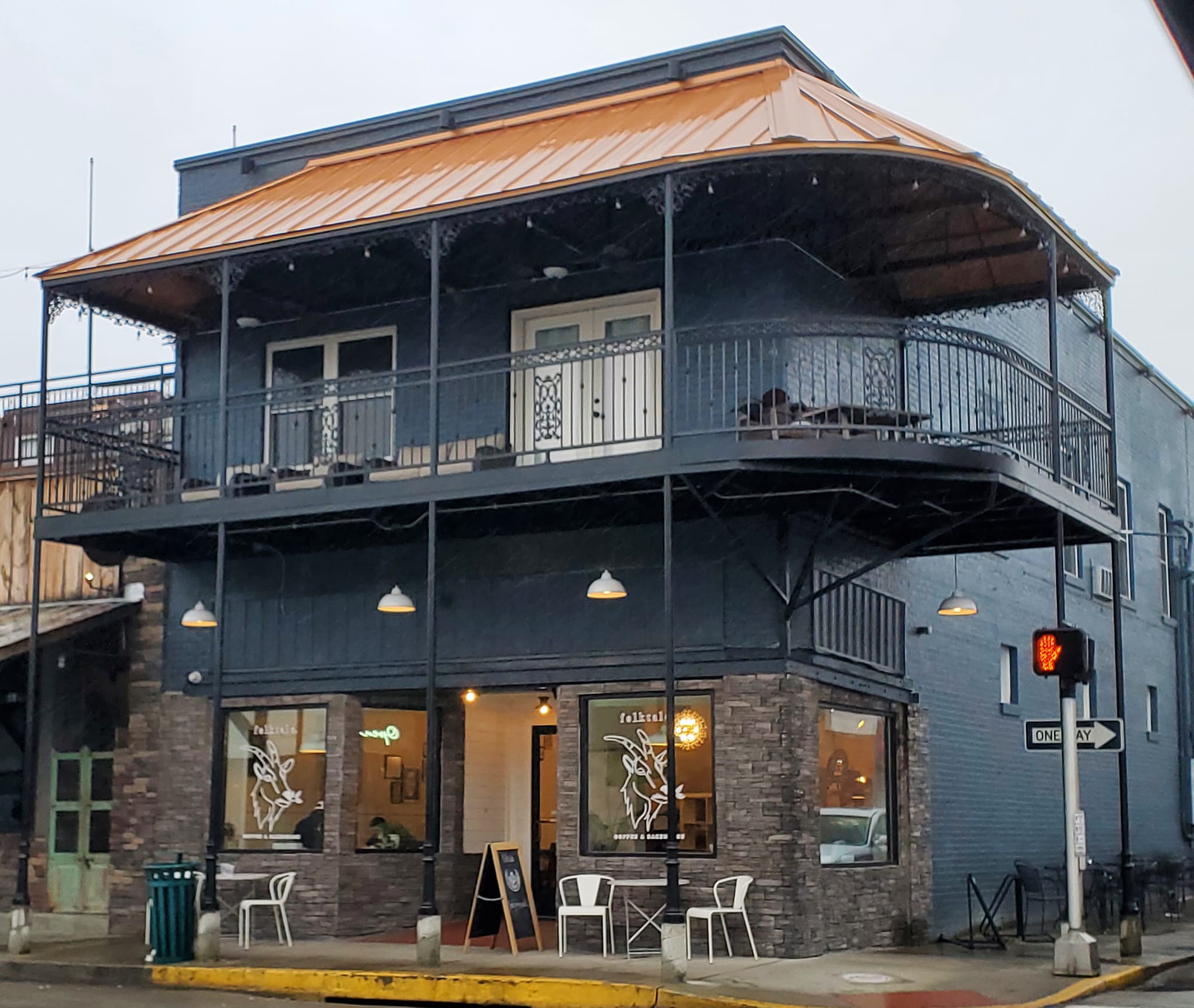
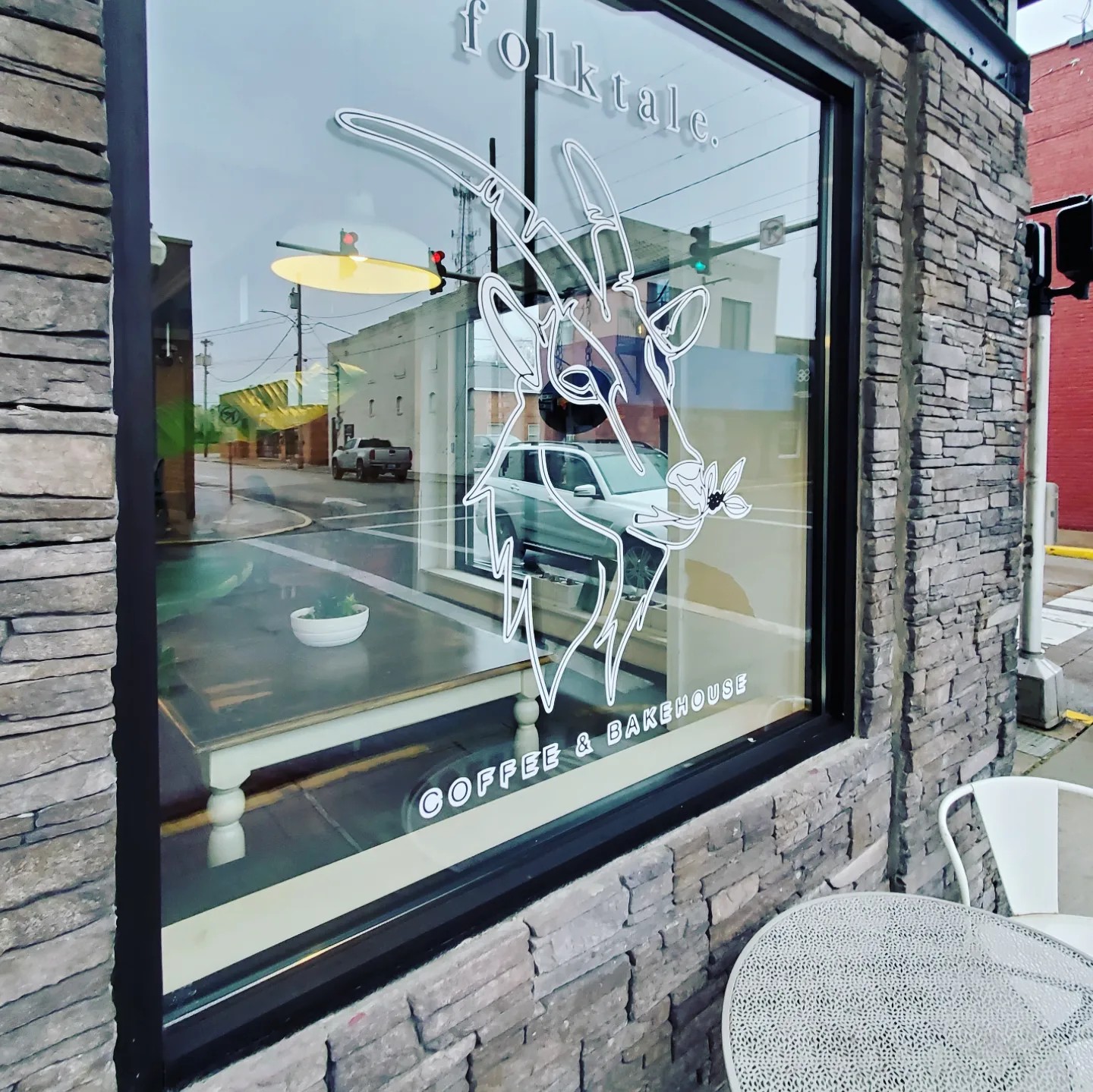
I had my heart set on stopping by Folktale Coffee, and I adore their horned goat logo.
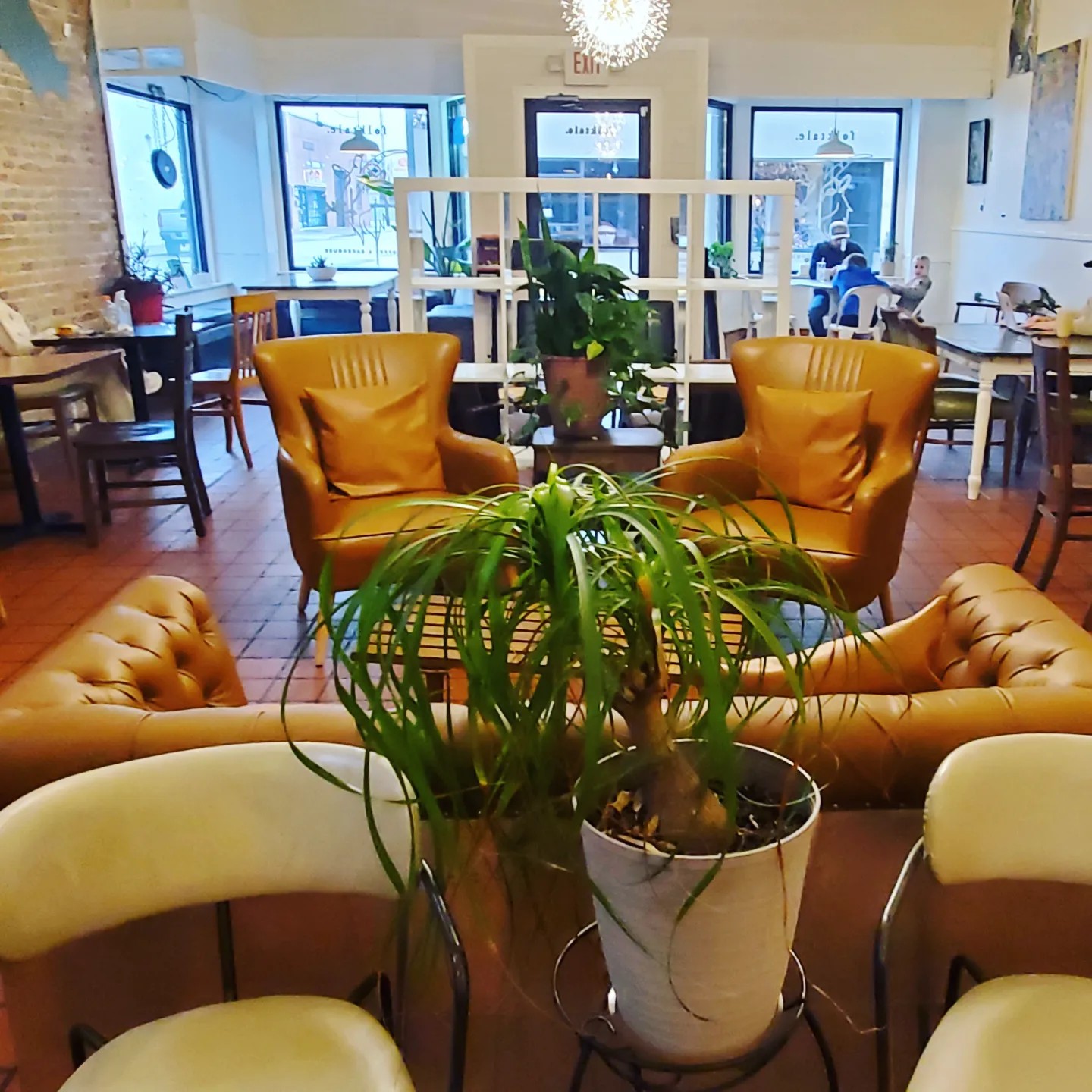
The fellers inside make a mean latte and the interior was very cozy.
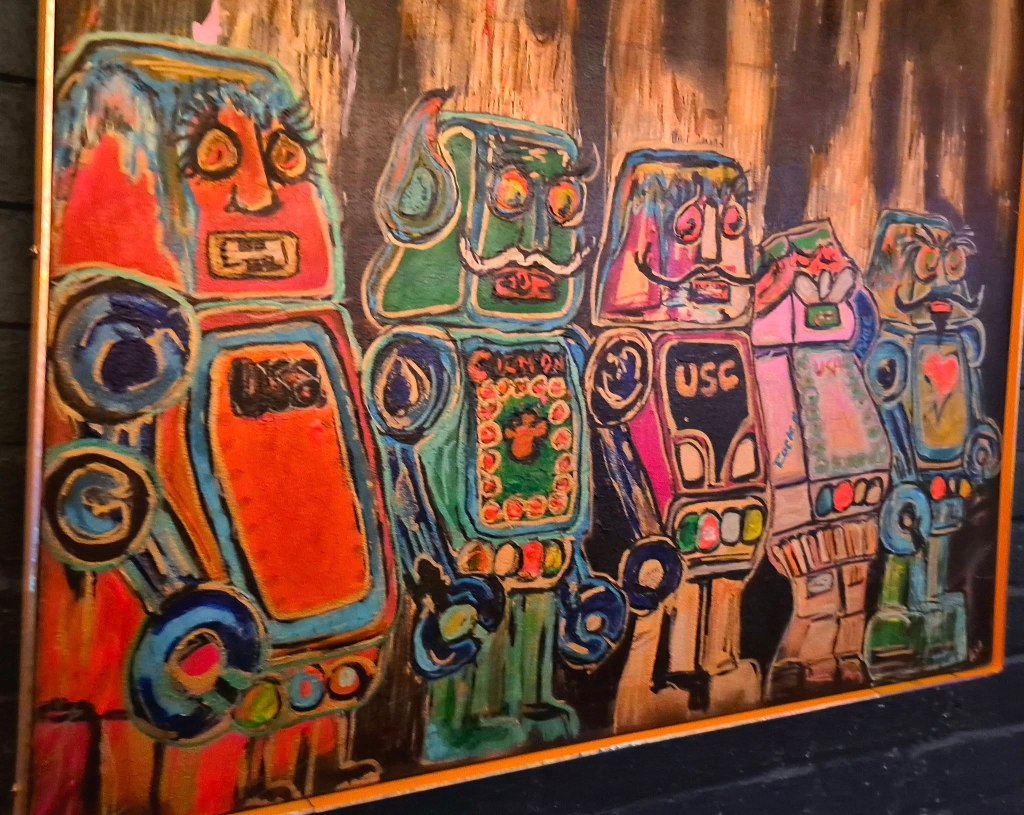
Shops like White Rabbit Records, Alley Stuff Antiques, Gibson’s Music, The Lunar Awakening, Gaia Spirits Gift Shoppe, the Pinball Museum of Corbin, a couple tattoo shops, and several personal service businesses give Corbin a vibe of its own. Dusty, but eclectic.
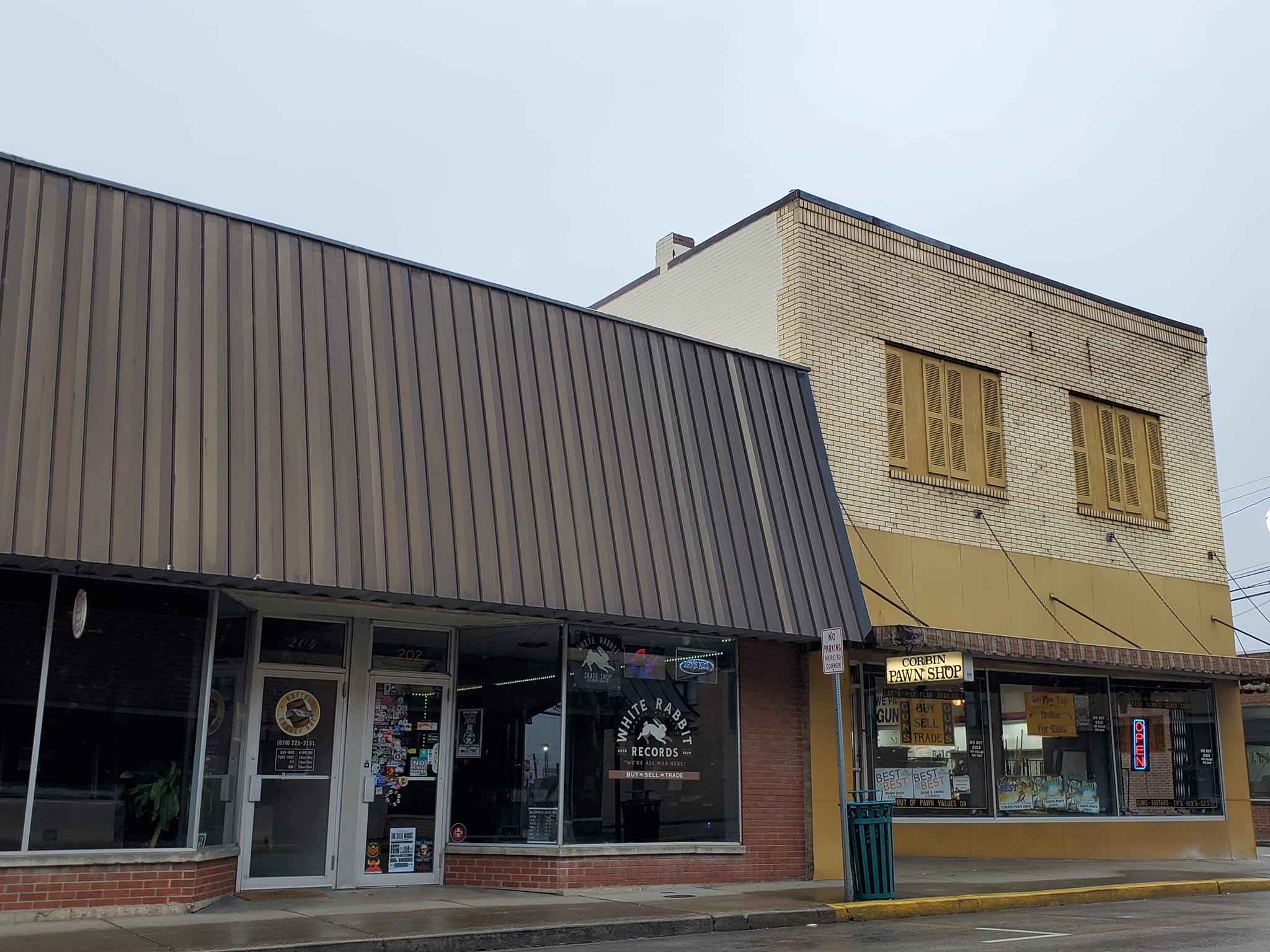
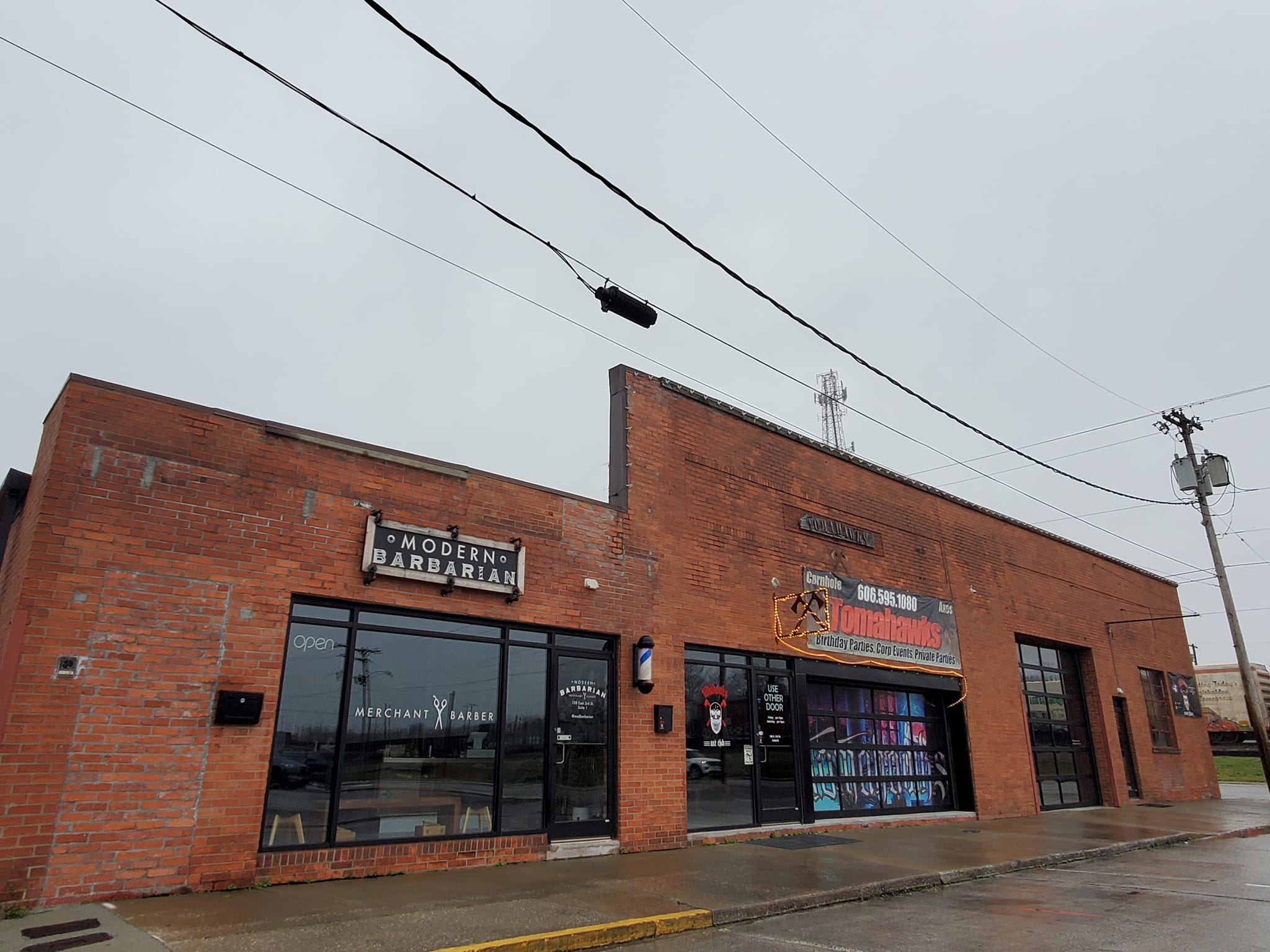
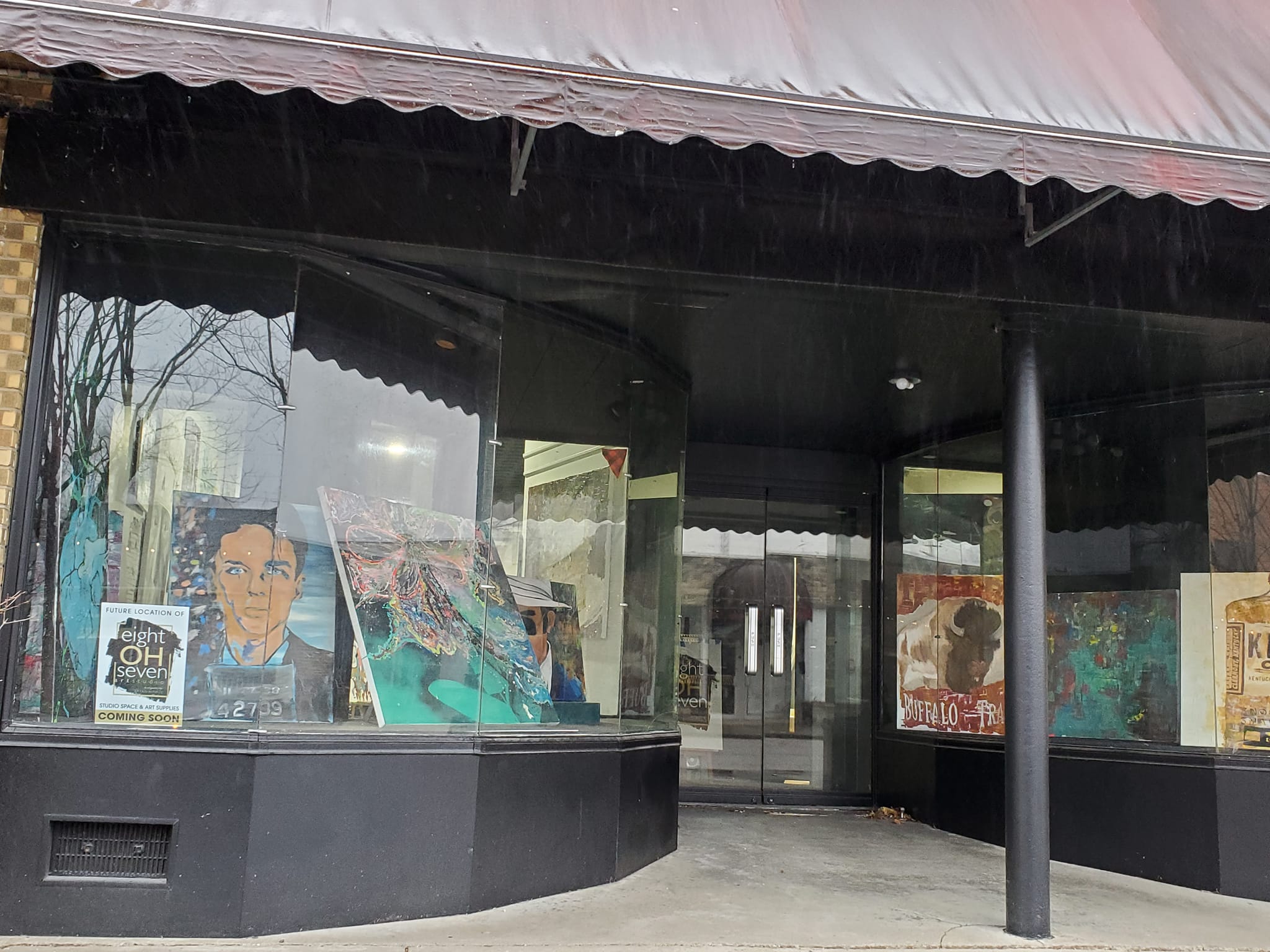
There were a few places that did not have signs identifying the business name and they were not open for me to peek around. Google maps was no help at all, but they definitely caught my attention.

Engineer Street Bridge & Creekwalk
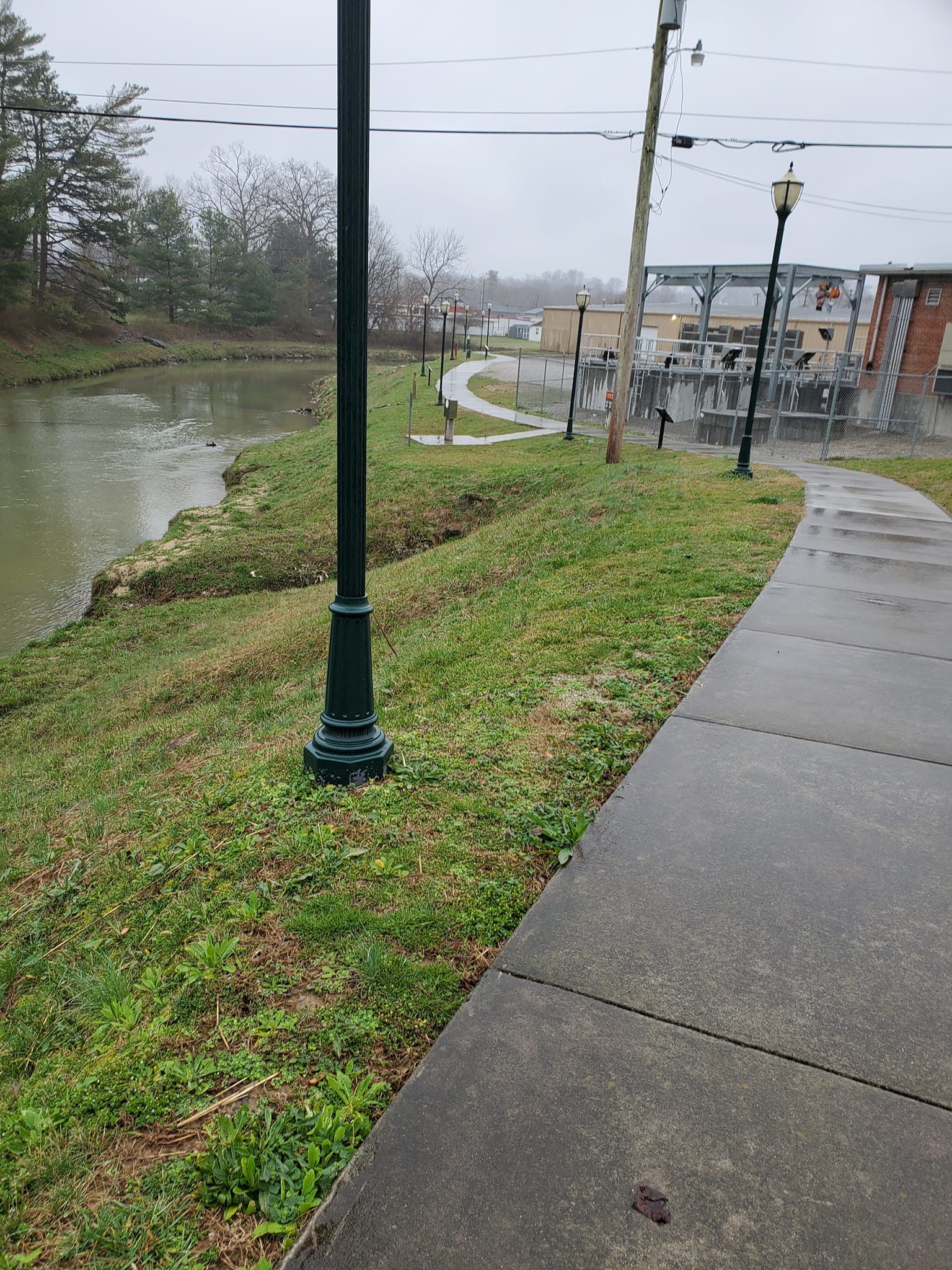
A short drive from downtown, visit the Engineer Street Bridge at 50 Miller Lane. It was constructed in 2007 and is a simple but elegant little bridge with festive lighting, some benches, a gazebo, and a paved creekside path.
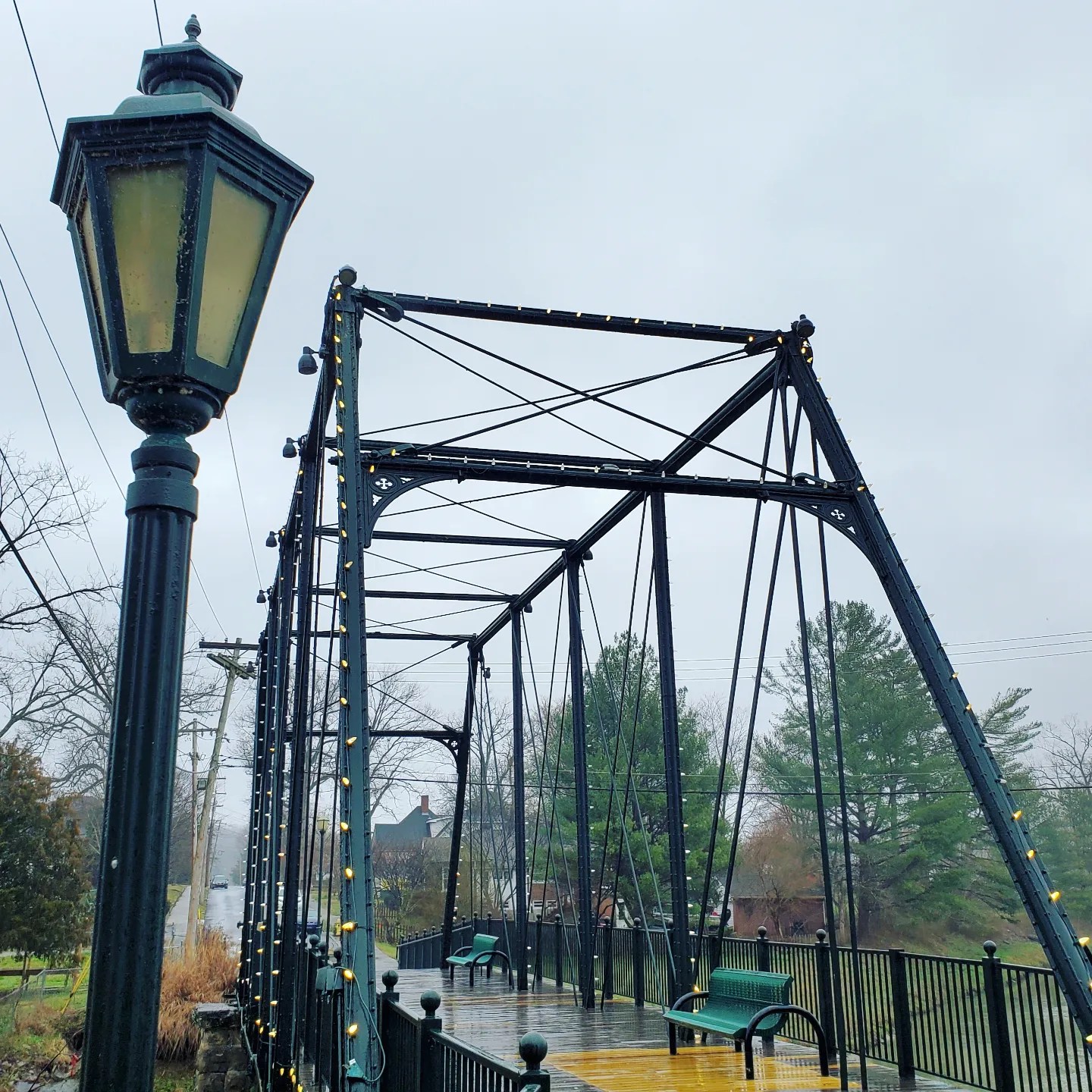
There is a plaque dedicating it to City Commissioner Ed Tye. It started thundering and downpouring, so I did not complete the whole path.
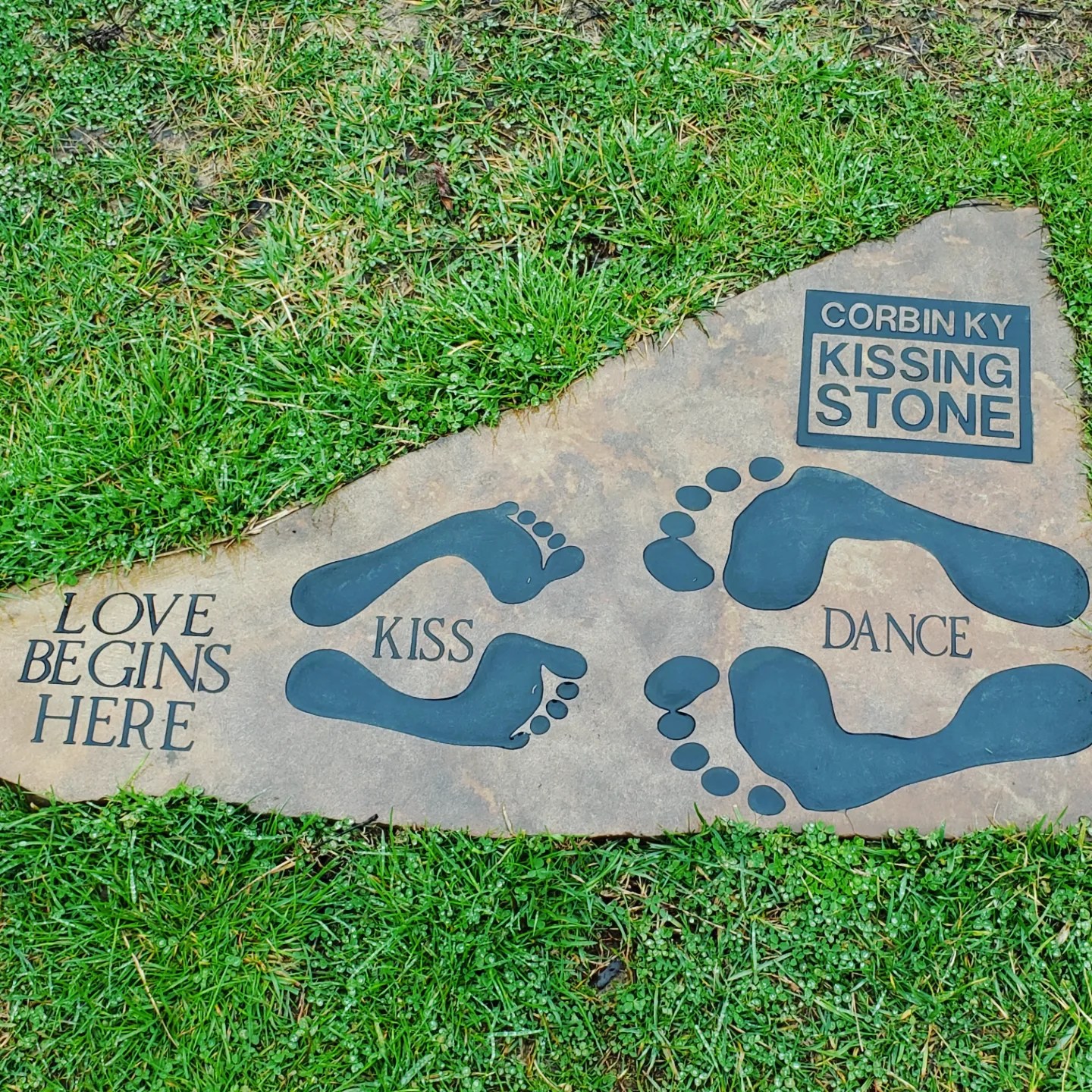
There is also a prime selfie spot called the Corbin Kissing Stone at the entrance of the bridge, if you want to take someone there and shoot your shot.
Daniel Boone National Forest
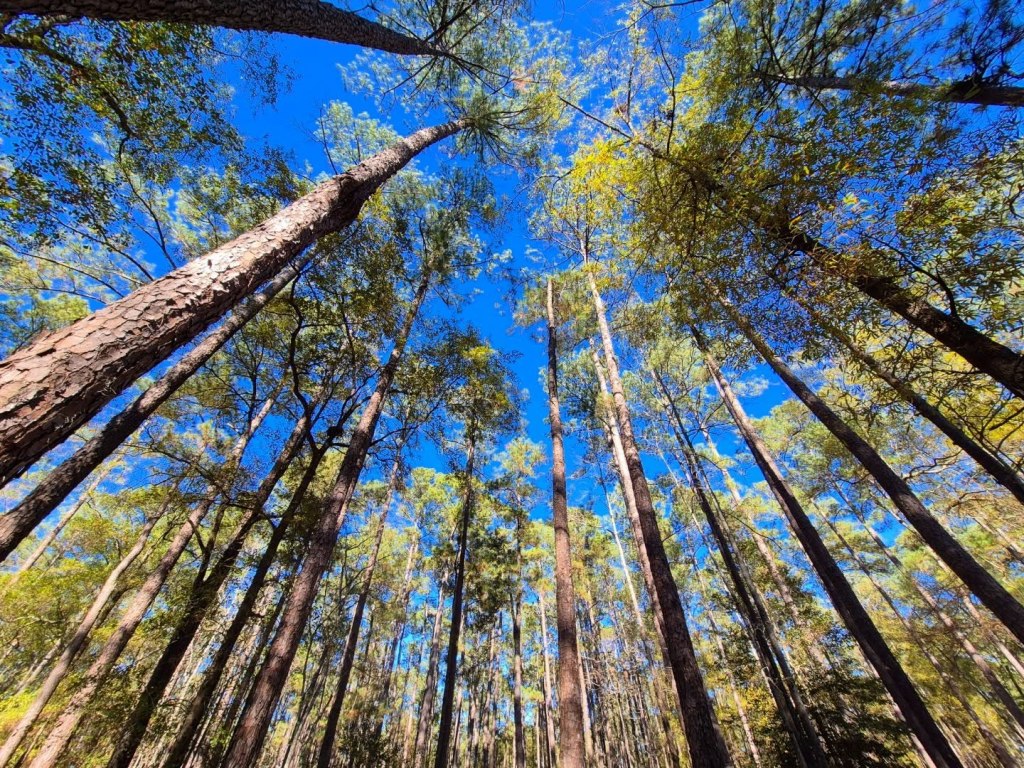
The Daniel Boone National Forest skirts around the western part of Corbin, so it was quick and convenient to hop on 25W and follow it through the trees.
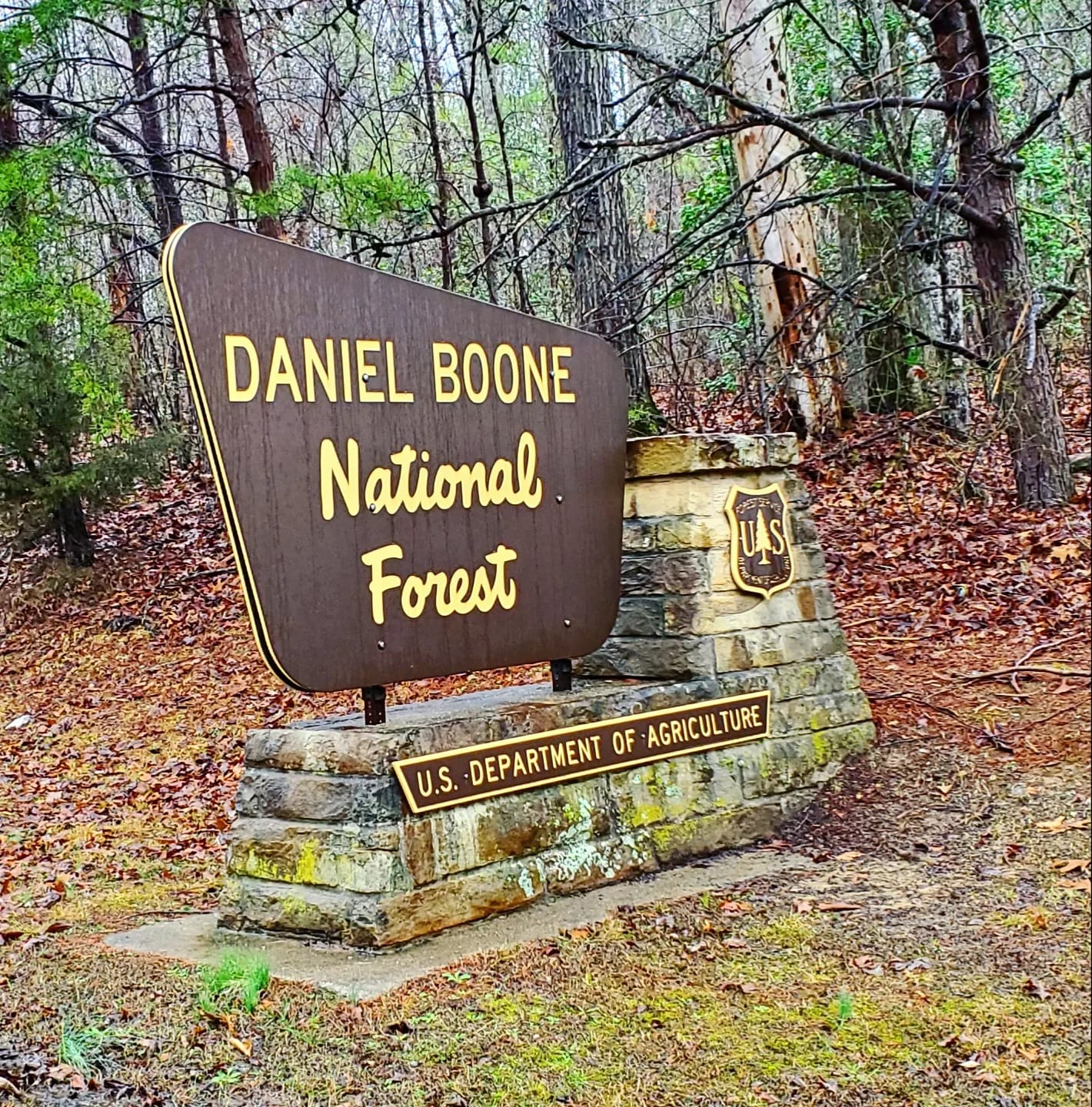
The heart of the Daniel Boone National Forest is situated in the nearby city of Winchester, though it crosses 21 different counties in Kentucky.
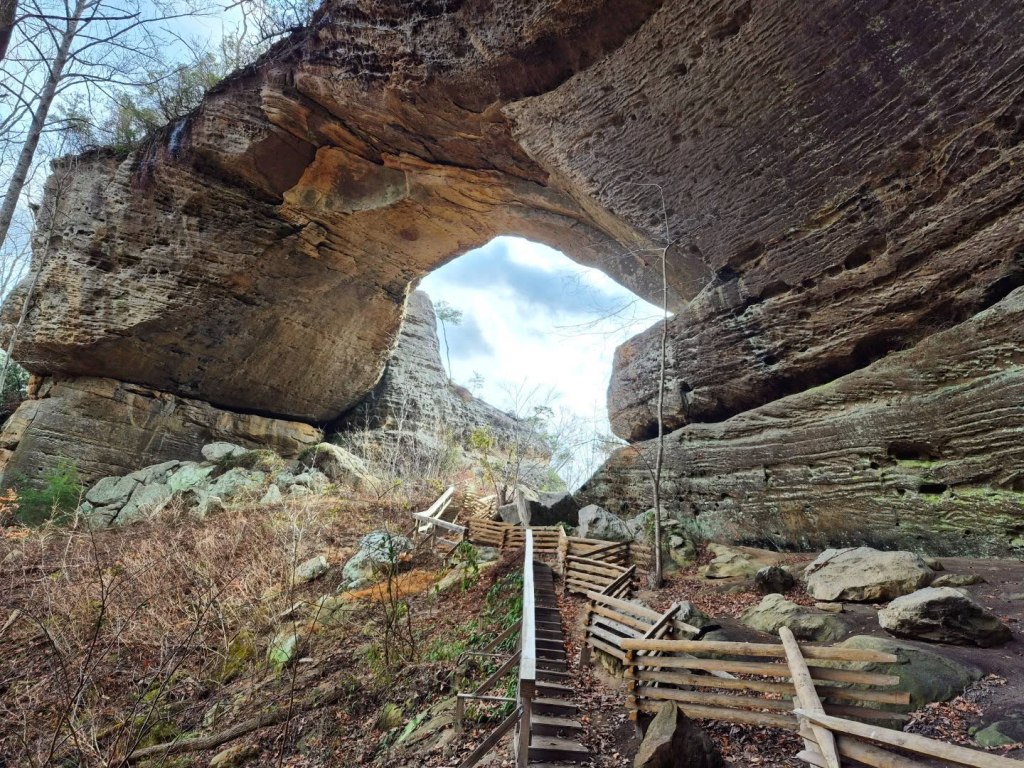
It is known to be some of the most rugged terrain west of Appalachia, with over 600 miles of trails across more than 700,000 acres of forest wilderness.
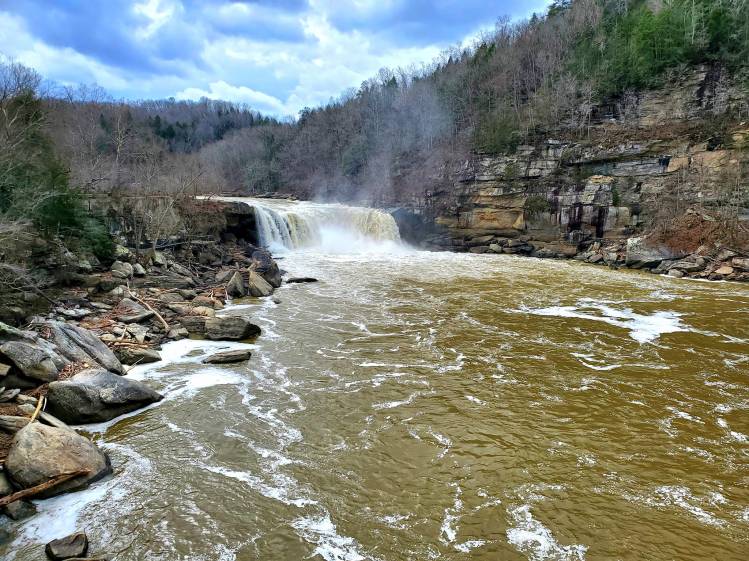
Cumberland Falls State Resort Park
From Corbin, I drove through the Daniel Boone National Forest to visit Cumberland Falls State Resort Park.
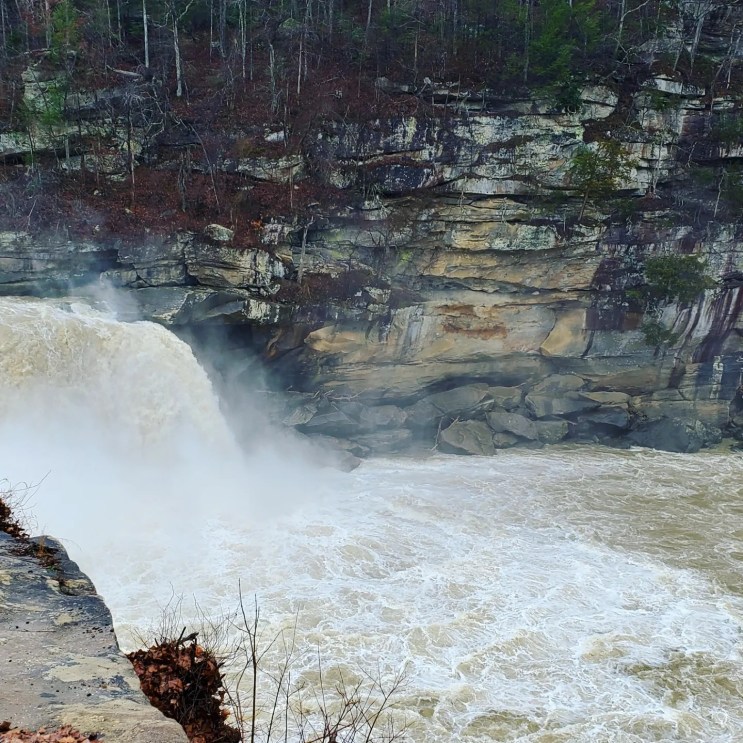
The 125-feet wide falls drop more than sixty feet and are often called “Niagara of the South.”
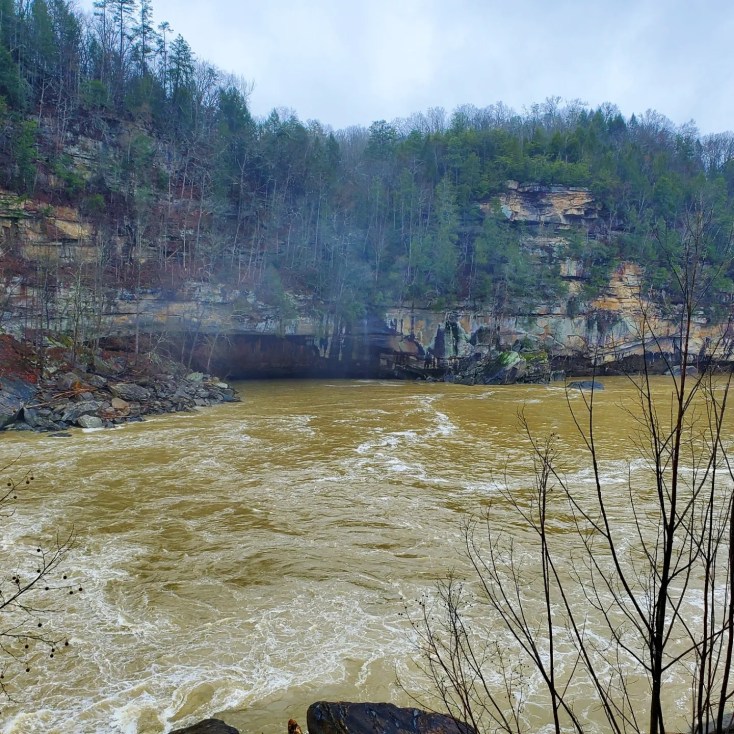
Cumberland Falls are also famous worldwide for the Moonbow, a phenomenon that happens regularly in only six other places in the world.
Among these sites are Hawaii, Zimbabwe, Australia, Iceland, Yosemite, and a little town in Arizona that I love called Jerome.
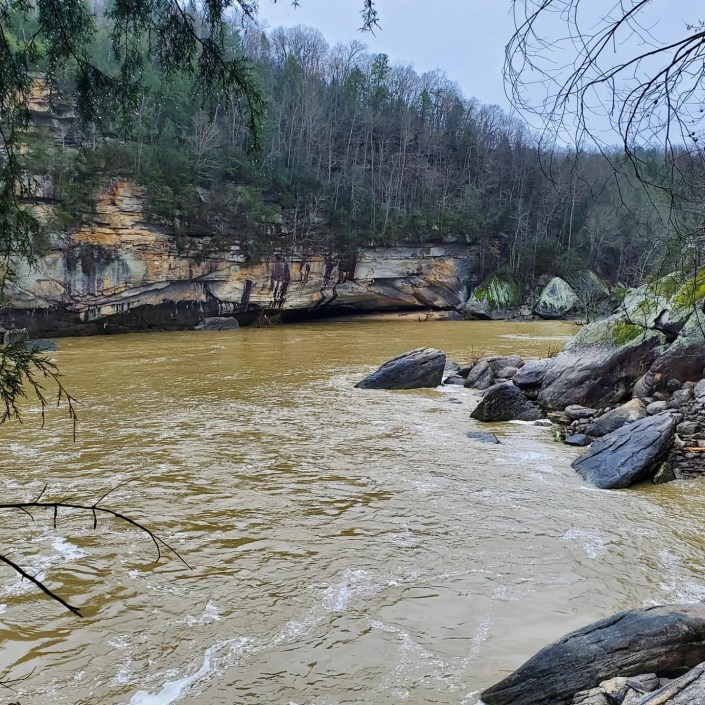
I have not been able to visit during a Full Moon to catch the moonbow, but I have seen the most vivid rainbow of my life there during the day.
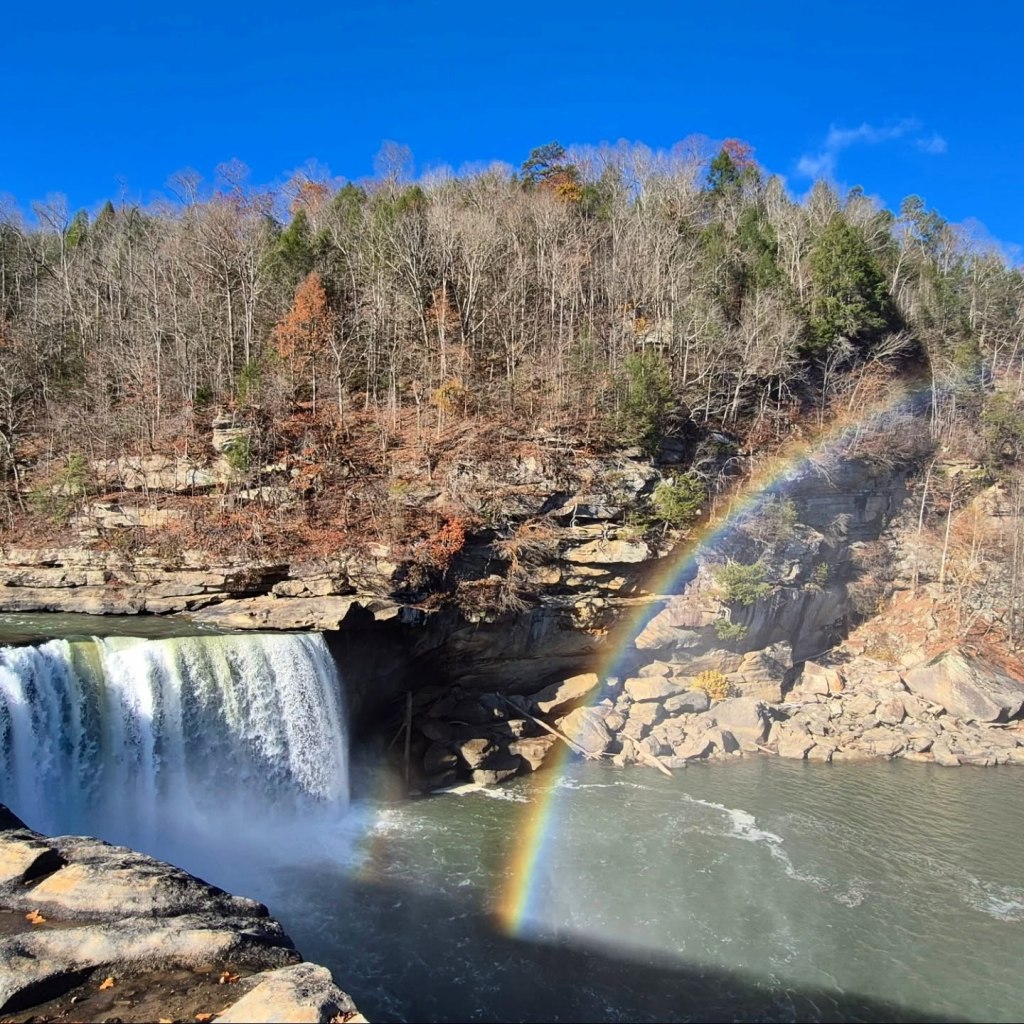
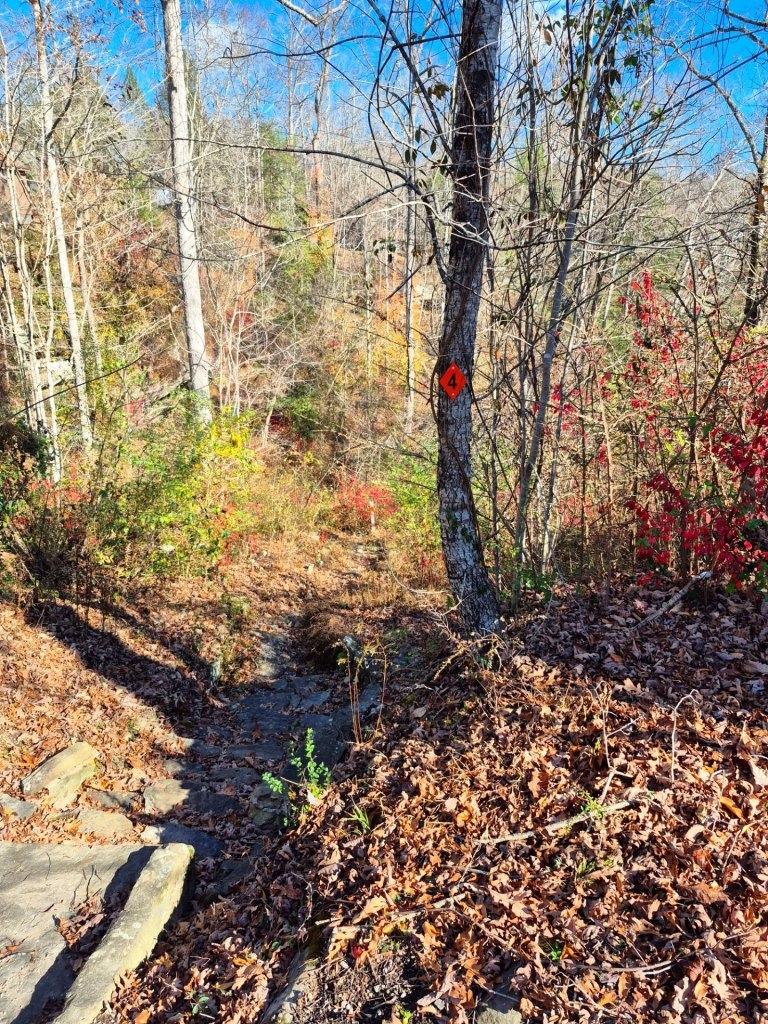
There are almost twenty miles of hiking trails through the park, and the Moonbow Trail leads you to some of the Daniel Boone National Forest trails.
The ones nearest to the overlooks have handrails and stone steps or paving, but beyond that it is just you and the dirt.
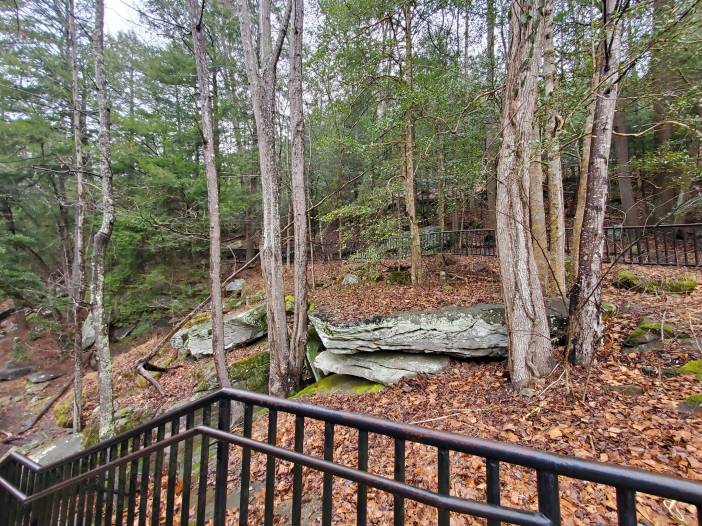
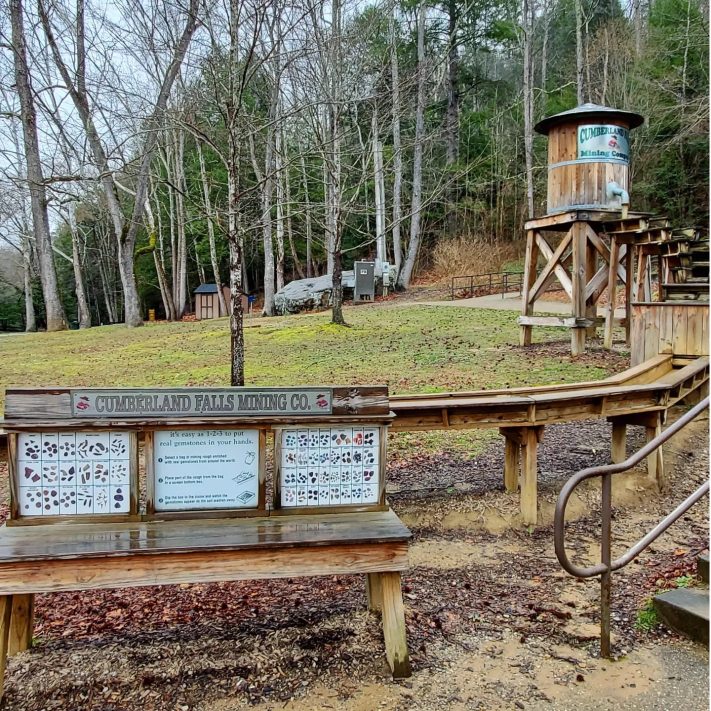
The park includes a visitors center, gift shop, trail check-in, picnic areas, shelters, several overlooks, a paved path to the main overlook, horseback riding stables, water sports/activities, and some interesting historical and mining exhibits.
Visit the DuPont Lodge around the corner for an overnight stay and check out some more trails that connect to or around the waterfall.
My trip to Corbin was a complex mix of hesitance, anxiety, surprise, doubt, natural beauty, a few cool people, and a damn fine cup of coffee. Corbin is getting on the right track, and I look forward to seeing the positive changes that are coming for its people and to their reputation in the future.

SIDE QUEST: WILLIAMSBURG
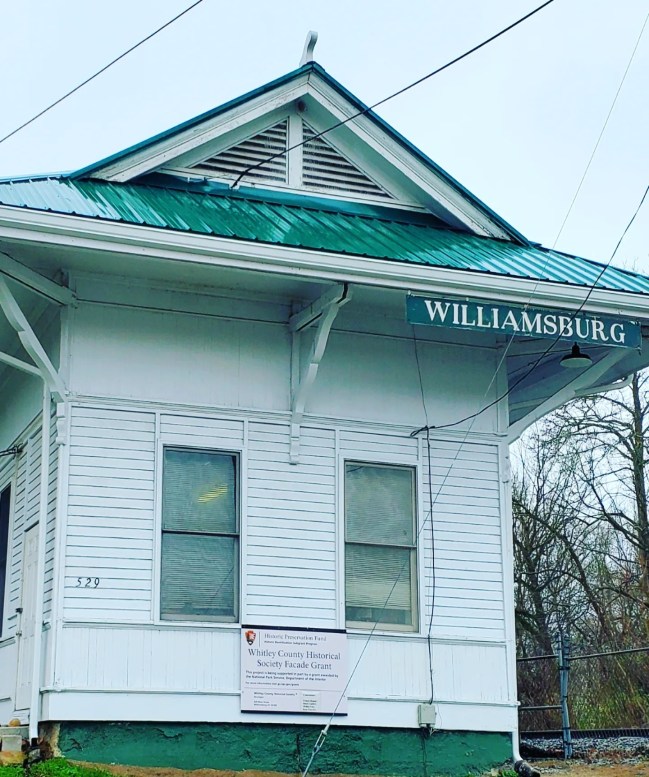
While you are in Corbin, you may be tempted to check out the town of Williamsburg. My visit was disappointing, as the very few places of interest there were all closed on a Saturday afternoon during the height of summer.
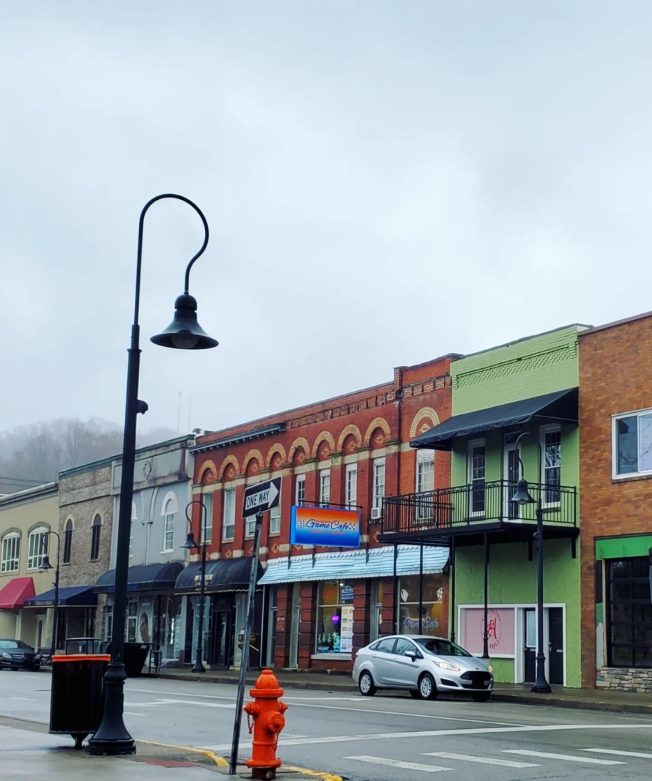
Main Street is sparsely populated, but the Williamsburg Main Street Program is working to build up the downtown area.
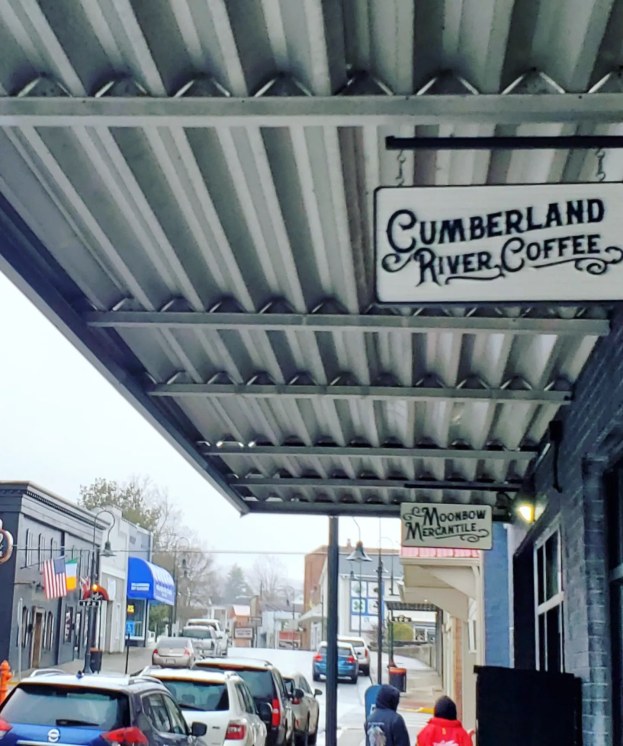
There were dozens of cars parked along the street, but I only saw four people over the course of about an hour.

The town’s University of Cumberlands owns and operates the Cumberland Museum, showcasing a multitude of science collections focused on animals and natural habitats, and holding the Henkelmann Life Science Collection of African and Arctic expeditions.
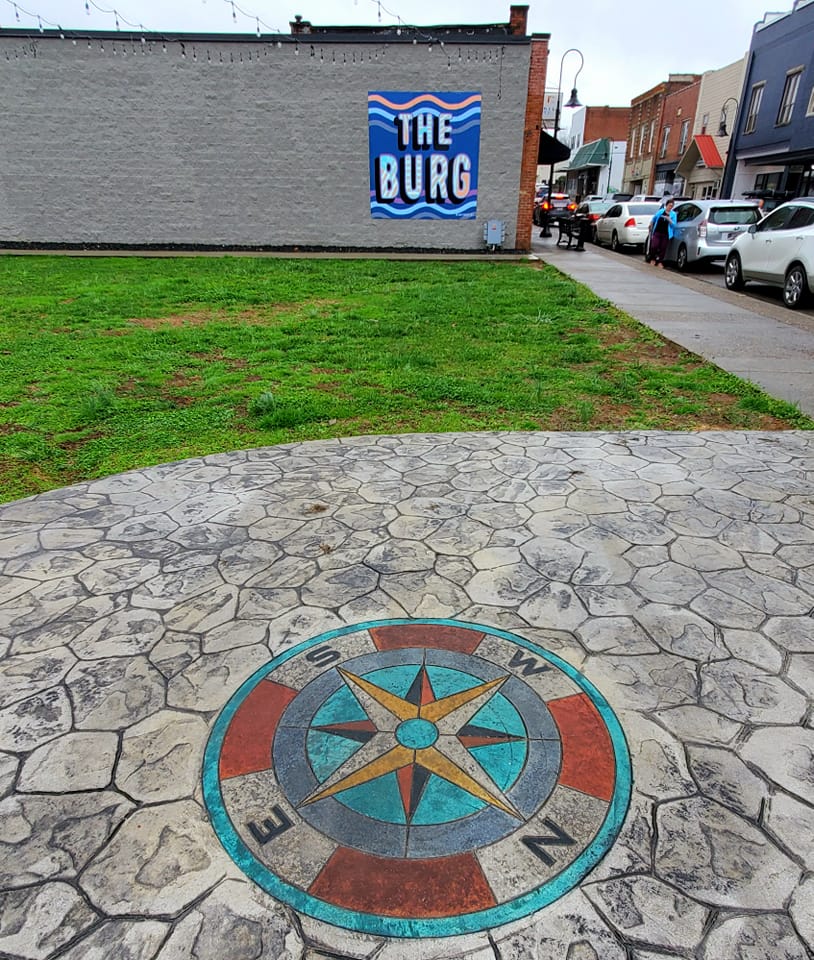
Williamsburg has two dozen religious institutions in little more than four square miles. In fact, residents proudly claim to be the one of the most “church-dense” towns in the whole Bible Belt.
This was one of the few places that has ever stumped me as far as coming up with something interesting to say about it. That’s all I’ve got.
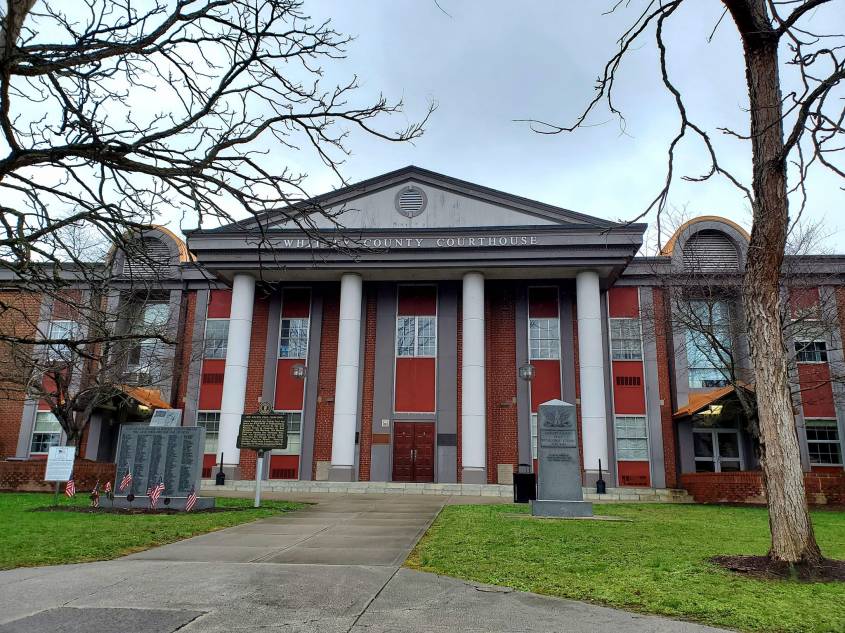
You can learn more about Williamsburg and the surrounding region by visiting the Whitley County Historical & Genealogical Society/Museum of Whitley County.
In the area for a while? Follow me to London, Kentucky.
********************
© Copyright Fernwehtun, 2015- Current. Unauthorized use and/or duplication of this material without express and written permission from this site’s author and/or owner is strictly prohibited. Excerpts and links may be used, provided that full and clear credit is given to Fernwehtun and Fernwehtun.com with appropriate and specific direction to the original content.

 Fernweh, An Ache for Distant Places
Leave a comment