

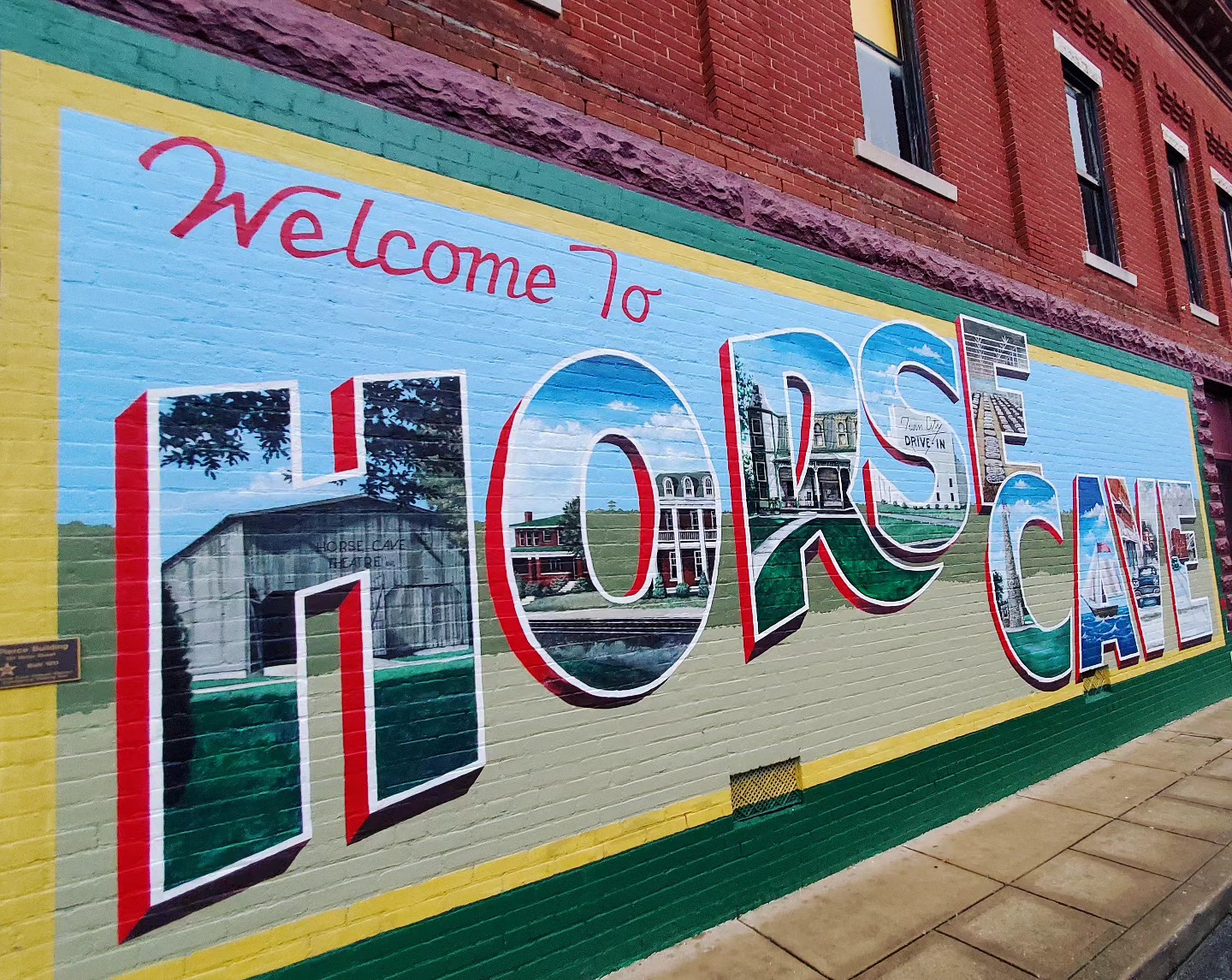
Horse Cave is a small town of less than three square miles in Hart County, Kentucky.
From Cave City, follow N. Dixie Street north for about 3.5 miles to where it intersects with Main Street and you will be in downtown Horse Cave.

It is said that the name Horse Cave came during a time when it was popular to say that anything big was “horse” such as “horse” laughing, finding a prized “horse” chestnut, and such.
Others say the name came from when a horse fell into the cave and died once, long before the wrought iron gate was installed overhead.
In 1869, the town was briefly called Caverna, but returned to its original name within a decade. Horse Cave was a major player in the American tobacco industry and had the fifth largest tobacco market in the world by the 1900s.

In the 1850s, Major Albert Anderson bought over 500 acres, drew street plans, and sold off lots to new residents and entrepreneurs. He also donated land to the railroad to help grow his town’s infrastructure.

Today, there are more than 50 historic buildings on the National Register of Historic Places.
The 1937 Horse Cave State Bank has been used for cabarets, art and dance classes, live music performances, and theatrical revues.

Walking around Horse Cave, be sure to stop at all ten locations of the Horse Cave Stories Cell Phone Tour.
Each stop is full of history related to the exact location with recorded oral stories by longtime residents, and a mix of tales about humourous local battles and some dark history.

Something else to look for during your walking tour are these imprinted concrete tiles with various species found within Hidden River Cave as well as the names of sponsors who have helped maintain the city.


It was dark and stormy when we first arrived early in the morning, and the town was empty.

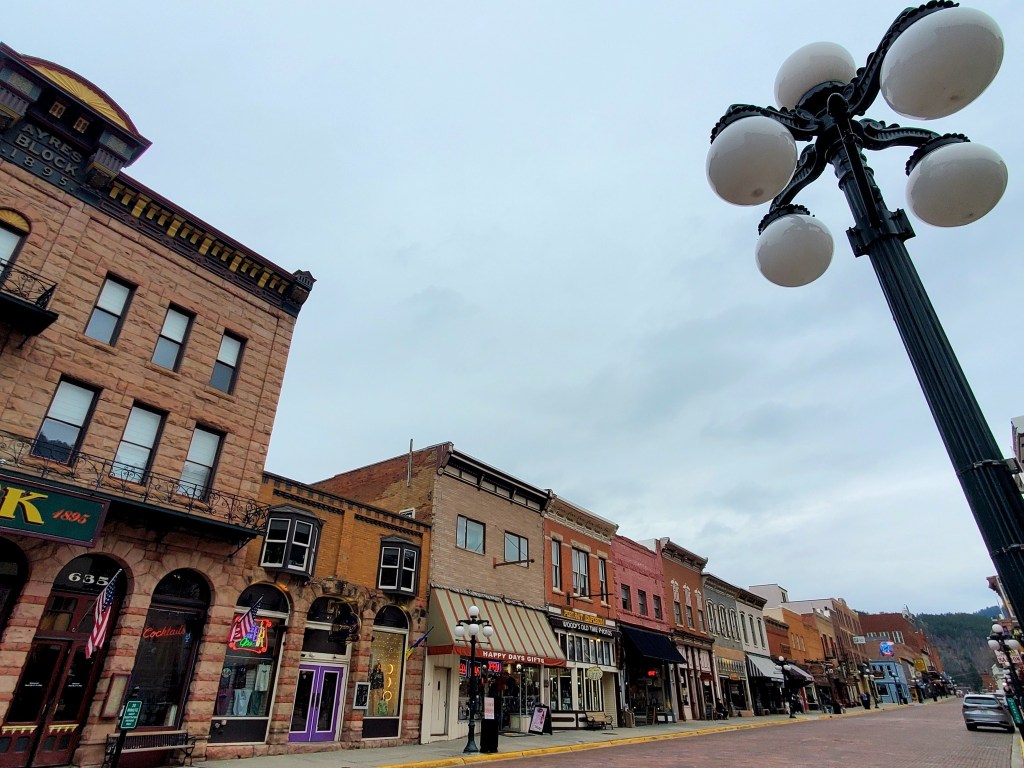
Thankfully there were plenty of awnings to facilitate window shopping and selfies.

Horse Cave has several cafés and antique shops along Main Street, but most of them are closed on Sundays. We already have plans to return one Saturday during one of the antique festivals.


The Thomas House caught our eye, and we learned that it was the home of one of Horse Cave’s founding families whose members and descendants owned the Hidden River Cave on the same property.
A famous feud existed between Dr. Harry Thomas and a local business owner, Clarence Owens. The Owens family operated several large and successful business in Horse Cave and in Louisville, and some of ill repute.
Owens went out of his way to terrorize Thomas by driving away business from his cave, building his hotel a few yards from the cave and polluting it so heavily it eventually had to close down.
Owens even sneakily stabbed Thomas in the side as he was passing through a crowd, which led to Thomas doling out a can of whoop-ass on Owens that drove him out of town for a month-long stint.
Locals love to share the story of how Owens claimed he was recovering from the beating, but he was actually staying in one of the family-owned brothels.
Luckily the home survives and has been restored and beautifully maintained. It is now owned by the city officials and hosts private events.

As we were walking the grounds, we glanced over at the modern wrought iron fence along the perimeter, we were able to see that the land on the other side was deeply sunken in.
We were shocked that it was the opening of the Hidden River Cave. Just right there, in the middle of downtown, under Main Street. The whole town was built on top of a cave!

I had known the cave was in town, but was completely stunned to see it right in front of me. Hidden River Cave has the largest cave opening in the world. It is surrounded by lush greenery and the layout creates a waterfall during rainstorms.
We found a way to creep down and see the opening up close, not yet knowing that the museum building has a covered overlook rather than the drenching route we took.
I somehow always end up getting the “Heartland Series” version of things rather than a distant glance, but it is better to fully immerse oneself anyways.

Hidden River Cave is the largest privately owned and operated cave in the state of Kentucky, and it reopened in the 1990s after decades of closure due to pollution and environmental hazards.
The city was faced with soaring fines after the EPA established new demands for cleaning it up, a motion that temporarily halted any new businesses from opening and posed a huge threat to Horse Cave’s tourism industry.

The Hidden River Cave has an actual underground river inside. It was once used to power the town’s dynamo and led to Horse Cave being the third and only other Kentucky city after Louisville and Ashland to have electric lights in the 19th century.

From the Horse Cave Stories cell phone tour, we learned that the building Owens built to aggravate Thomas was later converted into the American Cave Museum and works in tandem to support tourism of the Hidden River Cave now. Surely Owens is rolling in his grave.
You can see from the photo below how the iron gate keeps people from falling into the sunken cave entrance below.

The American Cave Museum was a joy to visit. It has been honoured by Nature Conservancy Magazine as “a little bit of Smithsonian in rural Kentucky” and the guides are incredibly knowledgeable.


Visitors can take guided tours or even zipline down into the cave. A variety of circumstances prevented us from both activities on this particular day, but we will be returning soon, and there will be more to this story.
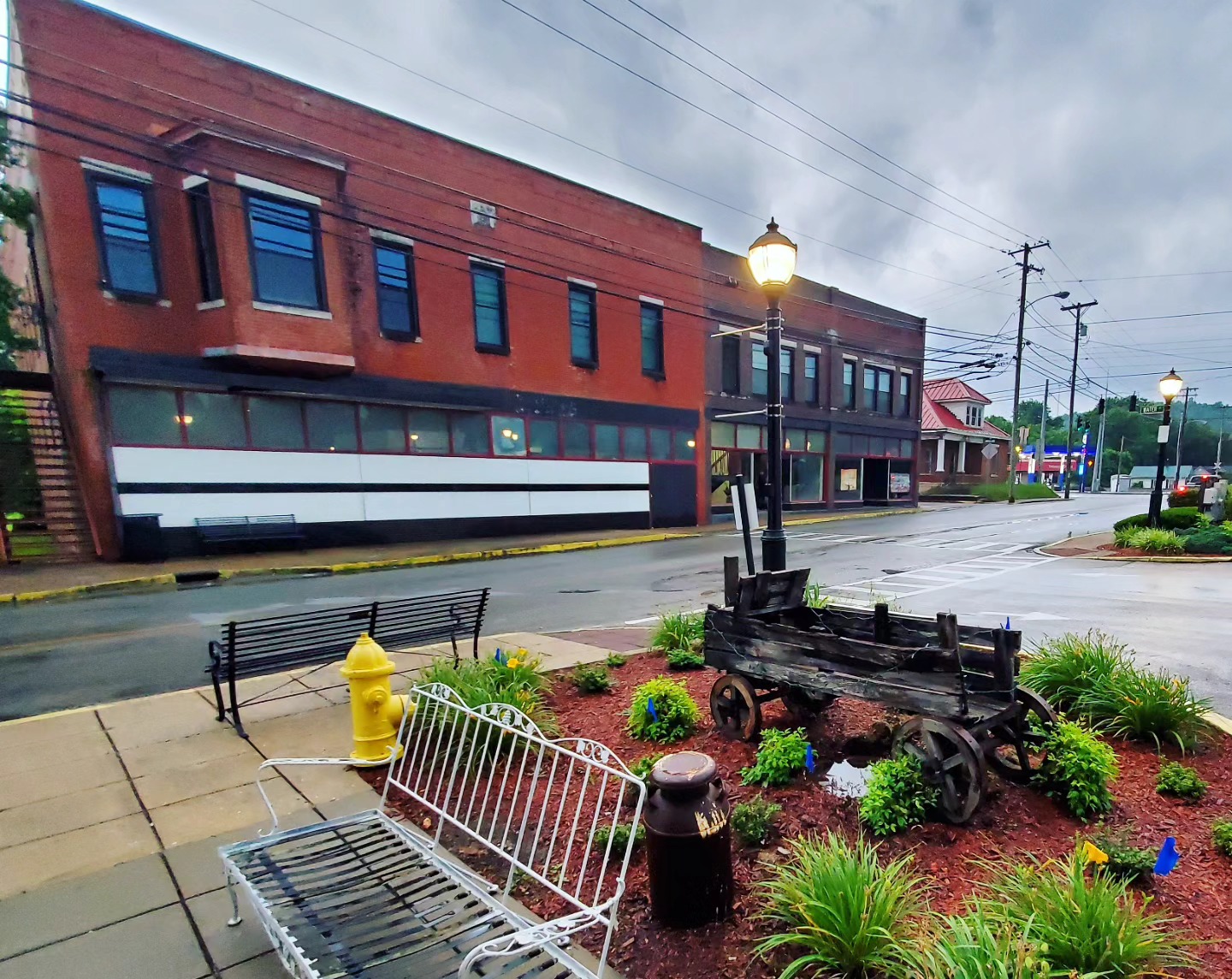
We made a few more stops around town to learn about its historic sites, including the old Opera House which later became the Kentucky Repertory Theatre.

The Super IGA Market had some cool antique trucks and equipment outside on display, a nice touch for its location among several antique, vintage, and thrift shops.

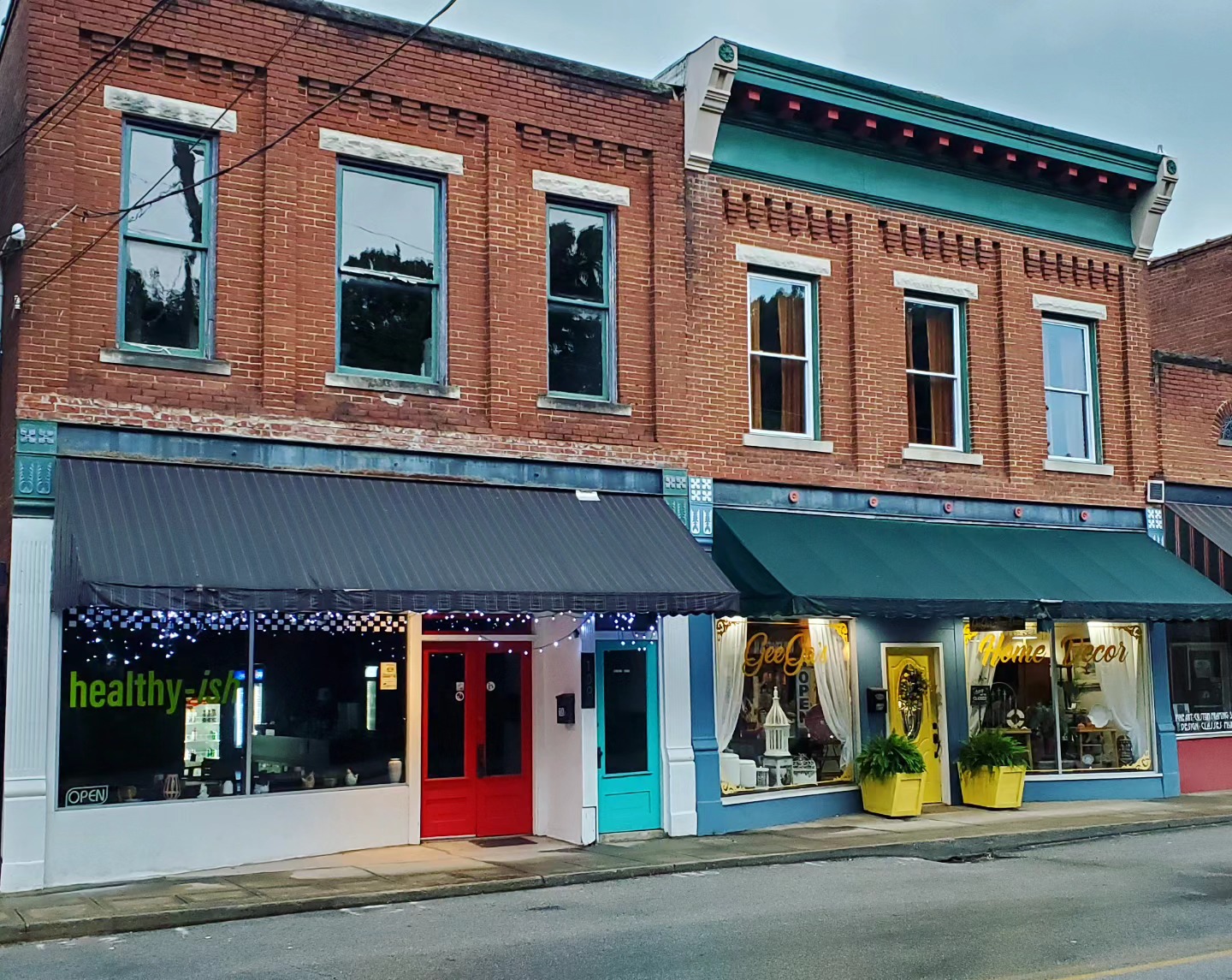
After walking around downtown a bit more, we went over to Five Broke Girls, recommended to us by our host at Wigwam Village. This restaurant is known for Southern cooking, huge portions, and unique flavours.
The décor projects an awkward type of Red State pride, but sometimes when in Rome, you sometimes just have to shut up and eat.

Right away, we knew we had to get some onion rings. These things are gigantic and have the look and feel of chicken tenders instead of onions.

I had mine with a Texas-style grilled Cuban sandwich, and ended up taking half of it home because I was so full.

My friend tried one of their burgers after we read that Five Broke Girls had just won multiple awards for best burger, including the official title in Kentucky Living Magazine. It was delish.

Healthy-ish and Feeder Restaurant were two other places recommended to us, but both were closed on our visit.
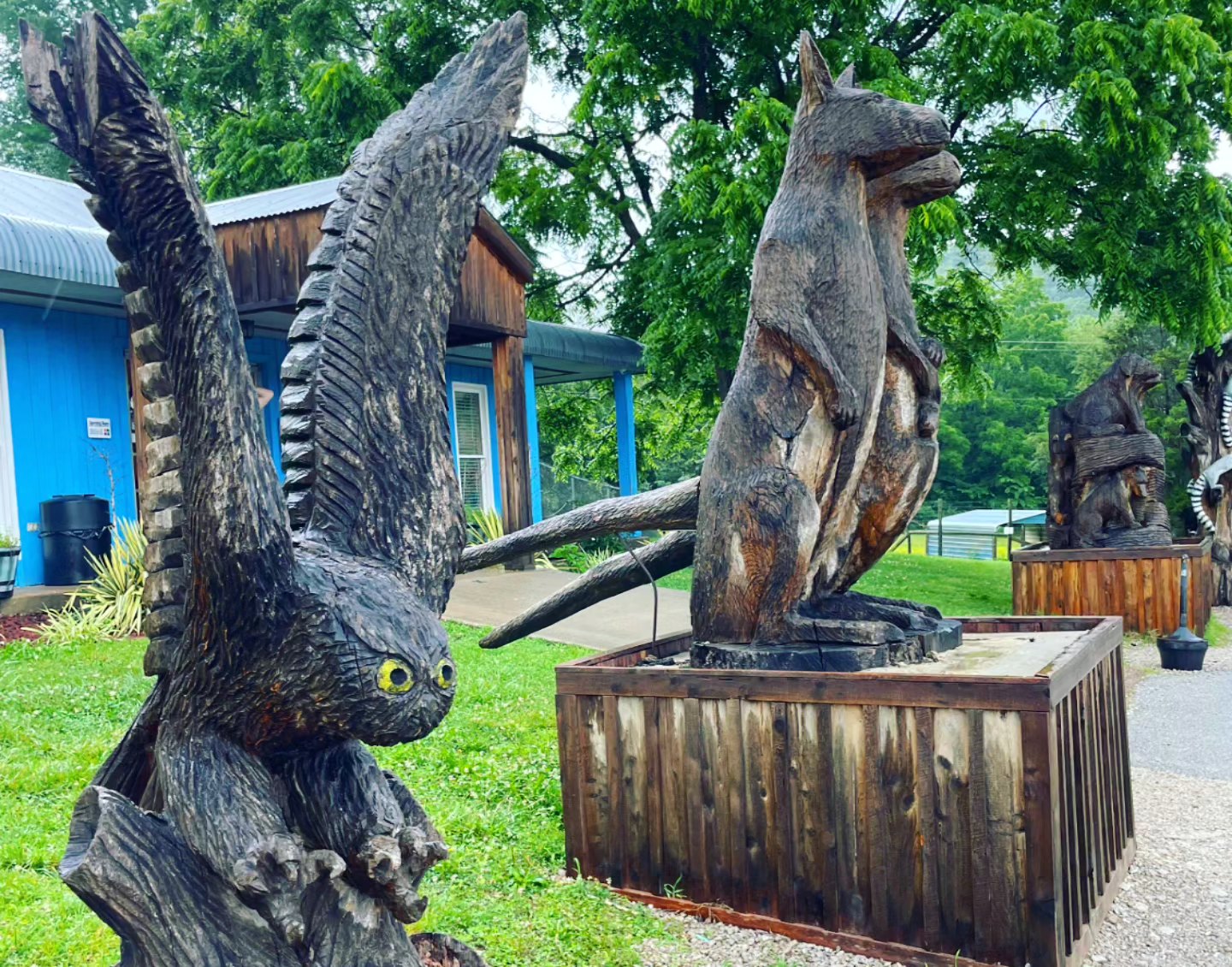
Away from downtown Horse Cave, Kentucky Down Under is an adventure zoo and animal park with a sculpture garden and gift shop.
Visitors can pile into golf carts for guided tours and watch the animals, or book a more interactive experience.

Next to Kentucky Down Under is the Farmwald’s Dutch Bakery, one of many Amish-owned businesses on the Hart County Amish Trail.
Amish community members first started moving into Horse Cave and the rest of Hart County from Ohio in the 1980s, and now make up the 8th largest Amish population. This is also the fastest-growing population in the country based on number of individuals and social impact.
The Hart County Amish community (HCAC) also owns R & S Grocery and Amish Bakery, Detweiler’s Country Store in Cub Run, Hart County Produce Auction closer to Munfordville, and other businesses you can view on this map.
HCAC has eighteen different church districts on either side of the Green River, and members are very active in the general public. We saw quite a few Amish families out in traditional attire, just walking down the street and standing next to us in the caves.
While I am not religious, I am from Ohio and of German origin, so hearing a group of old-world people speaking German dialects in random small towns really rings some type of bell for me.

Another thing I love is Hex Signs, popular among the Amish and other religious sects, but often confused with Barn Quilts.
The main difference between hex signs and barn quilts is that barn quilts tend to be simple and abstract.
With hex signs, each person or family creates their own uniquely designed image with carefully chosen colours, specific types/numbers of birds and flowers, to display symbolism just as a Scottish tartan or other ancestral heirloom.
You will see hex signs more within Amish communities whereas barn quilts are found on most rural barns, highly visible and rarely with any deep symbolism. Check out the Hart County Barn Quilt Trail Map if you also squeal every time you see one.

The Horse Cave Heritage Festival and Hart County Civil War Days are two of the biggest events in Horse Cave each year, and there are frequent antiques events.
In the area for a while? Follow me to see more of Hart County in Munfordville, or to Cave City, Mammoth Cave, and Glasgow!
********************
© Copyright Fernwehtun, 2015- Current. Unauthorized use and/or duplication of this material without express and written permission from this site’s author and/or owner is strictly prohibited. Excerpts and links may be used, provided that full and clear credit is given to Fernwehtun and Fernwehtun.com with appropriate and specific direction to the original content.


 Fernweh, An Ache for Distant Places
Leave a comment