

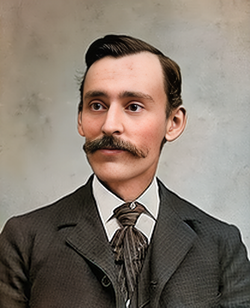
GEORGE F. BARBER (1854–1915) was a prominent architect and publisher in the late 1800s and early 1900s who gained an incredible amount of success with his company Geo. F. Barber & Co. Architects, and his novel production and distribution of mail order blueprint catalogues.
Barber moved to Knoxville, my current city of residence, in the 1880s. His firm quickly began to gain notoriety around the country, and nearly every major city in the 1900s had a Barber home.
You would be hard pressed to find a more popular architect during the Victorian age.
Photo below is from Find A Grave:
It is estimated that more than 800 different designs were created and used to construct over 20,000 properties worldwide.
Barber homes were built as far as South Africa, Japan, all across Europe, and in the Philippines. Queen Anne, Eastlake, Romanesque, Colonial Revival, and other Victorian architecture were his most common designs.
Nearly 50 Barber homes are on the National Register of Historic Places, with at least twice as many being included in official historic districts.
Photo below provided by the Knox County Library’s George F. Barber Collection:

Knoxville has the highest concentration of Barber homes than anywhere else in the world, and most of them are located in a historic neighbourhood called Parkridge.
Barber’s personal home was in Parkridge, where he and his family lived from 1889-1895. Eventually he sold the home to his brother, Manley, and relocated to the extant Rosemont estate nearby.
Barber & Co. had more than 30 draftsmen and nearly two dozen secretaries at its height, and it was the largest architecture firm in the state. Barber later co-founded the Barber & McMurry firm in Knoxville in 1915, but he died suddenly that same year.
His son Charles continued his life work and legacy with Barber & McMurry, and the current owners still design and build today.
Photo below is from Preservation Society of Asheville Buncombe:

PARKRIDGE was formerly known as Park City and is a historic neighbourhood in East Knoxville. Its main streets with the most Barber homes are Washington Avenue, Jefferson Avenue, and Woodbine Avenue. A separate blog about Parkridge itself is in progress.

Anyone who knows me and/or has traveled with me knows that one of my favourite activities is creeping on old historic homes, admiring unique architectural details, and crushing on fancy gardens.
I have had it in mind for a ridiculously long time now to check out all of the George Barber homes in Knoxville, and I finally set myself to task.
This blog will be a bit different than the usual. Instead of writing about the history and culture of a specific city or neighbourhood, this one is focused on pure visual joy, plus some tips for looking less creepy while creeping around.
Below are the residential homes I was able to locate in Parkridge that are still standing as of 2023.
I have divided the homes by street, and each description will be in the format of “street number – alternate name – year built – catalog design number” if known.
If you have any additional information or stories about any of these homes, please send me a message. I will be updating this entry as I learn more.
WASHINGTON AVENUE
1614 – 1900 – ART #600

1618 – D.D. Remer House – my favourite design – 1890 – CS2 #33

1620 – Manley Barber House – 1905 – #A71; MD #239; MD3 #19
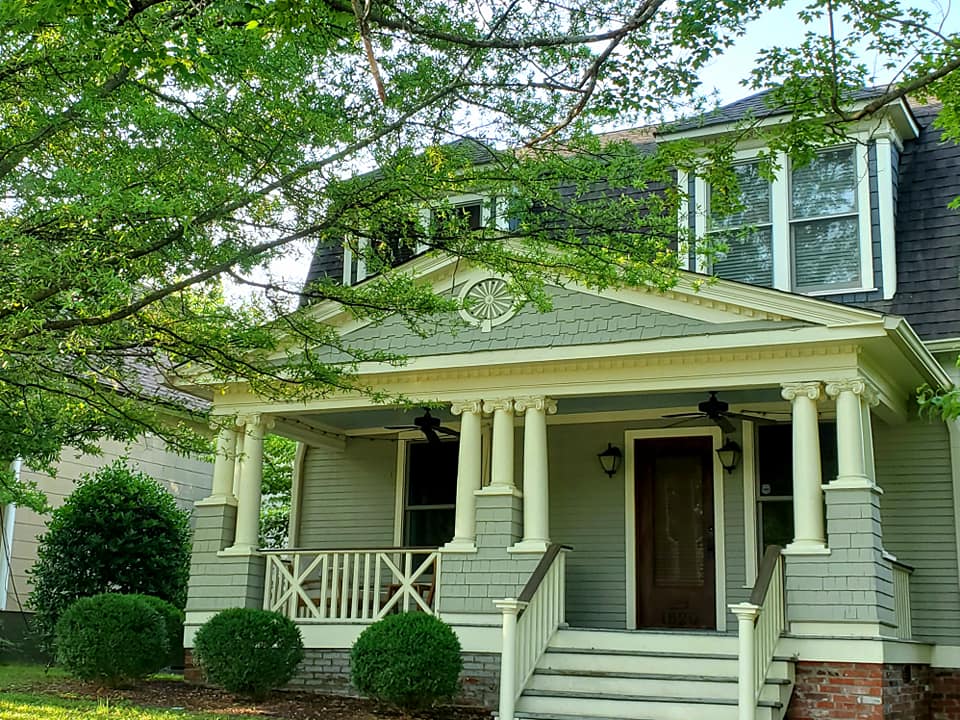
1635 – George F. Barber’s Personal House – 1889 – CS2 #60

1701 – F.E. McArthur House – 1889 – CS2 #40
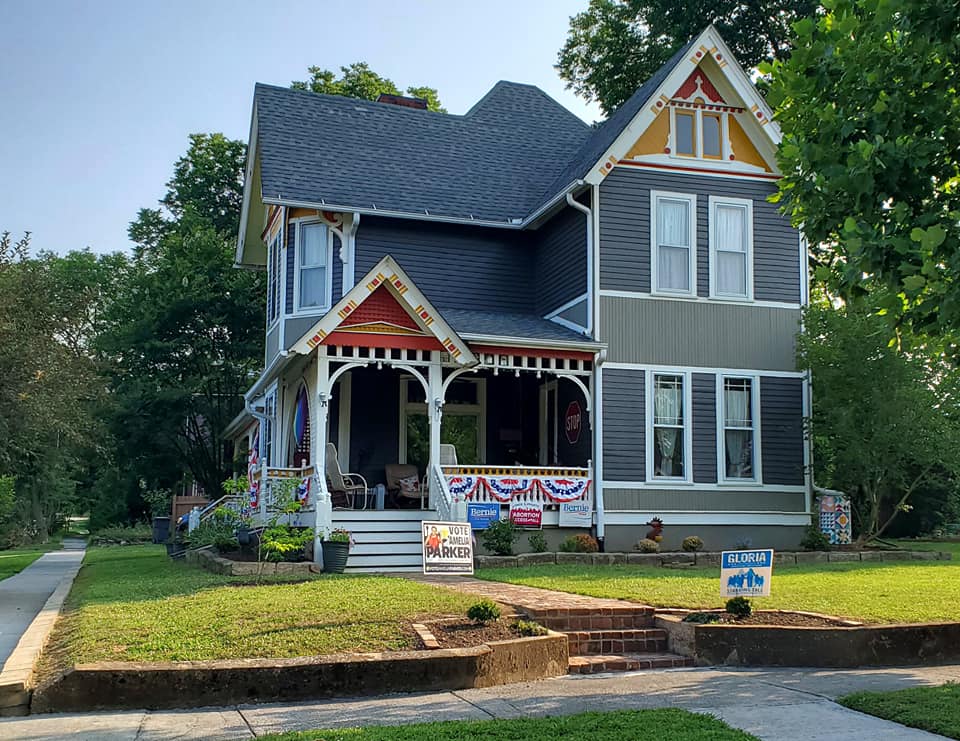
1702 – Wayne L. Haworth House – 1889 – CS2 #43

1704 – 1895 -NMD #37B

1705 – year unknown – “altered” CS2 #54

1708 – year unknown – “altered” CS2 #39
Note: This one is listed as 1708 Washington Avenue in the database, but there is no house with that street number in real life or on Google Maps. This home is the only structure located between 1704 and 1712 Washington Avenue.

1712 – Alonzo Cash House – 1889 – CS1 #3

Note: The Rosemont house at 1715 Washington Avenue that George Barber later lived in and the The 1889 E. Dean Dow House at 1723 Washington Avenue were both demolished.
1724 – W.O. Haworth House – 1889 – CS2 #35

1730 – Joseph T. Potter House – 1889 – catalog number unknown

Throwing in a second photo because this beauty is so elaborate, and has been undergoing some changes.

Note: The 1889 H.H. Kincaid House at 1735 Washington Avenue was demolished.
1802- 1895 – catalog number unknown
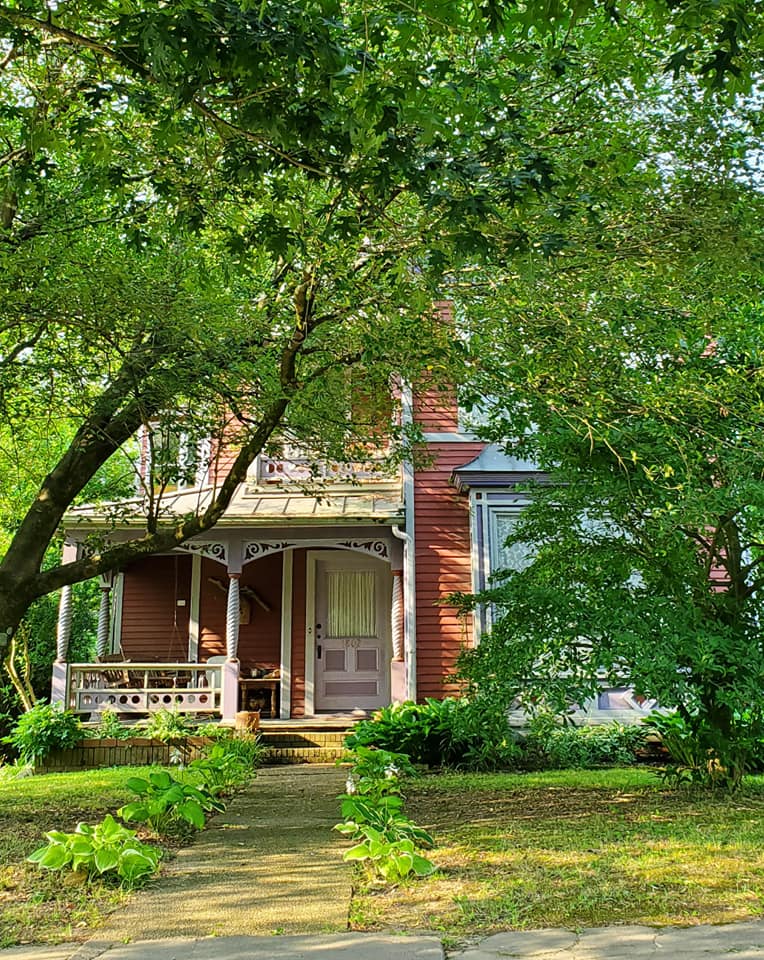
1803 – Joshua Deaver House – 1893 – NMD #60B
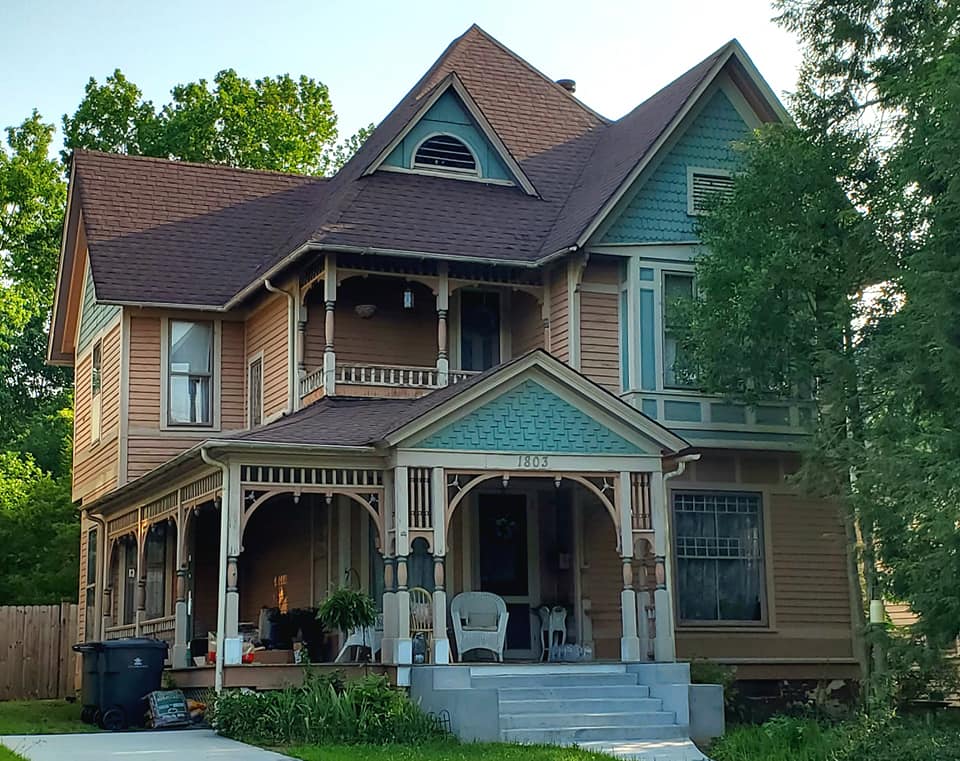
1804 – year unknown – catalog number unknown

1806 – 1890 – CS3 #124

1904 – year unknown – catalog number unknown
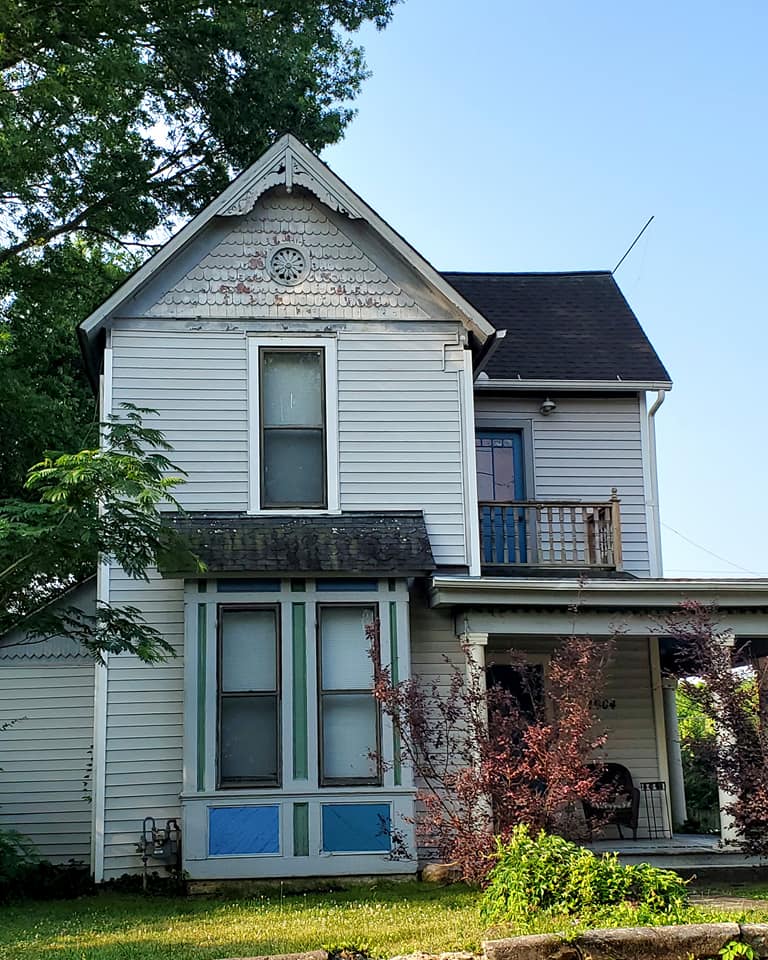
1905 – year unknown – catalog number unknown
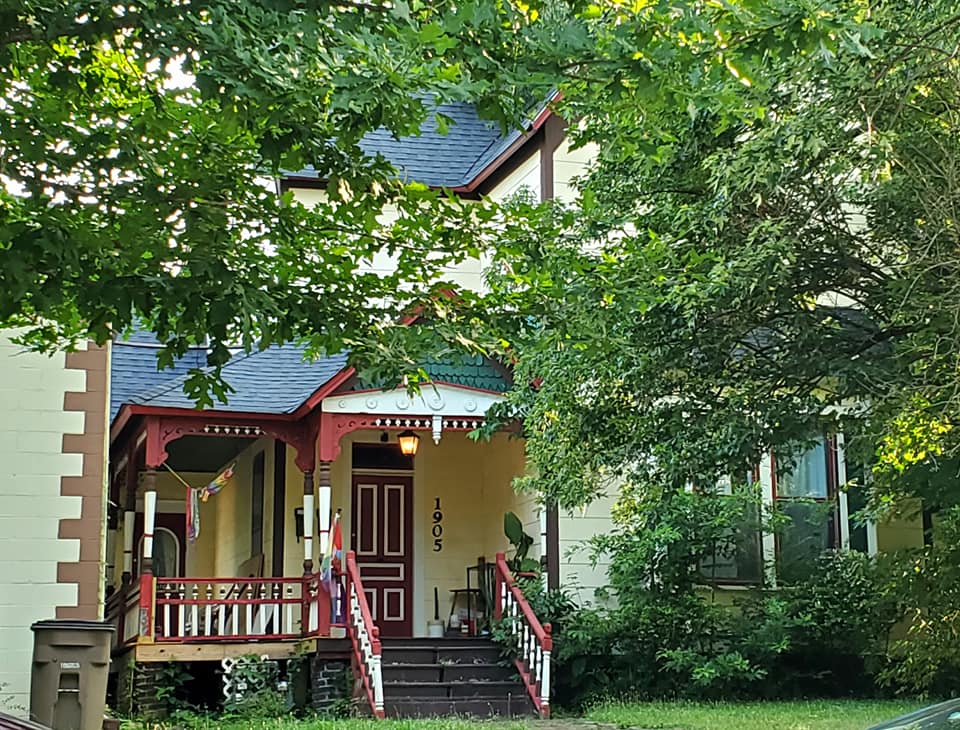
1912 – 1890 – catalog number unknown
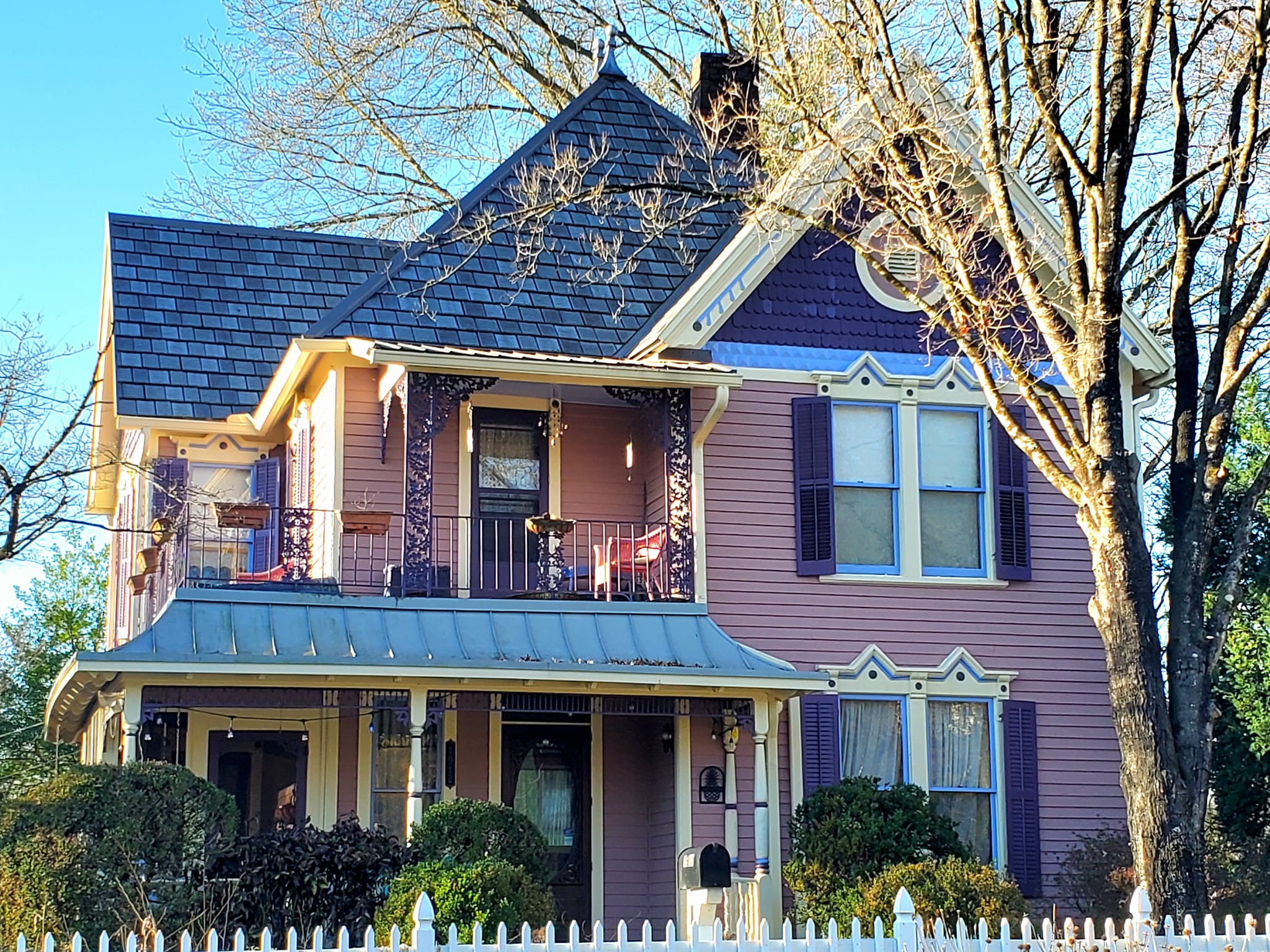
Note: This one is my favourite property all-around, so I am including a couple more photos.


2331 -1899 – CS2 #38

2343 – 1892 – CS2 #38

JEFFERSON AVENUE
1603 – 1895 – NMD #60B
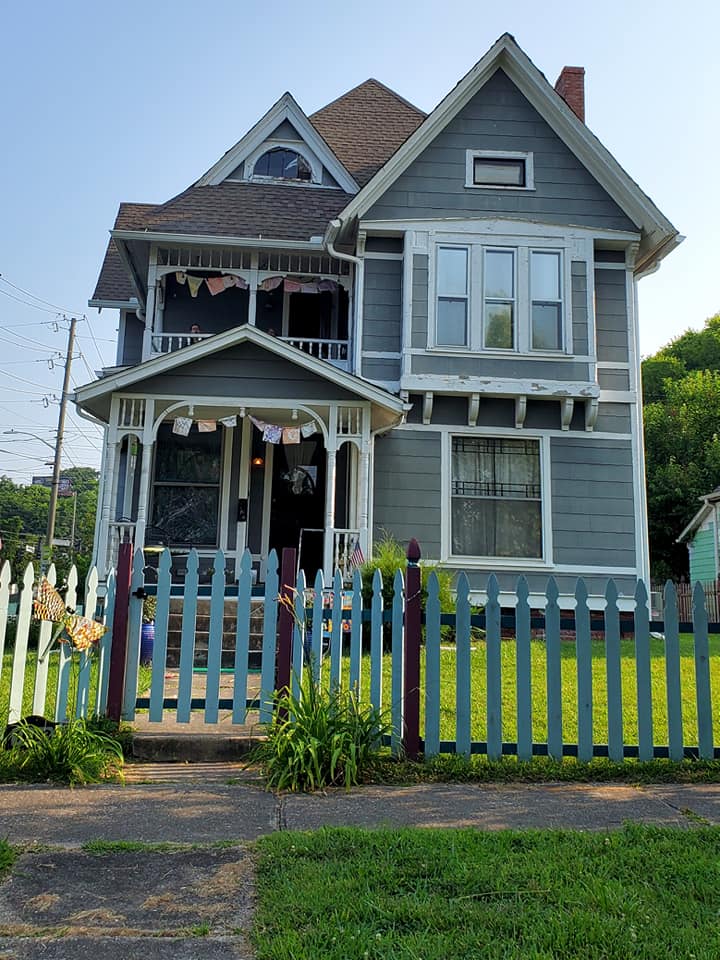
1640 – 1890 – MD #264

1701 – year unknown – catalog number unknown
Note: 1707 Jefferson was demolished
1708 – year unknown – catalog number unknown

1731 – “early 1880s” – catalog number unknown

2038 – 1880s – catalog number unknown

2039 – 1890 – CS3 #125 plan #2

WOODBINE AVENUE
1501 – 1890 – CS2 #9
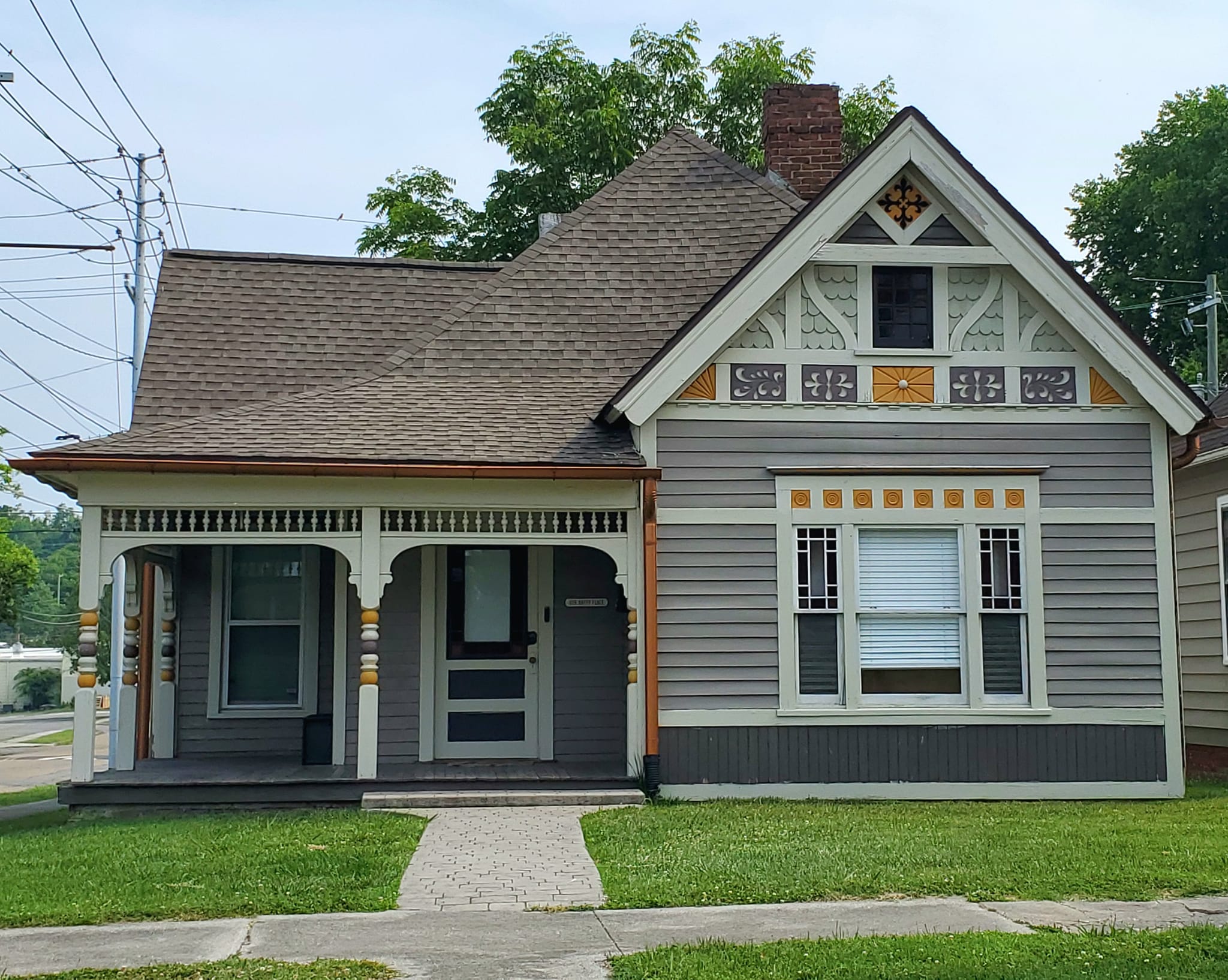
2458 – 1890 – catalog number unknown
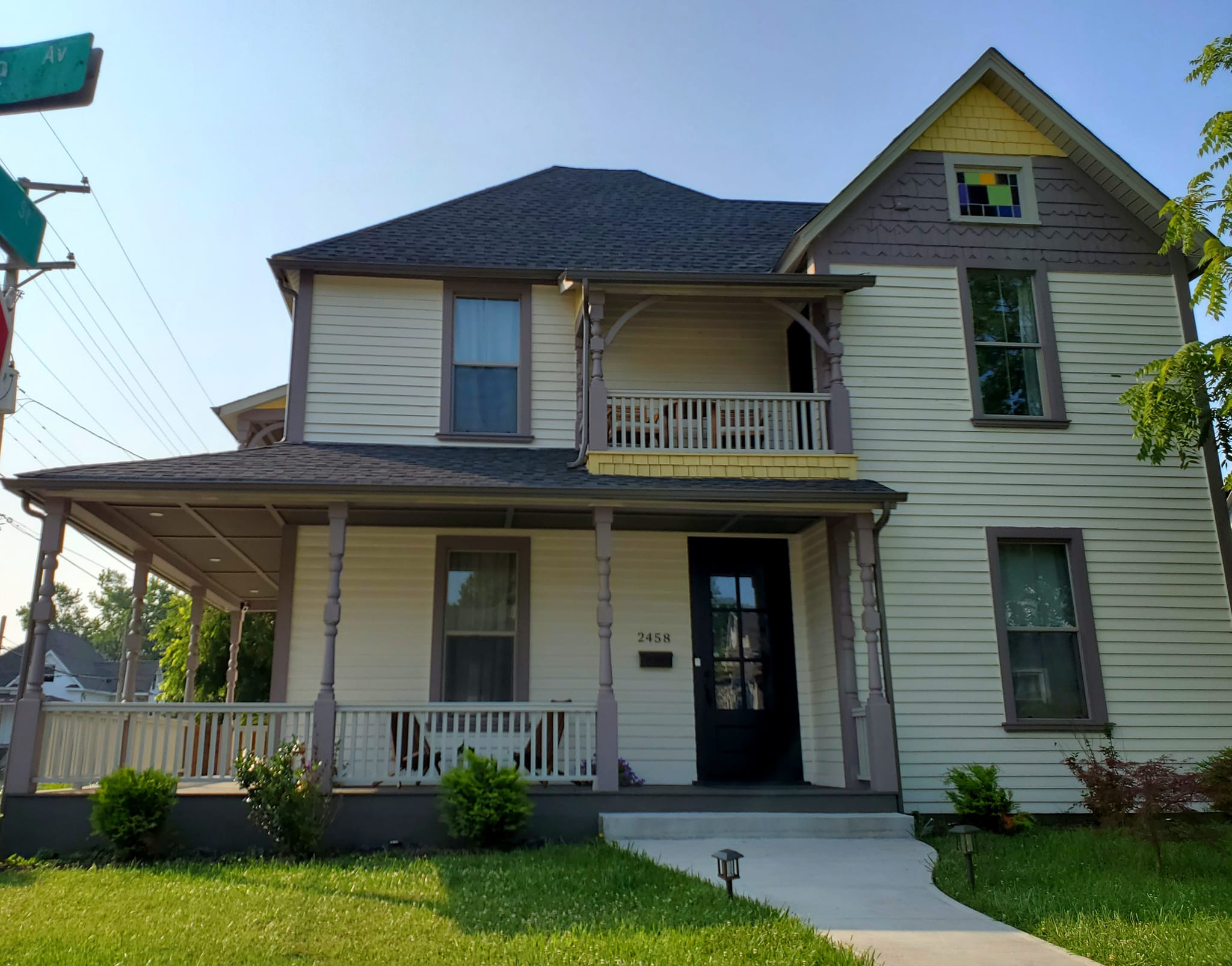
GLENWOOD AVENUE
1810 – 1890 – CS2 #9

1701 – The George F. Barber Cottage – 1913 – catalog number unknown
Note: The house has original stampings from Geo. F. Barber & Co. but “Barber & Ryno” has been imprinted over the original.

FIFTH STREET
2701 – 1900 – catalog number unknown

In historic districts, most residents are fairly used to people walking or driving by and taking photos. My friends who live in Parkridge, 4th & Gill, and other historic districts in and outside of Knoxville have reassured me of this often. However, many people may still become suspicious. Here are my basic rules of thumb:
- Be Respectful.
Always observe the utmost respect for each property. Do not trample through yards/gardens or take photos of personally identifying information, signs, or license plates. Do not take photos when any humans are outside, and ESPECIALLY not of their children. I can not emphasize that enough. - Be Quiet.
If kids or pets are outside, walk by fast or return later so you do not disturb them or stir up a lot of noise and ruckus. - Be Distant.
Stay on the sidewalk and do not linger for more than a few seconds. - Be Safe.
Take your sightseeing strolls/drives in the morning or in broad daylight, not at night. Know a little background on the area you are visiting and where the nearest main streets are. - Be Friendly.
When I encounter other people in my residential sightseeing, I usually wave and say good morning or compliment their choice of flowers/paint colours. I am not the kind of person to go around smiling at or talking to random people, but it is a helpful skill that keeps others from worrying that you might be casing them or up to no good. Sometimes people even volunteer cool stories about their homes or whatever renovation projects they are working on when they find out you are just into old houses. - Be Cool.
Act like somebody. Follow traffic rules. Don’t dress sketchy or act sus. I have considered making myself a shirt or a sandwich board sign that says “Just Admiring Y’alls Houses” so that might be my next move.
In the area for a while? Check out more Barber homes in other neighbourhoods.
********************
© Copyright Fernwehtun, 2015- Current. Unauthorized use and/or duplication of this material without express and written permission from this site’s author and/or owner is strictly prohibited. Excerpts and links may be used, provided that full and clear credit is given to Fernwehtun and Fernwehtun.com with appropriate and specific direction to the original content.


 Fernweh, An Ache for Distant Places
Leave a comment