

The German Village in Hamilton, Ohio is one of the city’s four main downtown historic districts. It is located in northeast Hamilton, directly north of, and sometimes overlapping, the downtown Central Business District (CBD).
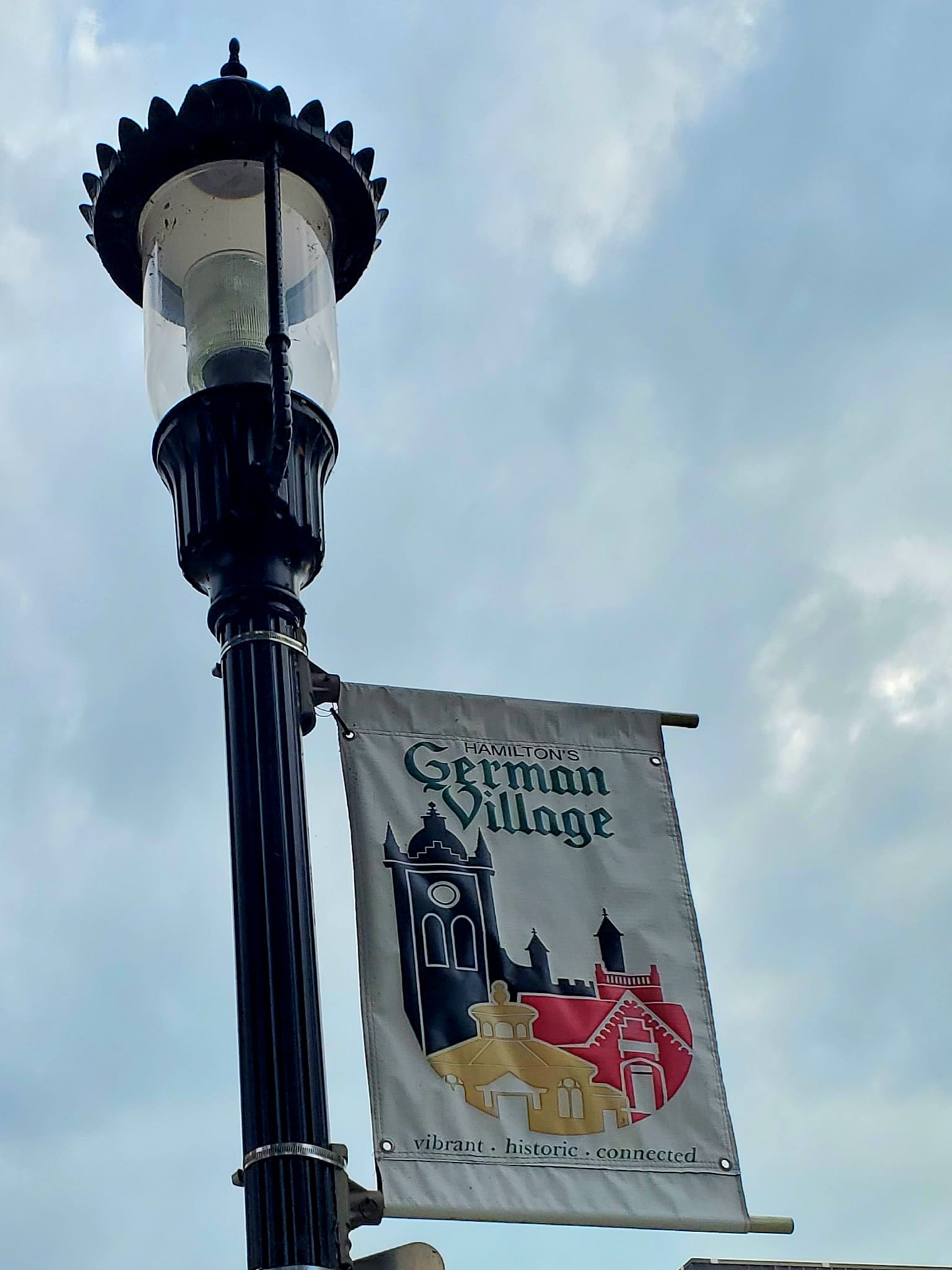
German Village is situated on the eastern bank of the Great Miami River and extends over to Third Street, which is also called Martin Luther King Boulevard.
The northern boundary is Vine Street and it extends down to High Street (also called Main Street) where the downtown CBD begins.
If you view the river and High Street as the axis of a downtown grid, German Village is the upper right quadrant.
Hamilton was first called Fort Hamilton when it was founded in 1791. The fort functioned as a military supply station for two notable Generals “Mad Anthony” Wayne and Arthur St. Clair, though it was named to honour Alexander Hamilton.
Within a decade, the fort became less popular and was eventually abandoned. This area along the river was used more as a trading post and the land surrounding the fort was platted out for residential use.
Hamilton was finally incorporated as an official city in 1810. It remained quite rural until the mid-1800s, when it became burgeoning with new industries.
Owners of the new factories and plants built their homes on the most desirable land, in the area known now as the German Village. This was the first residential neighbourhood to be established outside of Fort Hamilton, and was part of the original city plans.

As you might guess, many of the original residents of the incorporated city were German.
A wave of Germans flooded in (pun intended, because we German types love puns) to assist with creating hydraulic canals and their new homes were designed and embellished to resemble those back in the Fatherland.

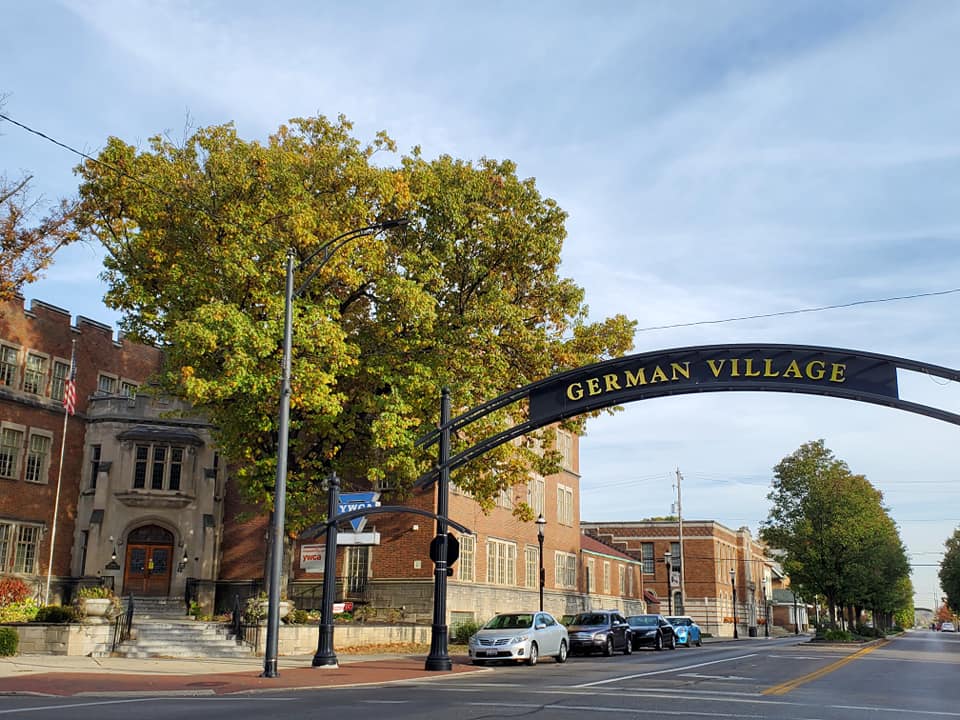
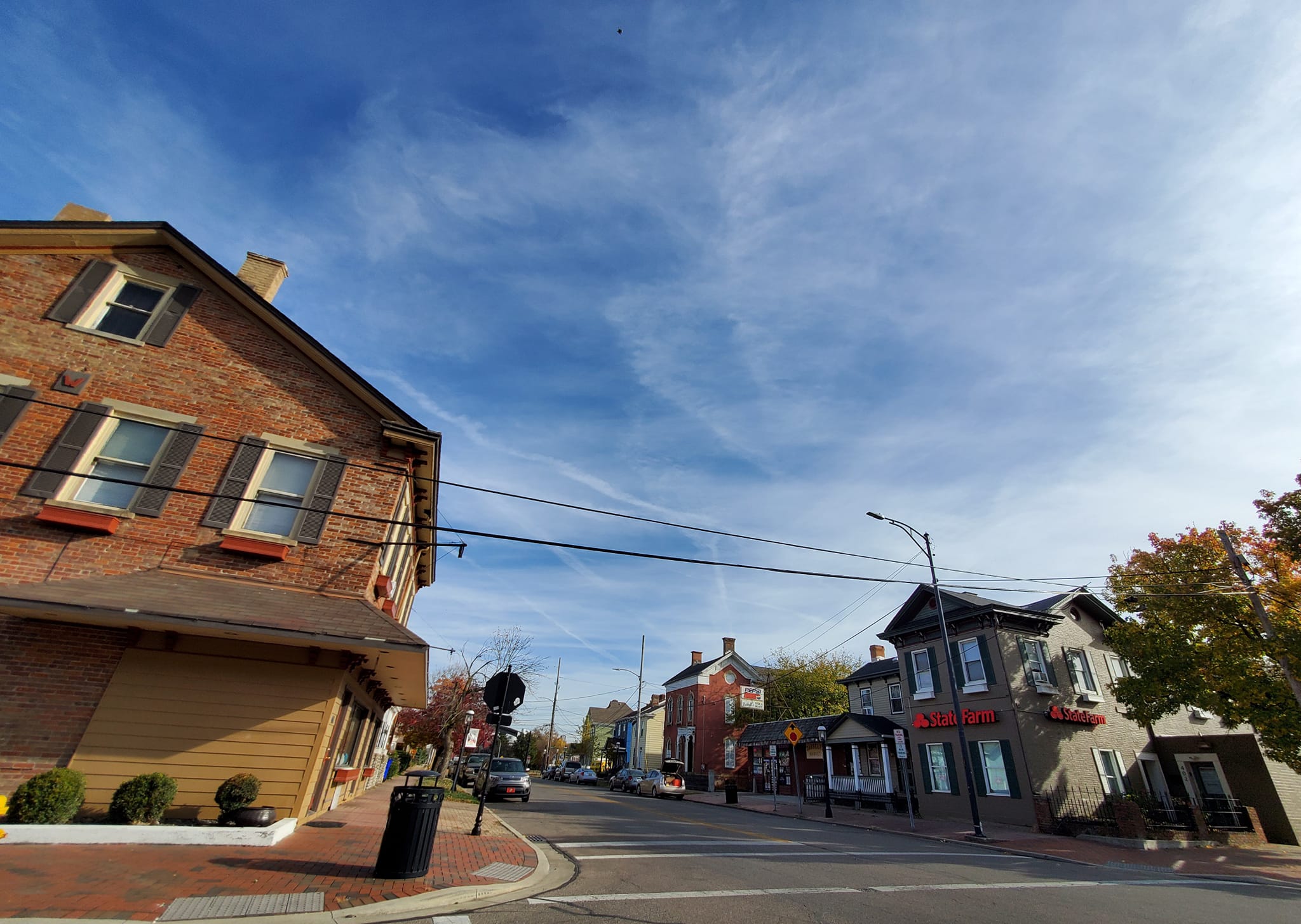
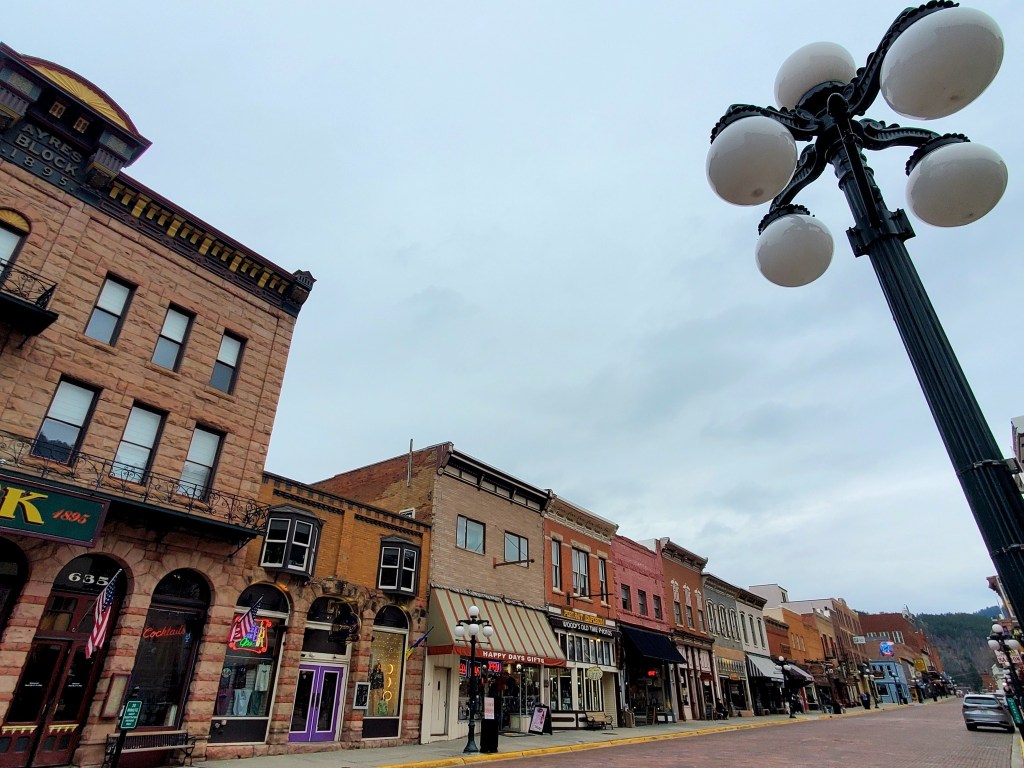
Some of the most beloved features of the German Village are its winding brick sidewalks, cobbled brick main streets, towering black lamp posts, flower boxes in the windows of many homes, some with gingerbread accents and trim.
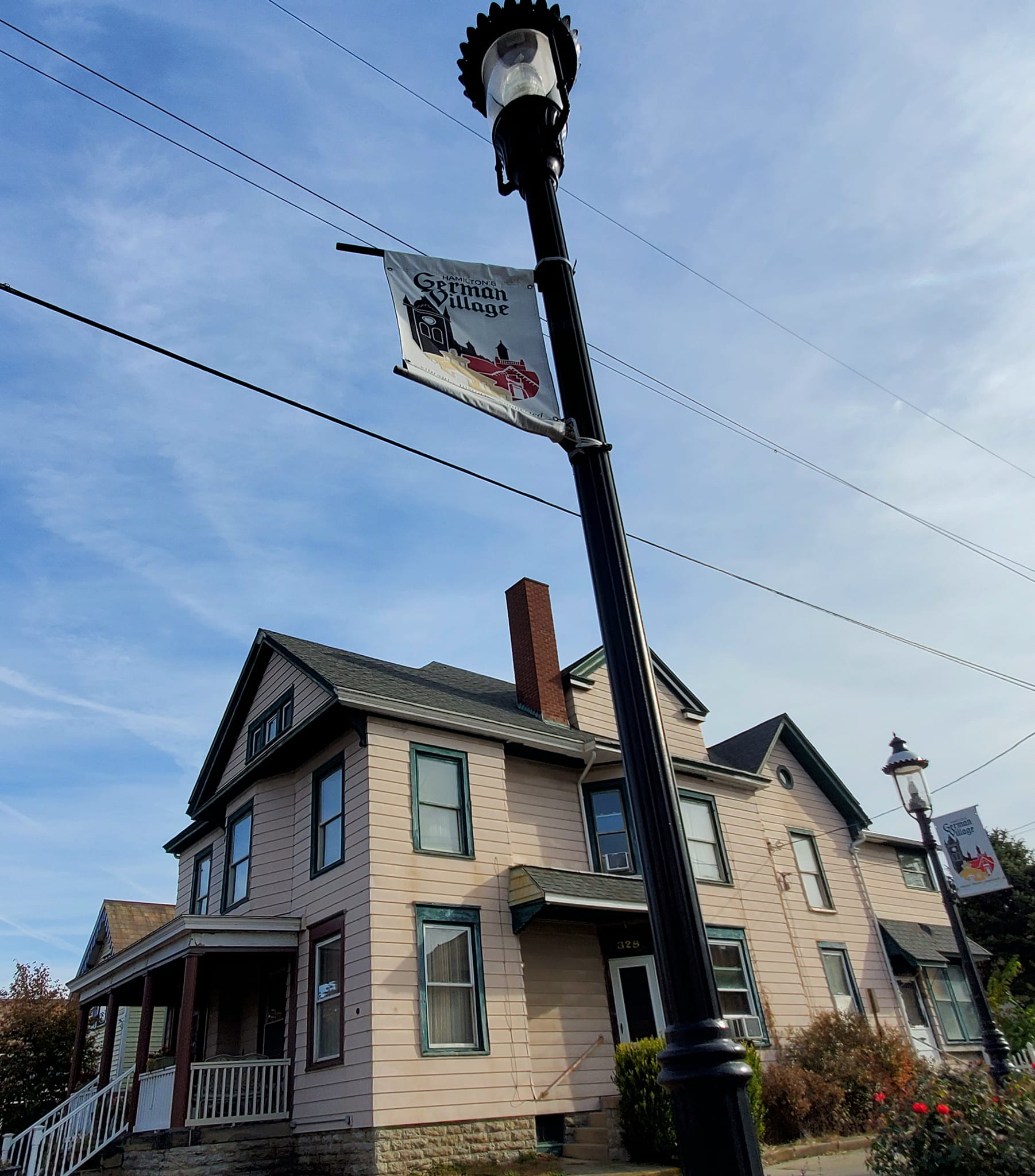
The German Village is a very small historic area, named officially in 1973. It was added to the National Register of Historic Places in 1991 with nearly 180 contributing buildings.
Hamilton German Village’s neighborhood association was formed in 1976 and has managed the district’s maintenance, community events, public festivals, and regular meetings ever since.

HISTORIC SITES
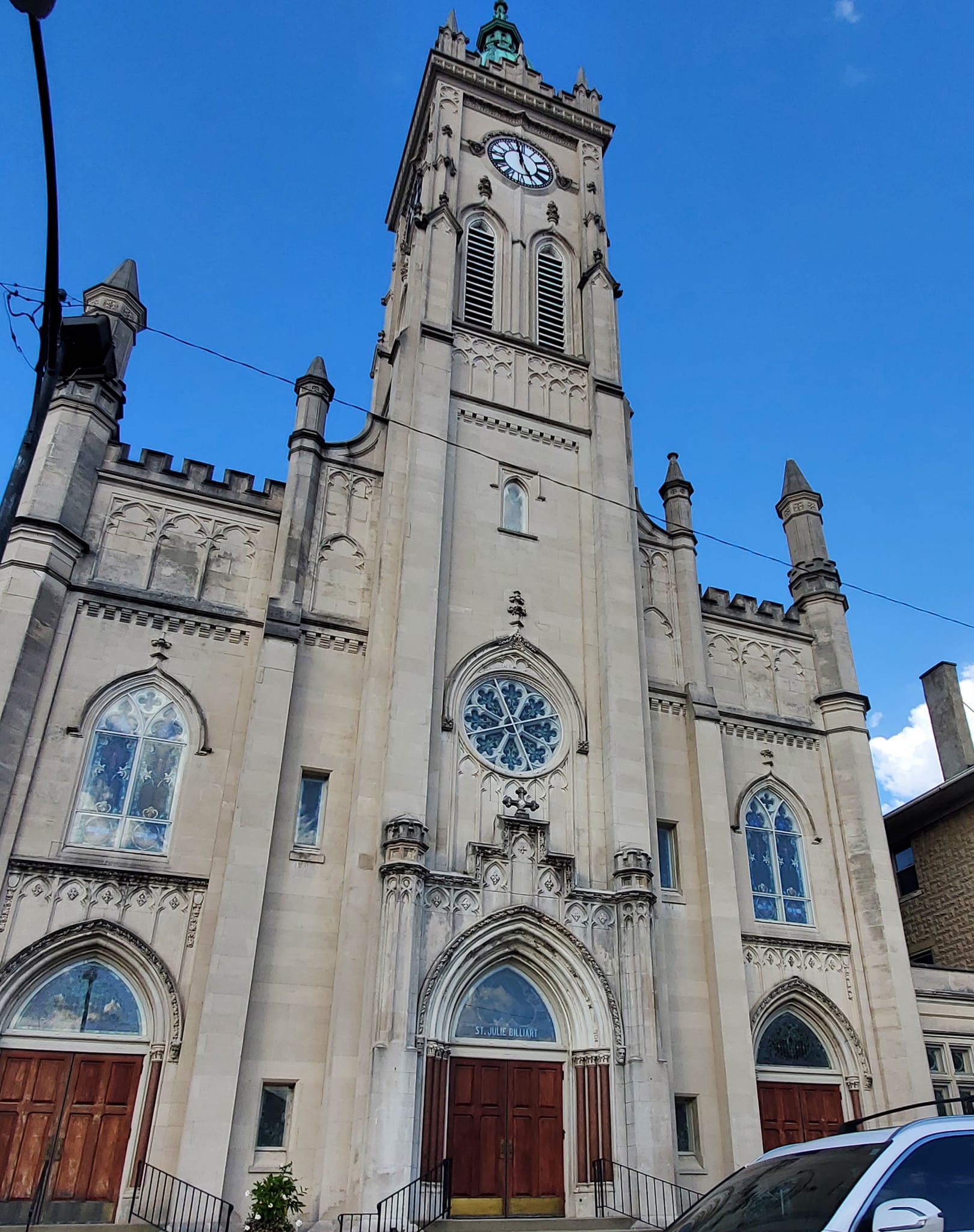
You can visit several historic sites in the German Village including the impressive YMCA building and the St. Stephen of Hungary Rectory & St. Julie Billiart Parish.
If you would like to read more about Hungarian history and influence of this area, especially near Dayton, check out this blog I wrote.
Butler County Historical Society has a plethora of records, printed media, and artifacts from all over Butler County.

They are affiliated with Heritage Hall, which is a few blocks way and displays items form the personal collection of Hamilton’s most successful and celebrated writer, Robert McCloskey.

The Butler County Historical Society has been curating and managing the historic Soldiers, Sailors and Pioneers Monument since 2018 and has some smaller collections on display at the Benninghofen House in the Dayton Lane Historic District.

Lane Public Library is the crown jewel of the German Village. Outside, a plaque tells how Clark Lane had the library built in 1866 and donated it to the people of Hamilton.
The building suffered extreme damage during the 1913 Great Miami River flood but it reopened in 1914 after renovations were complete, rededicated as the Lane Public Library.
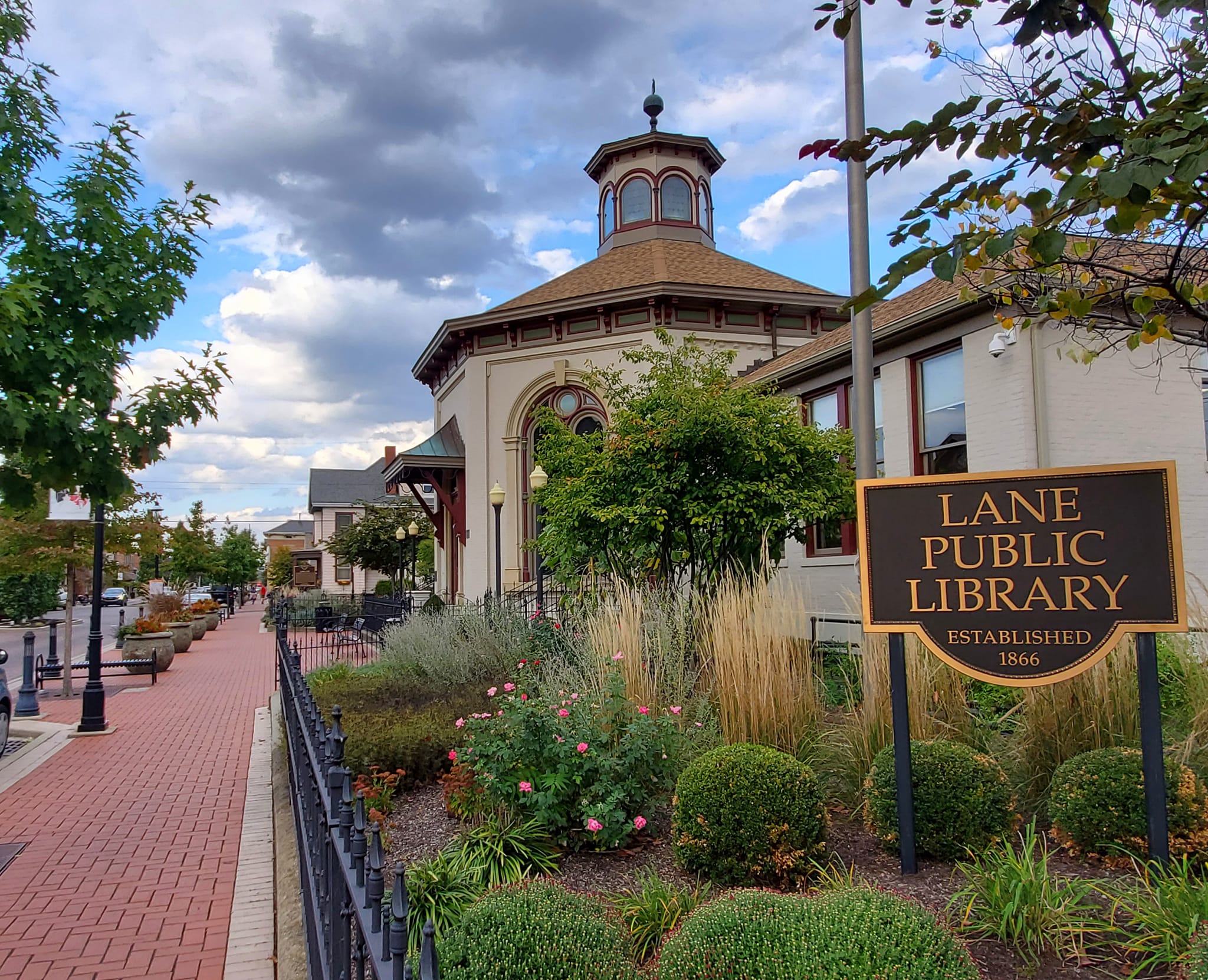
Lane was an industrialist and philanthropist in Hamilton, and his whole family was well known and loved for their countless business started in the community that made a name for Hamilton, and the work they did to fund orphanages and charities and others in need.

Be sure to check out this mural by Sydnie McAdams and Anissa Pulcheon on the side of the library, and check out some of these other murals in the StreetSpark project by the Fitton Center.

The Lane Hooven House across the street was the residence of Lane, later taken over by the Hooven family until 1943. A man named Bertrand Kahn, the son of another beloved Hamilton hero, then purchased the home and gifted it to the city of Hamilton to be used for charitable purposes.
It was built in 1863 and added to the National Register of Historic Places in 1973. Today it is the HQ for the non-profit Hamilton Community Foundation.

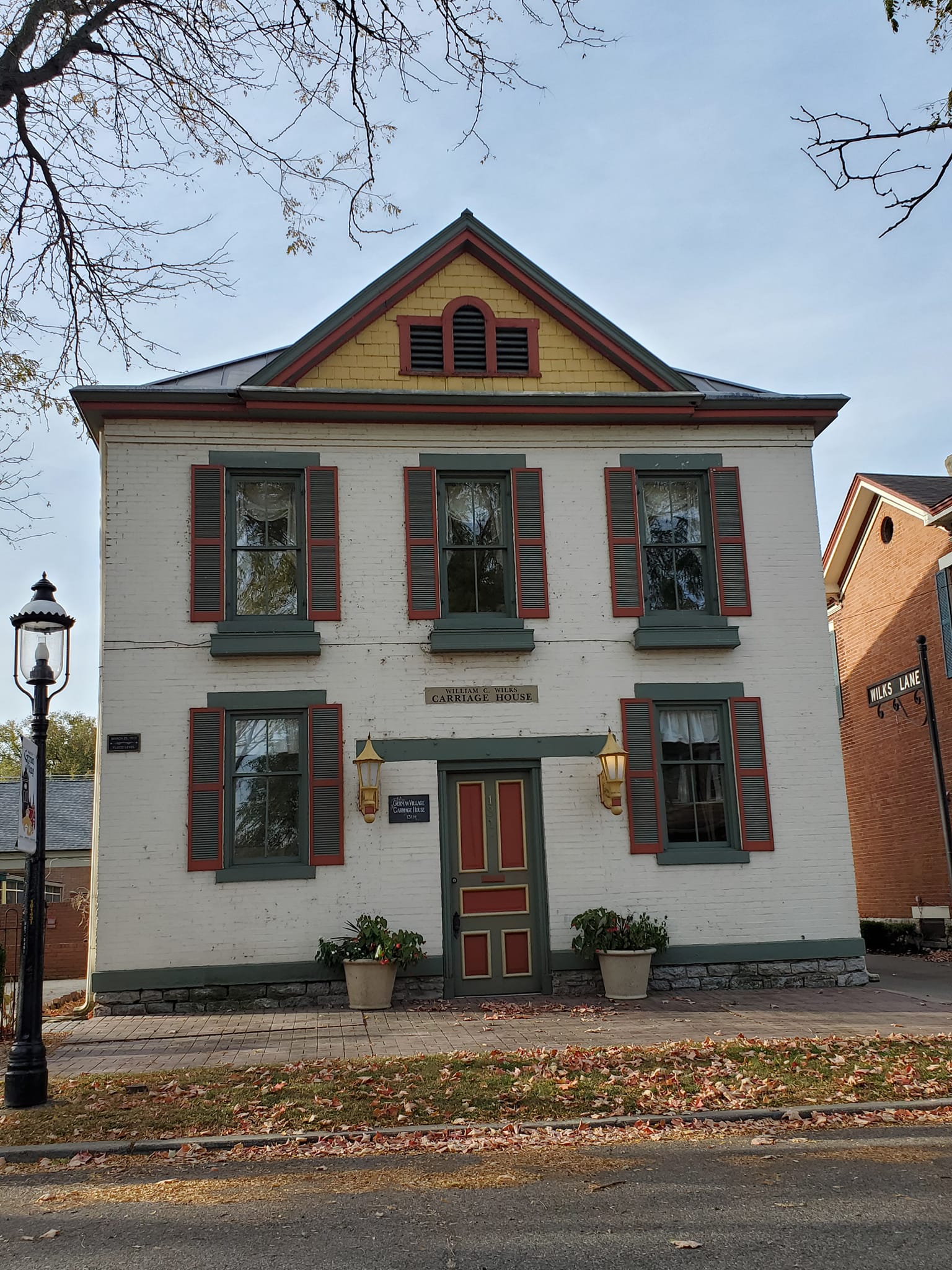
William C. Wilks Carriage House is a very popular event venue from small parties to being the homebase of the World’s Largest Ghost Hunt.
It was previously part of an estate from the 1800s but now stands on its own.
RiversEdge Marcum Park is the most beautiful feature in the German Village, a lovely greenspace full of sculptures and an interactive water fountain you can run through and play in.


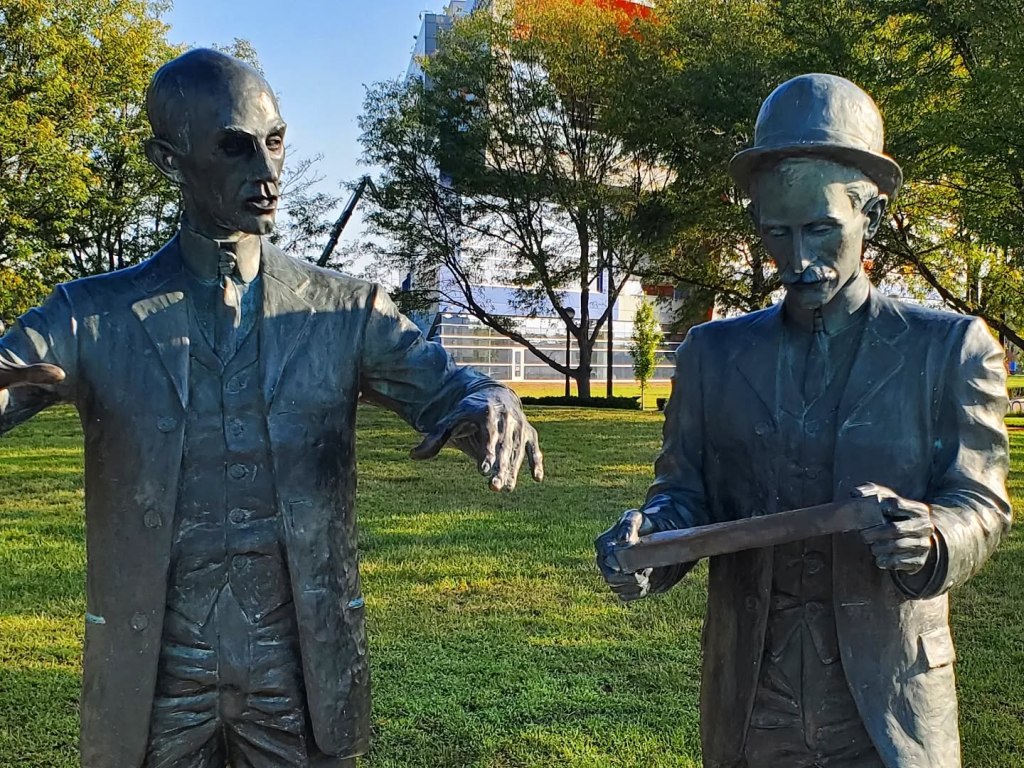
The centerpiece of the park is this collection of bronze sculptures by artist Glenna Goodacre.


Walk around the park’s sculpture garden to view works by other artists.
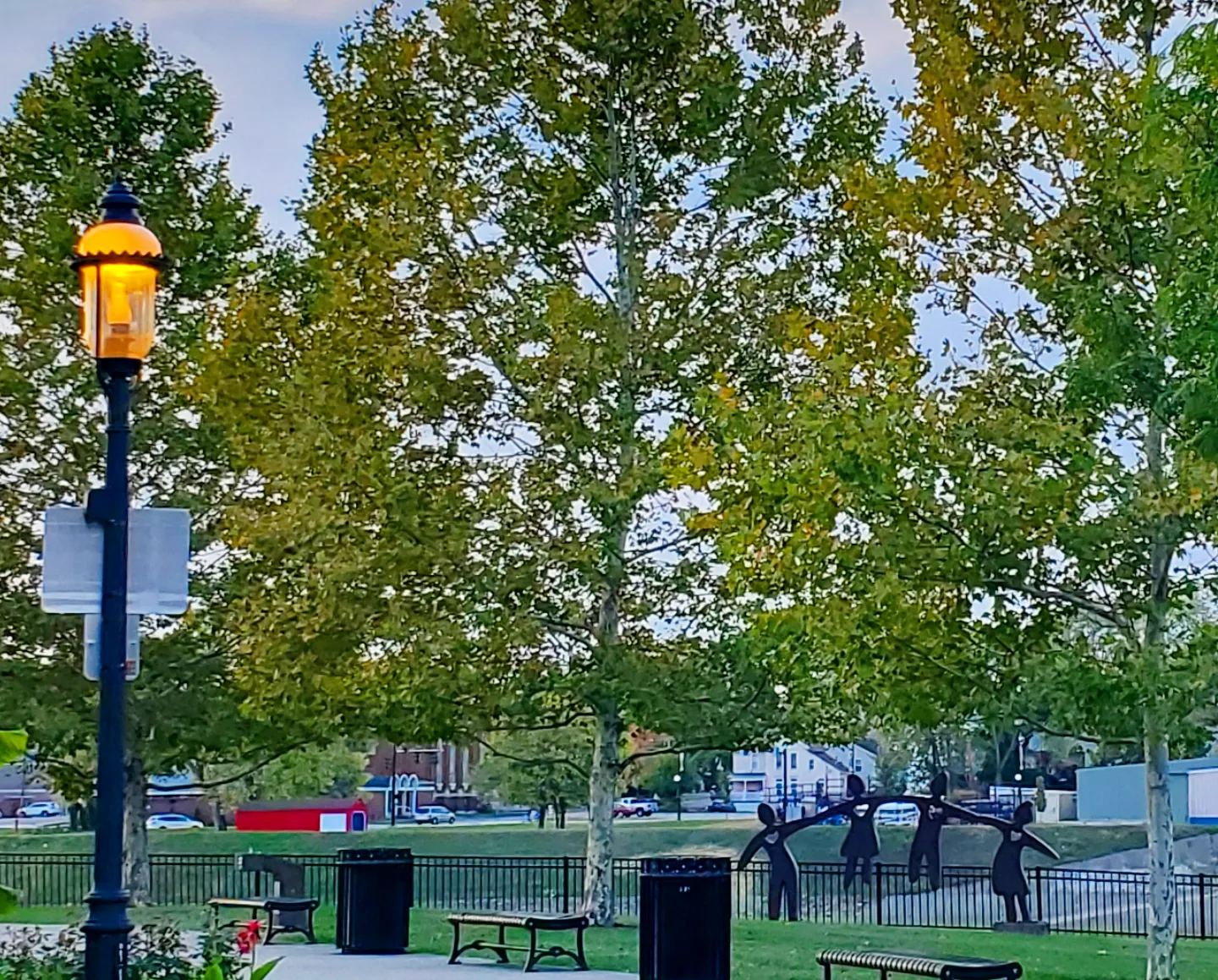

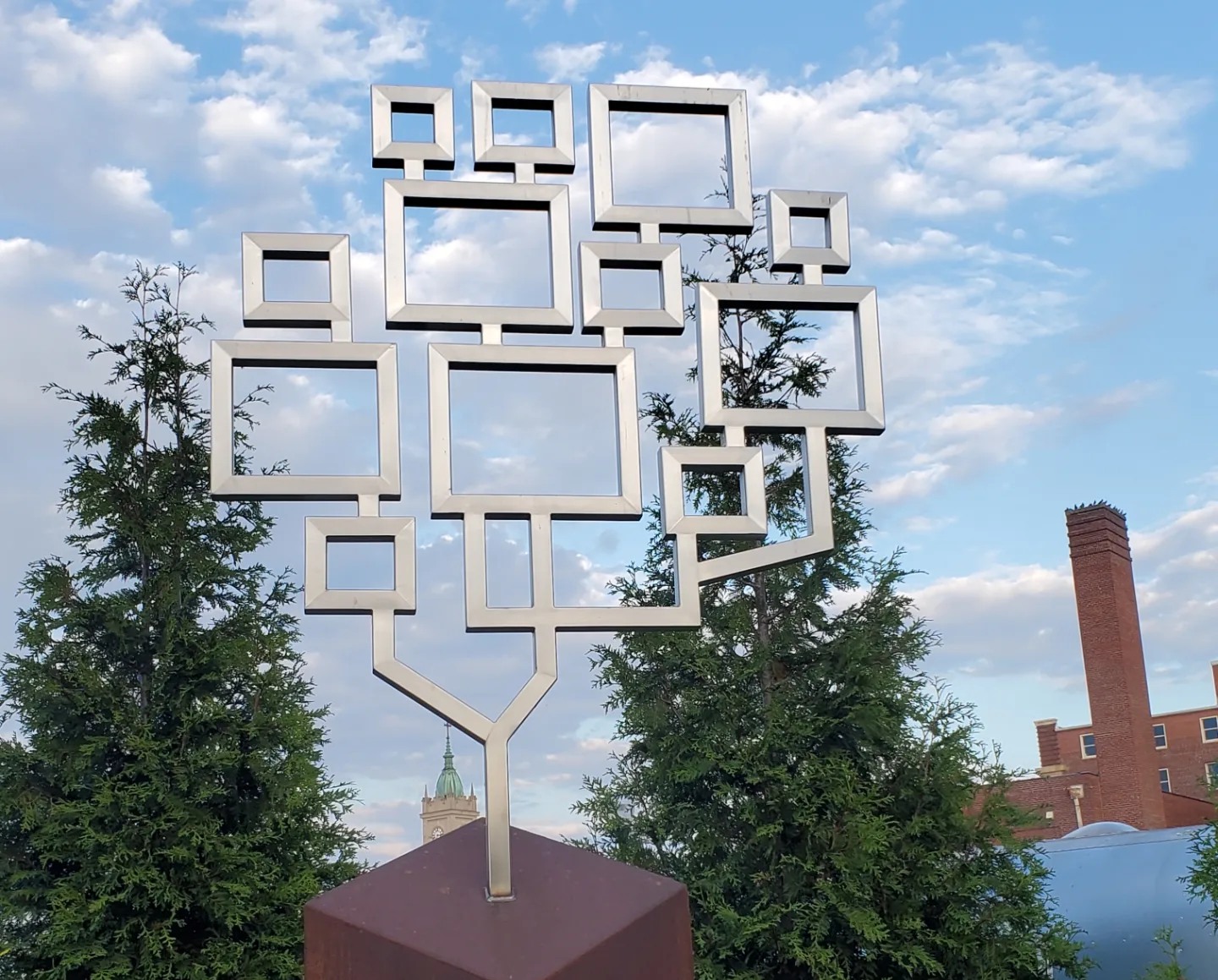
The western side of RiversEdge Marcum Park overlooks the Great Miami River and has an Amphitheatre where live events like RiversEdge Live are hosted throughout the year.

FOOD/DRINKS
North Second Tap & Bottle is a tiny pub with a tinier music stage, but I have had a good time there twice now.
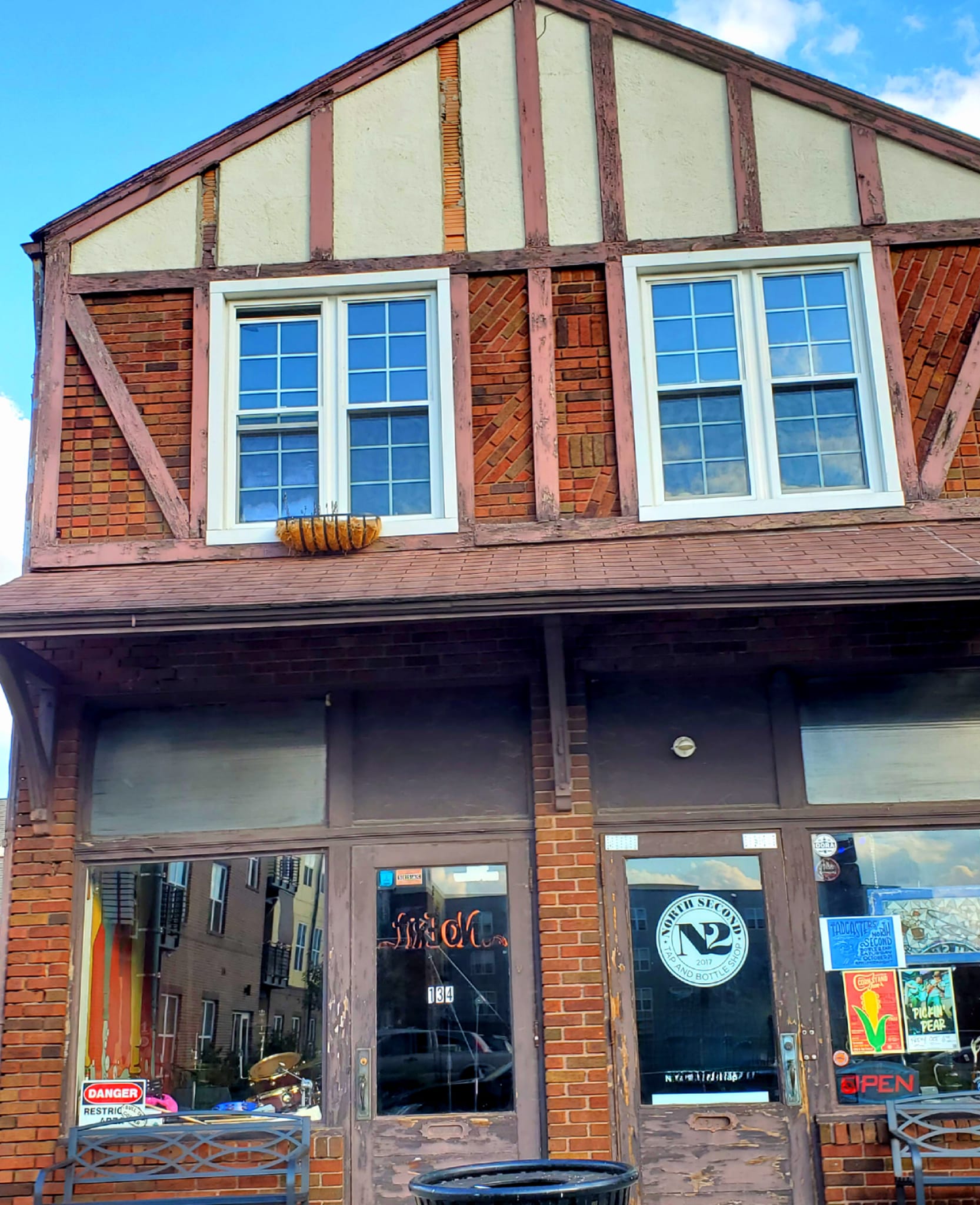
They have several beers by breweries I have never even heard of before, and I dare say I get around.

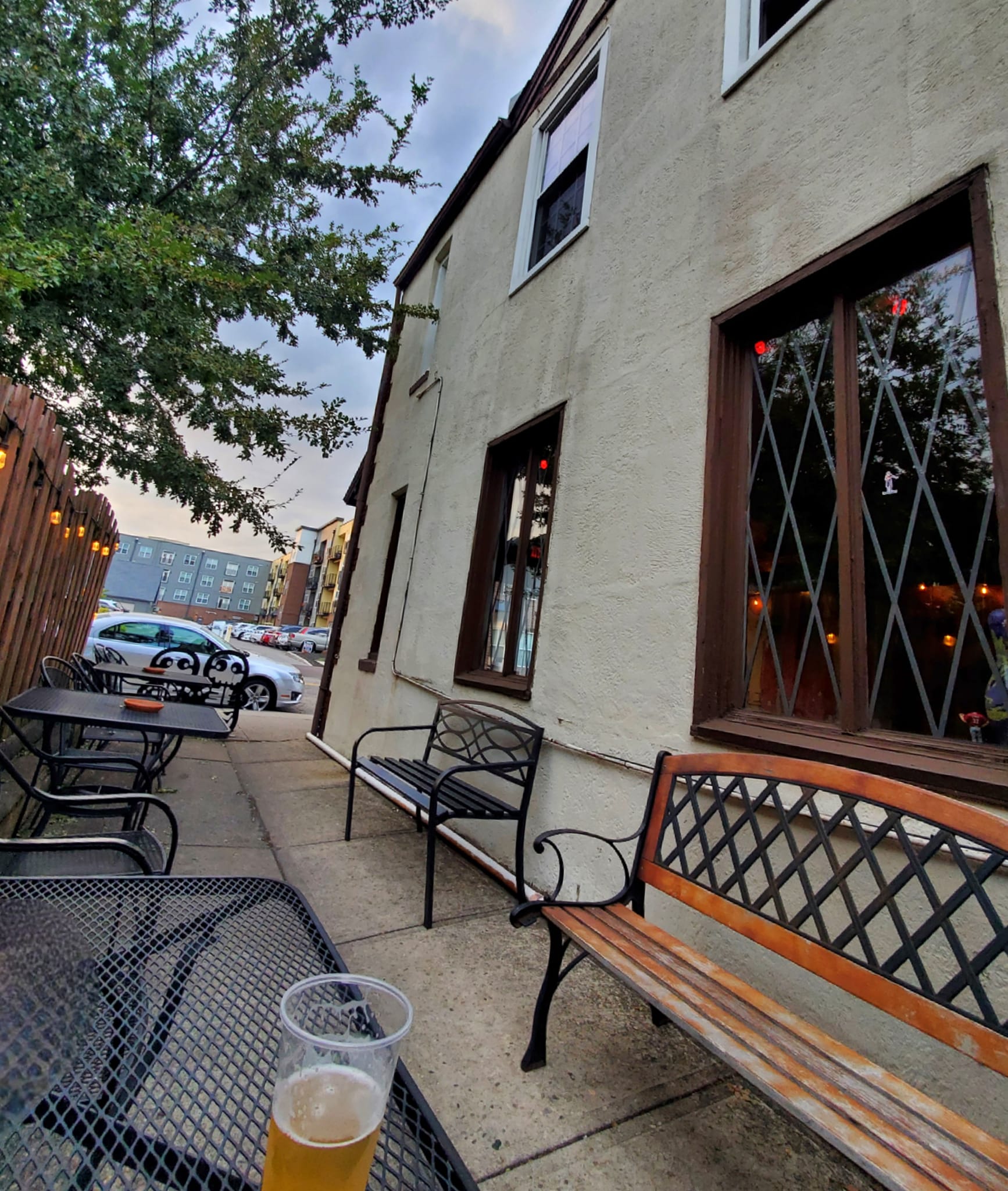
I have sat outside in the breezeway/patio along the side of the building during both of my visits. It is super chill, and I would definitely spend more time there if I was a local.
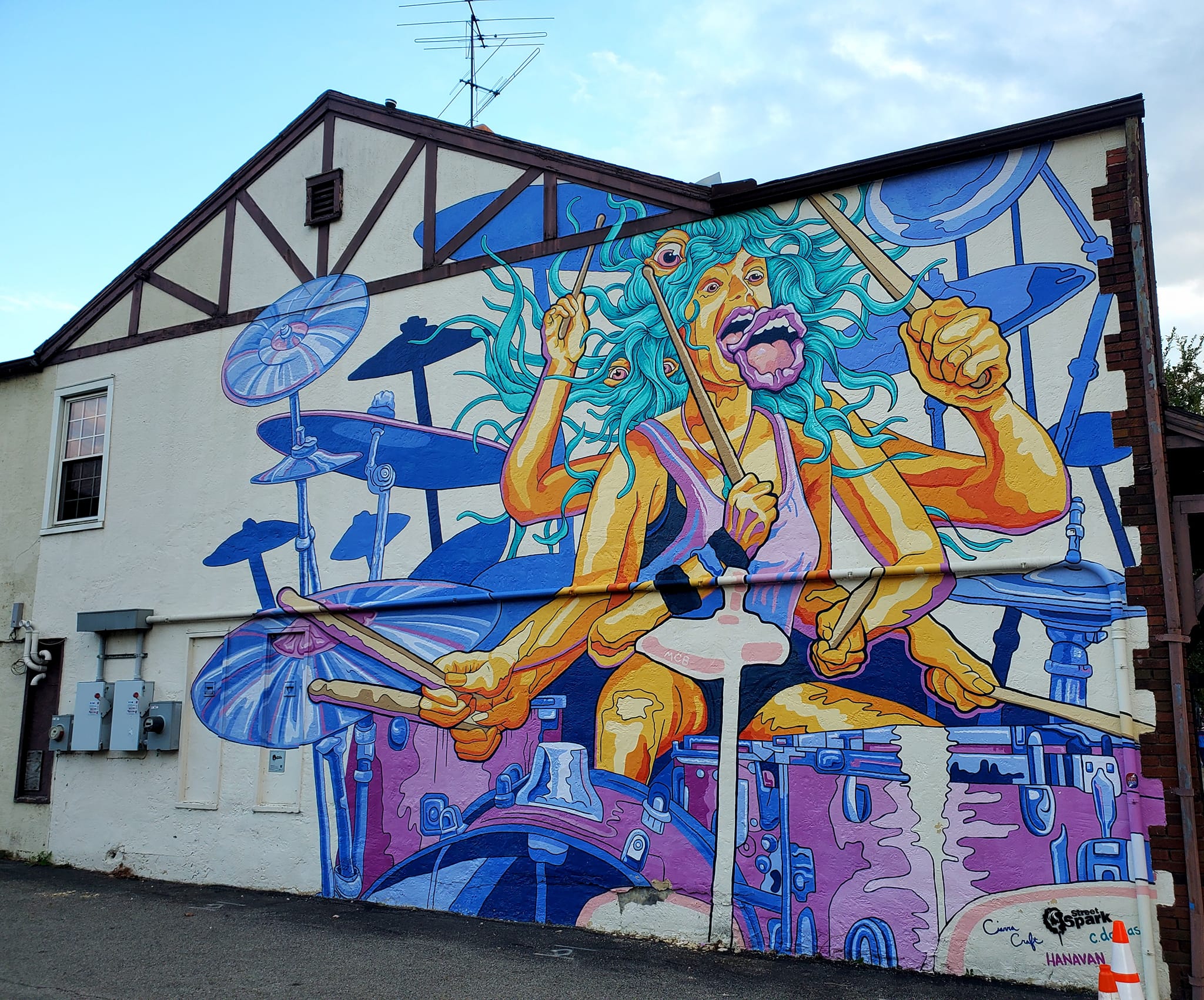
What first drew me there was the Golden Ethos mural by Christian Dallas on its exterior. How rad is this?
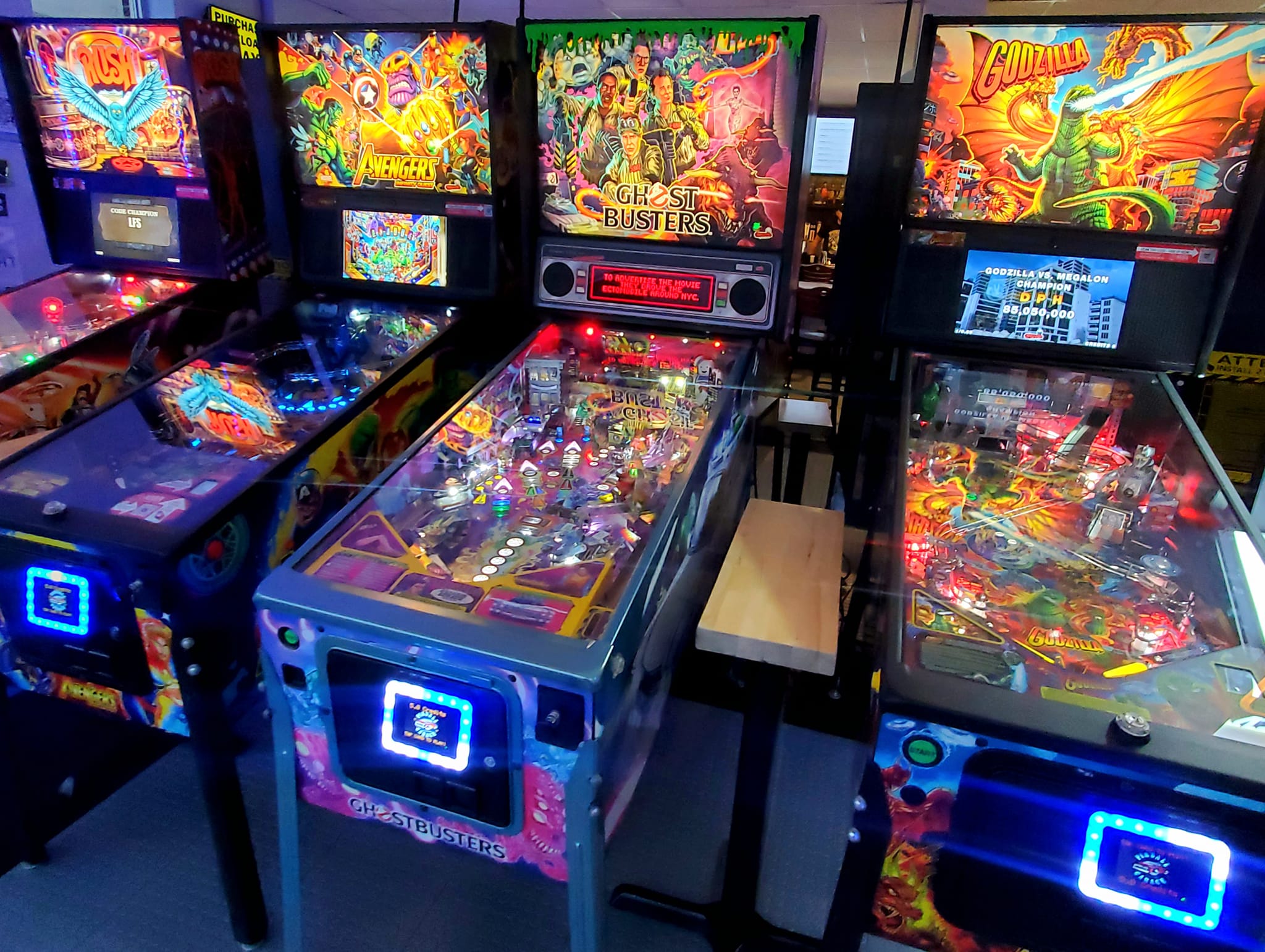
Pinball Garage is a laidback barcade with tasty drinks and a wide selection of about 40 pinball machines.

On weekend nights you can catch a food truck outside, usually the owner’s brisket truck with his famous barbecue.
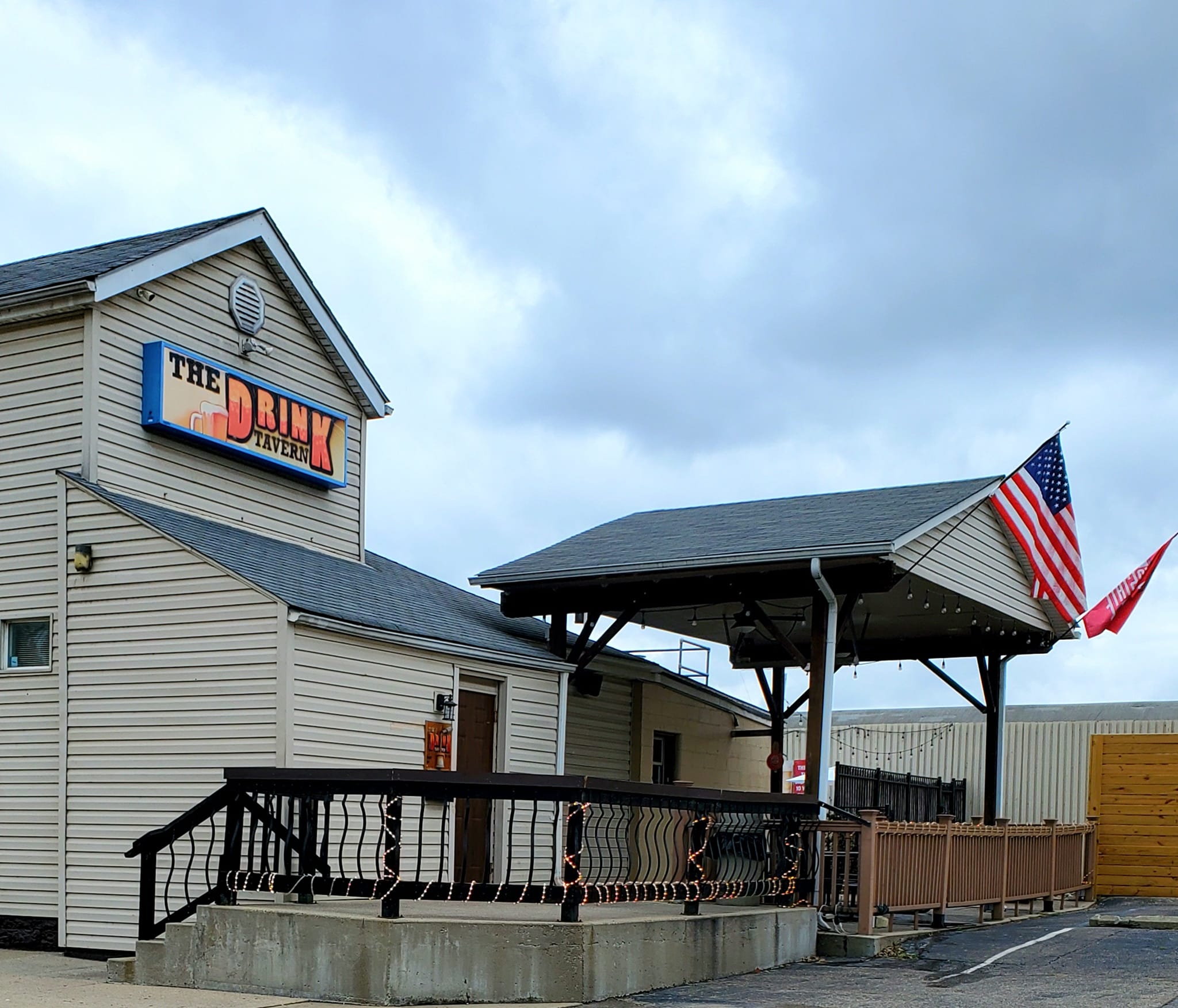
The Drink Tavern and the Village Inn are two other neighbourhood favourites but I have not personally been in.

Neal’s Famous BBQ, All8UP Pizza, Andiamo Artisan Bakery are all very enticing, but have been closed or closed off due to festivals when I have made attempts to visit. I will keep trying!
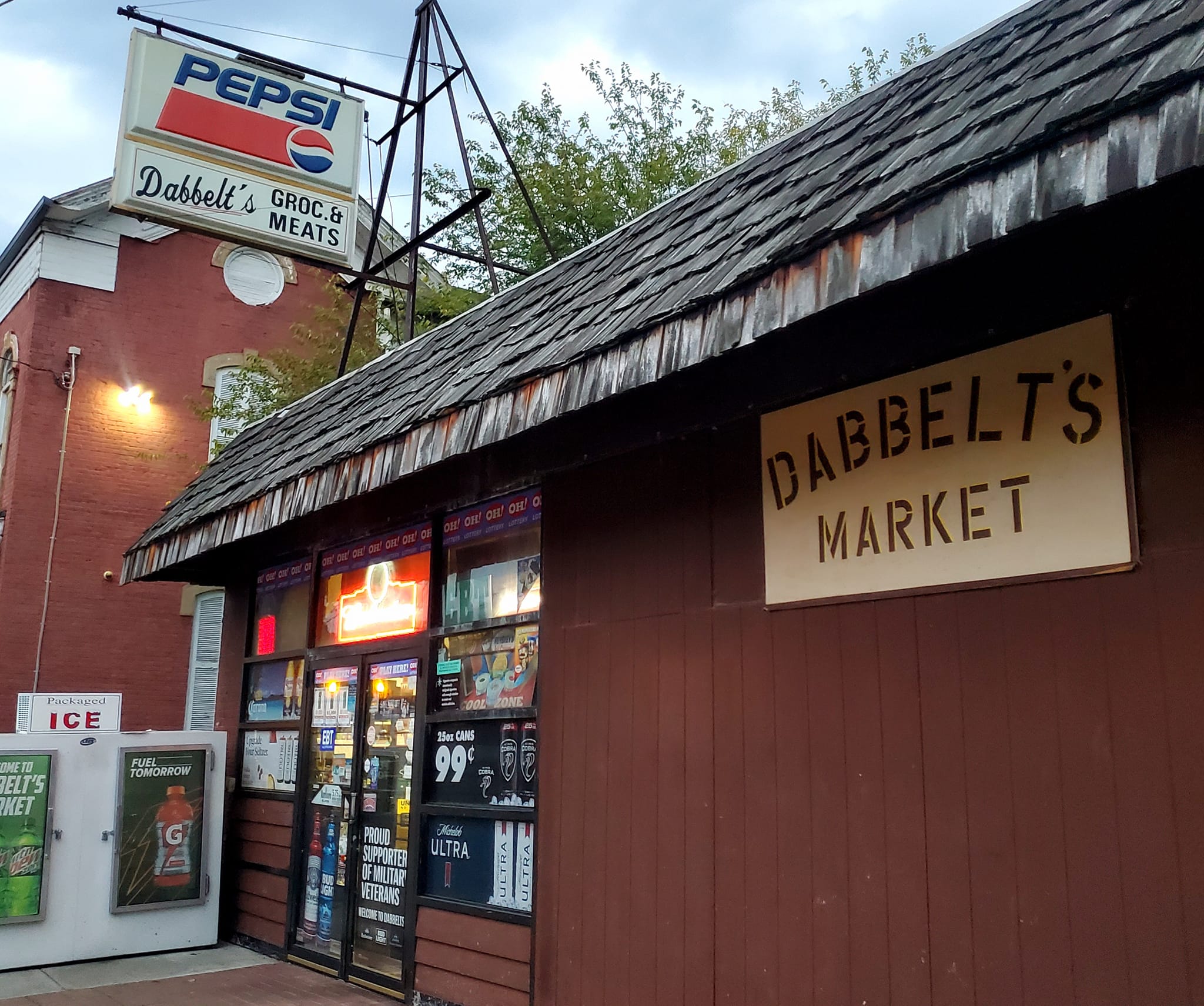
Dabbelt’s (no website) is a convenience store and deli, and I have popped in a few times now to grab a brown bag and a snack or two at night when most other places have closed.
Monkey Mutual Aid Society is a private social club, and the second oldest establishment in Hamilton that is still in operation It began in 1901 and they have been located in German Village since 1953.
Game Knight was another unique social setting in German Village but it has been permanently closed. I really like this building and the windows are still packed with decor and memorabilia.

On the other side of RiversEdge Marcum Park, there is a strip of restaurants that include Tano Bistro, Mirchi Indian, Basil 1791, and a few others on the bottom level of stacked residential units. I plan to return again soon and check out these places because the sights and smells along this street are incredible.

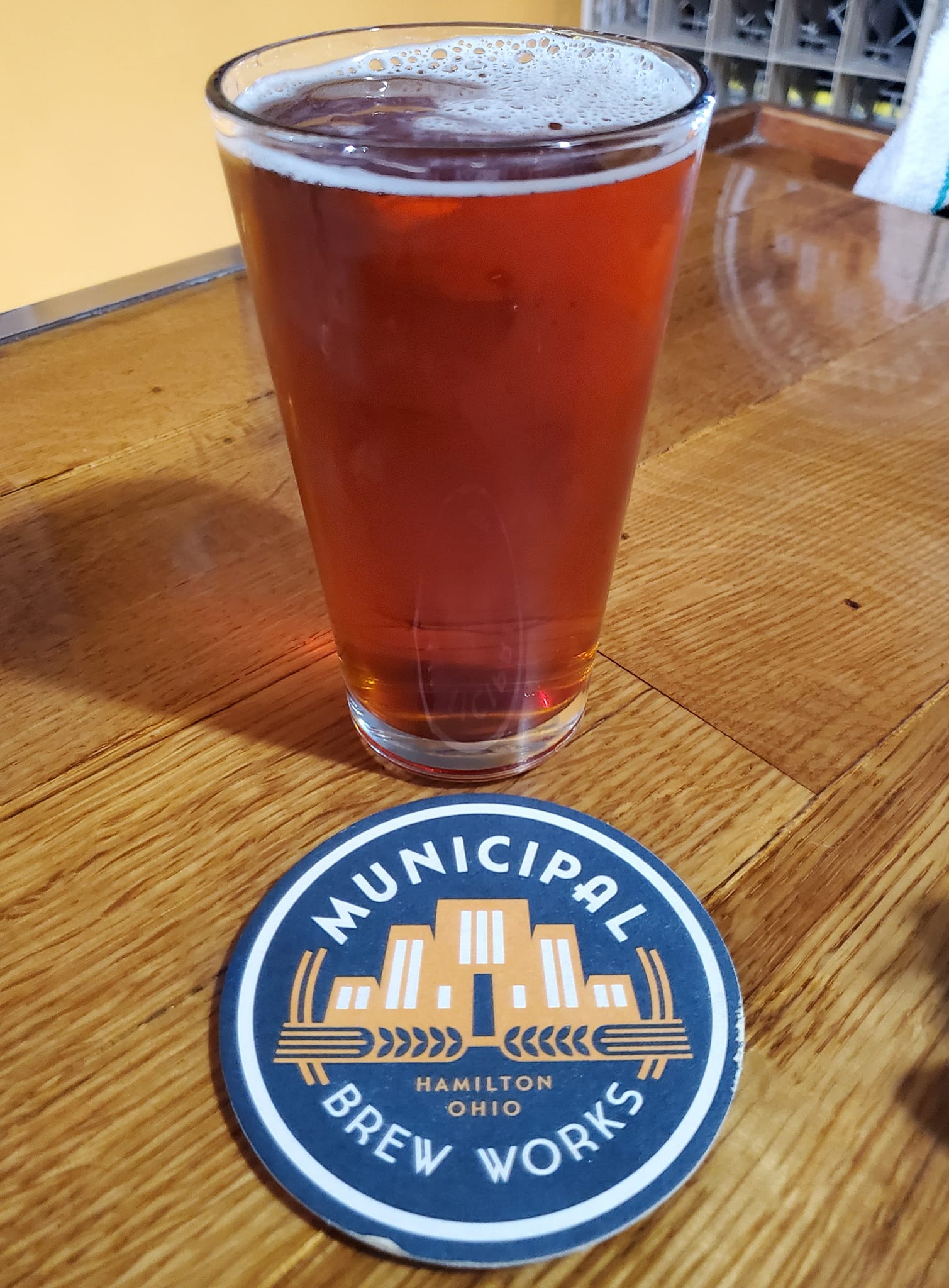
Municipal Brew Works is at the far end, right by High Street.

I really enjoy the Municipal Brew Works building, one of many skyscraping marble or granite style works of art in Hamilton. They have a small indoor space but the real fun is sitting outside and watching the rest of downtown swirl by.
SHOPS
German Village may be small, but it has several interesting shops in addition to its salons, insurance agencies, and other residential services.

3rd Street Music and Grit Revival Clothing/Wildfire Home boutique are the most popular, from what I have seen.
The Hamilton Parks Conservancy is also located in German Village.
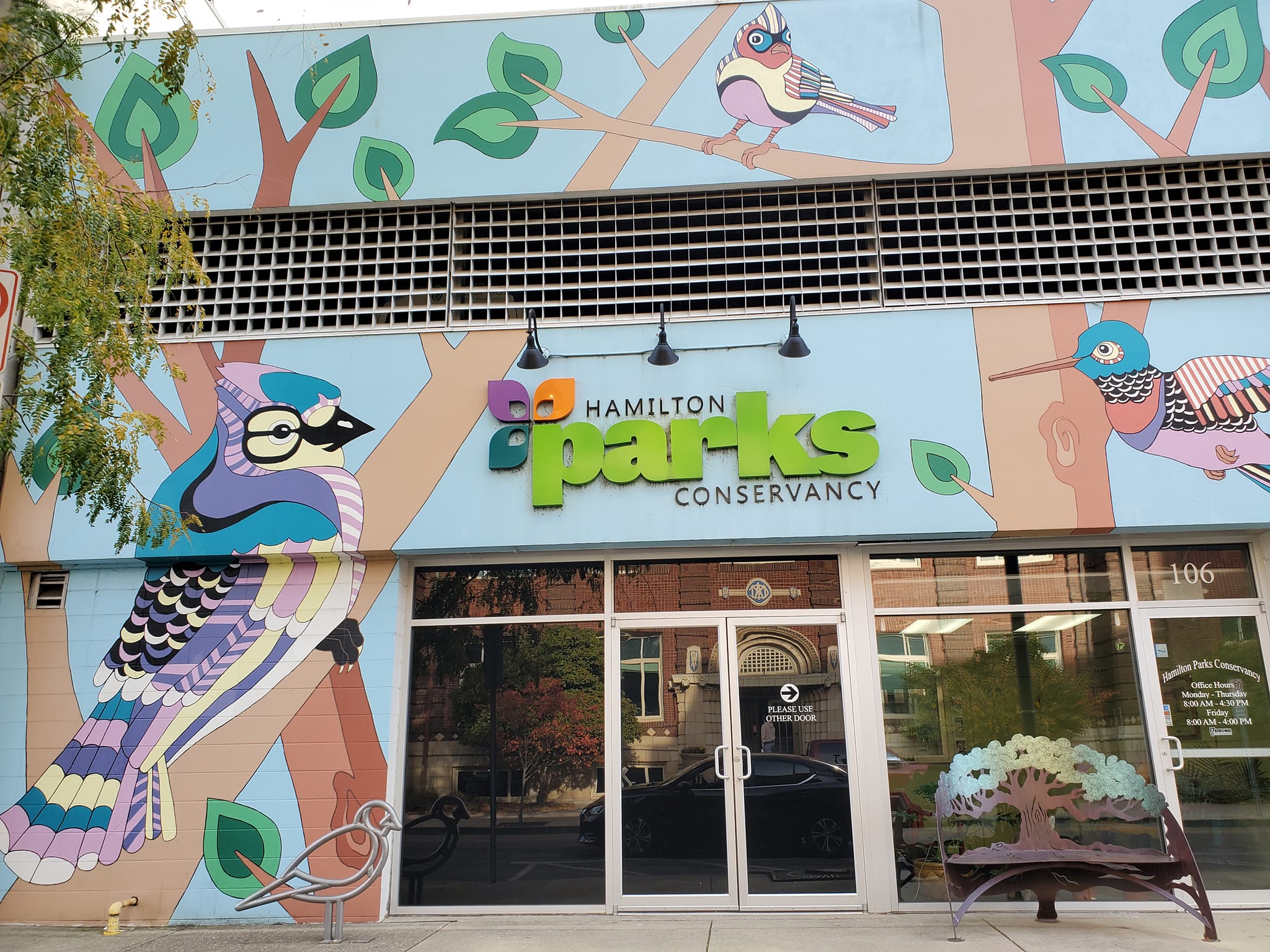
You can not miss the Hamilton Fire Mural, designed and directed by Jen Eickelberger, a local and the wife of a third-generation fire fighter. Its vibrant hue really livens up the neighbourhood.

The southern border of the German Village meets Hamilton’s Central Business District. When the city has events downtown on High Street and everything is blocked off, find a spot at the library or in an empty business parking lot is typically a safe bet unless posted otherwise.
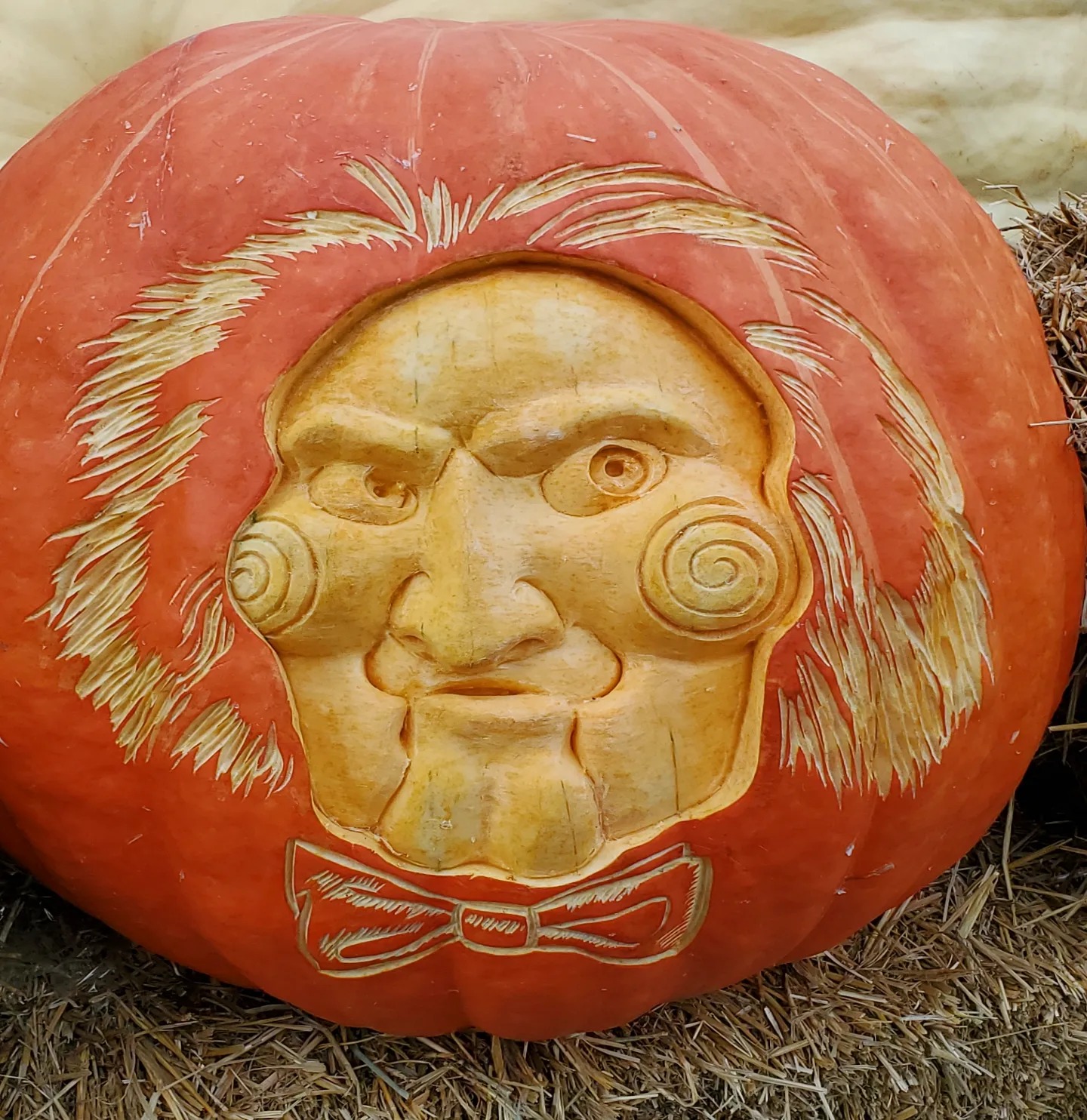
Last time I was there it was during Hamilton’s Operation Pumpkin Festival. I parked at the library and walked two blocks to High Street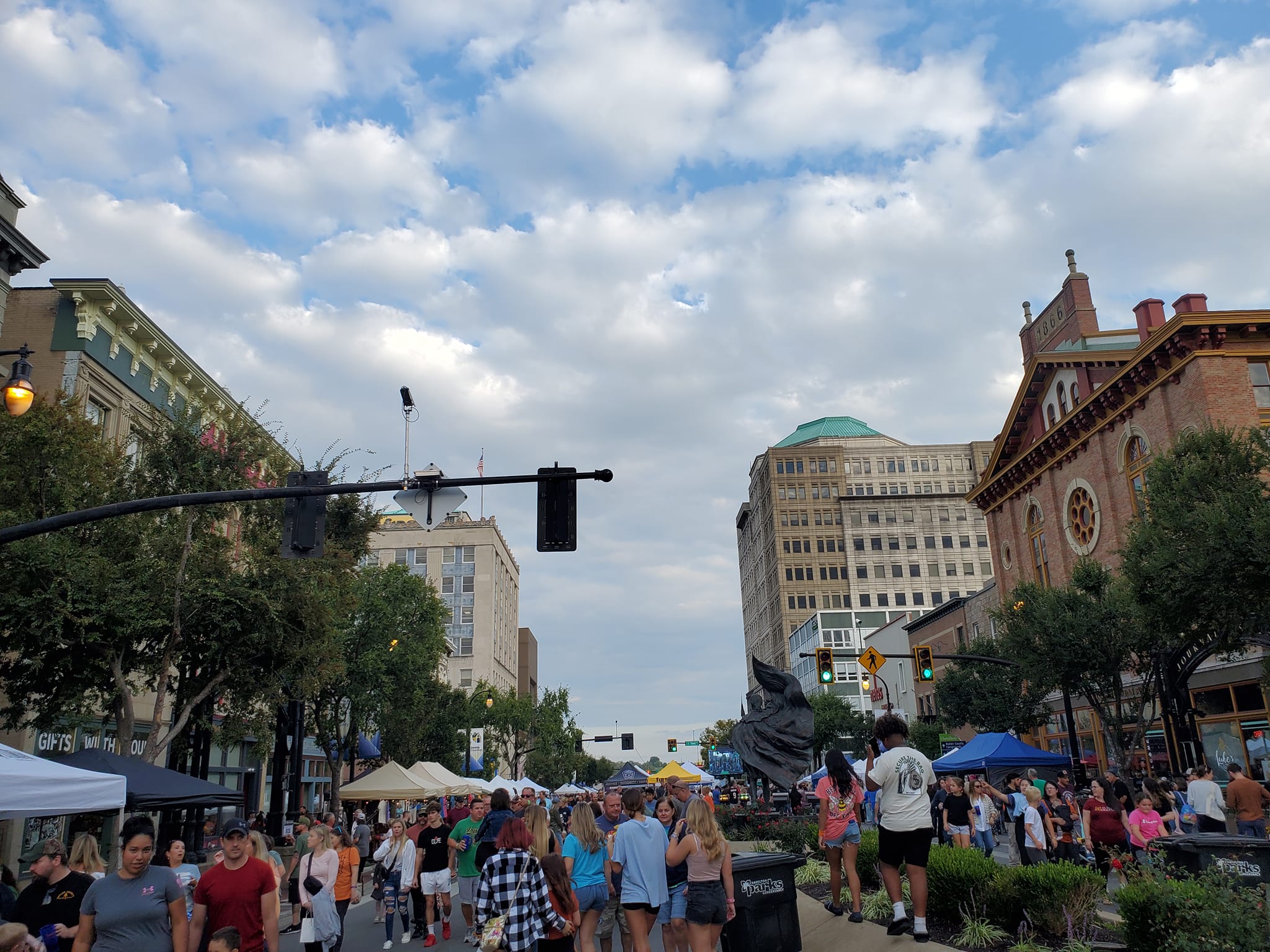
Operation Pumpkin started in 2011 and is one of the most highly anticipated events in the city of Hamilton each October.

It is heavily focused on pumpkins, pumpkin weigh-in competitions, carved pumpkin art contests, pumpkin carving activities, pumpkin themed foods and crafts.
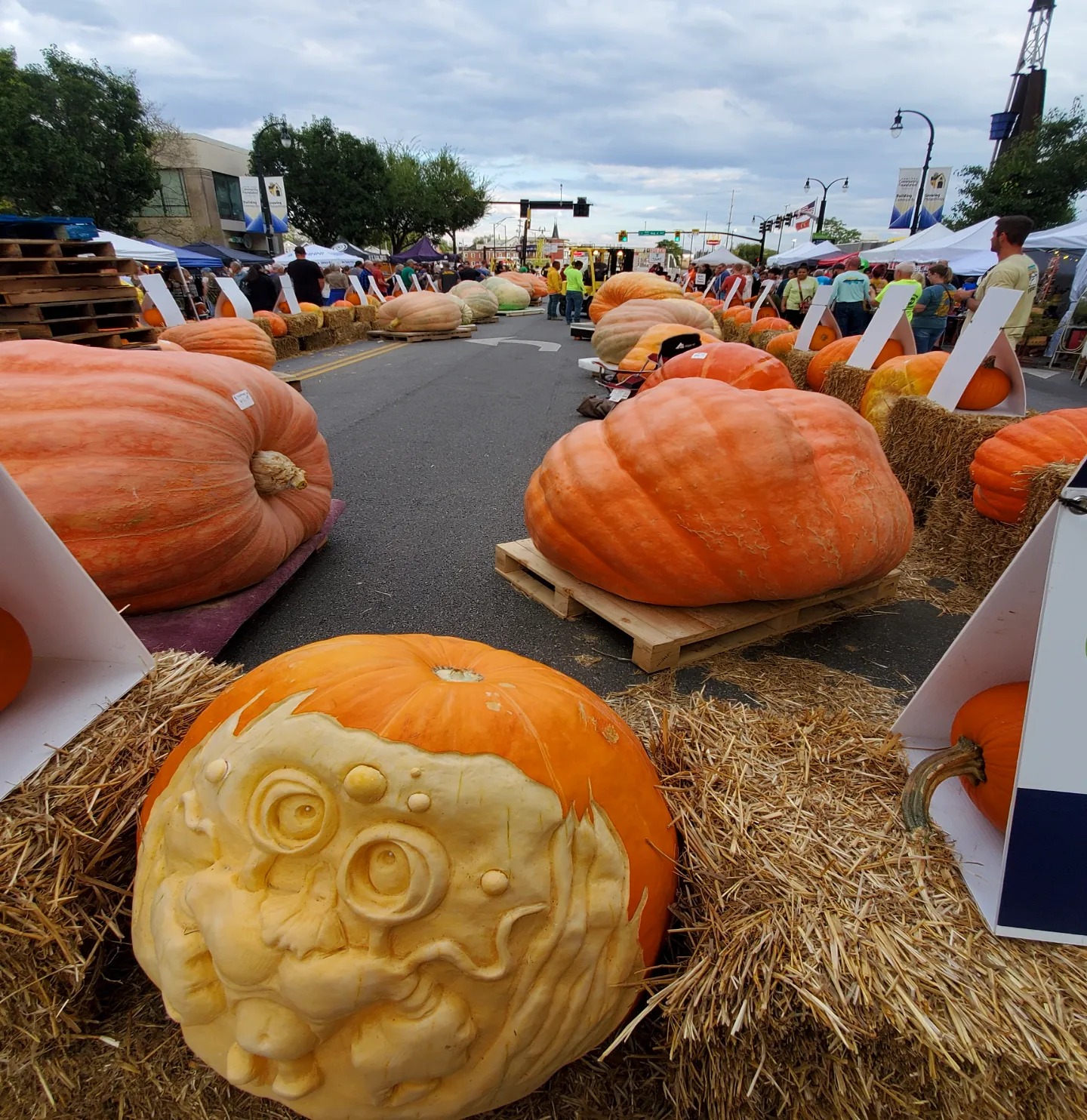
This is some high quality, Grade A Midwestern content right here folks. I do not regret one second of it.

Aside from Operation Pumpkin, the most famous annual events held in the German Village are the World’s Largest Ghost Hunt each September, Oktoberfest, the German Village Christmas Walk, and the Hamilton Christkindlmarkt in the weeks leading up to Christmas.

Truth be told, I was thrown for a loop when I first visited Hamilton.
I thought it was a small town I could saunter through and see all the sights in an hour or two before moving on, but after half a day there I realized I had not even made it to Rossville, Hamilton’s coolest neighbourhood. I quickly planned a trip just to spend the weekend in Hamilton, and look forward to returning.

In the area for a while? Check out downtown Hamilton’s Riverfront, Dayton Lane Historic District, and the Rossville Historic District!
********************
© Copyright Fernwehtun, 2015- Current. Unauthorized use and/or duplication of this material without express and written permission from this site’s author and/or owner is strictly prohibited. Excerpts and links may be used, provided that full and clear credit is given to Fernwehtun and Fernwehtun.com with appropriate and specific direction to the original content.


 Fernweh, An Ache for Distant Places
Leave a comment