

ABINGDON is a small Appalachian mountain town in Virginia with around eight thousand residents. It is just minutes from the city of Bristol which famously straddles both sides of the Virginia/Tennessee state line, and it is part of the Tri-Cities Region anchored by Bristol, Kingsport, and Johnson City.
This land was originally home to the Chisca, Xualae, Powhatan, and other Native American tribes until the Overhill Cherokee took over in the late 1600s.
In 1748, the Loyal Land Company began surveying this area and Colonel William Byrd III commanded a major trail to be cleared toward Kingsport, naming this area the Wolf Hills Tract. Then, as we know, the Indian Removal Act of 1830 drove out all the Natives.

For many years, this new settlement had gone by the name Black’s Fort before being officially founded as Abingdon in 1778.
James White, founder of Knoxville, TN where we currently live, owned the house right next to the Abingdon Courthouse and you can still see the home today.

While we are on the topic, another notorious figure with ties to Abingdon is Richard Lynch Garner, the ground-breaking primatologist who pioneered the use of playback devices to learn about primate languages, especially of chimpanzees and gorillas. He was born in Abingdon, served in the Civil War, attended courses to become a school teacher, then taught for over a decade.
Garner was drawn to Charles Darwin and his theory of evolution by natural selection, co-created with Arthur Russell Wallace, and also the subject of Darwin’s book Origin of Species. This interest eventually led him to leave his teaching position and pursue a path as a scientist.
Garner published many articles and books about his findings on primate language. He was described as a bit of an eccentric, claiming he could speak the language of chimps and teach them to speak and understand English.
He wrote about the “Simian Tongue” (language) of primates and claimed it was the origin of human speech. Garner also traveled with his pet chimpanzee named Suzie.
While more recent scientific research has found error in much of Garner’s work, he is still credited for introducing the core concept and theories that led future researchers into more accurate studies.
Author Jeremy Rich has written a book about Garner’s curious life titled Missing Links: The African and American Worlds of R. L. Garner, Primate Collector if you would like to learn more.

ALL ROADS LEAD THROUGH ABINGDON
A theme of Abingdon’s history it to reference the significant travel routes that shape it.
THE GREAT ROAD was a local route through Abingdon that was used to deliver postal mail and supplies to the town. Great Road is now the modern-day Interstate 81. Various sources use “Great Road” interchangeably with Great Wagon Road but my understanding is that “Great Road” was just the local name for this segment of the Great Wagon Road.
GREAT WAGON ROAD (aka Philadelphia Wagon Road and sometimes Great Valley Road) connected the British colonies of Pennsylvania down to Roanoke, VA, and it was the primary route for early settlers traveling from the colonies into the Southern states.
Many of these early Appalachian settlers were newly immigrated Scottish and Irish folks, as well as Germans that were incorrectly named the “Pennsylvania Dutch,” the Quakers, and the Moravians.
WILDERNESS ROAD branched off of Great Wagon Road starting in Roanoke, VA and lead south into Savannah, Georgia.
Here is a map shared from LegendsofAmerica.com:

ShenandodahValley.org refers to its local Route 11 as being called Great Valley Road and Wilderness Road, stretching from Tennessee to West Virginia. In downtown Abingdon, Route 11 overlays Main Street.
Other sources have their own local names for primary routes through the region, and then there is the famous Blue Ridge Parkway which connects Shenandoah National Park to the Great Smoky Mountains National Park in Tennessee and North Carolina.
Suffice to say, these roads all cross Abingdon, and the city remains a major travelers hub today just as it was in America’s early settlement days.

Artist Ellen Elmes painted this enormous 15′ by 45′ mural on the side of the Brandywine Antiques building back in 2014 with the help of her husband and a few cameo artists.
Elmes and her crew researched Abingdon history, collected stories from locals, and led the campaign to crowdsource funding for the mural she titled Celebrate! A Social History of Abingdon, VA.

Elmes could be credited for taking one of the first and most impactful steps toward revitalizing downtown Abingdon and kicking off its Main Street program.

THE CROOKED ROAD
Unlike the historic pioneering roads I just mentioned, The Crooked Road is Virginia’s Heritage Music Trail. It starts in northwest Virginia, travels south to the VA/NC State line, and continues along the state line from the west to east.
Major venues and museums on the trail include the Ralph Stanley Museum in Clintwood, Country Cabin in Norton, Birthplace of Country Music Museum in Bristol, and the Southwest Virginia Cultural Center & Marketplace in Abingdon.
The Crooked Road also includes Rex Theatre, Galax Old Fiddler’s Convention, and Blue Ridge Music Center in Galax, as well as Floyd Country Store in Floyd and Blue Ridge Institute & Museum at Ferrum College in Ferrum.
We really enjoyed our visit to the Birthplace of Country Museum Museum in Bristol and the Crooked Road exhibit at Southwest Virginia Cultural Center & Marketplace, seen below.

HISTORIC SITES
In addition to historic routes, Abingdon has dozens of historic homes, buildings, battlegrounds, and other places where you can dig into its past like the Muster Grounds, Black’s Fort, and Sinking Spring Cemetery.

MUSTER GROUNDS
This grassy field known as the Abingdon Muster Grounds was once home to the Overmountain Men who played a crucial role in staving off invading British armies, and securing the independence of American colonists from British rule.
I picked up a brochure that tells the story of 400+ colonists forming a militia in 1780 to defend themselves against the invading British Army, calling themselves the Overmountain Men. They set up camp at what is now called the Muster Grounds, soon joined by several hundred additional men who wanted to fight.

Overmountain Men successfully captured and/or killed the entire British unit, and the Battle of Kings Mountain is credited for “the beginning of a successful end to the (American) Revolution.”
The 330-mile Overmountain Victory National Historic Trail by National Park Service begins on this site and follows the paths of soldiers to Kings Mountain in South Carolina and beyond.

Be sure to tour the exhibits at the National Park Service’s Keller Interpretive Center to learn more about the battle for independence and significant local events.
The living history museum collection will show visitors what life was life in the 1780s, not just for soldiers, but for women, African Americans, and Native Americans.
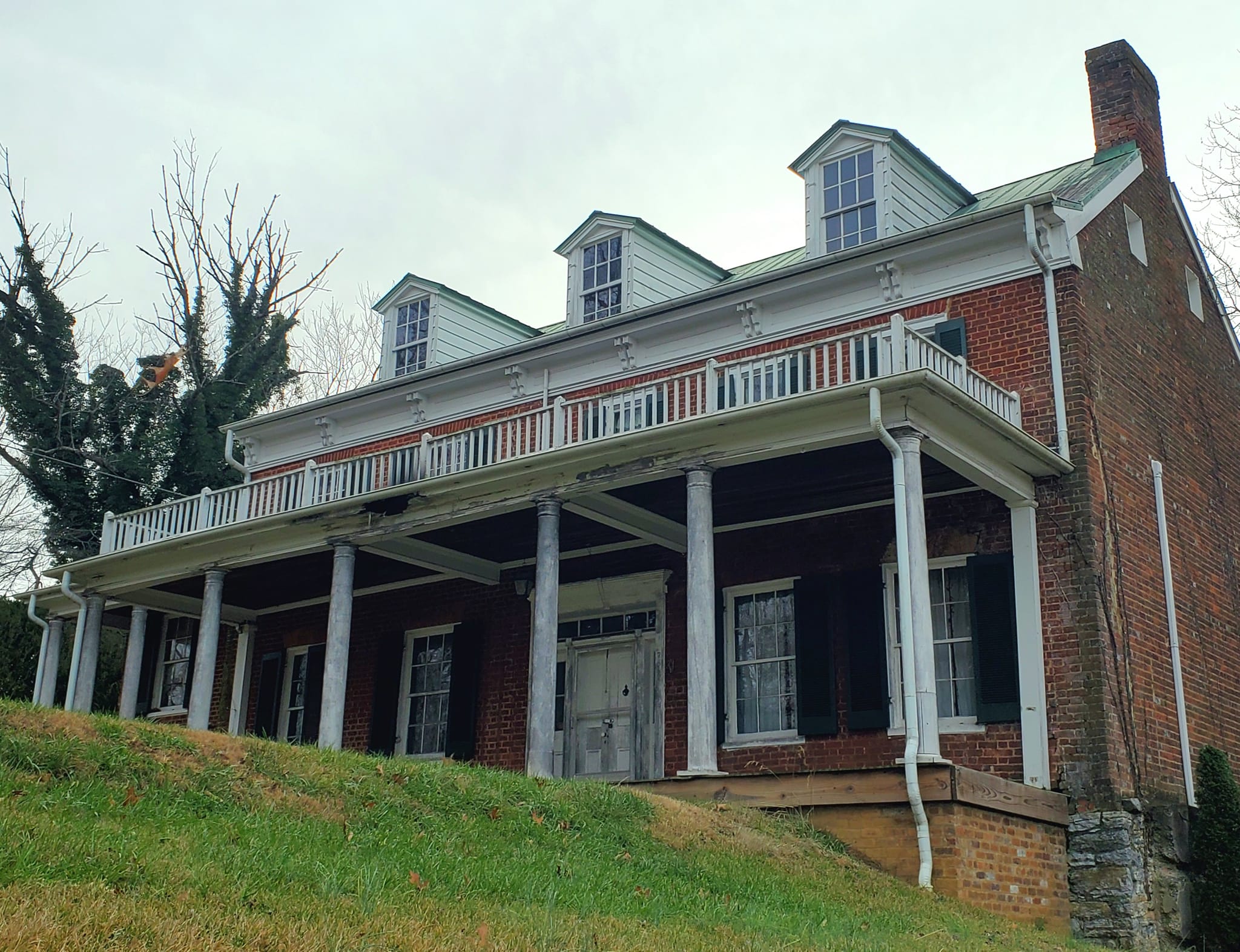
SINKING SPRING CEMETERY
One of the sites you will pass following the Overmountain Victory National Historic Trail is Sinking Spring Cemetery, where many Revolutionary War, War of 1812, and Civil War soldiers are buried.
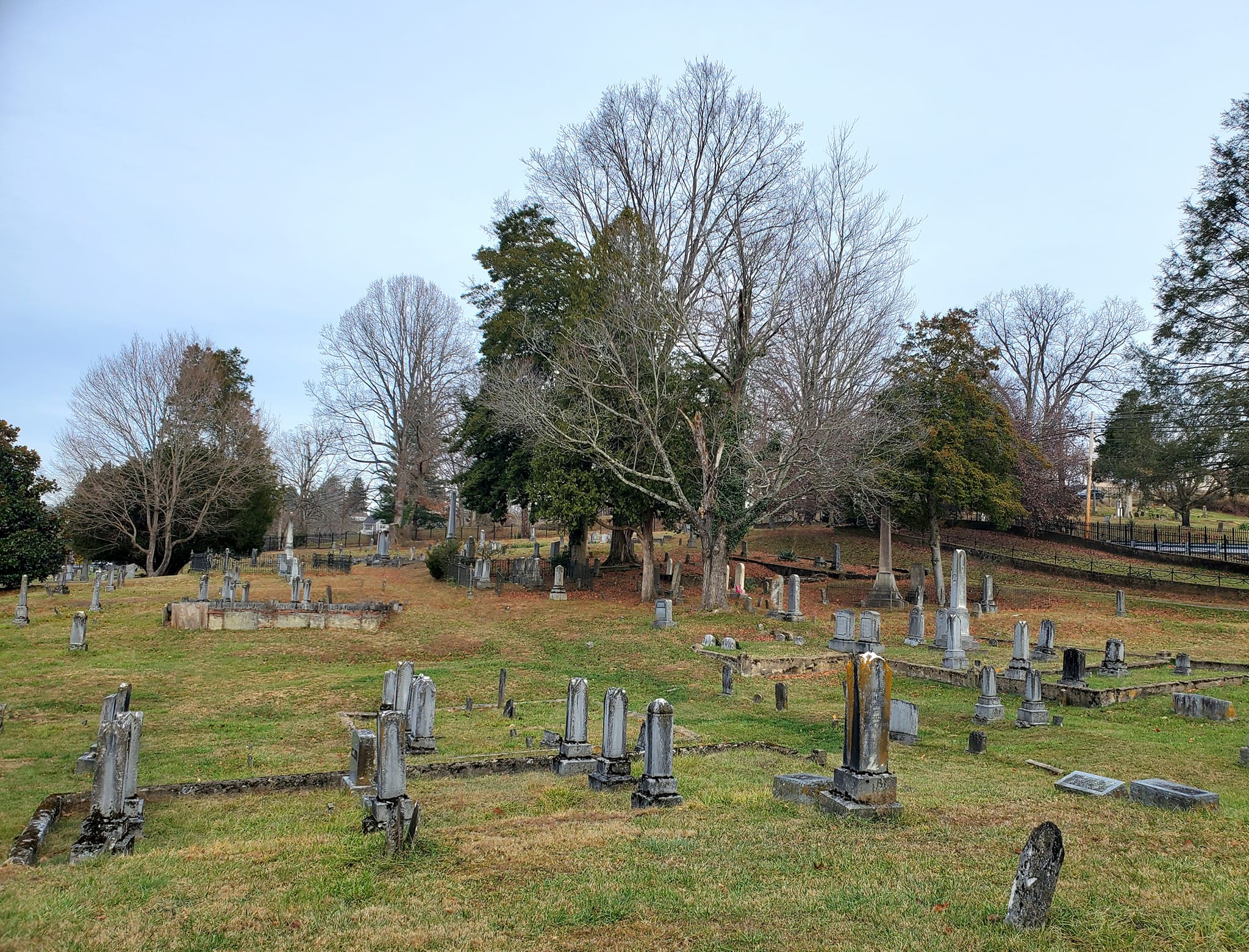
Its most famous grave is that of Confederate General John Hunt Morgan, but there are a few former Virginia Congressman buried there also. The oldest grave dates back to 1776 and countless ghost stories have been circulating the cemetery for well over two centuries.

BLACK’S FORT
In 1774, Black’s Fort was built to defend white settlers from the Overhill Cherokee after stealing the Cherokee’s land, and again during the American Revolutionary War when the Cherokee allied with the British against the settlers.
After the war, Joseph Black and other landowners donated 120 acres to the founding of Abingdon.
You can view this historical marker on the perimeter of Black Fort Inn.

THE TAVERN
The oldest building still standing in Abingdon was first a stagecoach stop, an inn for travelers, and a tavern for all.
This 1779 building was also the first post office west of the Blue Ridge and it served as a hospital for all wounded soldiers during the Civil War.

Today The Tavern serves delicious food and drinks, proudly upholding its status as the Oldest Bar in Virginia.

THE MARTHA
The Martha Washington Inn & Spa is locally known as “The Martha” and was built in 1832 as a private home for a military General and his family of eleven.
My photo of the inn was put to shame by this photo on TheMartha.com so I will share it instead of mine:

Years later it was handed off to become Martha Washington College, having the distinction of being one of only a few colleges for women.

Sadly, the college closed after 70 years but thankfully the site reopened a few years later in 1935 as the Martha Washington Inn.

My favourite feature of the property is the Round Table Library, to the right of the Concierge desk.


BARTER THEATRE
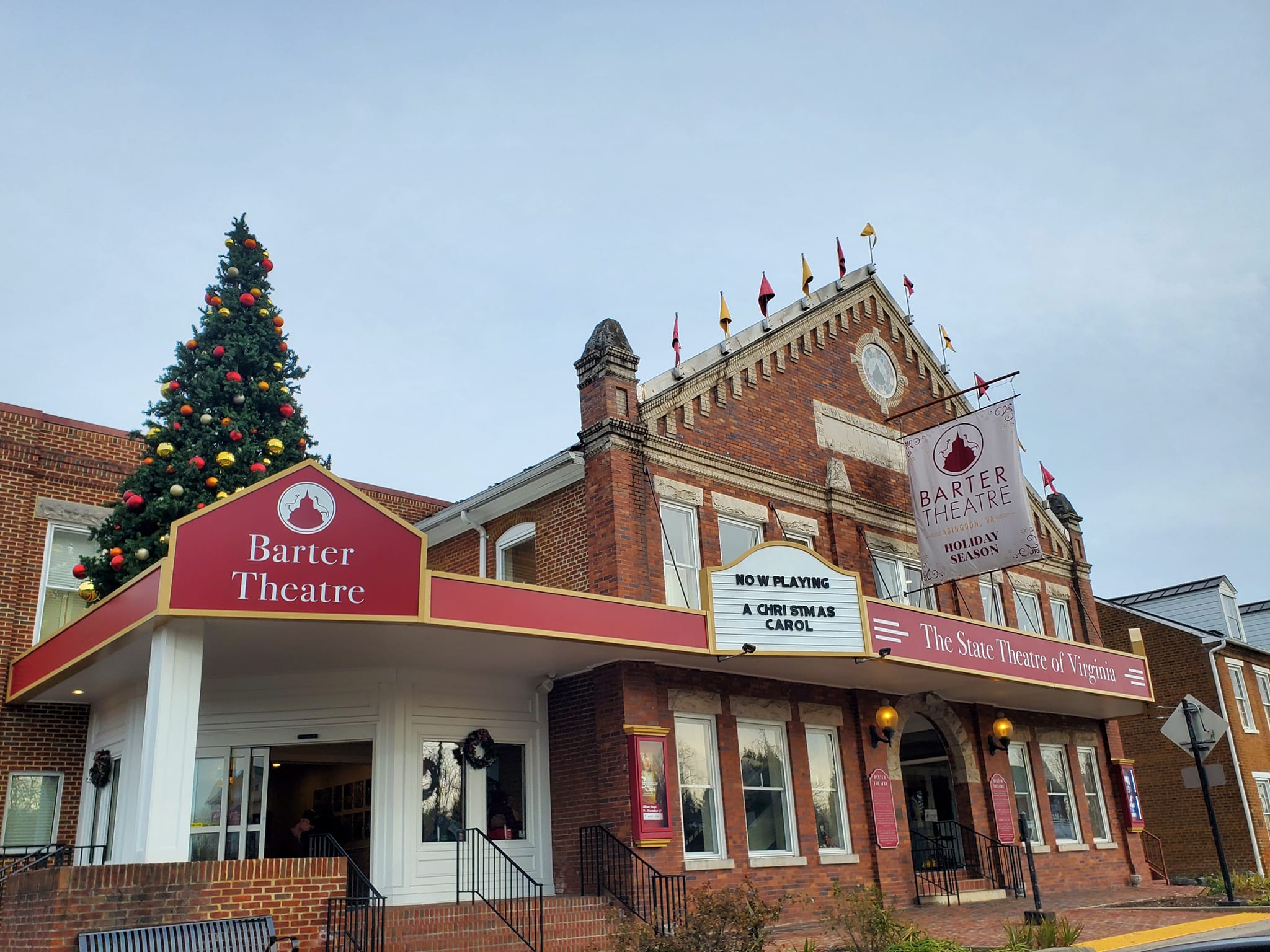
Across the street from The Martha, Barter Theatre is one of Abingdon’s most beloved landmarks. It opened in 1933 and allowed patrons to pay their way in with fresh vegetables if they could not scrape up thirty five cents.
Four out of five people chose that option, which was understandable since the nation was struggling to survive the Great Depression.
Barter Theatre holds title of the longest-running professional Actors’ Equity Association labor union theatres in the United States.
ABINGDON HISTORIC DISTRICT
Abingdon’s 22-square block historic district in downtown Abingdon is known for its brick Federal architecture and has more than 150 contributing structures. The district was added to the National Register of Historic Places in 1970.
Some of the most famous buildings are the Fields-Penn 1860 House Museum, and the 1849 Virginia House (aka Dunn’s Hotel) that served as a courthouse and yet another hospital center during the Civil War.
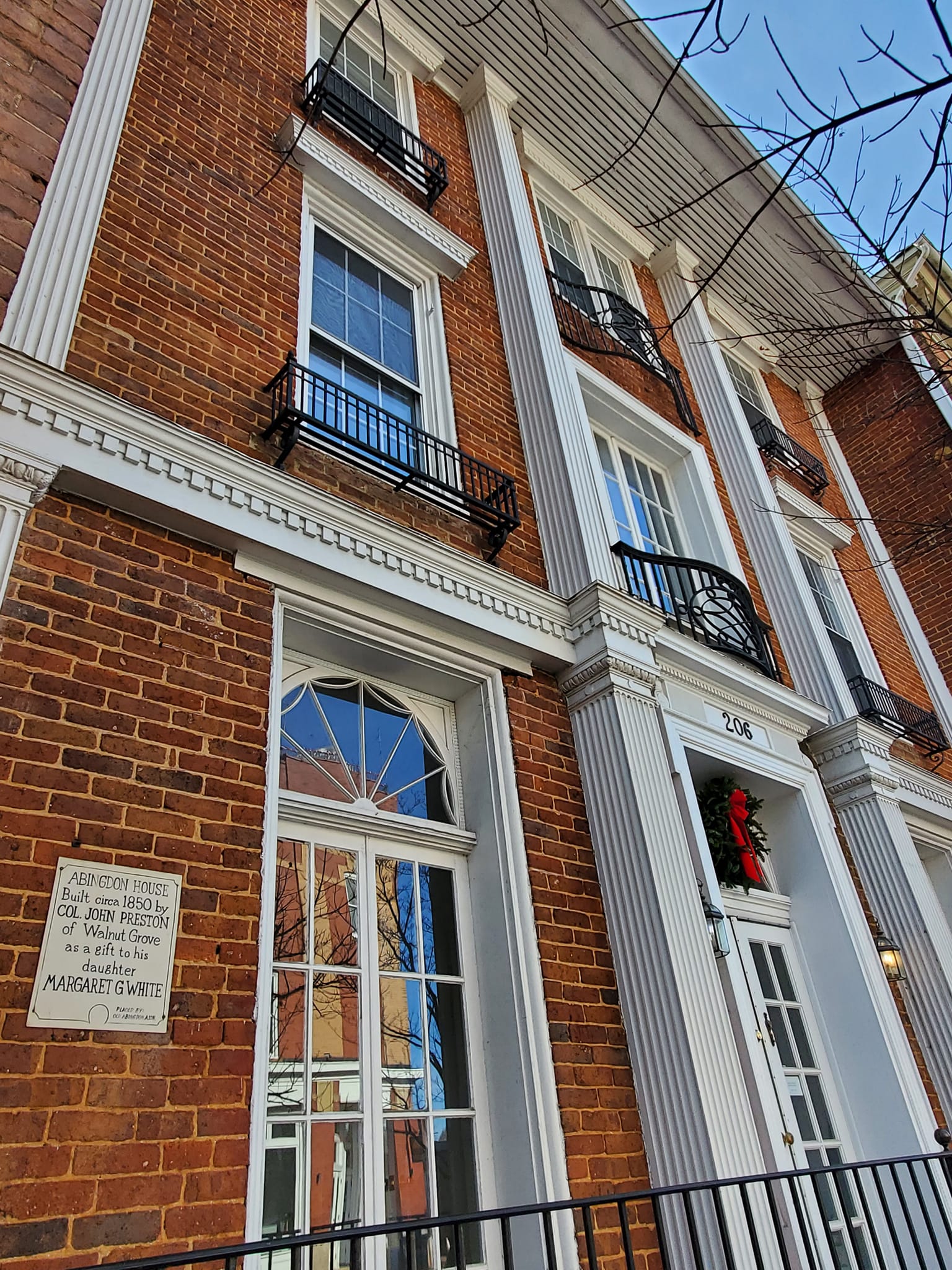
Abingdon House was constructed in 1850 by Colonel John Preston but looks as pristine as if it was a new build.
COURTHOUSE HILL DISTRICT
Abingdon’s Courthouse is the centerpiece of a small segment of Main Street called the Courthouse Hill District.
It was built in 1868 and has some pretty cool neighbours like Wolf Hills Coffee, The Tavern, The Book Cellar, Katbird’s, White Birch, Foresta, and other shops and restaurants.

MARKET DISTRICT & ARTS DISTRICT
Like Courthouse Hill District, the Market District and the Arts District are also small segments of Main Street.
Some travel guides may lead you to think these are all separate and clearly distinguished districts of downtown but you can just walk down Main Street and see it all.
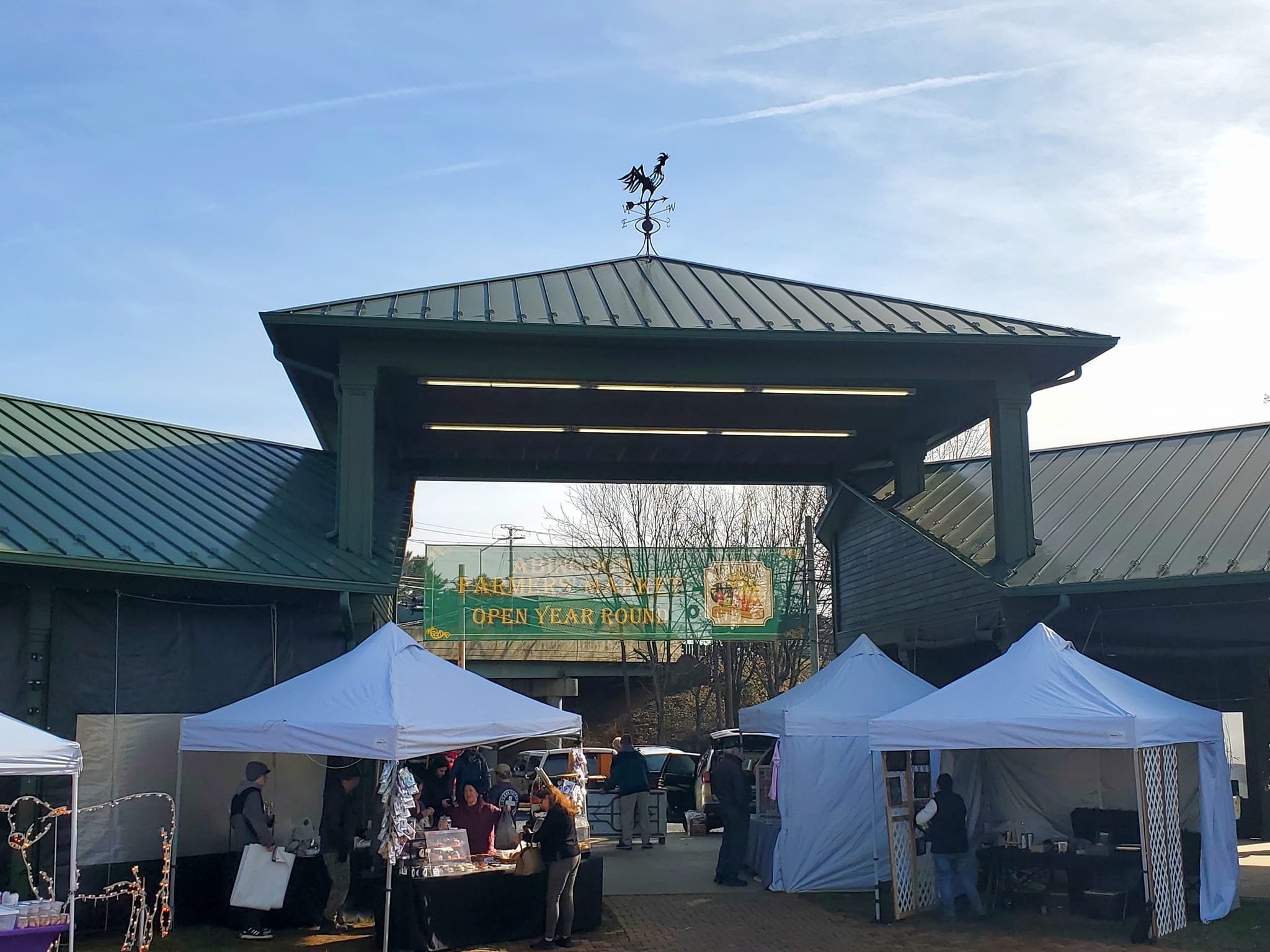
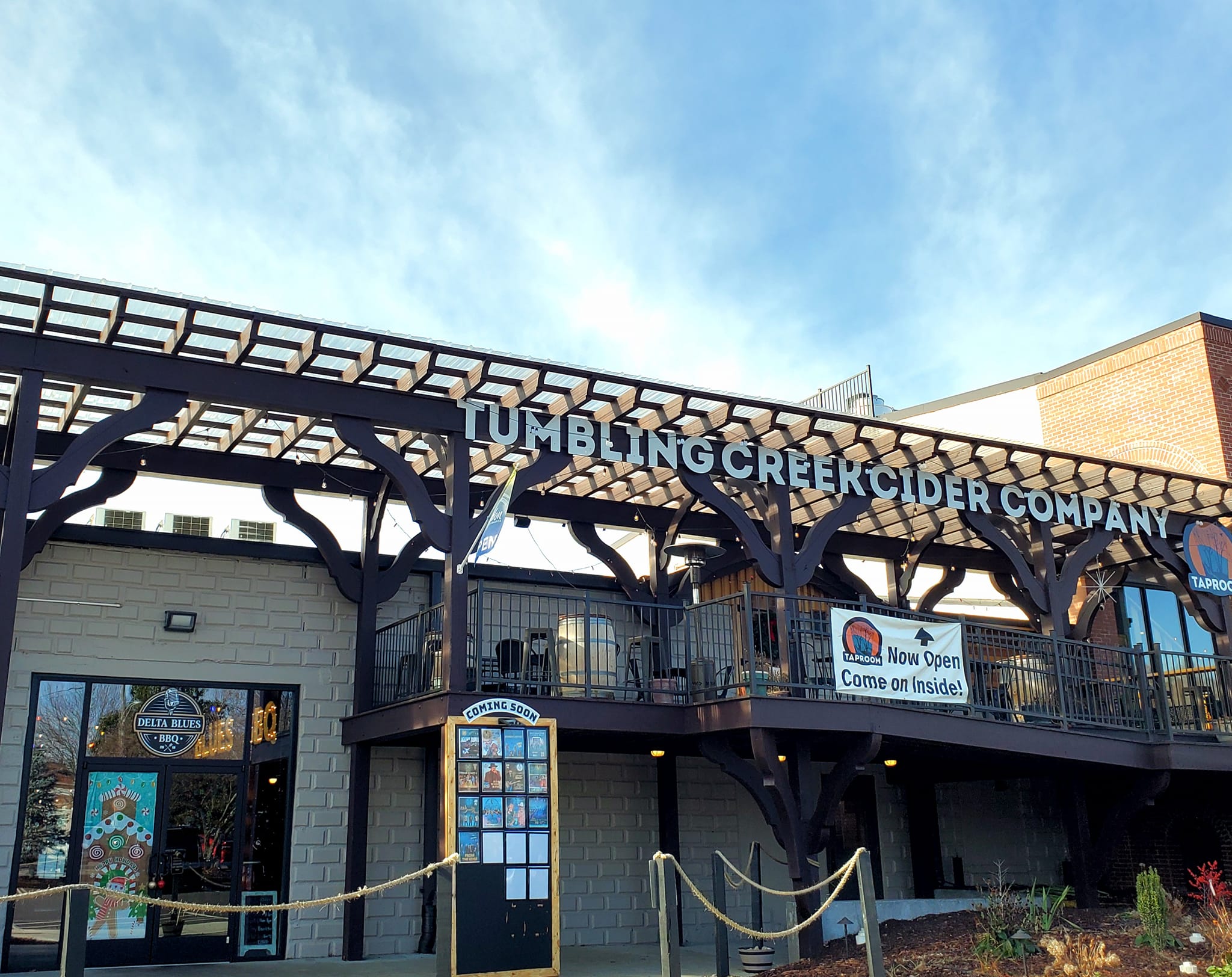
Market District is home to the Abingdon Farmers Market at Market Pavilion, Tumbling Creek Cider Company, Delta Blues, and more.
Just down the street, the Arts District is anchored by the Abingdon Arts Depot, situated in a former 1800s train depot.
It is home to Holston Mountain Artisans, one of the oldest art collectives in the US.

SOUTHWEST VIRGINIA CULTURAL CENTER & MARKETPLACE
Anyone interested in local arts, crafts, and gifts, from fine art to folk designs, should not miss out on the SWVACCM.
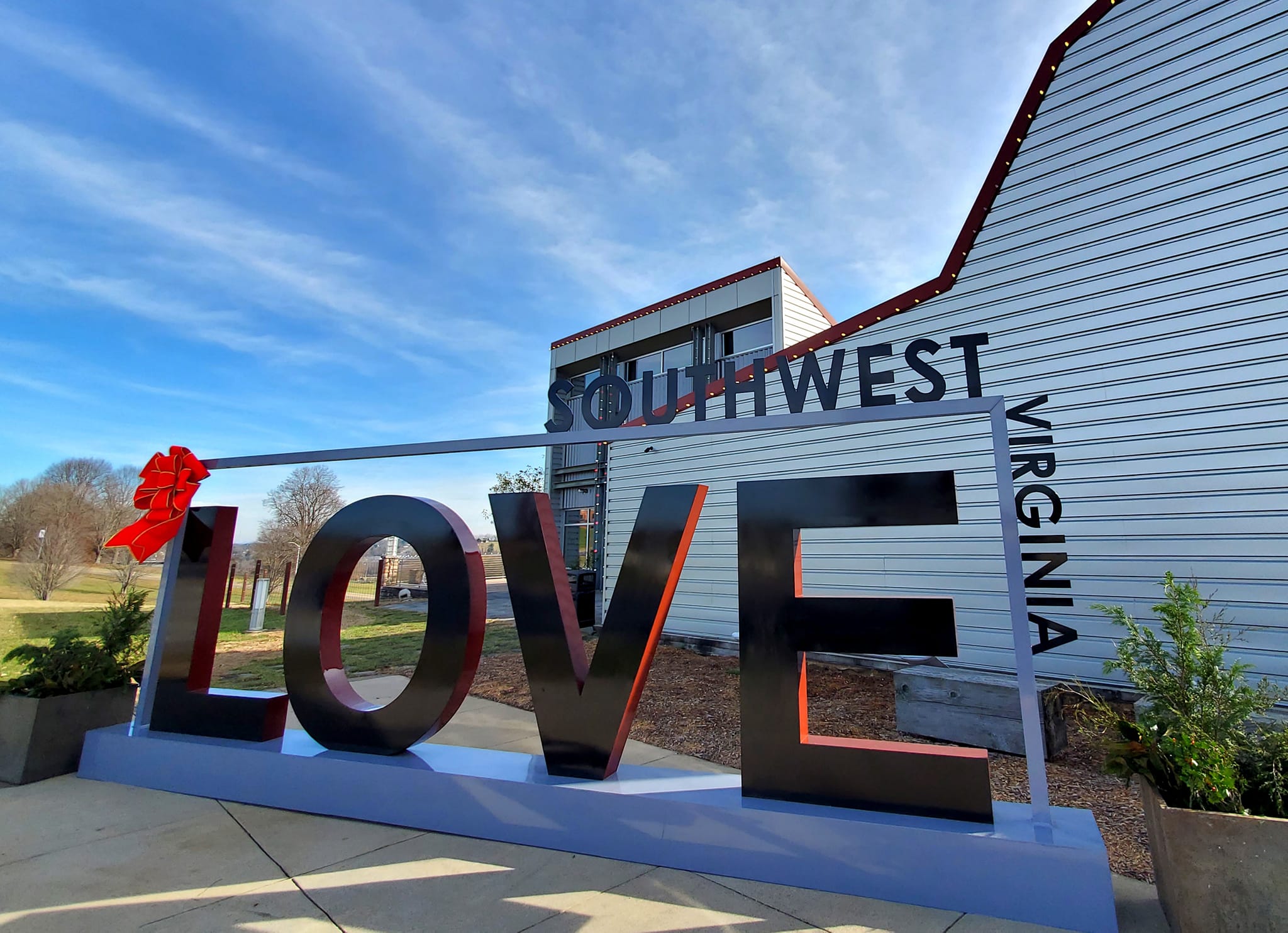
The marketplace showcases an impressive and diverse collection of jewelry, paintings, clothing and textiles, home decor, books, sculpture, and more from Abingdon students and locals.
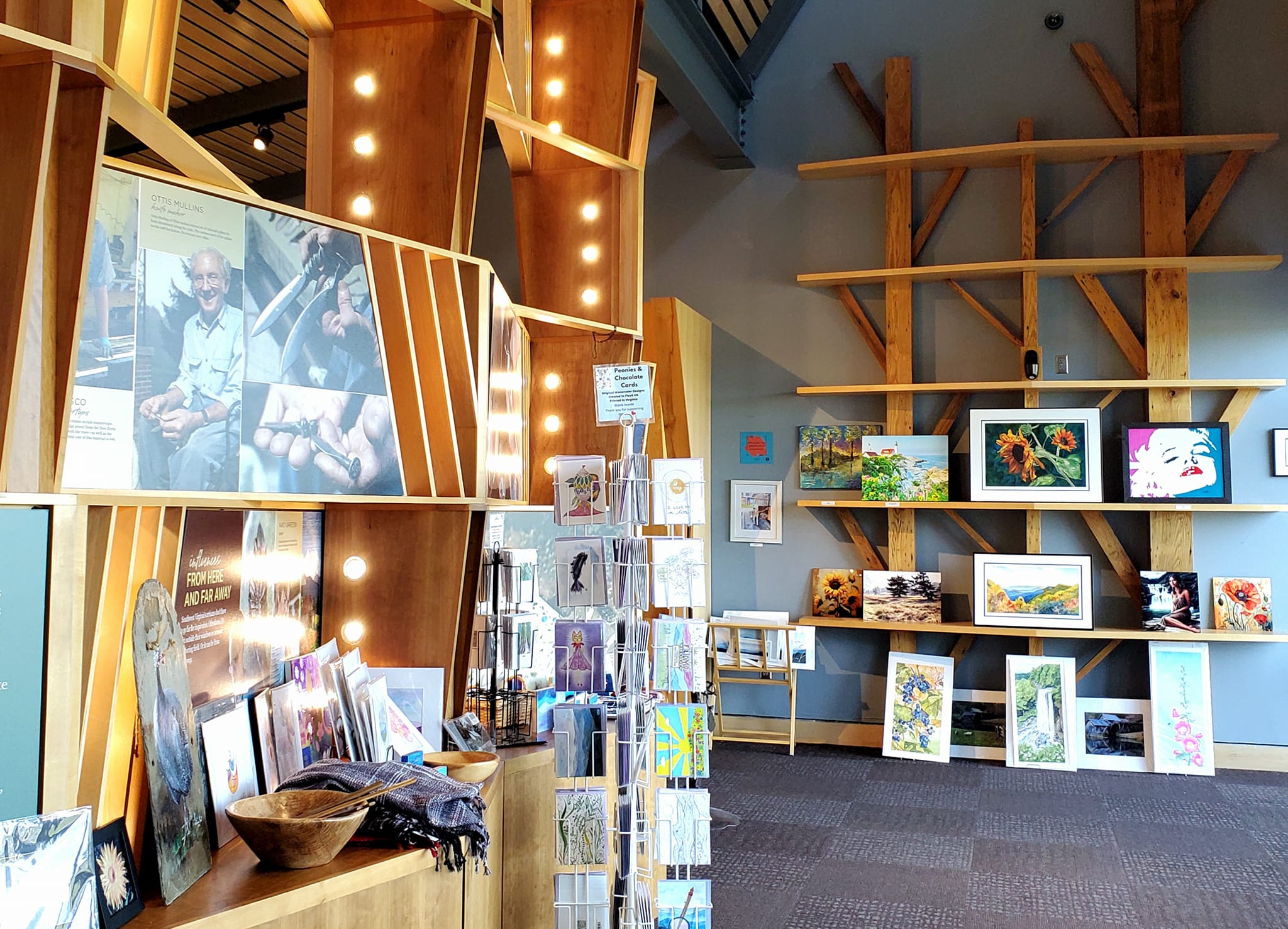

I am not much of a “whimsy” personality but I love Aria Asbury’s whimsy witch series.

This is also where I found out about Abingdon’s Boardinghouse Murder, after picking up Greg Lilly’s book of the same name.
SWVACCM regularly hosts classes, readings, lectures, and other events in their central hall. Check out the chandelier!

WILLIAM KING MUSEUM OF ART
Plan a visit to the William King Museum of Art for more local art and to learn about the cultural heritage of southwest Virginia and northeast Tennessee.

King was an Irish immigrant who is celebrated for his unforgettable contributions and major impact on developing Abingdon’s economic and educational resources.

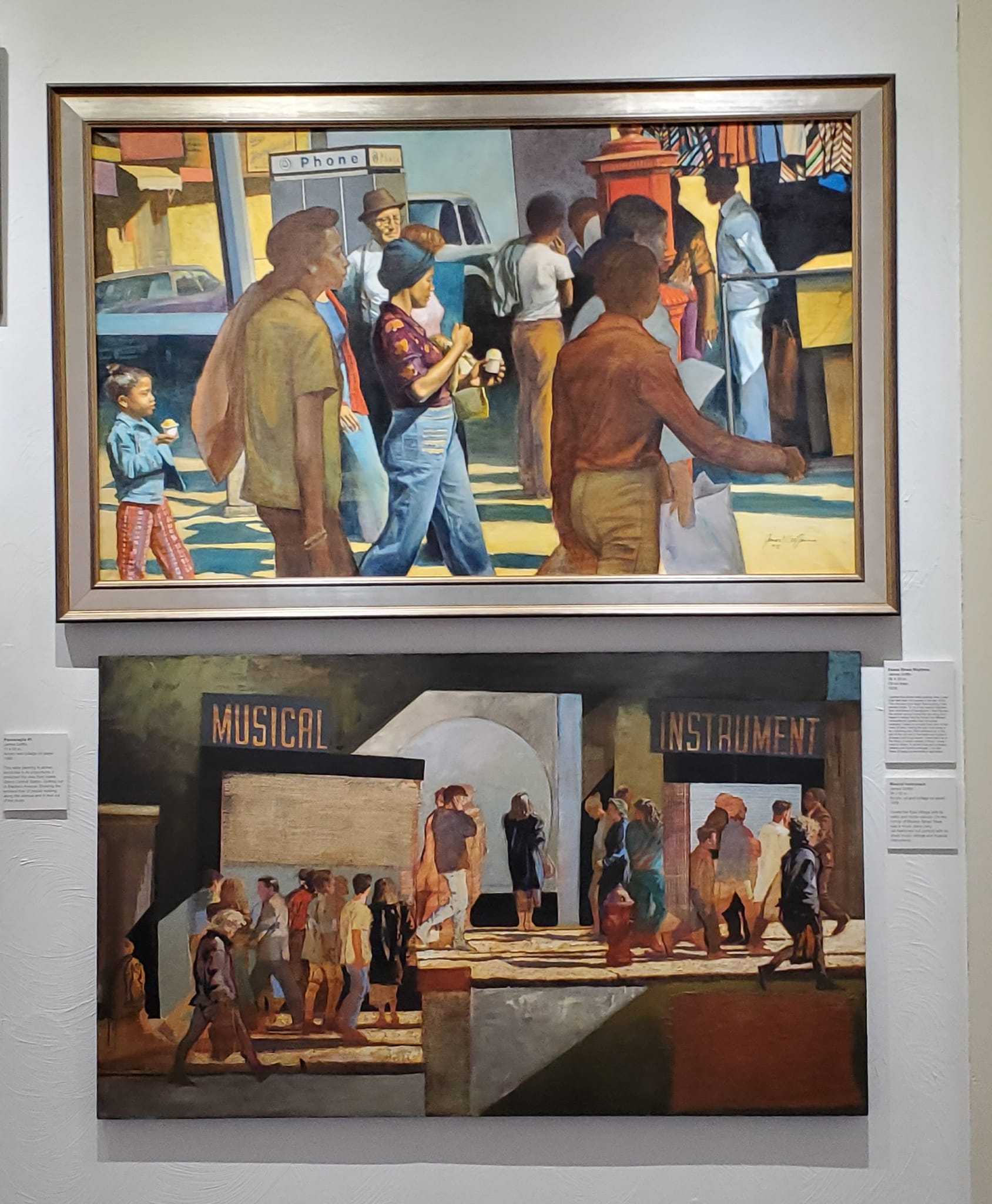
WKMA is accredited by the American Alliance of Museums. Staff host regular exhibits, events, and classes in their art studios.


Exhibits by Adonna Khare and Flack Attack were on display during my visit, and both were equally as enjoyable as they were different.


VIRGINIA CREEPER TRAIL
The Virginia Creeper Trail is a 34-mile route through lush Virginia woods and farmland. It was originally a branch of the Norfolk & Western Railway, taken over by a few other lines, and finally converted into a recreational trail.

Most visitors prefer to bike across nearly 50 wooden trestles, but walkers, runners, geocachers, birdwatchers, and wildlife observers are all welcome. Some parts of the trail are even open for horseback riding, skiing, and fishing.

When Hurricane Helene devastated large parts of southern Appalachia in October of 2024, 18 of the 34 miles of trail between the towns of Damascus and Whitetop were destroyed. You can still walk or bike the trail between Abingdon and Damascus, but it will be a long time until the rest of the trail can be reopened.
Check out this page to help decide which starting points and segments you want to cover and review any closures or re-openings, and click here to view the trail maps.

For now, park at the Virginia Creeper Welcome Center and check out the outfitters post. You can rent bikes and other gear for your tour of the “VCT” then browse around the railroad exhibits.


When you are ready, walk toward the giant wooden bridge entrance and get going.

MEDITATION LABYRINTH
Another unique outdoor attraction in Abingdon is the Meditation Labyrinth at 250 Valley Street NE. It is located streetside in a residential community, but it is free and open to all.

The Anam Nostos House also facilitates vigils, guided mediations, and other events at the labyrinth.

WHERE TO EAT & DRINK
I stopped by The Girl & The Raven for a hot latte after seeing their gorgeous sign and log. The latte did not disappoint.

After patrolling their area on foot for a while, I went into Wolf Hills Coffee for one of their custom tea blends.
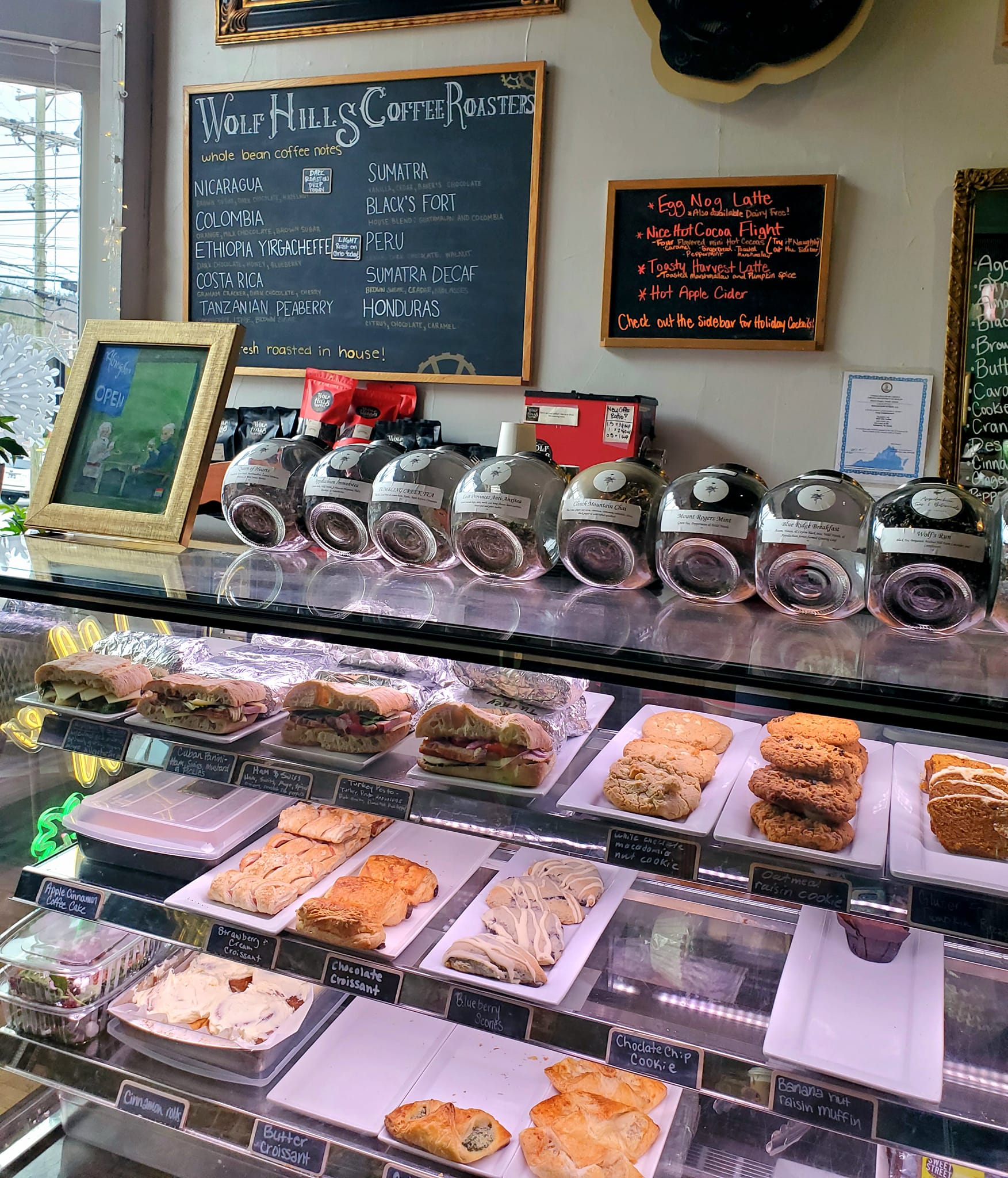
This is definitely the most adorable place in Abingdon, with a coffee shop and bakery on one side, a tiny cocktail bar on the other, and some chic hobbit-style nooks.
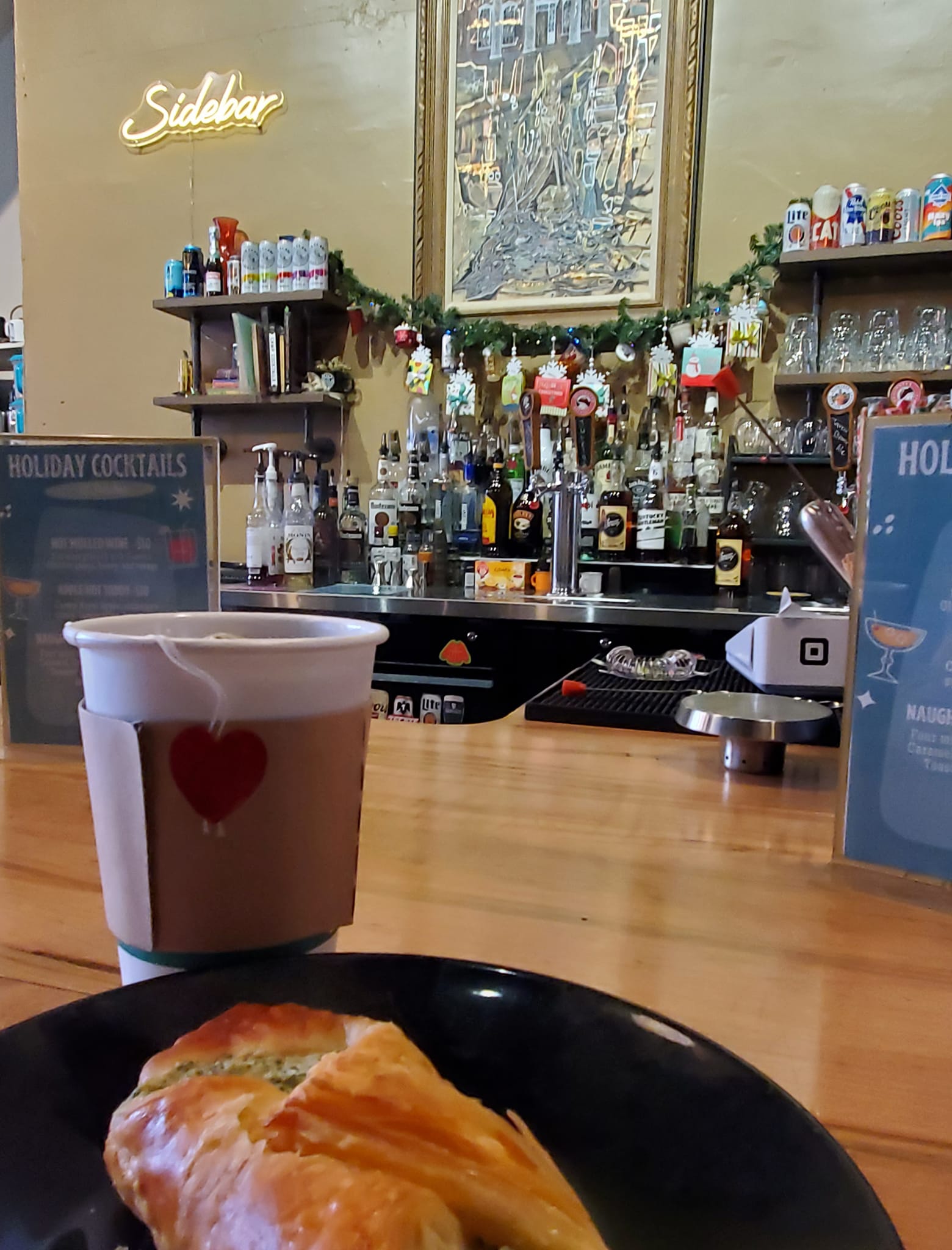

On the other side of the building there is a more spacious room with extra tables and the entrance to The Book Cellar that offers a curated selection of used books and locally-made gifts for sale.


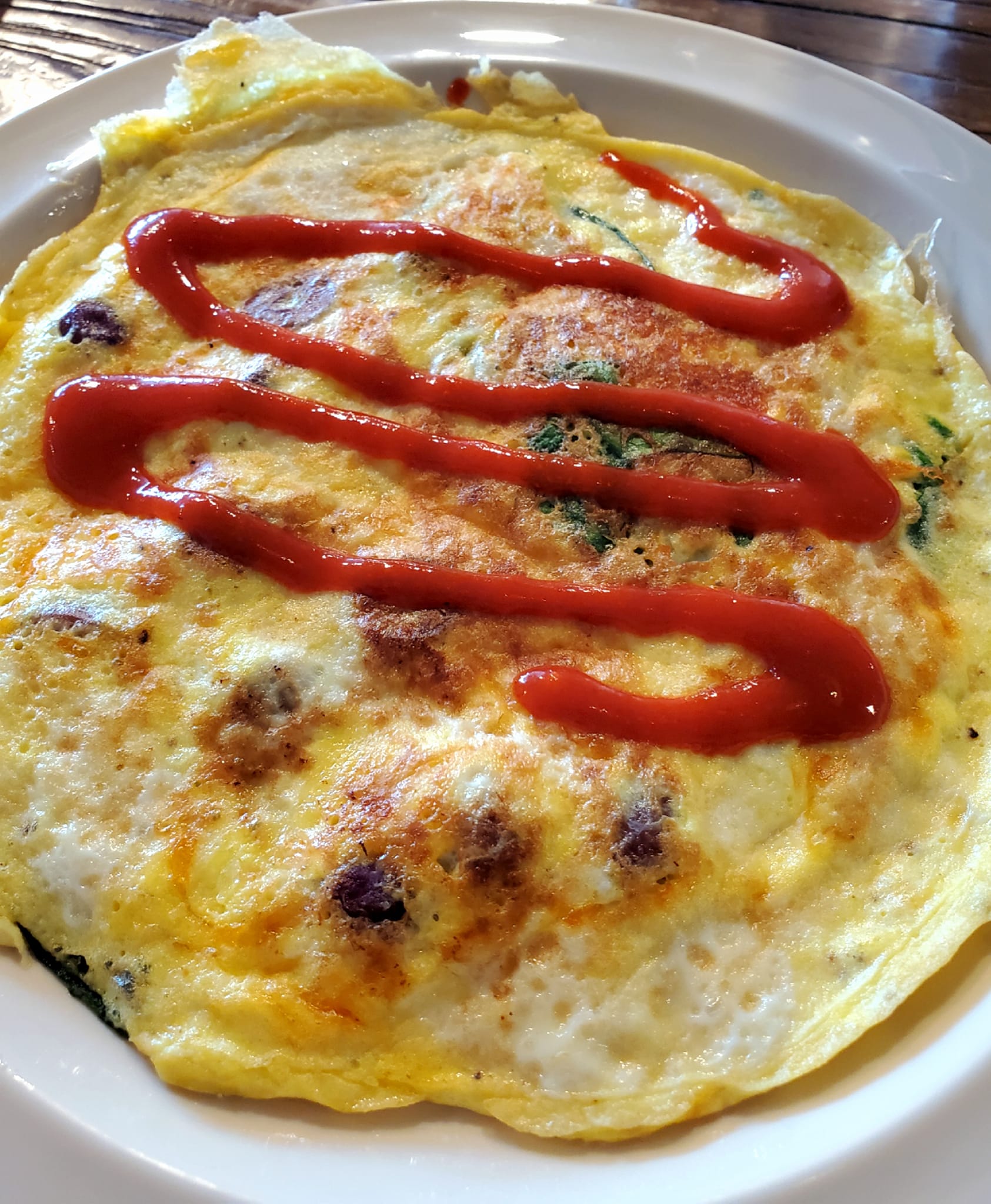
Rendezvous International Cafe was my pick for a late lunch, this simple spinach and cheese omelette.
SHOPPING
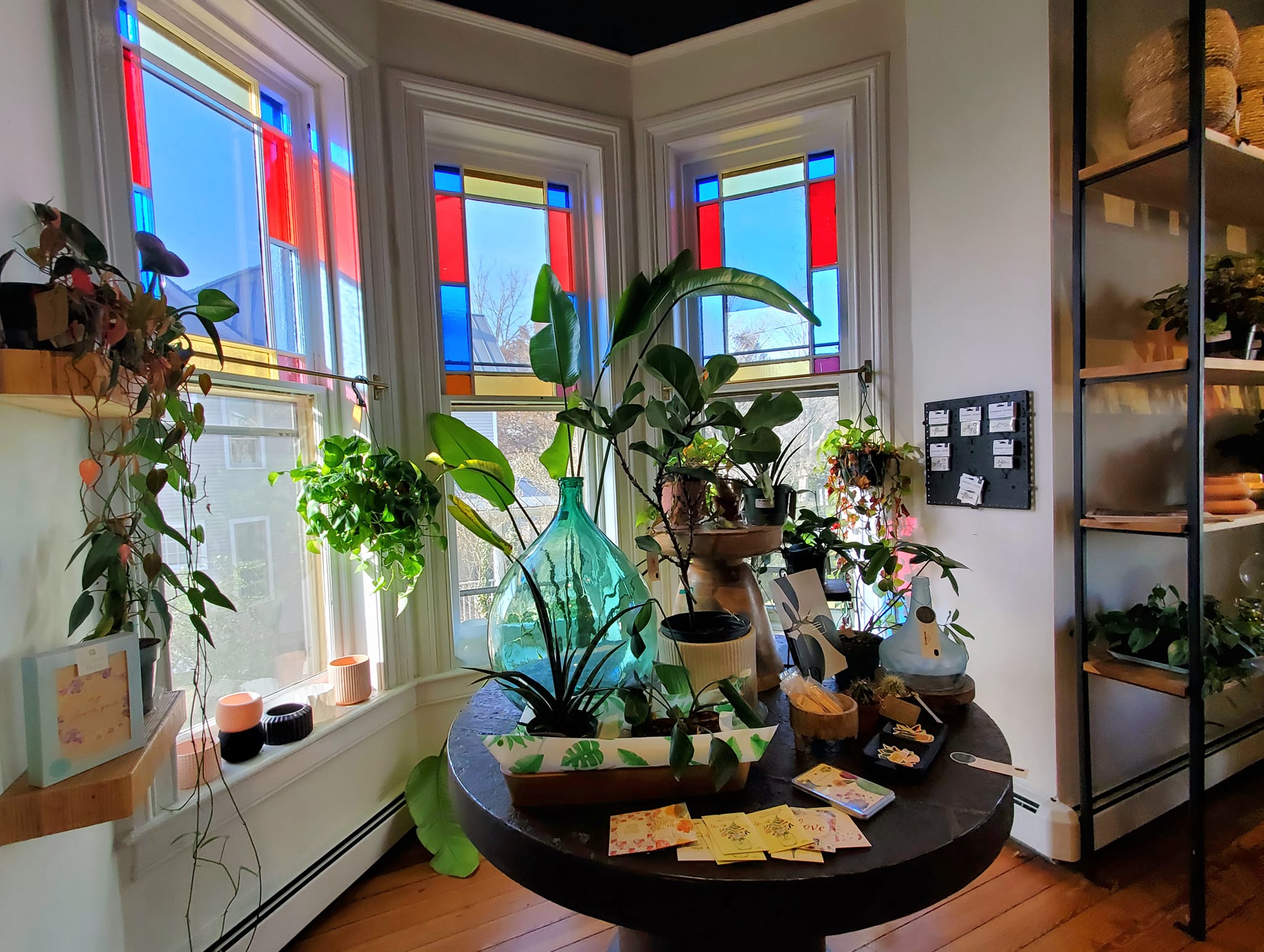
Abingdon has several interesting shops and boutiques, many of which are located in old historic buildings or homes like the one below.

It may look like someone is having a party at their house until you read signs advertising the business, or workers wave you in.
For more info about Abingdon’s history, stop by the Historical Society of Washington County or you can peruse their website from wherever you are. now.
In the area for a while? Follow me to the other Tri-Cities Region cities of Bristol, Johnson City, and Jonesborough.
********************
© Copyright Fernwehtun, 2015- Current. Unauthorized use and/or duplication of this material without express and written permission from this site’s author and/or owner is strictly prohibited. Excerpts and links may be used, provided that full and clear credit is given to Fernwehtun and Fernwehtun.com with appropriate and specific direction to the original content.

 Fernweh, An Ache for Distant Places
Leave a comment