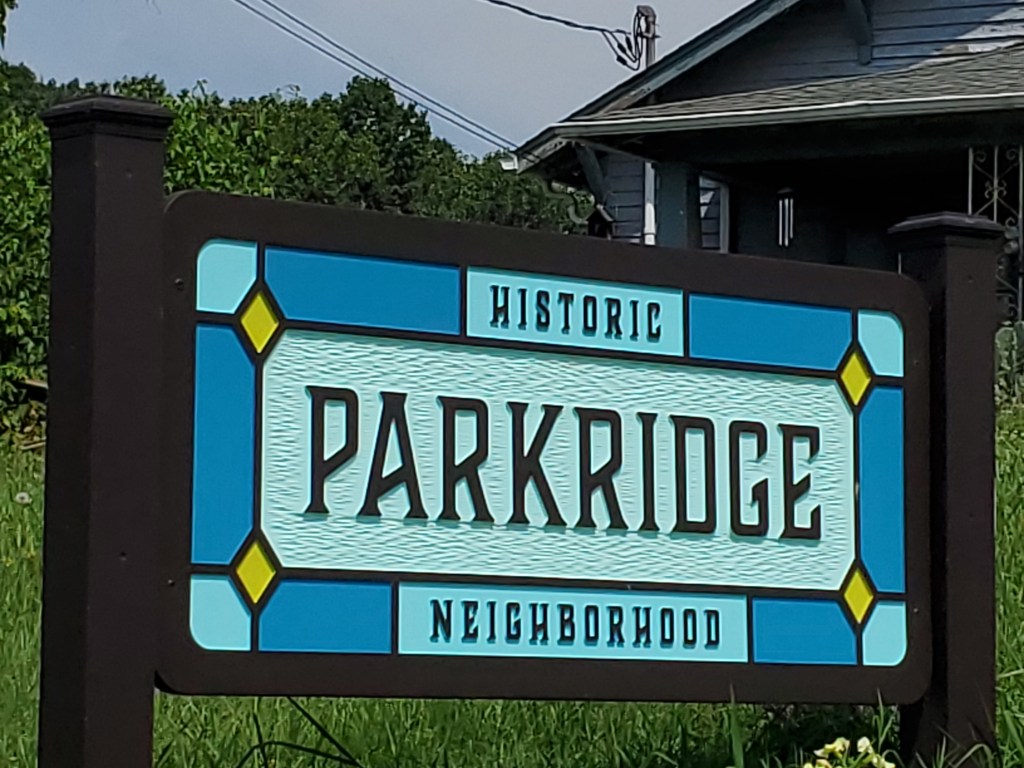
Knoxville, Tennessee has a lot of cool neighbourhoods and I lived there long enough to feel comfortable writing about parts of it somewhat authoritatively. Check out my blogs about other Knoxville neighbourhoods like Inskip, Old North, Fountain City, Marble City, Old Sevier, and South Knox if you like. I am still learning about East Knoxville in a historical context, though.
I have spent plenty of time over the last couple decades on the East Side, visiting friends, admiring historic homes, and walking around Knox Gardens or the Zoo. In my 20s, I was there attending courses at the Pellissippi Magnolia campus, working out at the Cansler YMCA, stage managing plays at the John T. O’Connor Center, and even working at that old [cringe] Comcast location.
Back then I did not know much about the area’s history, but I have been reading up a bit. If I am mistaken on anything I say about East Knox, PLEASE send me a message and let me know.
The image below is a screenshot I took on my phone of Google Maps, as it marks the perimeter of East Knoxville in red. The bottom left corner is downtown Knoxville and, predictably, East Knoxville is located east and northeast of downtown.
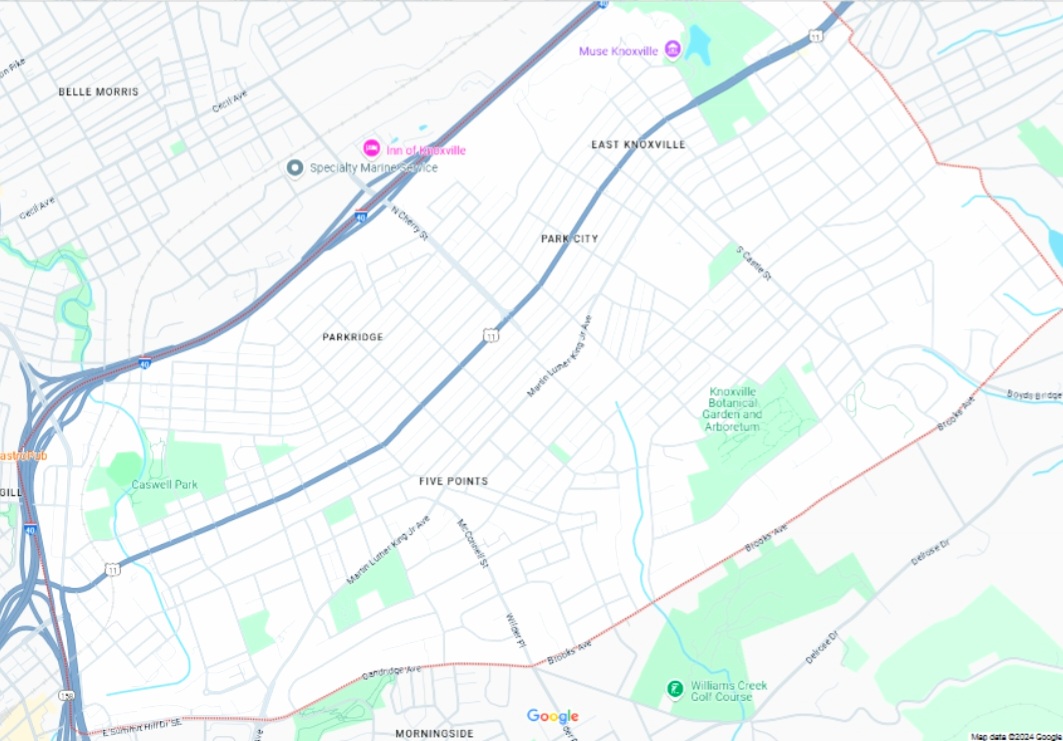
As you leave downtown via Magnolia Avenue, you will drive east toward and through the neighborhoods of Parkridge, Morningside, Chilhowee Park, and Holston Hills.
Some of the main attractions in East Knoxville are the Knox Botanical Gardens, Zoo Knoxville, Chilhowee Park (home of the Tennessee Valley Fair), MUSE, Beck Cultural Center, the Mabry Hazen House, Ramsey House and other historic homes and cemeteries, and a load of unique George Barber homes.

PARKRIDGE (PARK CITY / EDGEWOOD)
Parkridge encompasses the Edgewood community, and what used to be the neighborhoods of Park City and Shieldstown. The boundaries are loosely defined as I-40 to the west and north, Magnolia Avenue making up its southern border, capped off by Cherry Street to the east.
Edgewood is the western half of Parkridge closest to downtown and it has a high concentration of homes designed by famous Victorian architect, George Barber.
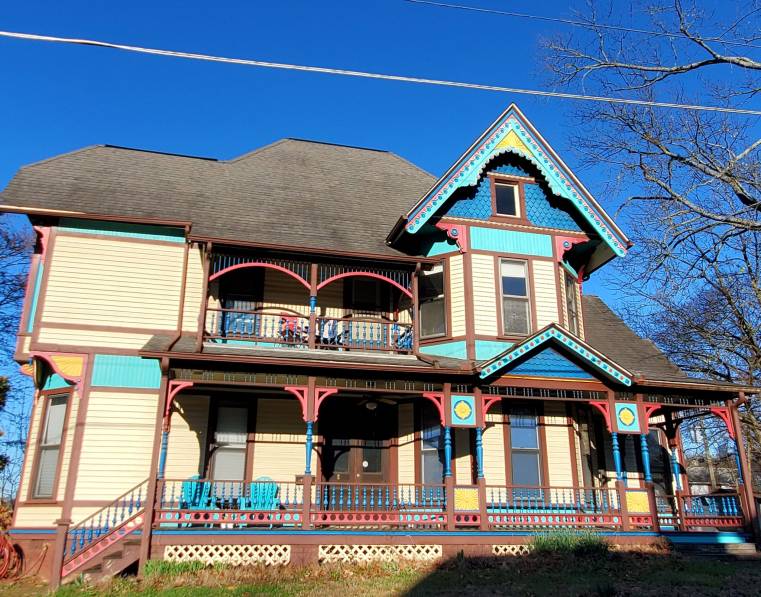

These are just a few of my favourites, but check out my blog about other George Barber homes in this area to learn more.


Main streets in the Edgewood/Park City Historic District include Washington, Jefferson, and Woodbine running west-east, each meeting Olive Street to the east. Park City extends eastward to Chilhowee Park at Beaman Street.
While most residents defer to the name Parkridge now, the Park City Historic District has been on the National Register of Historic Places since 1990. It includes nearly 700 historic buildings, more than any other historic district listed on the National Register in all of Knox County.
The image below is shared from KnoxPlanning.org.

In addition to the amazing homes, Parkridge has several buildings with interesting history.
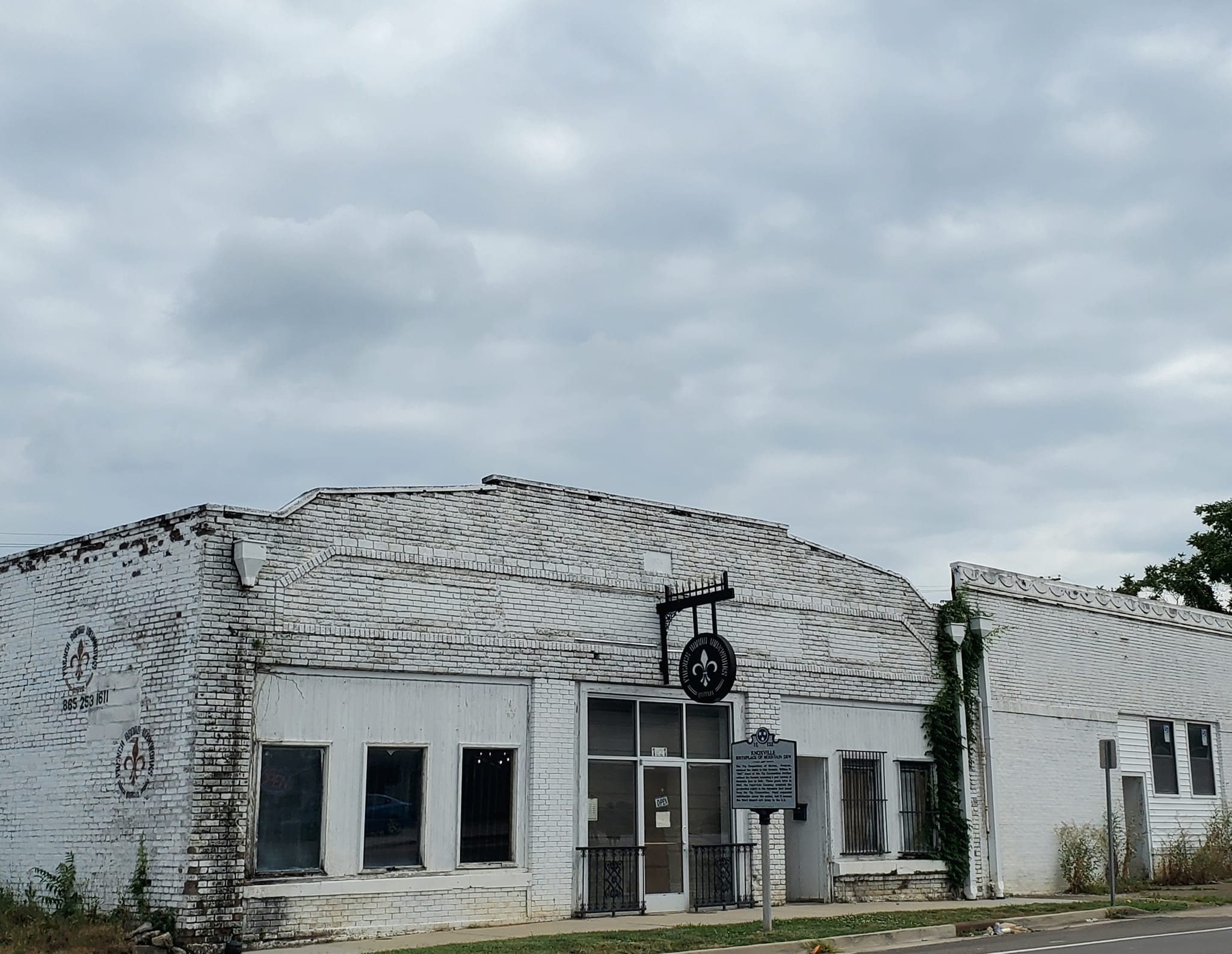
The world famous neon green soda, Mountain Dew, was first formulated in an old white building at 1921 Magnolia Avenue in 1945 when brothers Ally and Barney Hartman found their perfect mixer for Tennessee whiskey.
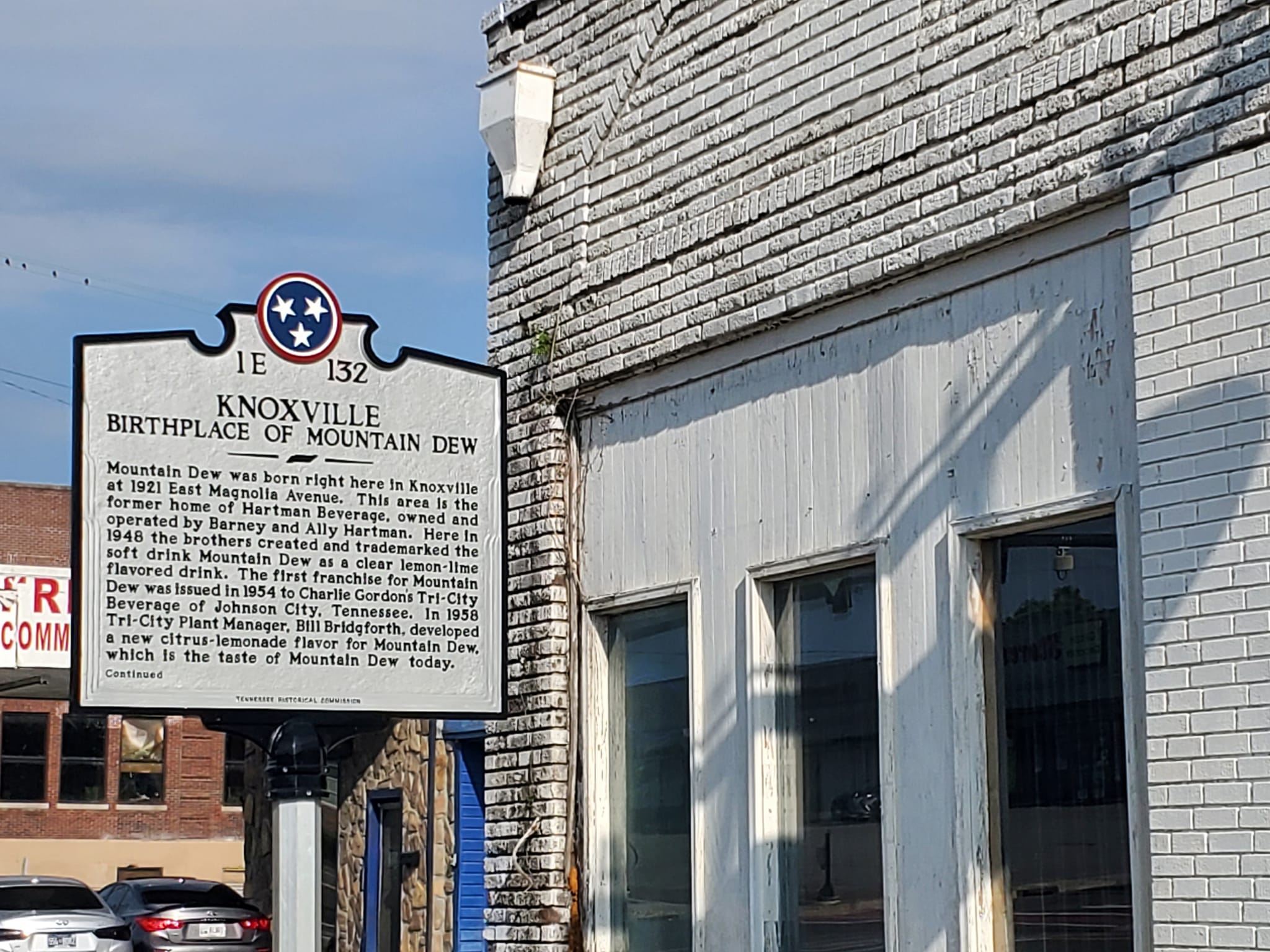
Mountain Dew was distributed in East Tennessee and Southwest Virginia for about two decades before Pepsi bought the rights in 1965 and began distributing it worldwide.
Park Place on Bertrand Street has hosted spacious, upscale loft condos for many years. I have spent a lot of time in that building with friends who lived there.
It was built in 1927 and served as Park City Junior High until it closed in 1980. A local development magnate restored the property in 1985 and this is what it looks like today.

This house at 2336 Woodbine Avenue was built in 1900 and served as the Knoxville Florence Crittenton home for many years before the organization relocated.

Pleasanttree Apartments at 2460 E. Fifth Avenue are in an Italian Renaissance building from 1925.

This 1915 Italian Renaissance Revival home is actually two twin buildings that now host apartments.
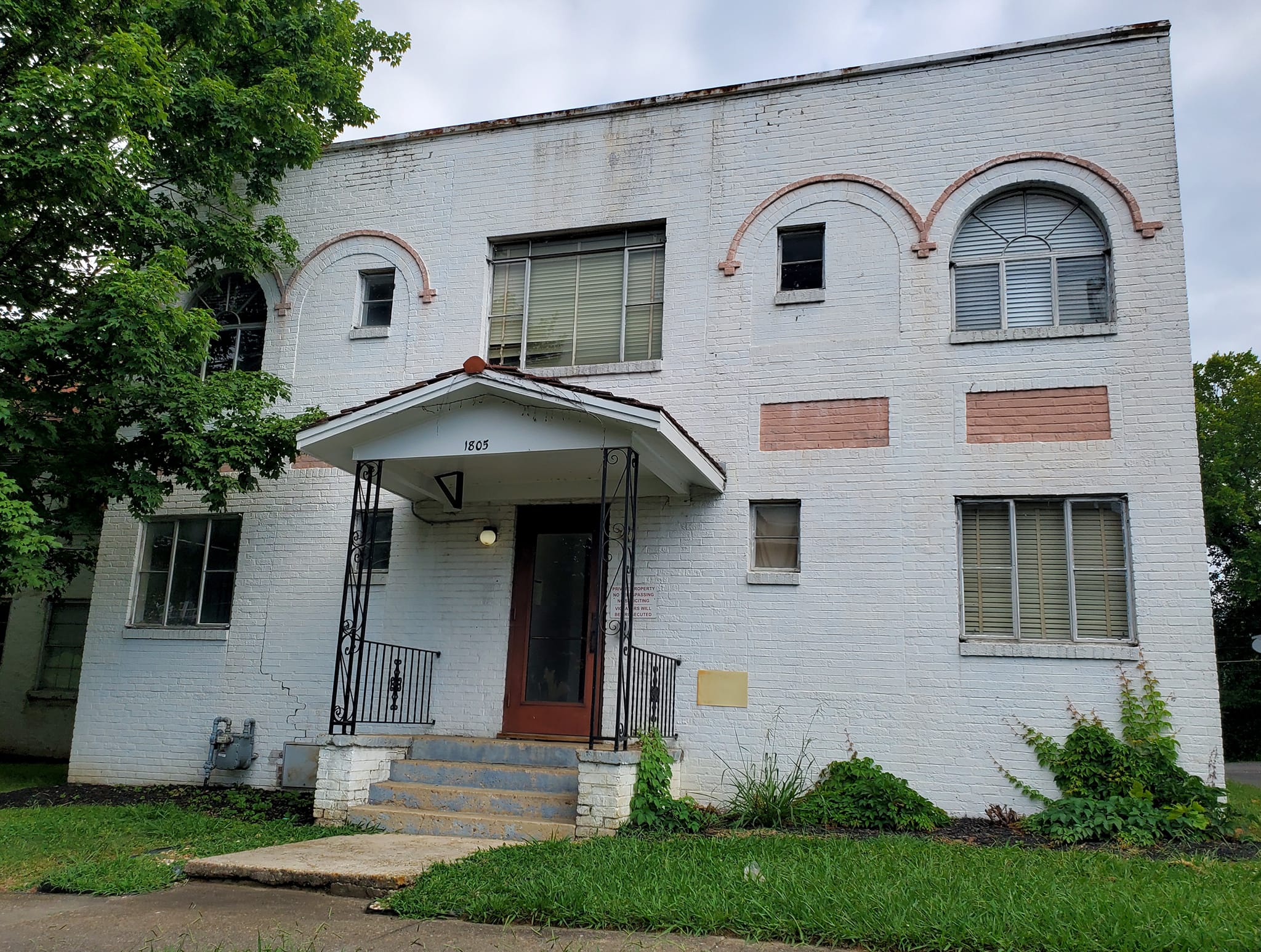
Other interesting properties include the two-story Italian Renaissance Stewart Building at 2362 E. Fifth Avenue, the 1921 Fifth Avenue Baptist Church at 2500 E. Fifth Avenue, the 1915 Colonial-style Park Lane building, the 1910 Central Church of Christ at 1932 Woodbine Avenue, and the 1893 Queen Anne home on 2041 Washington Avenue.
The latter was built by an architect named John Ryno who became a business partner of George Barber, and Ryno also lived in the home in the 1890s. Read more about historic Parkridge homes and buildings here.
The mural below is one of several in the Sixth Avenue Mural Project.
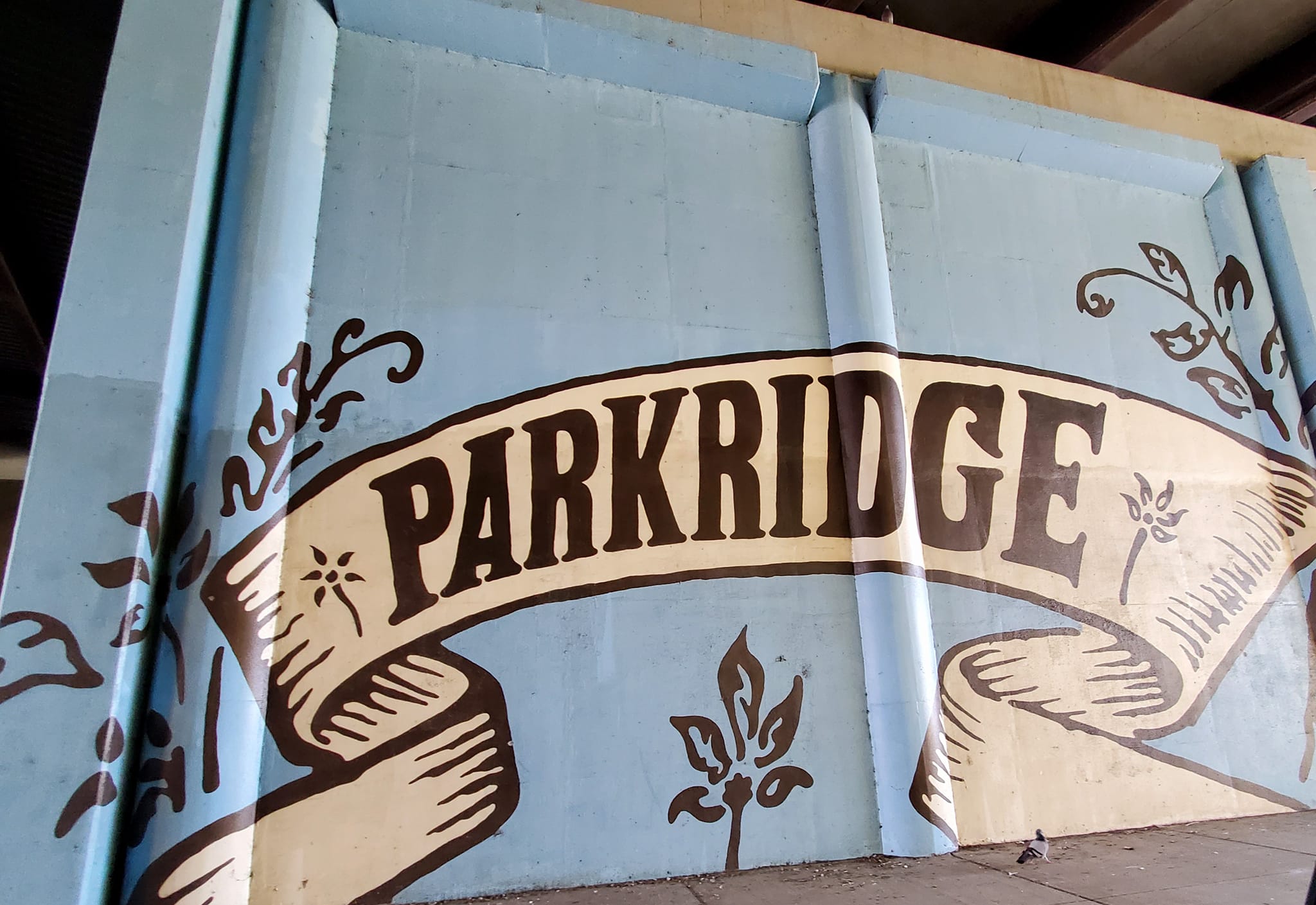
Keep your eyes open for a few other cool murals in the area.


FOOD & DRINKS
East Knoxville, as a whole, is not known for being a foodie paradise. Outside of a few total stunners, there are a handful of gas station deli shops, the usual fast food chains, and some newer local restaurants that have opened in trademark buildings that once belonged to fast food chains. I have been wanting to visit some of them like Magnolia Café for years but they have extremely limited hours that makes it impossible for me to visit without taking time off work.
Last Days of Autumn is my favourite place to eat in East Knoxville, hands down.

I have been trying for years to get a meal here that I am not in love with but they get me every time.


Everything is super fresh and they usually announce their specials the day before or the day of.

They are always creating unique brews, and they have a great outdoor seating area.
Parking can be a little tight, so get there early in the afternoon or evening.
Likewise Coffee is relatively new and I 100% support their mission to end human trafficking. However, the website says they plan to do it by spreading “the gospel” and I just…
I hope they are successful.

Perk City down the street has my vote for best coffee and sweets, and it is in a gloriously non-religious environment.
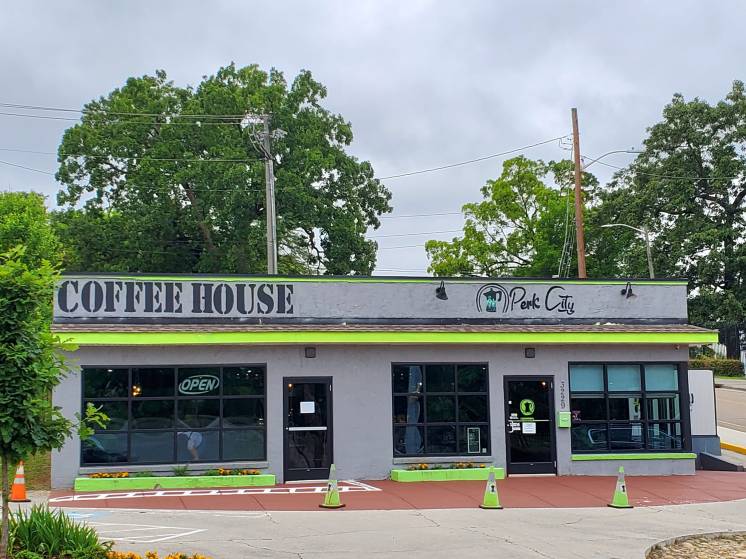
This is one of the most all-inclusive and welcoming places in town.
If you are seeking a similar vibe, be sure to visit South Press Coffee over in South Knoxville as well.

Their amazing pastries are all handmade daily and always on point.
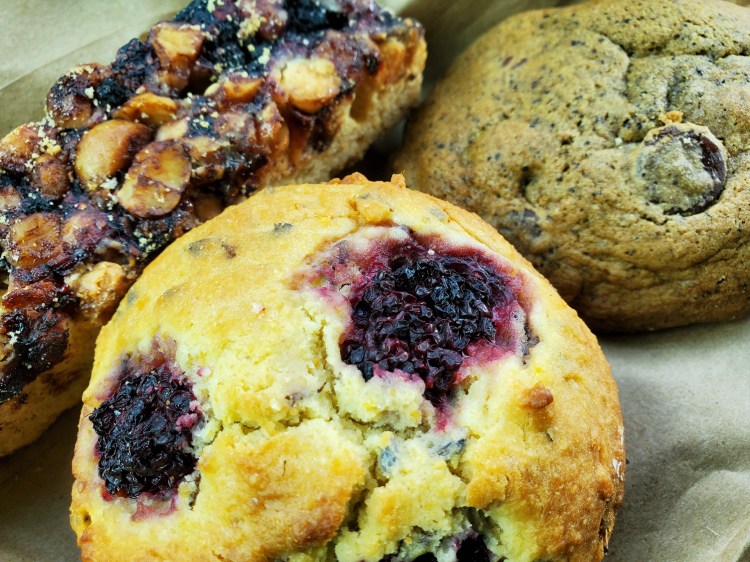
Just look at these. Whew.
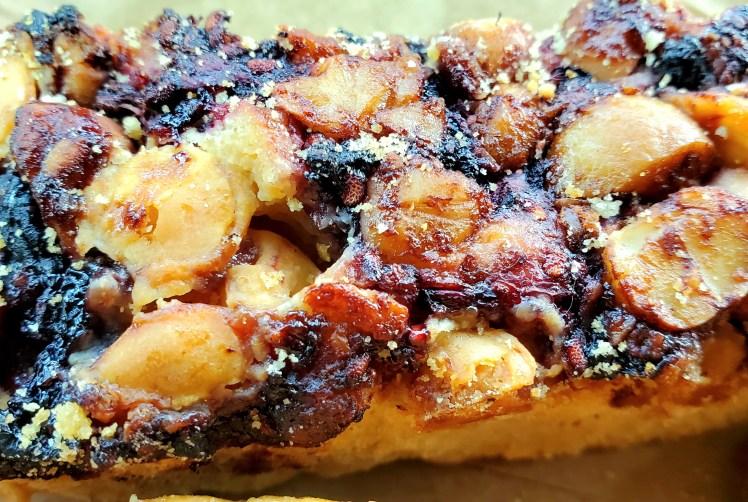
You can even get a savory quiche while supplies last.

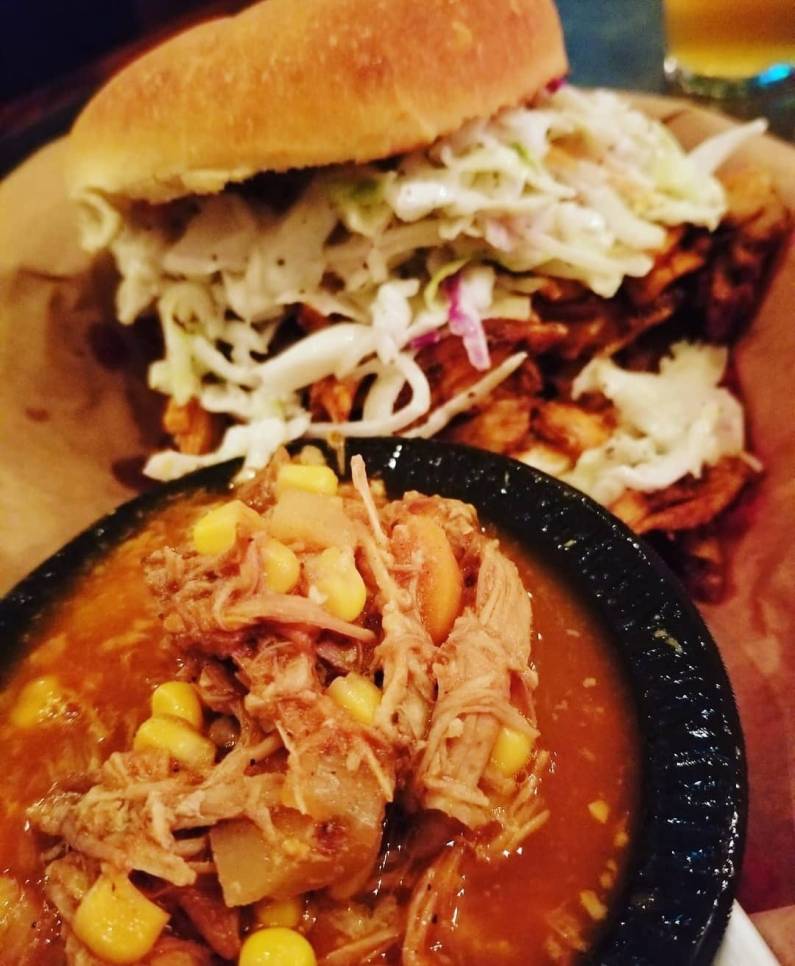
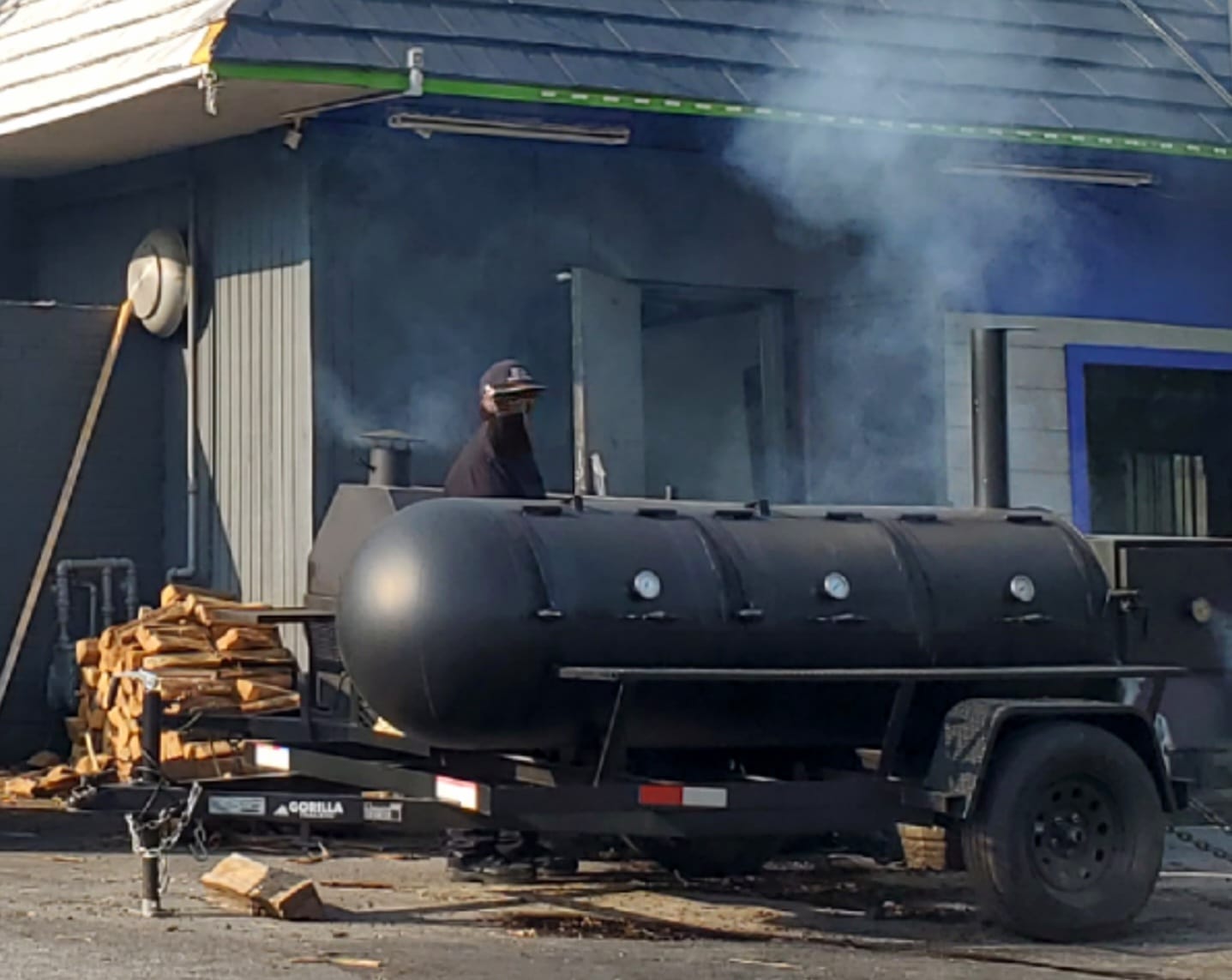
Billy Rae’s BBQ is known for their brisket, brisket dogs, pulled pork, and Nutter Butter banana pudding. You can usually catch them working the smoker a good hour or two before they open, sending out the most heavenly scents for a mile or two away.
Parkridge, big surprise, has a park that is called Parkridge Park.
It is also home to Caswell Park, Edgewood Park, Harriet Tubman Park, and others.

Museum of Infinite Outcomes is focused on conservation, ecology, and art. Learn more about their classes here.

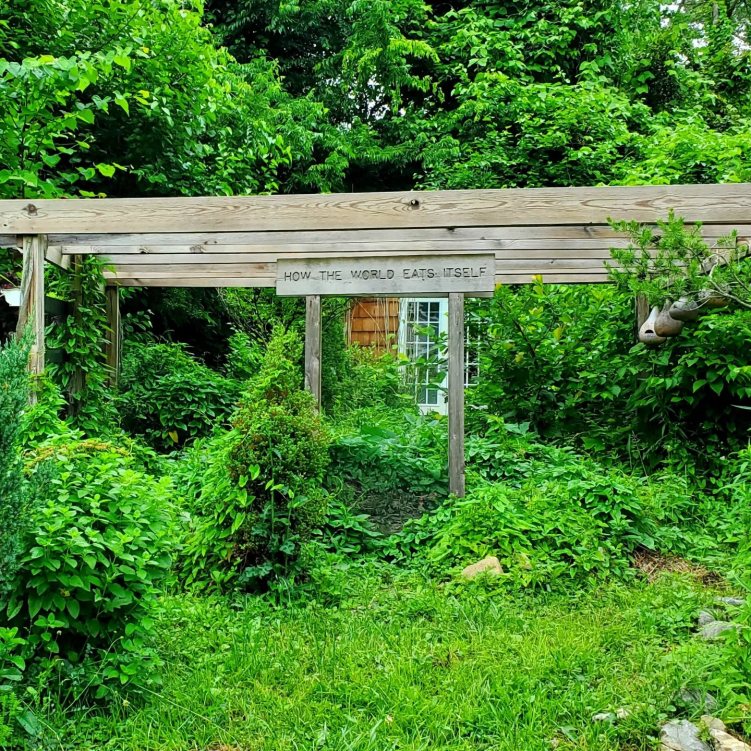
Visitors can walk through the gardens when they are open, for no charge, but be mindful about various stages of planting and other projects or events going on when you should probably just come back at a different time.


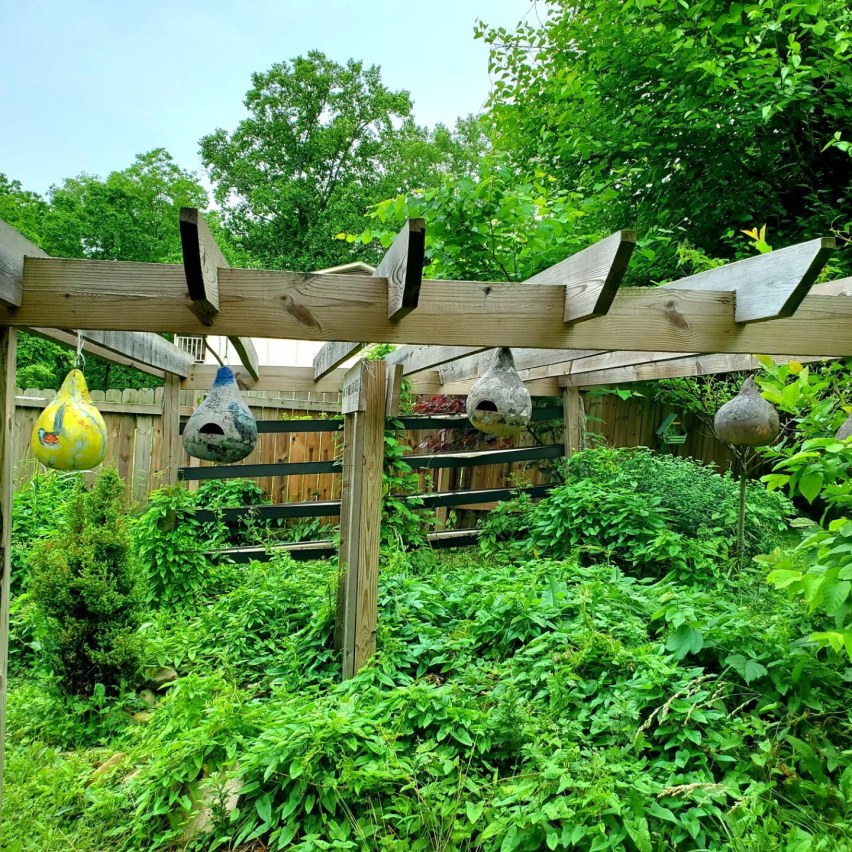
Avifauna, their annual “showcase of human-crafted homes for birds” has been going on all month (May) and I love the events they facilitate.

Below is a screenshot from their Instagram announcing all of the other events going on as part of 2025’s Avifauna.

OTHER EVENTS & ORGANIZATIONS
Parkridge Community Organization and events like the Historic Parkridge Neighborhood Home Tour and the Summer Social Block Party continue to strengthen community ties, bring awareness to the history of East Knoxville, and pool resources to bring economic growth to the neighbourhood.
I really have to applaud the people who have done so much of this work on their own without or before any grants and other funds were issued to help.
The Bottom is another amazing resource with a mission to “build community, celebrate culture, and engage the creativity of Black people in Knoxville.” It is named after The Bottom, Knoxville’s first Black neighborhood, that was demolished in the 1950s.
You can read more about its backstory here.

SHIELDSTOWN is an extant community of Parkridge, but some of the older folk still remember the name. It was a six-block residential area developed in the 1850s between First Creek and Bertrand Street, right around Pellissippi State Community College. Linden Avenue (known as Howard Street back then) was its main artery.
I had thought this part of East Knoxville to be the Morningside community instead of Park City, but a few different sources cite it as being part of Parkridge. Locals, please feel free to drop me a line if I am off the mark.
After the Civil War and well into the 1870s, Shieldstown grew to include a few parks, churches, schools, and new houses. Shieldstown was Knoxville’s first suburban neighbourhood; a trendy, fast-growing neighborhood with a biracial population which was uncommon at that time.
When Shieldstown was incorporated into the town of Park City in 1907, all traces of the name vanished, and everyone’s focus went to the new Chilhowee Park that was being built. It was the most popular new attraction in Knoxville and the surrounding Knox County.
In 1890, Knoxville’s first electric trolley/streetcar system was built to connect downtown Knoxville to Chilhowee Park, and the park began hosting the Tennessee Valley Fair.
Eventually, Shieldstown and Park City were annexed into Parkridge, and Parkridge has been as we know it since the 1980s.
The only site I can find still bearing the old Shieldstown name is the Shieldstown Cemetery, near Morningside Park. It is a tiny, unkempt, and overgrown patch of dirt along the side of the road but if you stop and look closely, you can see a few dilapidated gravestones.

MORNINGSIDE
Just as Parkridge lines the north side of Magnolia Avenue, Morningside falls south of it. There is a bit of crossover that I do not completely grasp but I do not think a severe demarcation is necessary.
Dandridge Avenue and Martin Luther King Boulevard are the main arteries through Morningside, and another extant community called Five Points.
This could be a good time to mention that East Knoxville, specifically immediately east of downtown, has long held a reputation of being an unauthorized Red Light District and having unusually high violent crime and drug activity. Various statistic sites and publications list the area around Magnolia Avenue and Martin Luther King, Jr. Boulevard to be one of the most dangerous in town, alongside Lonsdale, Mechanicsville, and parts of Vestal in South Knoxville.
I rarely share photos of scary or ugly looking places, but I do see it. I know it is there. I do not wish to misrepresent any place. There is a lot of beauty and wonder in East Knoxville but there is also a lot of mess. Trash heaps, dilapidated buildings, people lying in the street, overwhelmingly aggressive panhandling, and a strong salesforce at the ready for whatever someone may be looking to buy.
Still, I know people who live in those parts and they love it. I personally think the end of Magnolia nearest downtown has gone through so much redevelopment over the past few years that it feels much safer than the Burlington side, or parts of my own neighbourhood. Think what you will.
It is important to be cautious everywhere you go, especially in an area known to be more dangerous than others, but acknowledgement of the progress and rehabilitation that has gone into East Knox is long overdue.
As a community grows and changes, it should be embraced it for what it becomes.
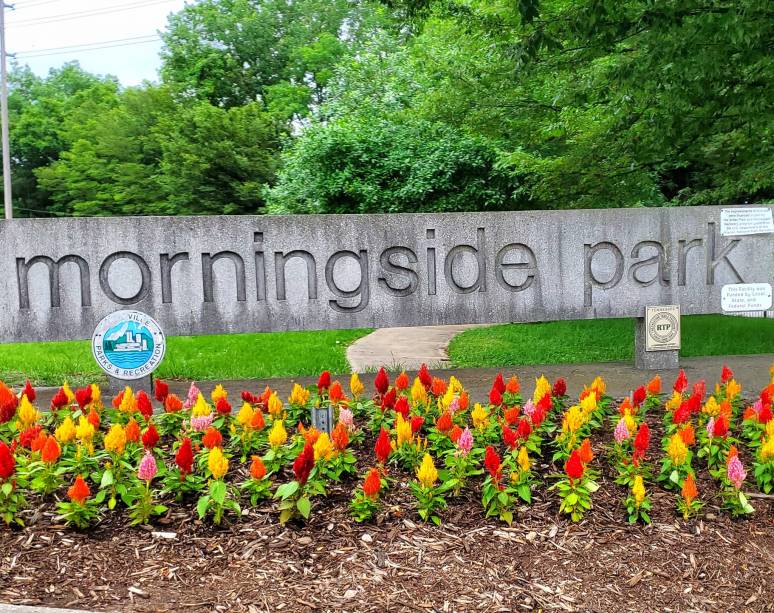
Morningside Park is a beautiful greenspace with well-kept paths for walking and biking, and large open areas for disc golf and other activities.
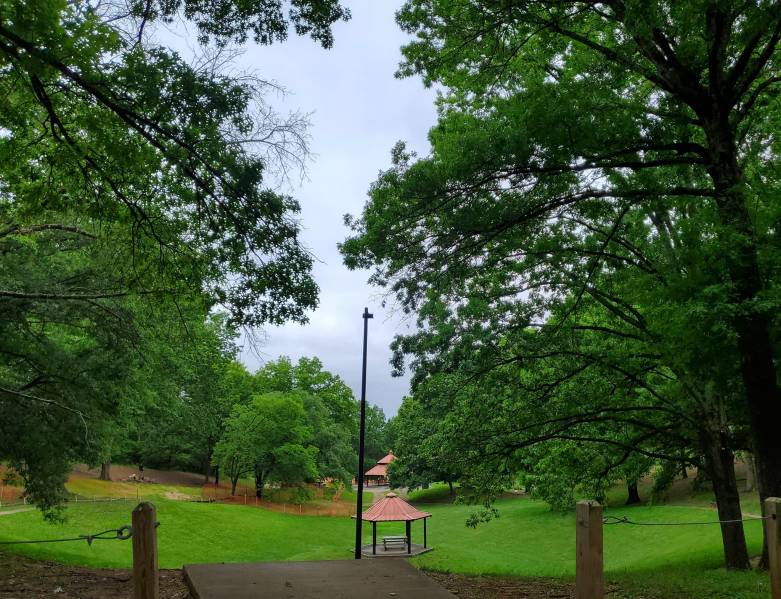
The main attraction is Haley Heritage Square that features a larger than life monument of Alex Haley, author of Roots and Malcolm X.
Haley spent his late life in Knoxville and on a 150+ acre farm closer to the town of Clinton.

Here is an article about three more of Knoxville’s most prominent Black/African-Americans; William Henry Hastie Jr., Cal Johnson, and Paul Hogue. You will see their names on memorials and in various parks and institutions around Knoxville.

MABRY HAZEN HOUSE
Behind Haley Heritage Square is Dandridge Avenue, where you can catch a glimpse of the historic Mabry-Hazen House.
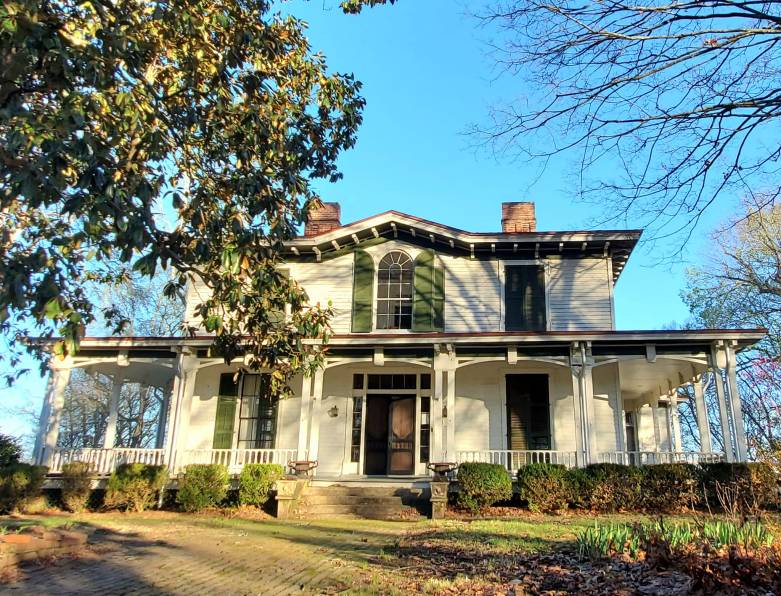
Mabry-Hazen House was built in 1858 and was home to three generations of the founding family.

This home was first called Pine Hill Cottage when Joseph Mabry, Jr. had it built in 1858. It was the headquarters of the Confederate Army and was occupied by both sides during the war.

It is listed on the National Register of Historic Places and is now a museum that hosts one of America’s “largest original family collections” with over two thousand original artifacts and pieces of furniture on display.
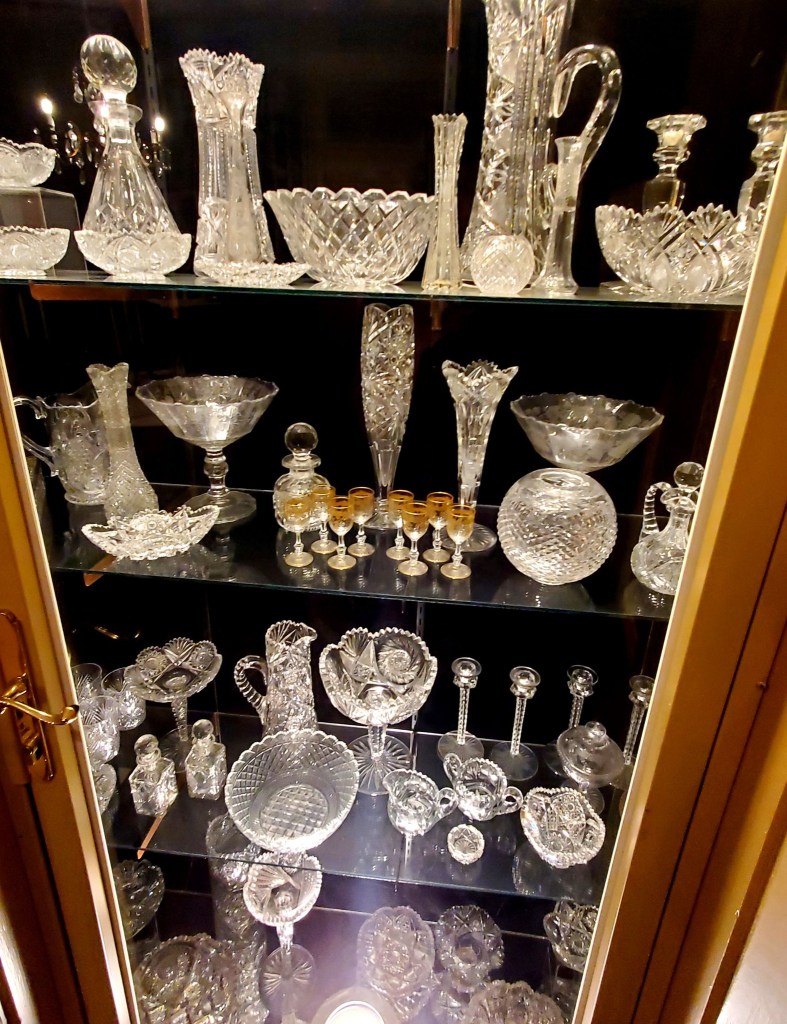
Beyond the Mabry and Hazen families, it is a treasure trove of Knoxville history as well.

My friend is the executive director of Mabry-Hazen House, and he is one of the most knowledgeable and delightful people you may ever meet. Join one of his guided tours, themed historical nights, and unique events that he hosts throughout the year like R is for Risqué, A Victorian Seance Experience, Night at the Museum, and the Juneteenth Tours and Black History Series.

Evelyn Hazen was the final resident of the home until 1987.

One of the region’s most famous and heartbreaking scandals centered around her in the 1930s, which you can best learn about by attending the R is for Risque event in February, or you can buy Jane Van Ryan’s The Seduction of Miss Evelyn Hazen in the gift shop.
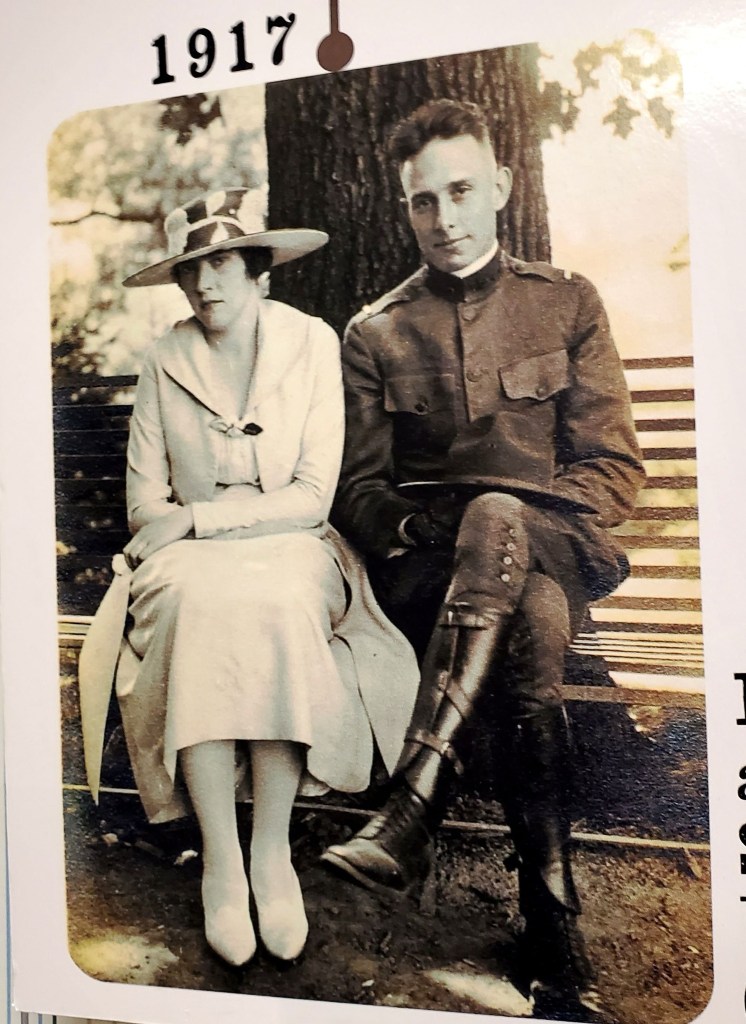
In her will, she left the options to either turn her home and possessions into a museum or to burn it all down, so the Hazen Historical Museum Foundation was created.

Mark Twain wrote about the famous gunfight that killed Joseph Mabry II and Joseph Mabry III in his book Life on the Mississippi and MHH hosts an awesome Gunfight on Gay Street walking tour that will unfold that entire story for you.
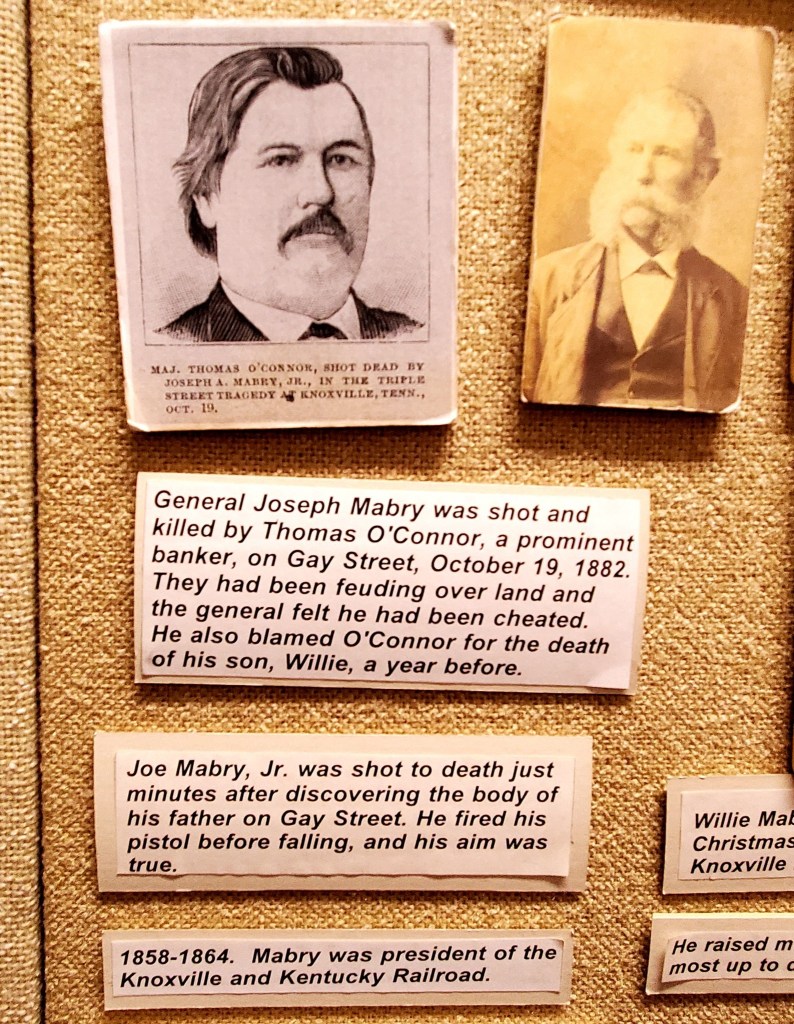
Mabry-Hazen House works with the nearby Bethel Cemetery and its caretakers to expand on Knoxville history, appealing to anyone interested in tracing ancestry and genealogy, in military history and preservation, or those who just want to hear cool stories about their town.

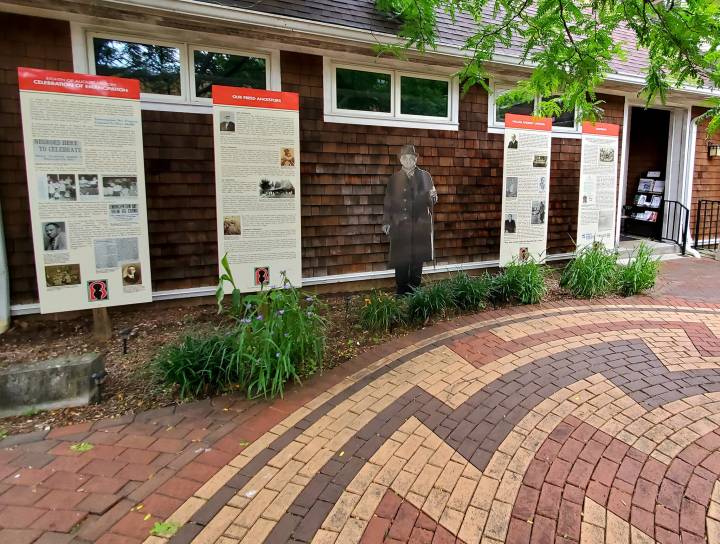
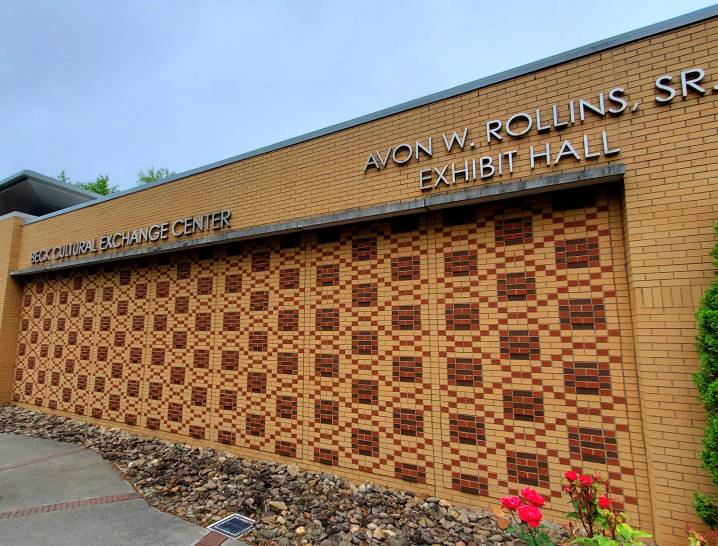
BECK CULTURAL EXCHANGE CENTER is just past the Mabry-Hazen House, and it has an enormous collection of African-American history and artifacts, documents, photographs, films, books, and other writings from Black/African-Americans in East Tennessee.

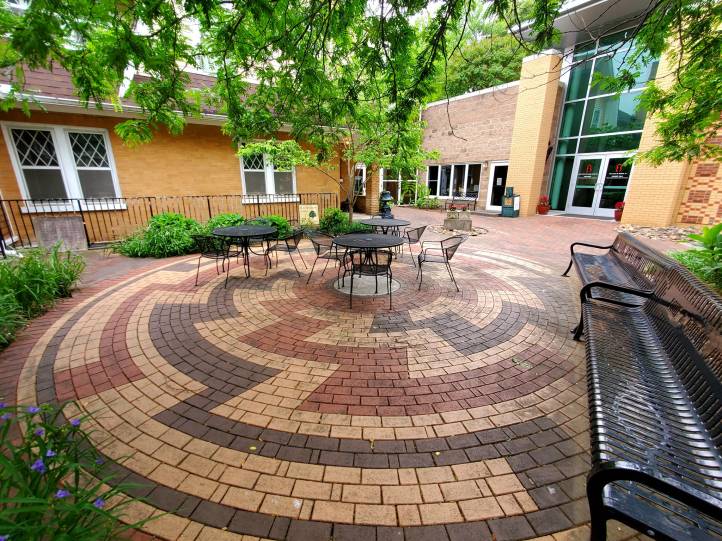
The site was built for a white family in 1912, later owned by Dr. E. F. Lennon in 1947, and ultimately owned by James and Ethel Beck until they converted the home into a museum in 1975.
THE DELANEY HOUSE, just next door at 1935 Dandridge Avenue, is also a former private home that is being renovated into a museum to curate the works of painter and expressionist Beauford Delaney, as well as his younger brother, artist Joseph Delaney.
They never lived in the home but their brother Samuel did, and they were known to visit him in the home. Both artists are remembered fondly by locals.
Speculative Light: The Arts of Beauford Delaney and James Baldwin was recently edited and released by a professor at UT Knoxville named Amy Elias. I am looking forward to getting my hands on it.
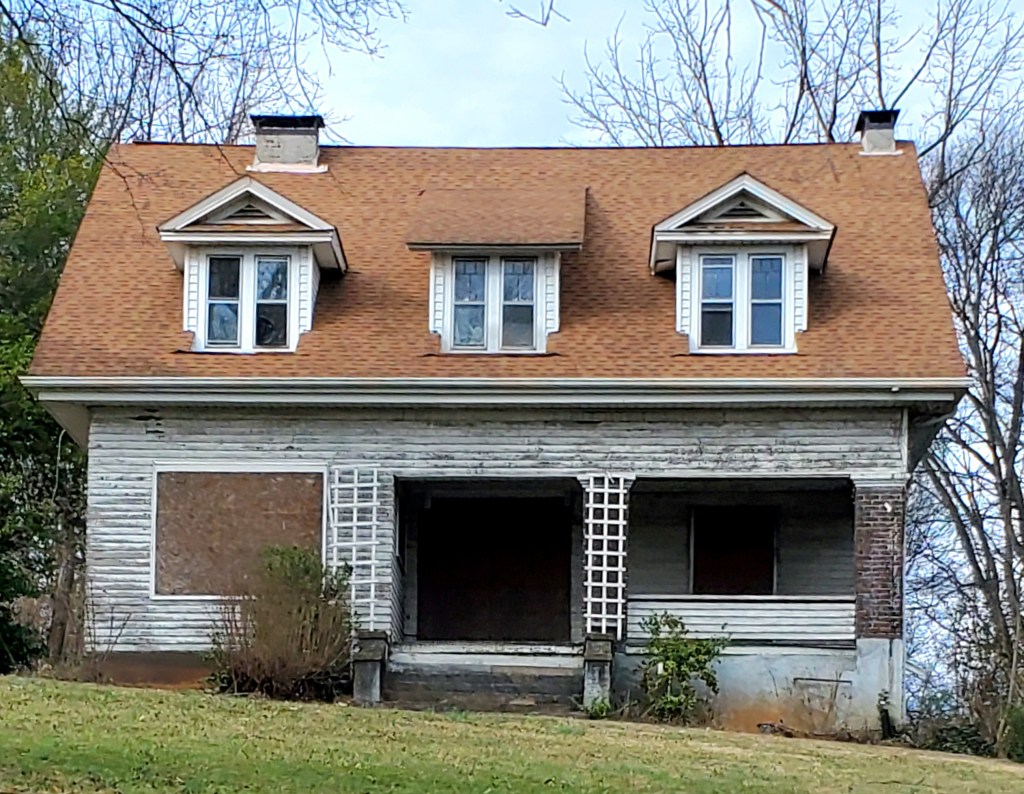
THE WILLIAMS HOUSE, further down at 2333 Dandridge Avenue, is the oldest house in Knoxville. It was built in 1826 and belonged to former US Senator John Williams who was known for being outspoken against the policies of that bastard President Andrew Jackson.
That alone makes me want to like Williams, but I read that this giant house was built by enslaved people that he and his wife kept, so one wonders what his sense of justice was based on.
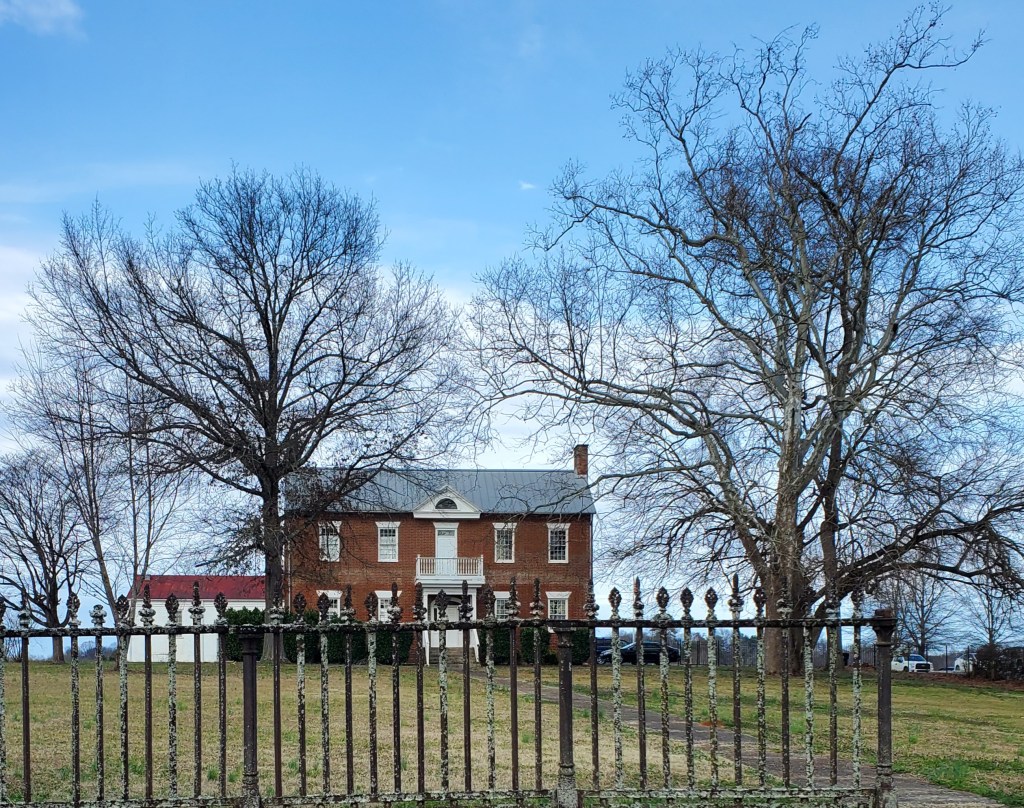
John Williams was also Tennessee Williams’ grandfather and he hosted the famous playwright on many occasions. Williams’ wife, Melinda White, was the daughter of James White who is credited for founding Knoxville.
The house sits right at the entrance of Williams Creek Golf Course, whose club house building used to be a school for deaf Black students.

EAST SIDE MARKET
During summer, stop by the East Side Market in Dr. Walter Hardy Park on Sundays between 1-4 pm from June to September.

I have bought fresh produce and flowers, sampled baked goods, taken a class, heard live music, and ran into all sorts of unexpected friends at the small market.
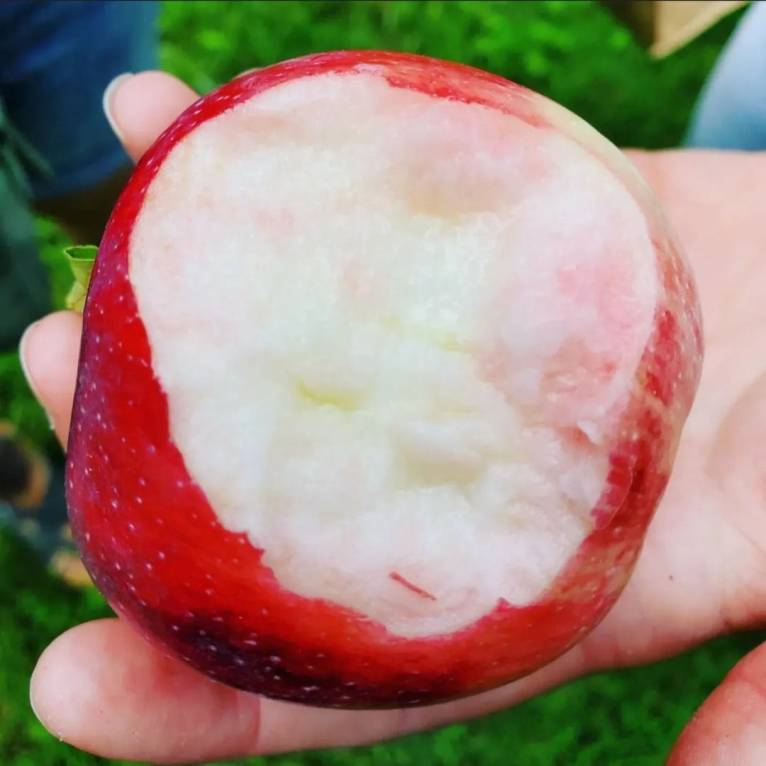

My favourite vendor, who I have seen at various other markets in Knoxville, is the Chicken Librarian. Kristin is the lady behind it all, and she is always hosting cool educational and creative event centered around food and old time southern ways of living.

The park is serene and fairly quiet, even with all sorts of festivities going on.

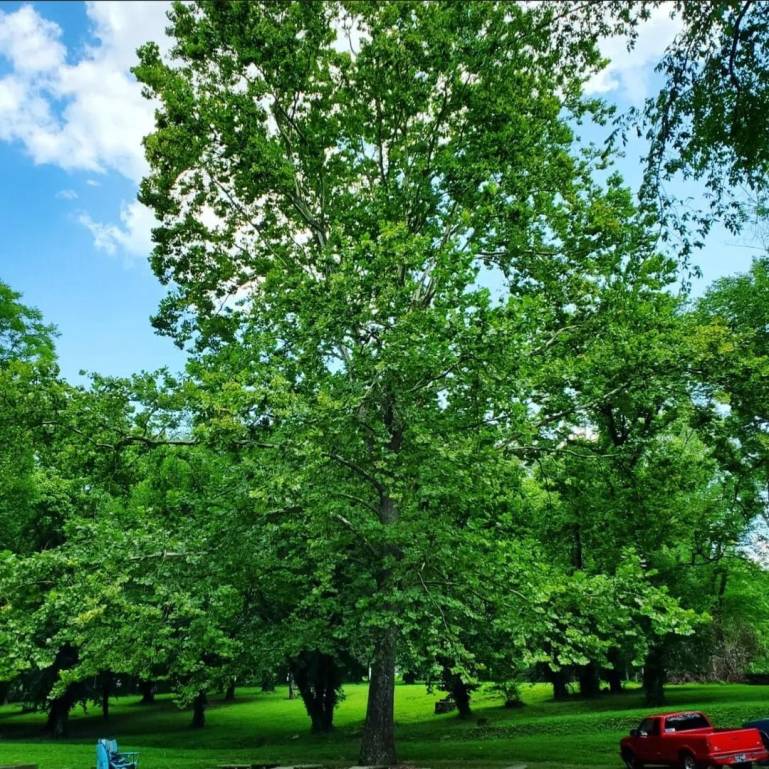
KNOXVILLE BOTANICAL GARDENS & ARBORETUM is one of the most beautiful places in all of Knoxville.

The gardens are located on 44 acres of the former Howell Nurseries property, which originally belonged to the Cherokee and Yuchi people.


The site became the Knoxville Botanical Gardens & Arboretum in 2001 and is listed on the National Register of Historic Places. You can read more about its history here.
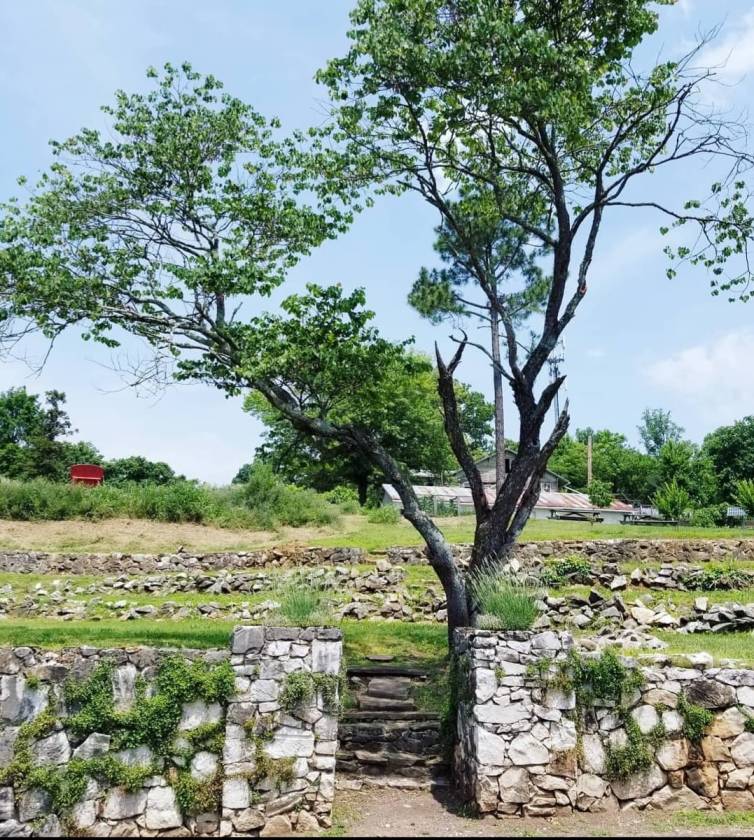

KBCA is known for dozens of events throughout the year, including nature walks and wildly popular plant sales.

FIVE POINTS
Yet another extant residential East Knox community is Five Points.
I honestly do not know anyone who lives in historic Five Points, and there is not much to be found about it online. Nothing in-depth.

What little I do know is that the small residential blocks surround Austin East High School; the product of merging the East High school built for white students, and Austin High, which was a school built for Black students. They were desegregated and combined in 1965.
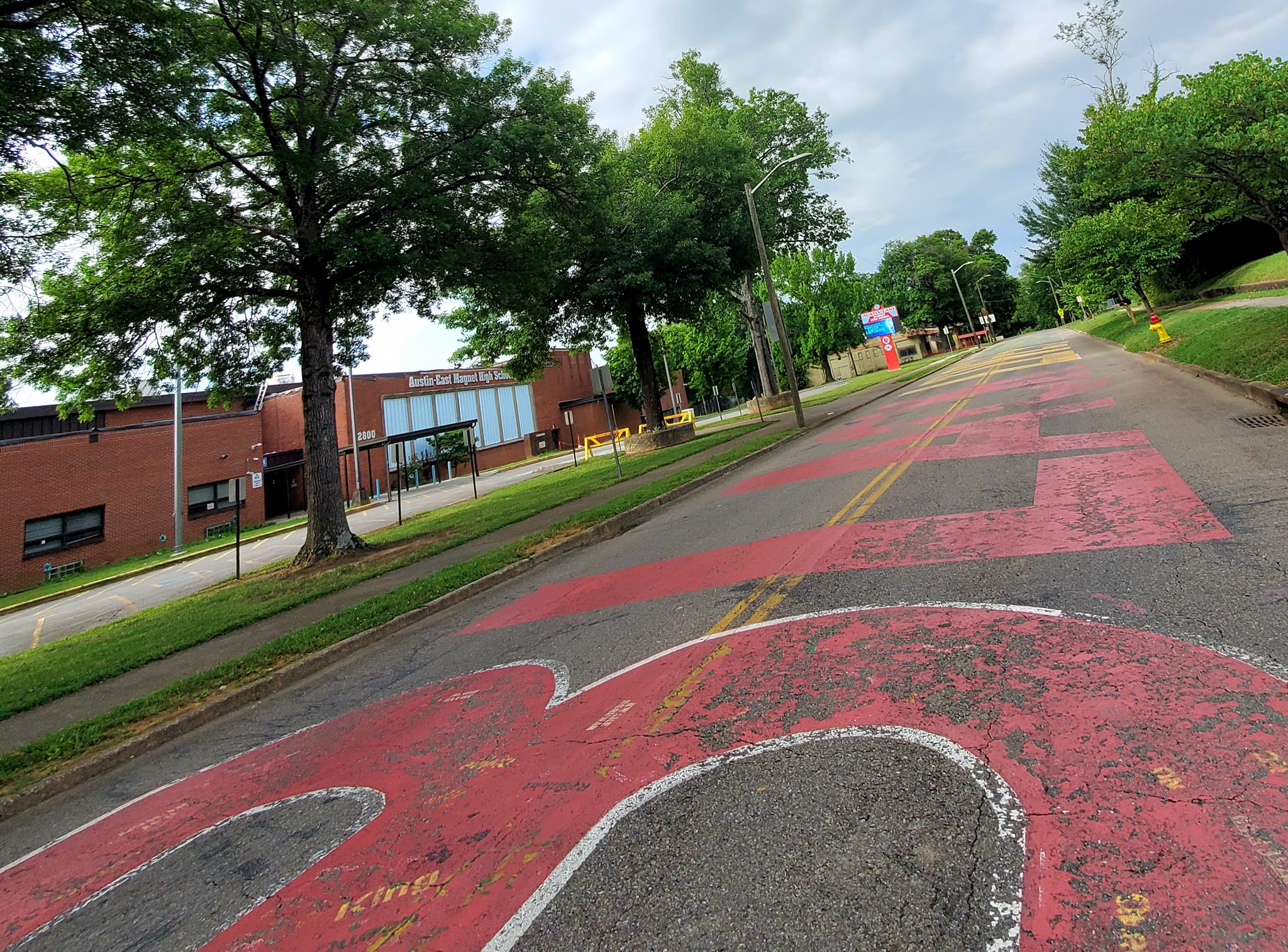
I know a few people who attended Austin East but they do not much know much about Five Points either, aside from it being a place that used to exist in Morningside. If any of my readers has more to share, I would love to hear it.

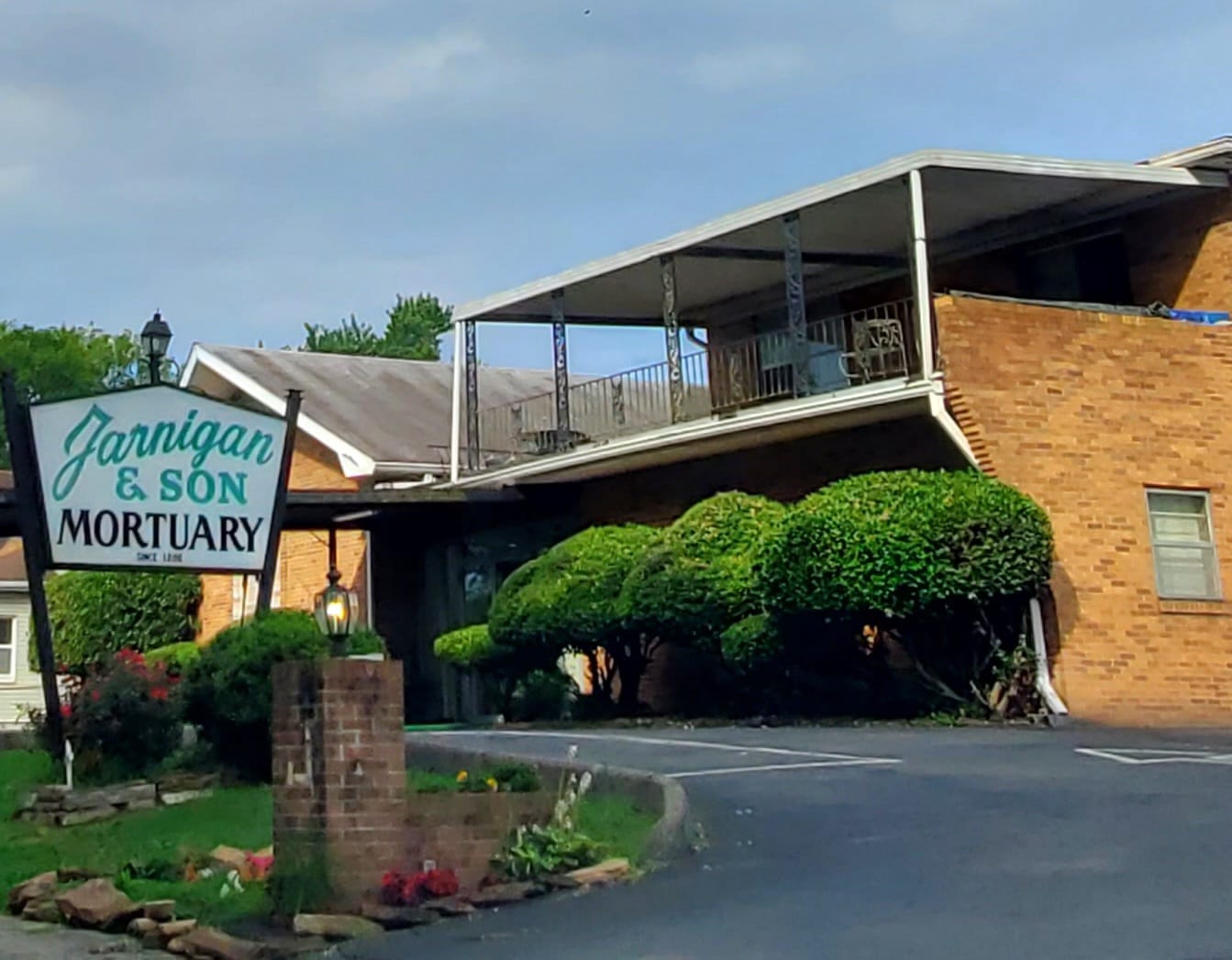
Across the street from Austin East is Jarnigan & Son Mortuary, the oldest Black-owned business in Knoxville.
Clem Jarnigan first founded his mortuary downtown on Commerce Street, later moved it to Nelson Street in what was known as the “Black part of town” back then. He died in 1927 after burying and holding ceremony for more than 5,000 people.
Jarnigan’s children kept the business going, although various urban renewal projects in the city led them to move east in the 1960s.
Allegedly, Jarnigan’s Mortuary is the only Black-owned business forced to leave downtown that survived, and still survives. What an amazing legacy!
SACRED GROUNDS
In addition to Bethel Cemetery, East Knoxville has a few other prominent cemeteries. Calvary Cemetery was first established as a Catholic cemetery in the 1800s and most of its earliest interned are of Irish, German, or other immigrant communities.
Former mayor John T. O’Connor and Patrick Sullivan, the well-known saloon keeper of the Old City, are both buried in Calvary.
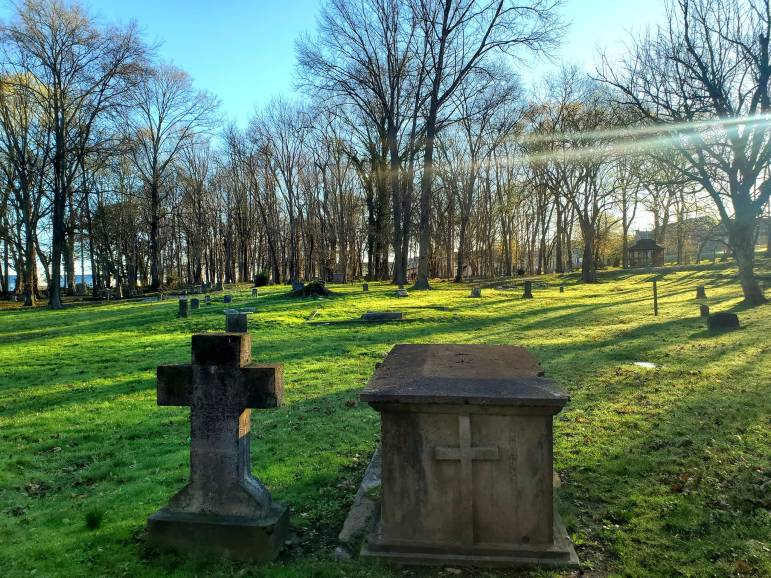
There is also old Potter’s Field, where the county buries its unclaimed and unknown deceased. Many of these burials are unmarked and unrecorded.
One extremely large monument has a passage by Thomas Gray’s “Elegy Written in a Country Churchyard” engraved on it.
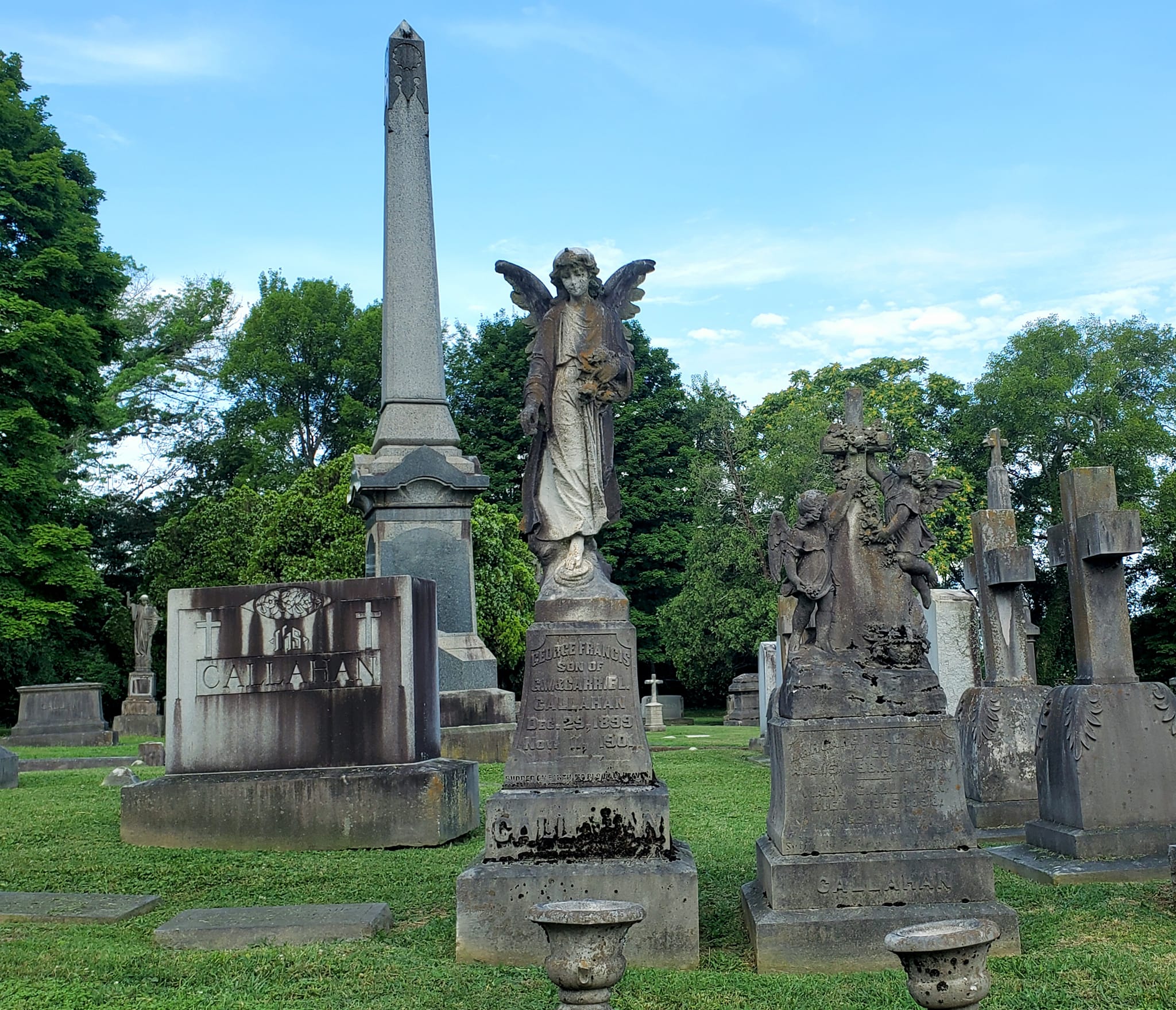
Across to the east from Potters Field is Odd Fellows Cemetery, an African American cemetery that includes many memorials to people born into slavery. Among those buried here are multiple solders, from the Civil War and later, as well as the grave of notable Knoxville business magnate Cal Johnson.

CHILHOWEE PARK
The Chilhowee Park community is the mostly residential area surround Chilhowee Park itself and Prosser Road.
Chilhowee Park first started as a small dairy farm that the owner called Lake Ottosee before it became Chilhowee Park.
East Tennessee’s first electric street car was built through this area in 1890 allowing easy access for guests to visit the farm, especially for fireworks celebrations, motorcycle races, football games, and later the Appalachian Exposition and National Conservation Exposition. Both expositions drew millions of attendees, including Helen Keller and Booker T. Washington.
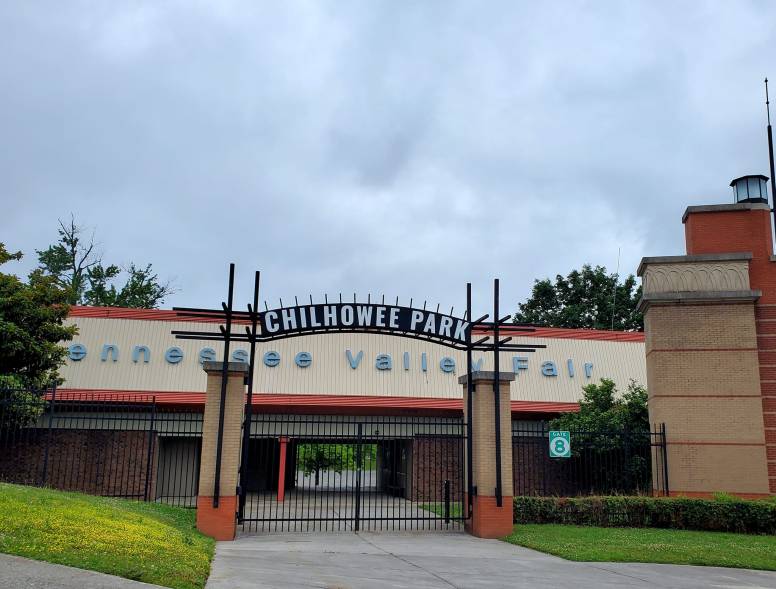
The Jacob Building, what most of us know as a boring old structure for boring old events, used to host some of the wildest concerts imaginable.
James Brown, Ike & Tina Turner, Little Richard, Fats Domino, Bo Diddley, and Chuck Berry turned up inside that place, as well as Louis Armstrong, Tommy Dorsey, and Duke Ellington.
MUSE, children’s STEAM museum, is also located in this area.

ZOO KNOXVILLE
Knoxville’s zoo has come a long way since it was founded in 1948 with little more than an alligator drawing guests to “Birthday Park Zoo.”
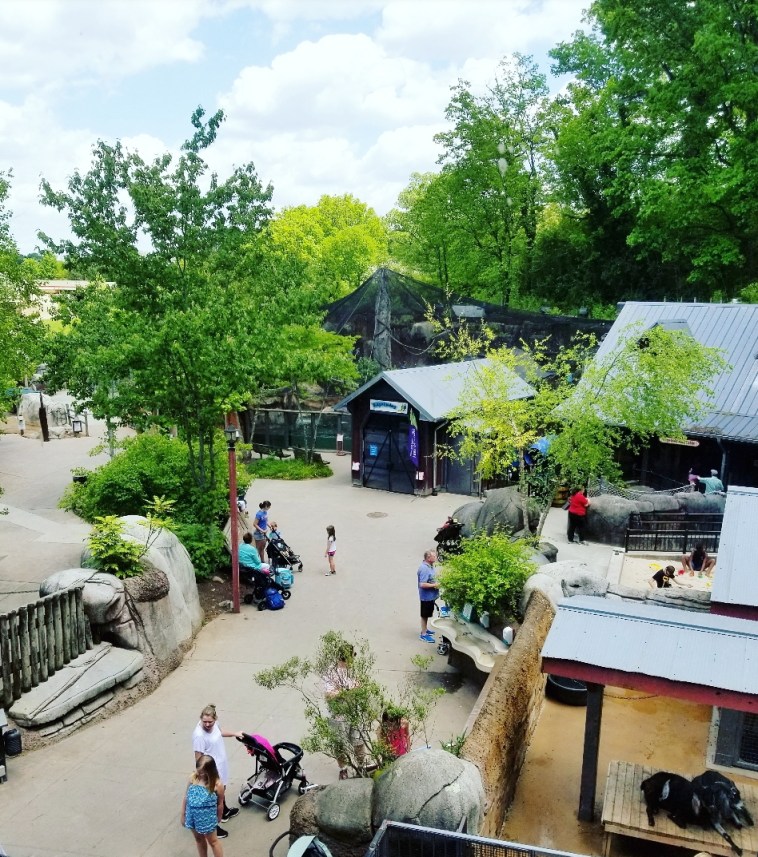
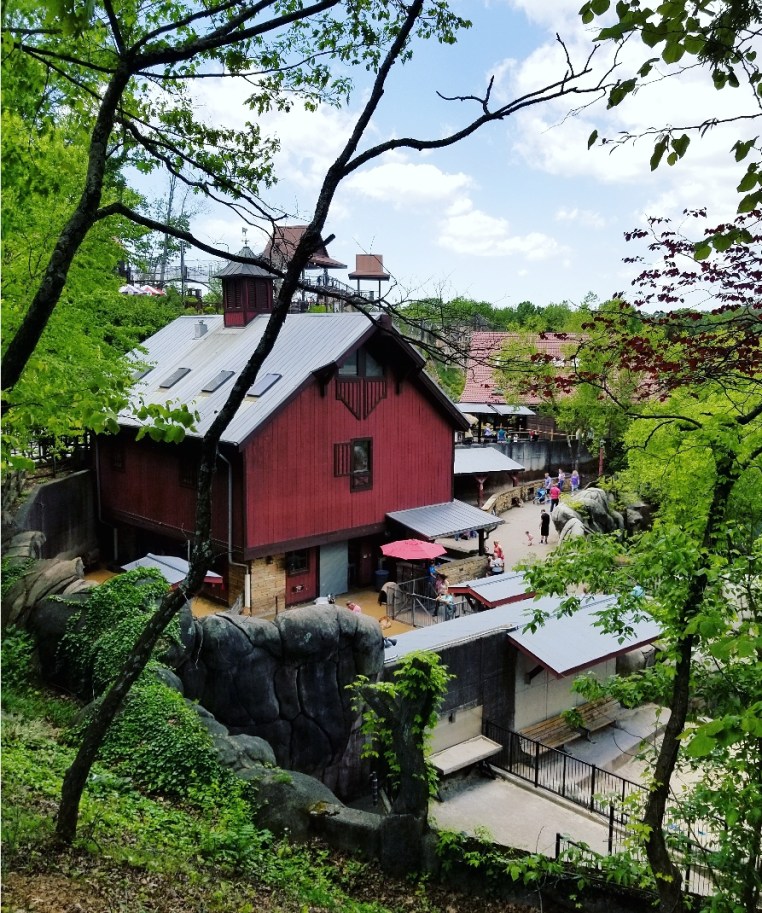
In the following decade or two, more misfit animals were added to the roster until some major investments built it up into proper zoo in the ’70s.
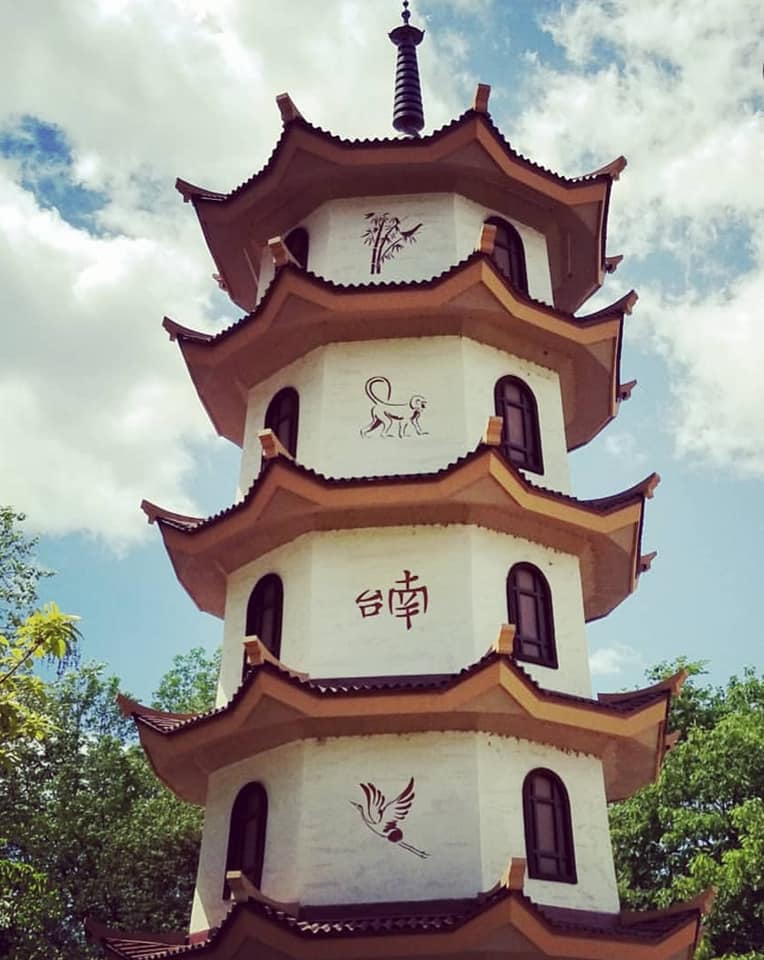

I love carousels, so of course I will include this photo.

Zoos are pretty self explanatory, so enjoy a few shots of some of my favourite local critters.
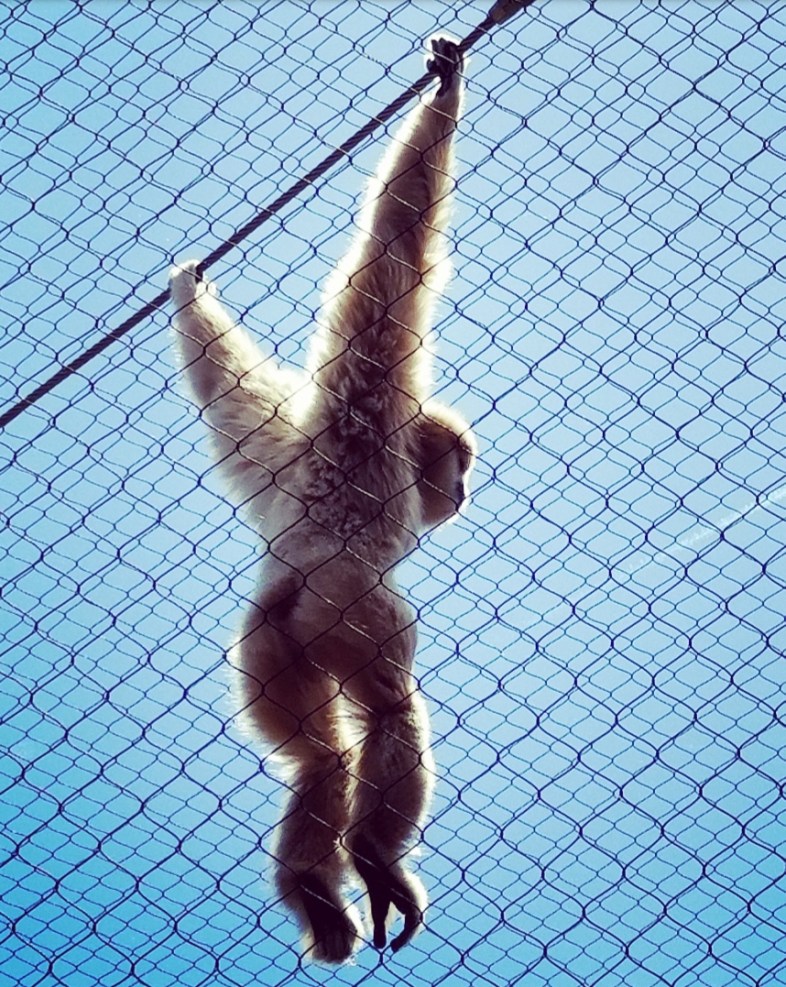
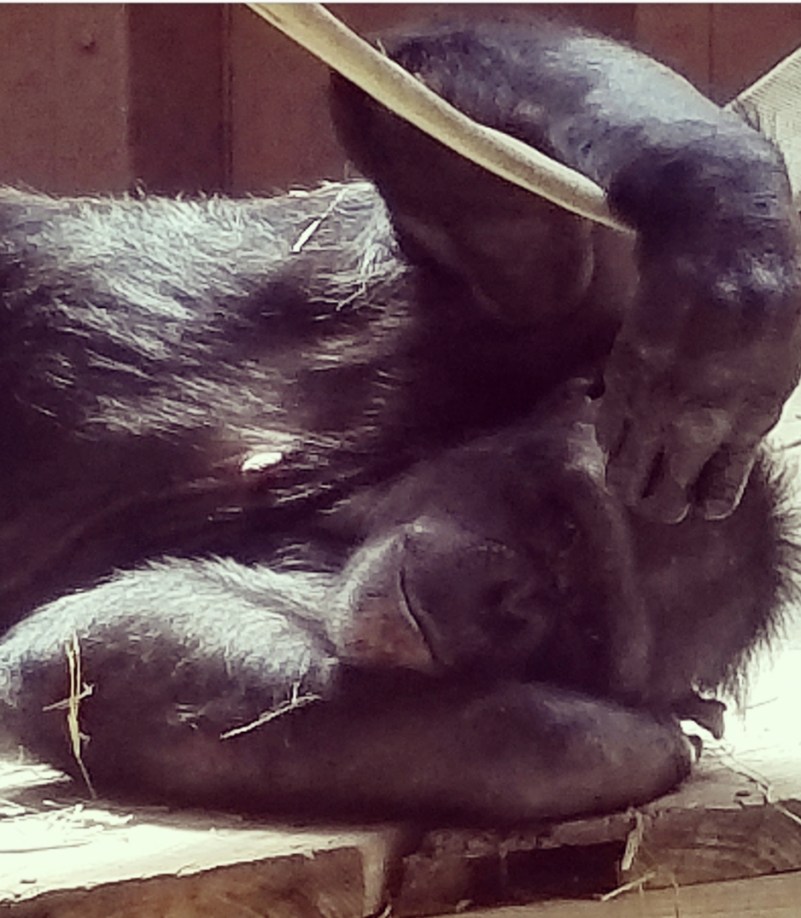


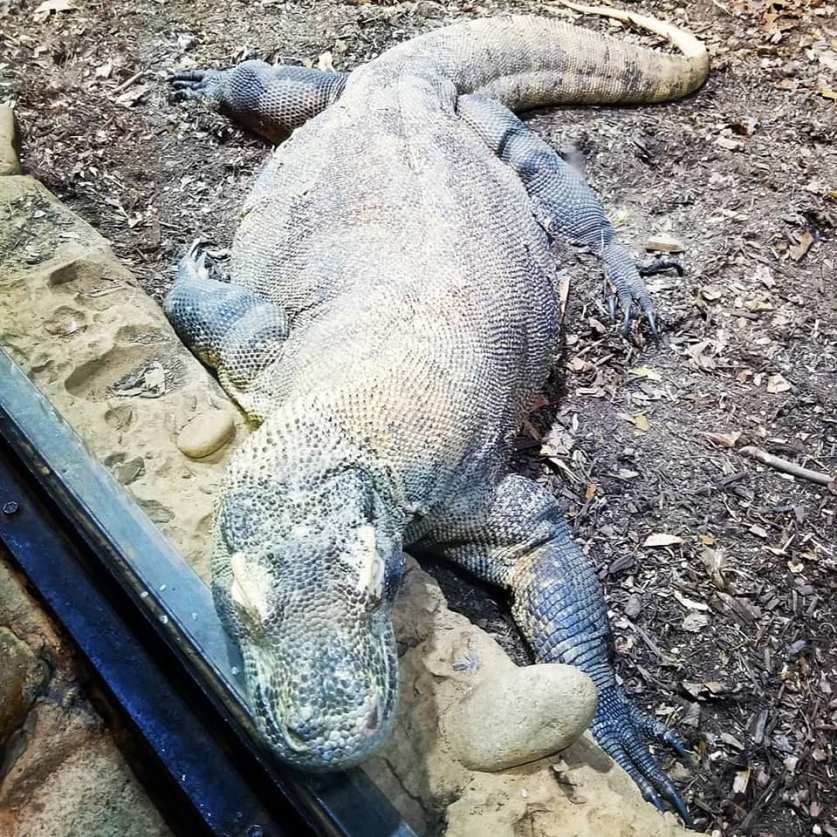

DULCIE’S JAMAICAN is just down from Chilhowee Park and the Zoo, and they have some seriously delicious food. My friend Claire treated me to a feast the first time I went, and I have been once since then. Time to go back!

BAKER BOY & ORANGE HAT BREWING are side by side, a dream combo in Chilhowee Park. You can not really go wrong with beer and pizza.

PIZZA PALACE
Speaking of pizza, I would be remiss not to mention Pizza Palace, a dingy little drive in place on Magnolia Avenue that opened in 1961. People love to rave about how amazing their food is, especially since they were featured on Food Network’s Diners, Drive-Ins & Dives in 2007. I ate there that same year I found it very unappealing, but Guy Fieri can’t be wrong.
In an effort to eat my words, literally, I just went back this past week. It has now been 18 years since my first visit. The call boxes are not as grimy as I remember but the staff is still rude, it still took over half an hour for a personal sized cheese pizza with only two other guests, and the food was still unbelievably greasy and bland.
I am absolutely thrilled that any business has been successful and remained opened for as long as they have, so even though the food is not really my taste, I wish them all the best.

BURLINGTON
Just beyond Chilhowee Park and the Zoo, you can find the old Burlington community.
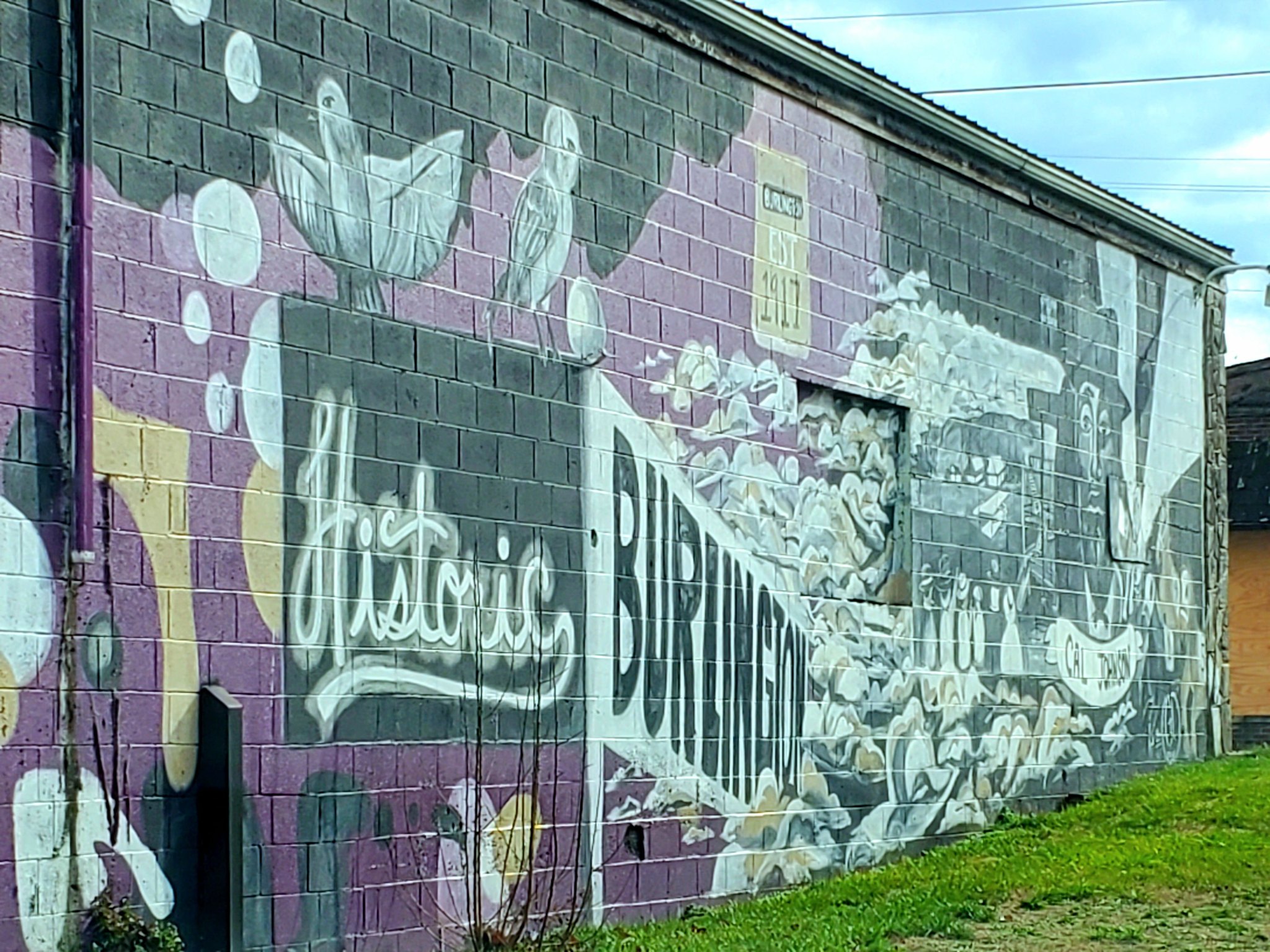
In my early 20s, I worked just one mile from the Burlington Branch Library. Most days I spent my lunch break in the library, using their internet before Smartphones were a thing, or eating at one of the nearby restaurants.

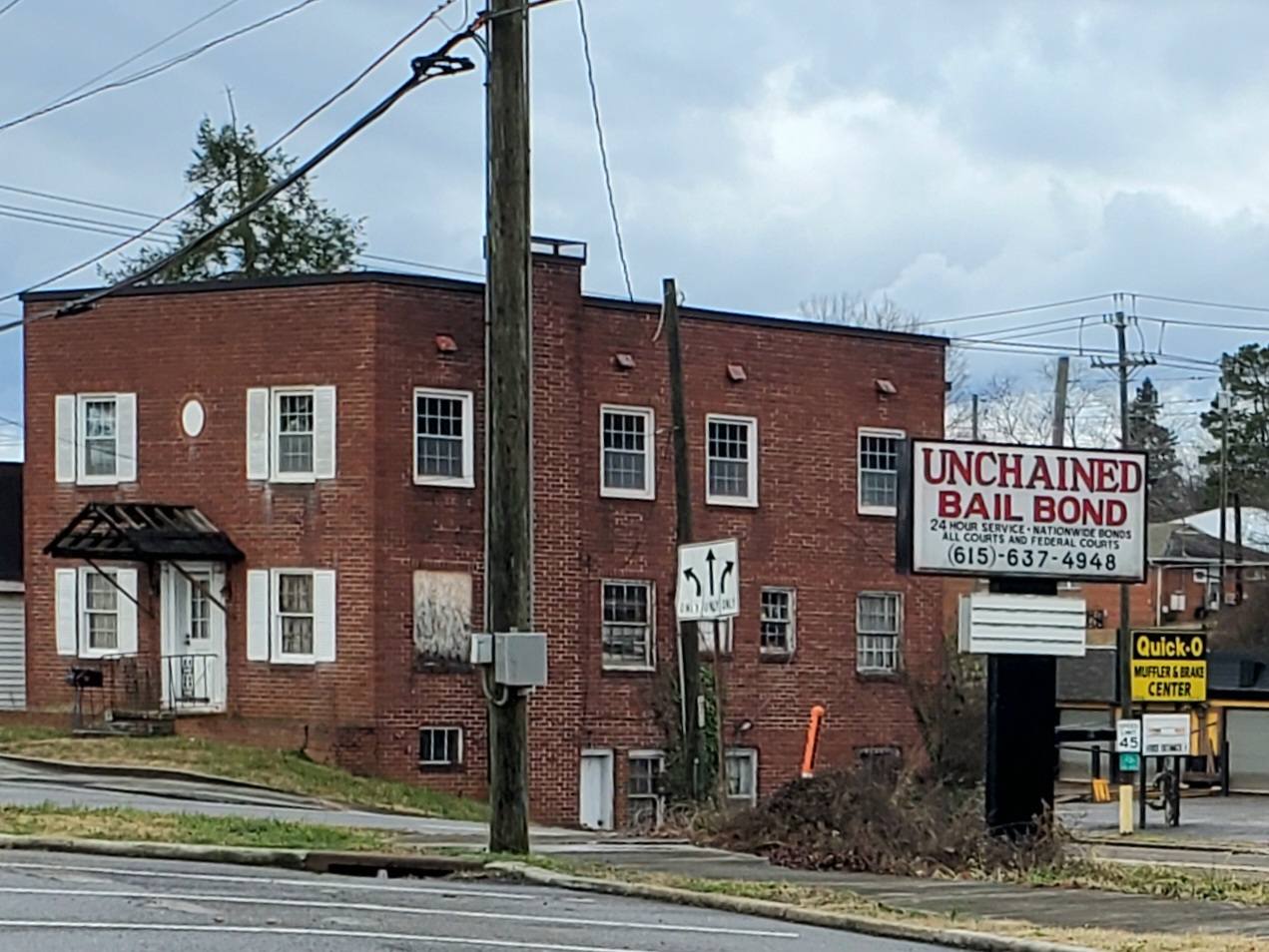
Back then, I had no idea that this area was anything but one of the most run down and sketchy parts of Knoxville. It is so strange to drive through today and see all the places that have closed but reopened as something new.
The old drive-through Pizza Hut is now Chicago Hot Dogs & Sausage Company, Captain D’s is Captain Jack’s, and Long John Silver’s is something else I can not recall.

Lema’s World Famous Chitlins is a place I could never bring myself to visit, but it is a well-known East Side institution.

Downtown Burlington may not look like much today but if you just look at the layout and design, you can tell it was once a thriving downtown on its own.

This was once a shopping district at an end station of the Magnolia Streetcar that hosted restaurants, a fish market, movie theatre, and other shops.


Burlington had its own baseball team that won regional championships back in the 1920s, complete with its own Old Burlington cheer squad.
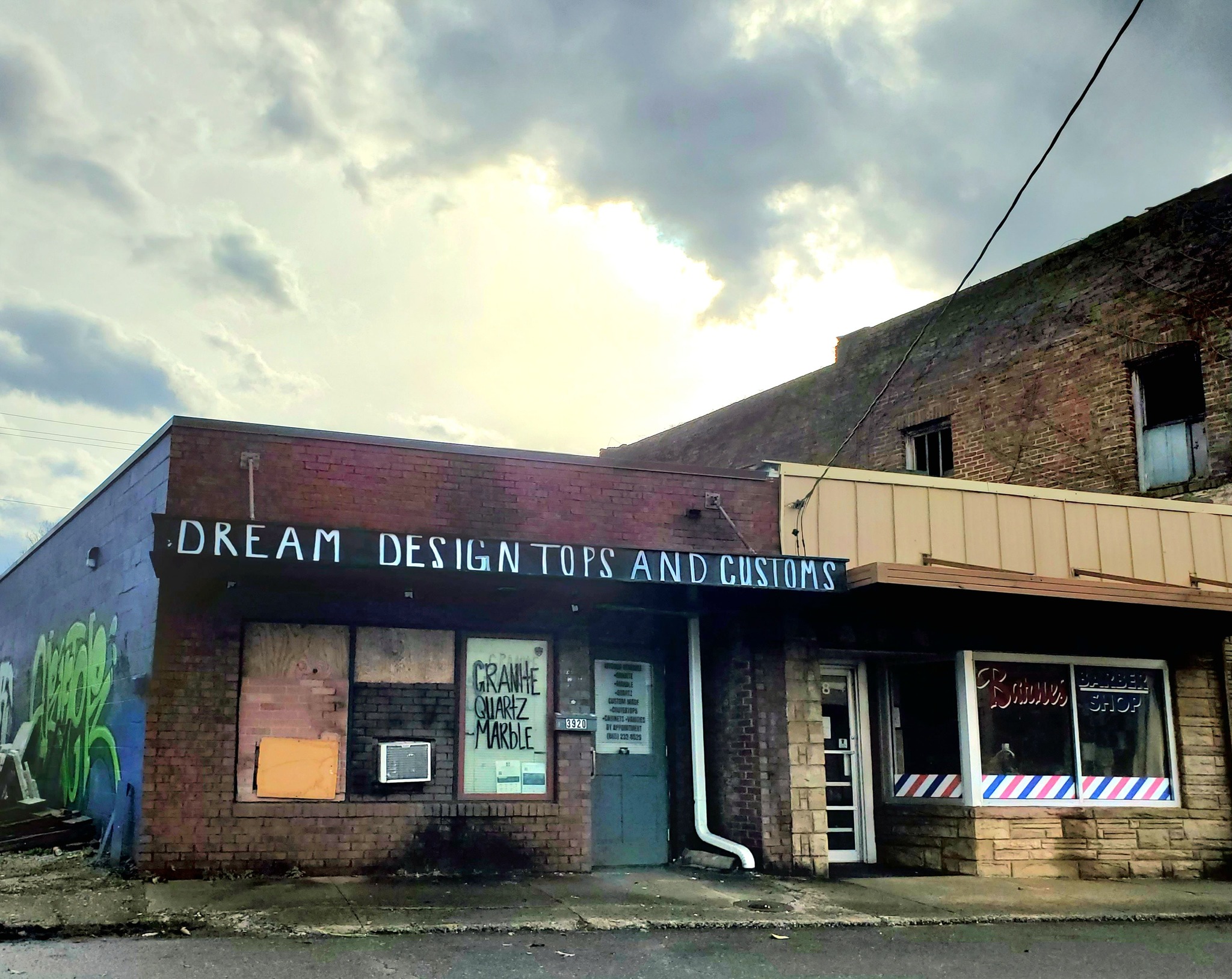
I would have LOVED to have seen it during its peak era. Rumours of the Burlington Streetscape Project have been circulating for many years, and they are already a few years past their start date. I hope someone gets it together soon!
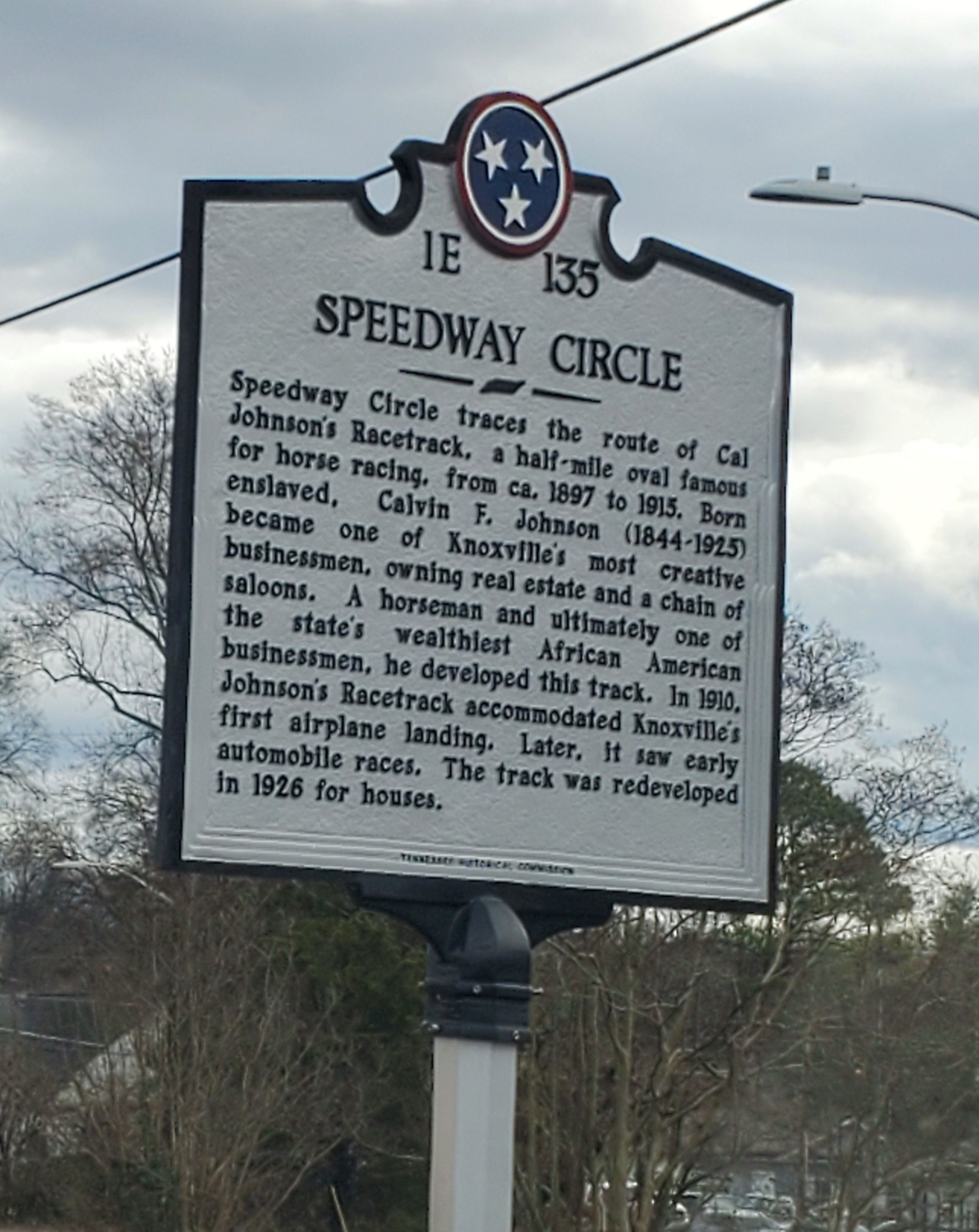
Speedway Circle is as historic site from Knoxville’s late 1800s era; a horse-racing track created by Cal Johnson.
Johnson was born into slavery but worked his way up to creating a significant number of businesses and memorable history in general.
During the Appalachian Exposition of 1910, the first airplane to ever land in Knoxville landed on the track. It was a Wright flier, by the way, which I especially appreciate as a native Daytonian/Tipper and distant relative of Orville & Wilbur Wright.
The blocks around the old race track have been residential since the 1920s but you can visit the historical marker, and a quick squint of the eyes could bring the worn, oval-shaped layout back to life.
HOLSTON HILLS
Holston Hills is the most distant of the East Knoxville neighbourhoods, sort of a last stop before you reach Strawberry Plains and other towns.
To be honest, I do not know much about its history and it is primarily residential. Two places I want to mention, however, are the historic Ramsey House and the Holston River Park.
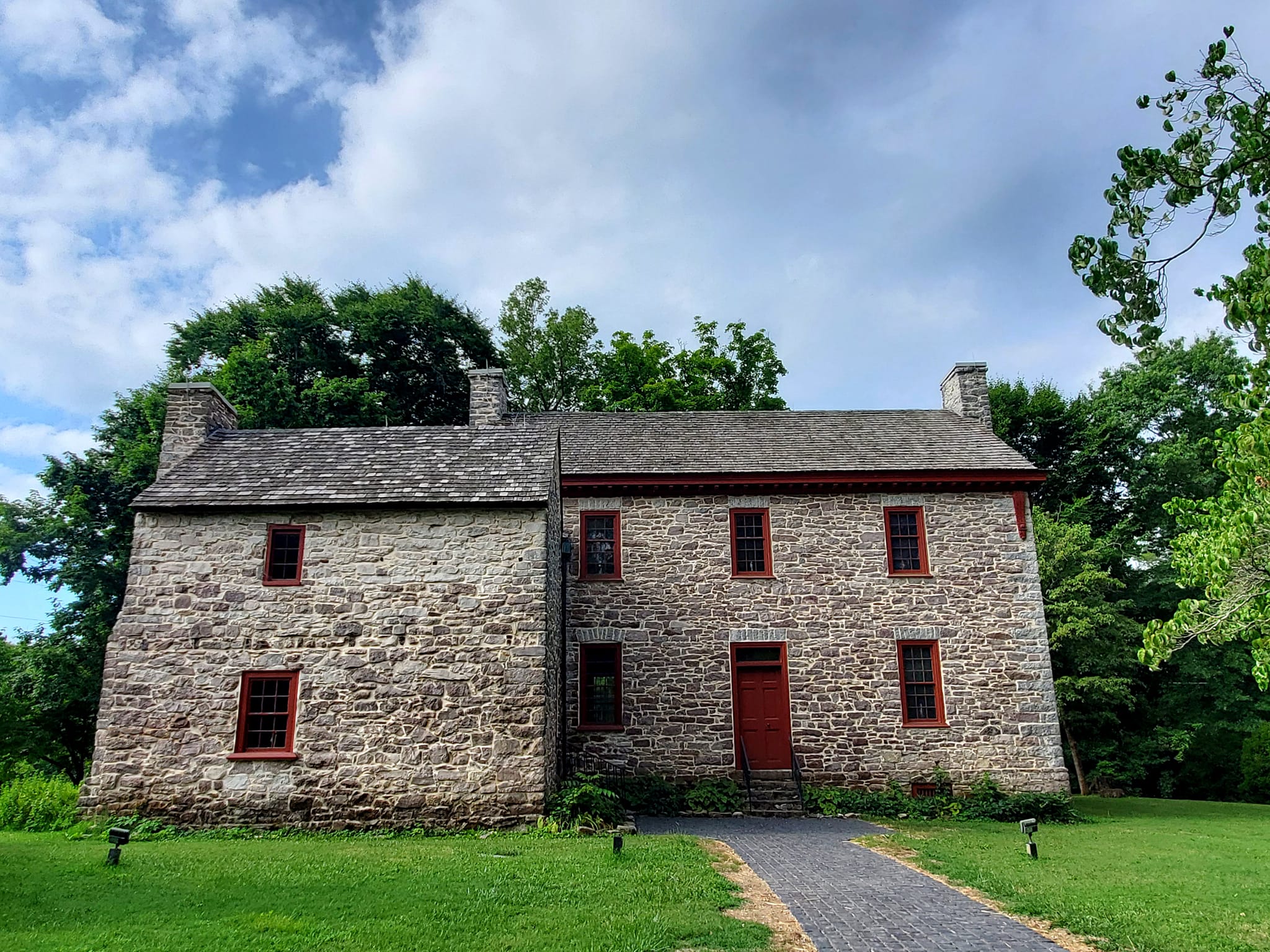
Ramsey House is one of seven Historic Homes of Knoxville, built in 1791 from Tennessee Pink Marble and Blue Limestone, among other materials.
The Ramseys were one of the first families to settle into these parts and several family members went on to become Knoxville mayor and to contribute to the founding of Blount College, which later became the University of Tennessee.
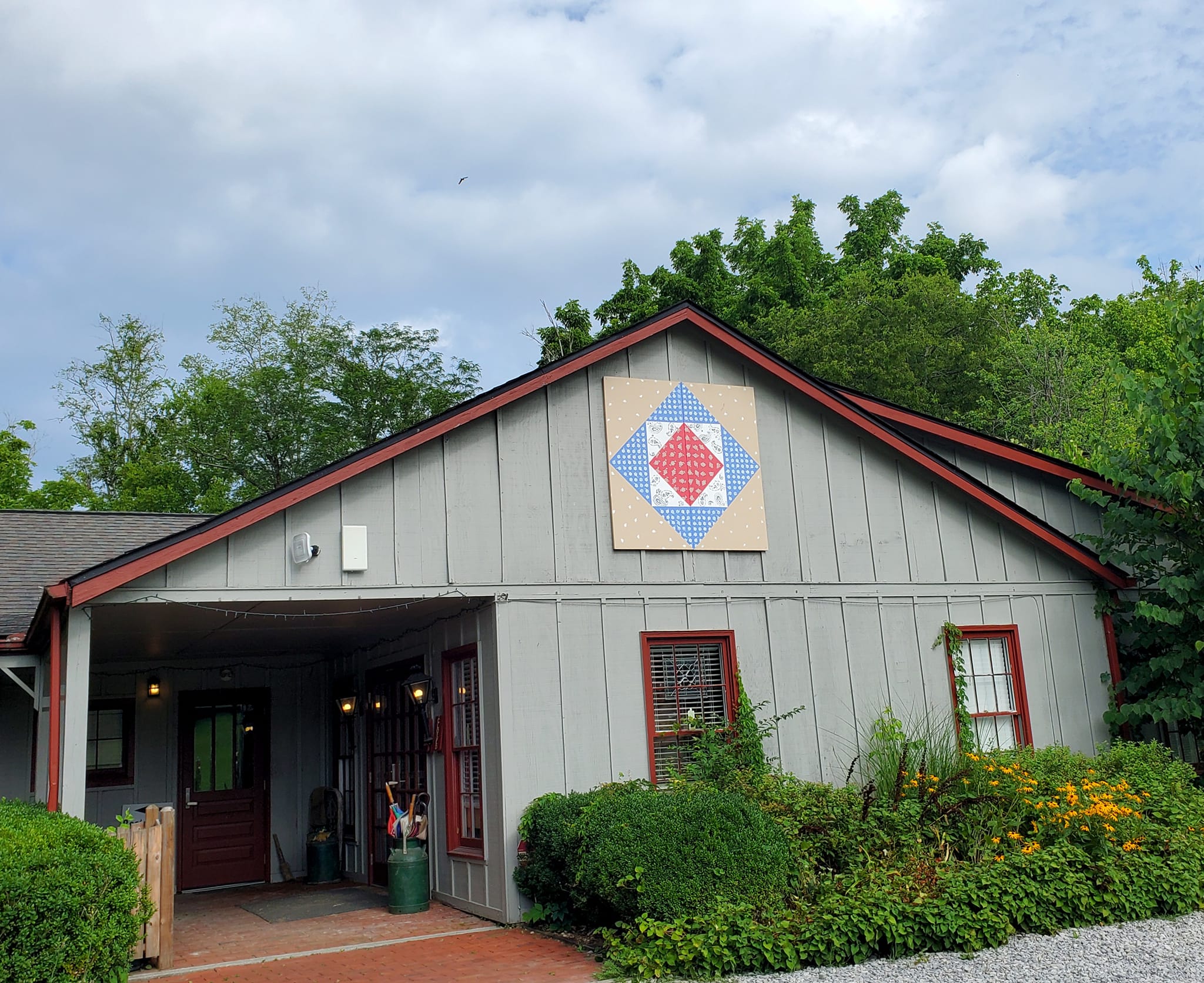
Holston River Park sits right on the Holston River and I love visiting on steamy mornings where you can watch the fog rise and travel along the water.

There is a fishing / observation deck near the parking lot, and you can hop on the walking trail from there.

I have a lot more to learn about East Knoxville but I think I am off to a good start.

In the area for a while? Follow me to South Knoxville and the Old Sevier District, South Knoxville, Happy Holler in Old North, Inskip, Marble City, and Fountain City.
********************
© Copyright Fernwehtun, 2015- Current. Unauthorized use and/or duplication of this material without express and written permission from this site’s author and/or owner is strictly prohibited. Excerpts and links may be used, provided that full and clear credit is given to Fernwehtun and Fernwehtun.com with appropriate and specific direction to the original content.

 Fernweh, An Ache for Distant Places
Leave a comment