
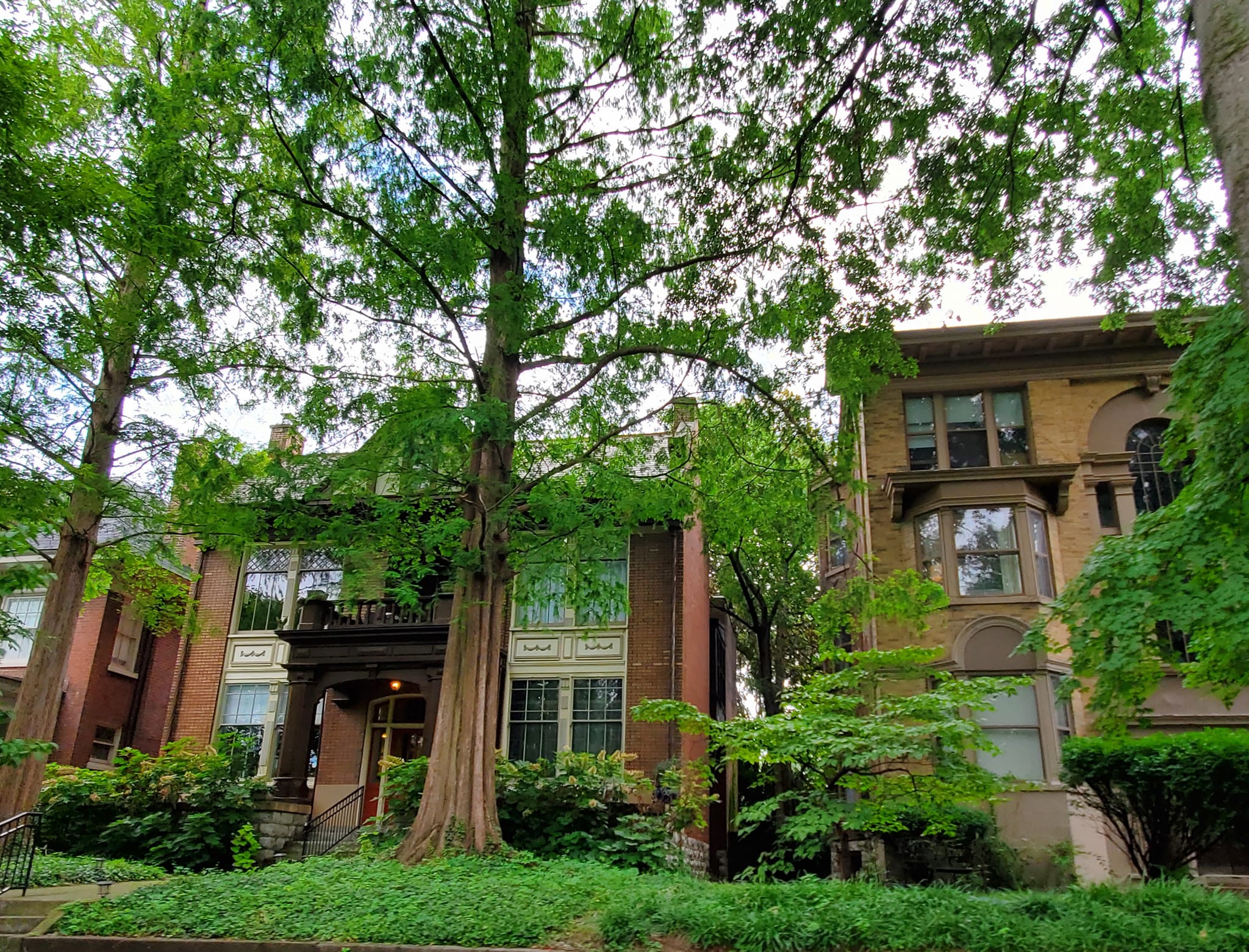
The historic Old Louisville Neighborhood is the beholder of many of this country’s largest collections. Among them is the largest collection of restored Victorian homes and the third largest Preservation District in the United States.
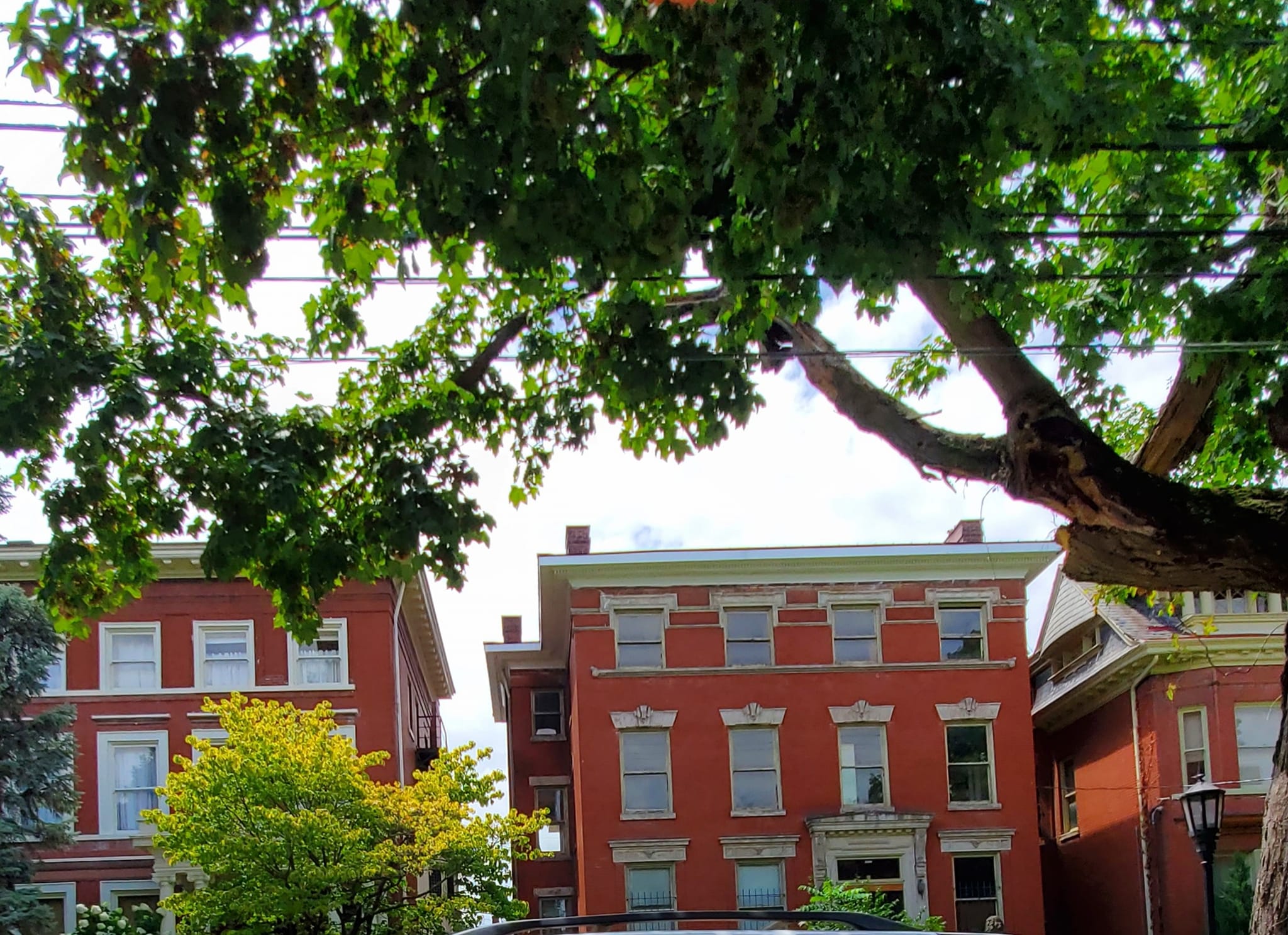
These forty city blocks do not just contain the most Victorian homes, rather, it is almost completely comprised of them.
Additionally, it has the largest collection of residential homes containing stained glass windows, and the largest collection of pedestrian-only streets found in any residential neighbourhood in the US.
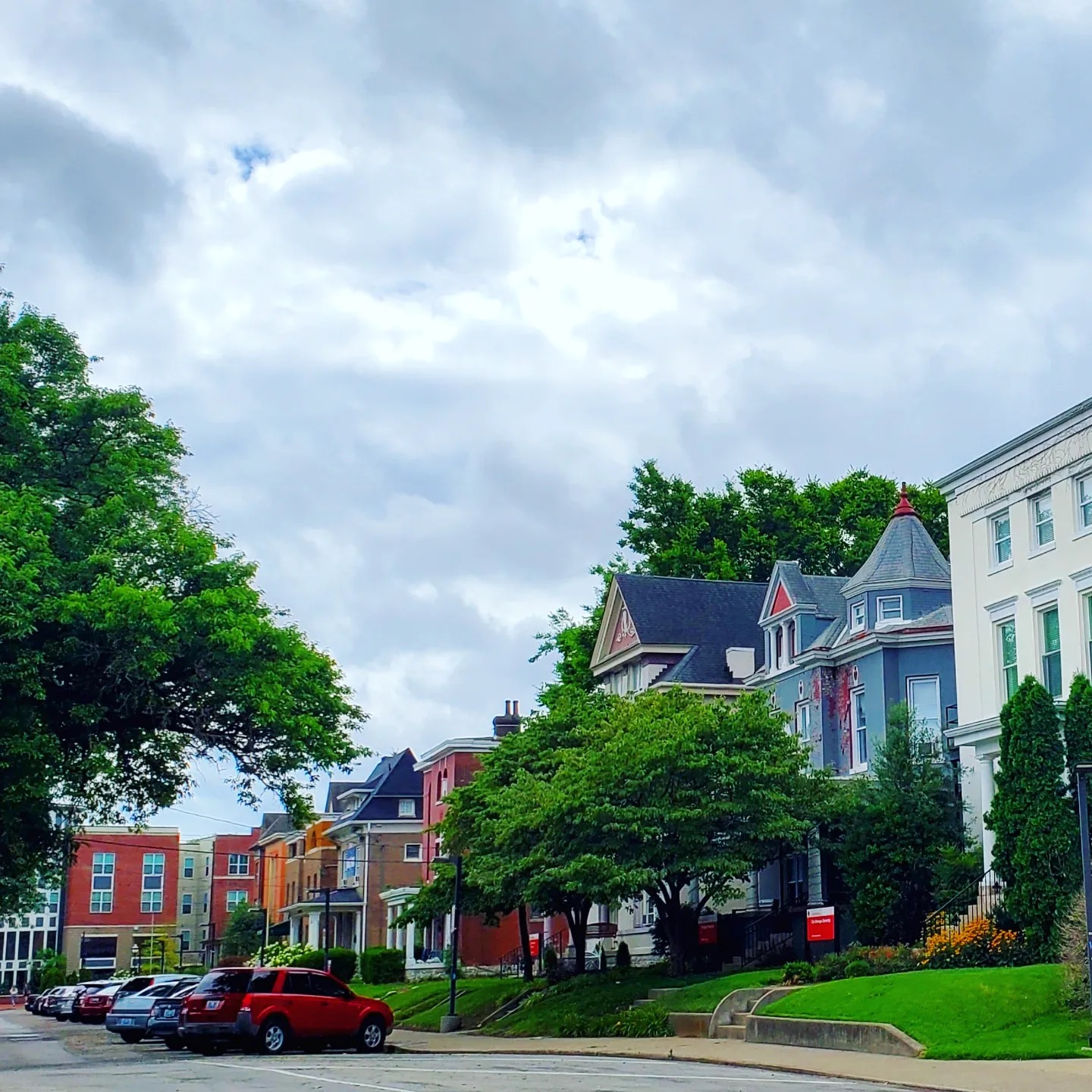
Old Louisville is located south of downtown Louisville and north of the University of Louisville, expanding outward from its very own Central Park.
This neighbourhood was not part of the original plans of the city. It was developed in the 1870s, nearly a century after Louisville proper was established.
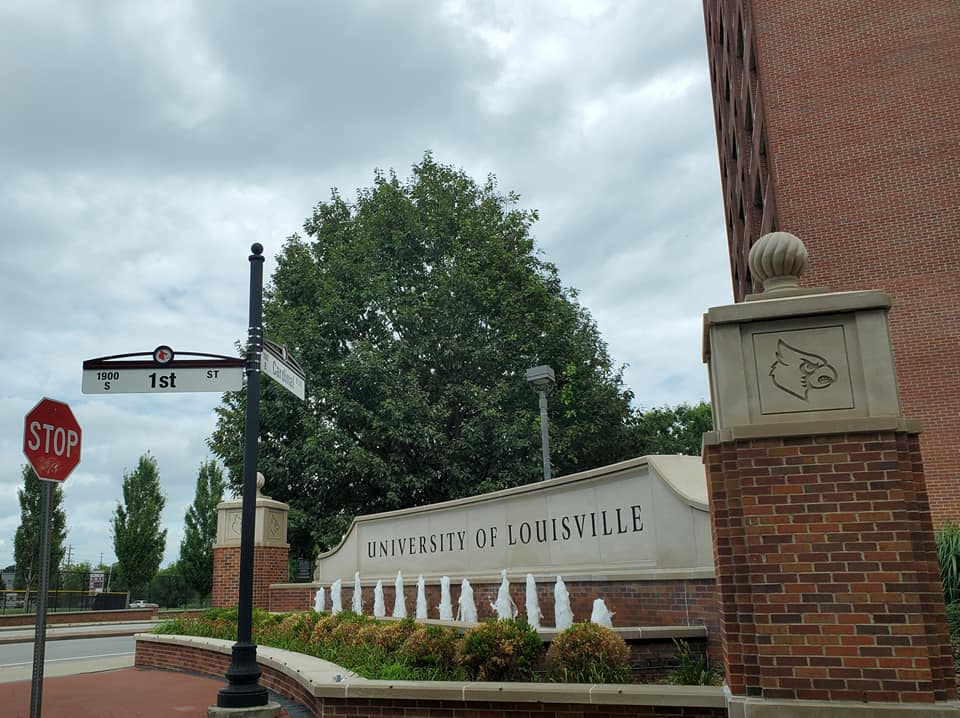
Some of Old Louisville’s original territory has dwindled a bit due to the construction of UL and other schools.
The wealthiest and most fashionable citizens of Louisville made their homes in this neighbourhood for decades, until the streetcar tracks were laid in other parts of town during the early 1900s.
These affluent families packed up and moved to newer and more urban neighbourhoods, leaving their mansions to crumble or, at best, be hacked into small apartments and rented to those with far lesser incomes.
Poverty does not leave homeowners or tenants much room in the budget for renovating and maintaining old homes, so naturally the neighbourhood fell into disrepair.
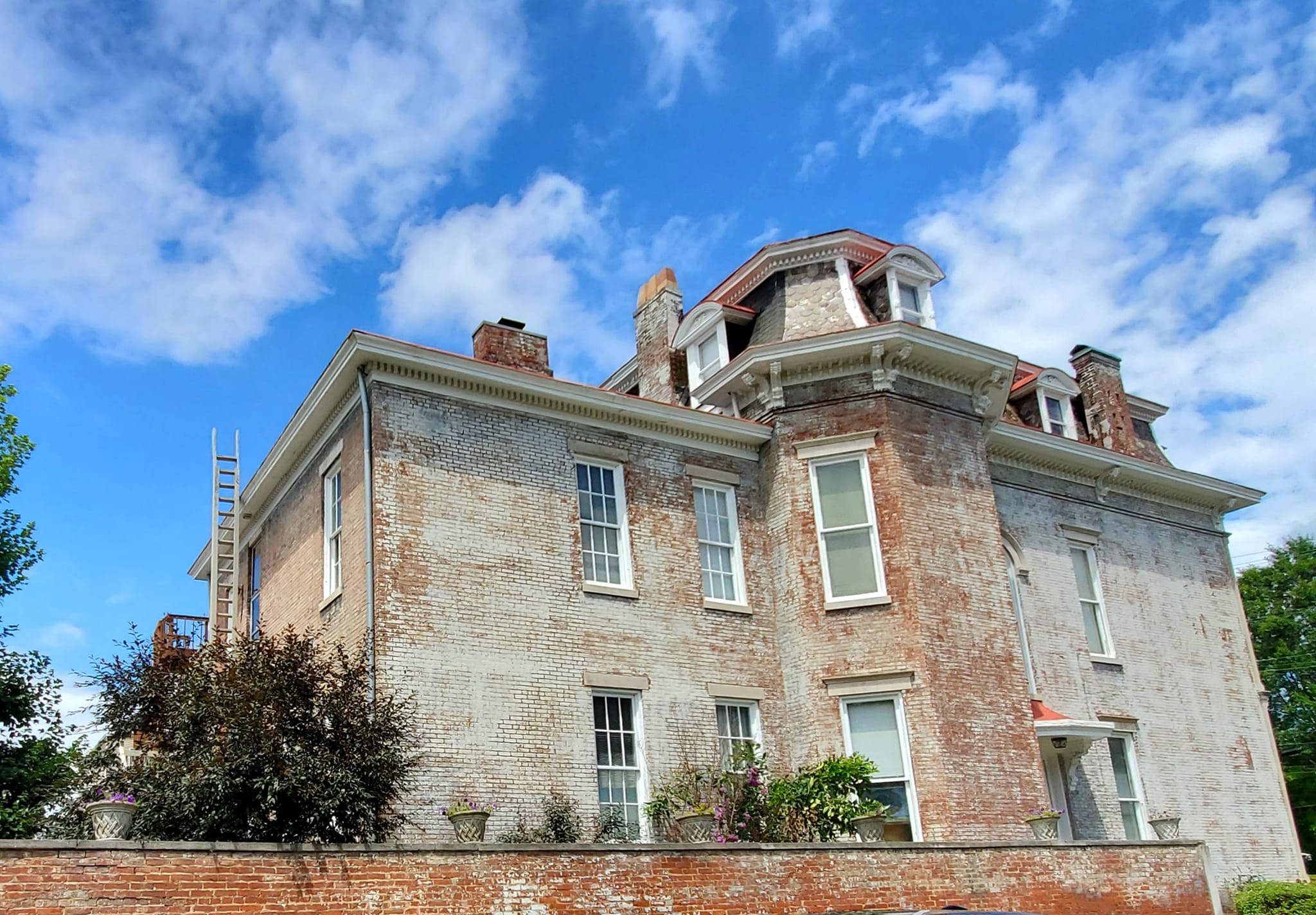
It was not until the 1960s that a local named Douglas Nunn learned about and took interest in revitalizing this area, and gave the neighbourhood its new name of Old Louisville.
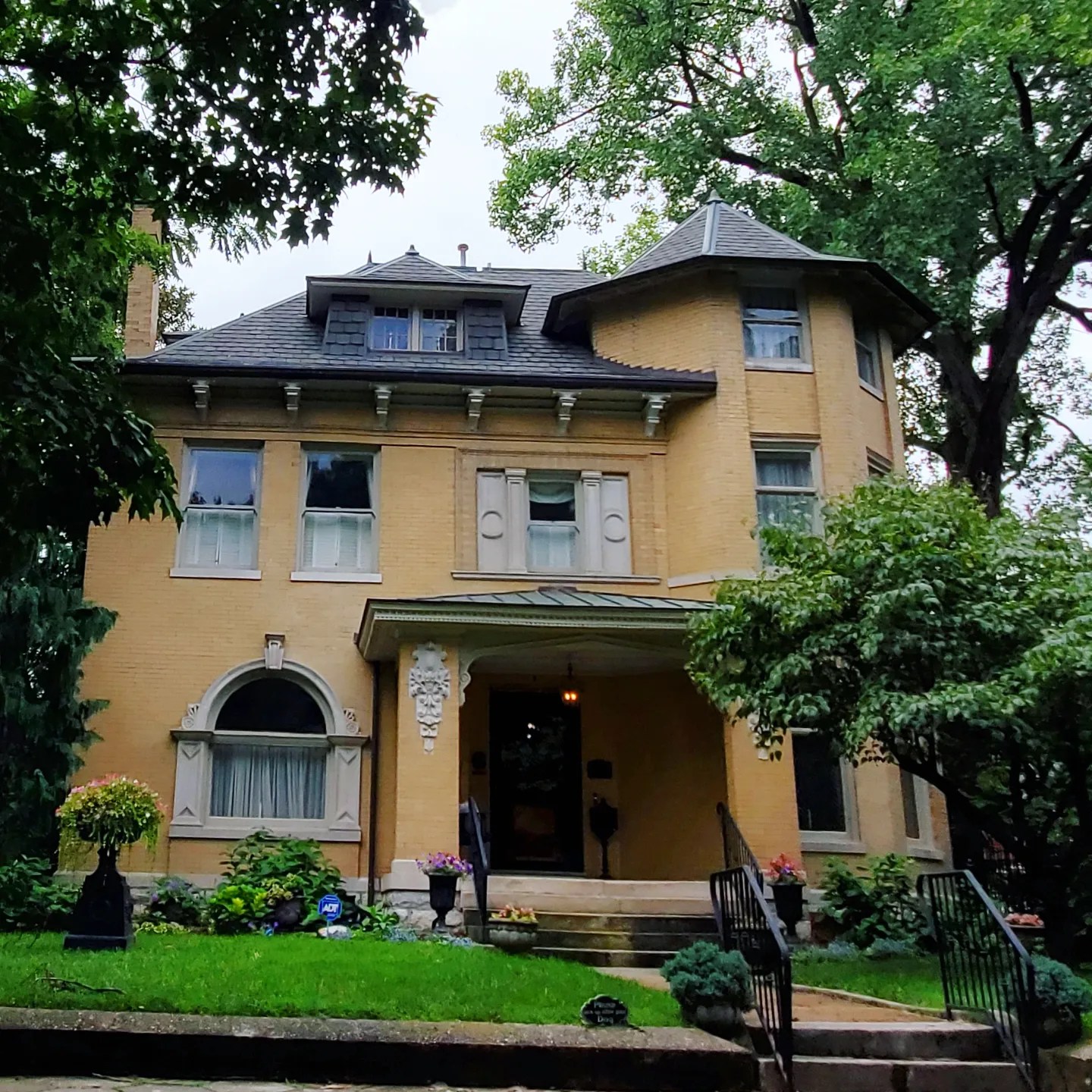
Nunn was a writer for the Courier Journal in Louisville and he fell in love with Old Louisville. He spearheaded efforts to found Restoration, Inc. and restored nearly a dozen homes as fast as he was able.
His work inspired others to team up and work toward the same goal, which earned Old Louisville its status as a historic preservation district in 1974.
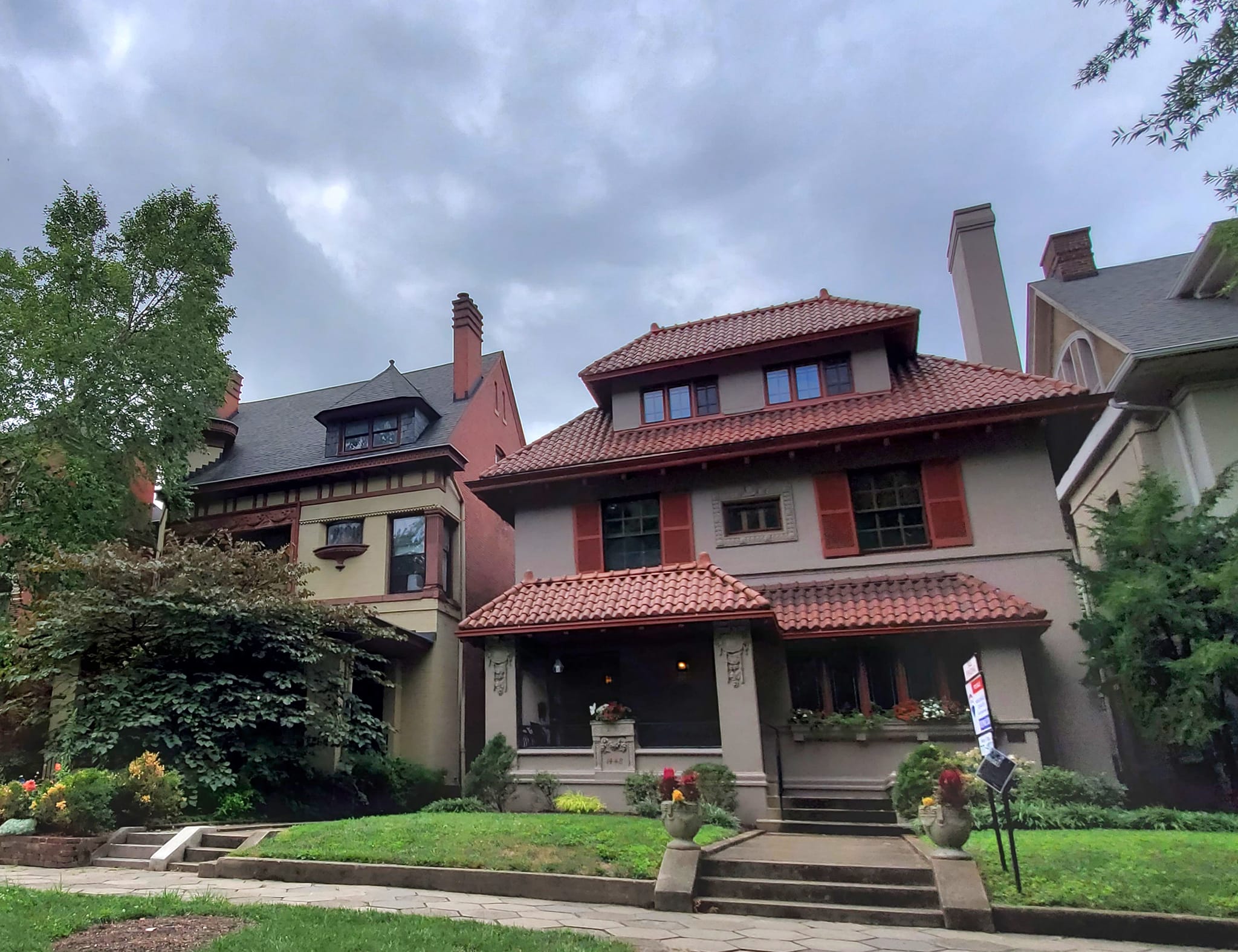
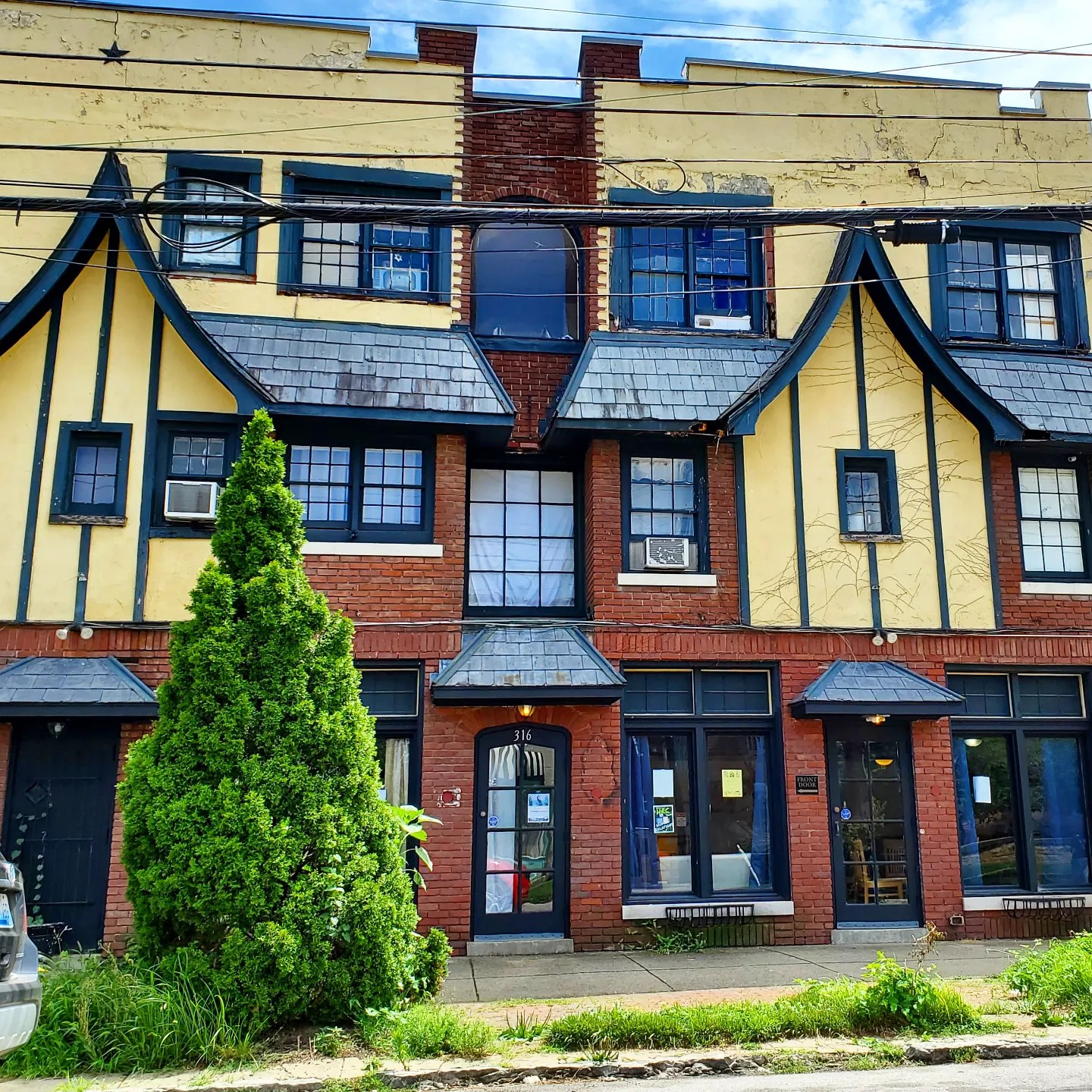
Protections granted to the new historic preservation district kept commercial development from destroying historic buildings, but you will see some businesses set up in former residential homes now.
The Conrad-Caldwell House is a mansion on St. James Court that has been converted into a museum.
It is in the Richardsonian Romanesque style, with Bedford limestone and embellished with gargoyles peering out from its exterior walls.
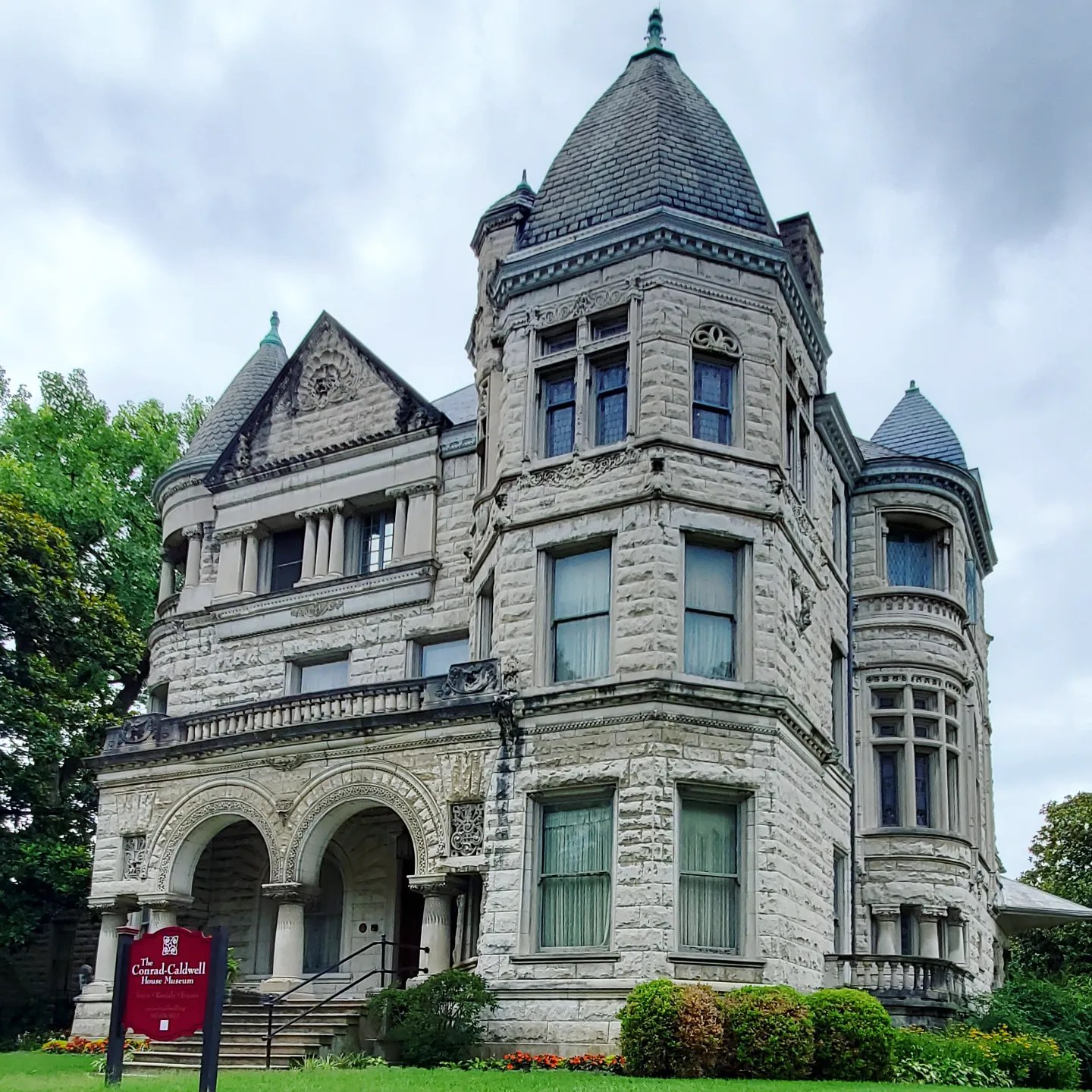 The museum embodies the efforts of its former owners to create a collection of local artifacts, relics, records, documents, photos, maps, tools, furniture, décor, and heirlooms of Louisville and the greater Ohio Valley.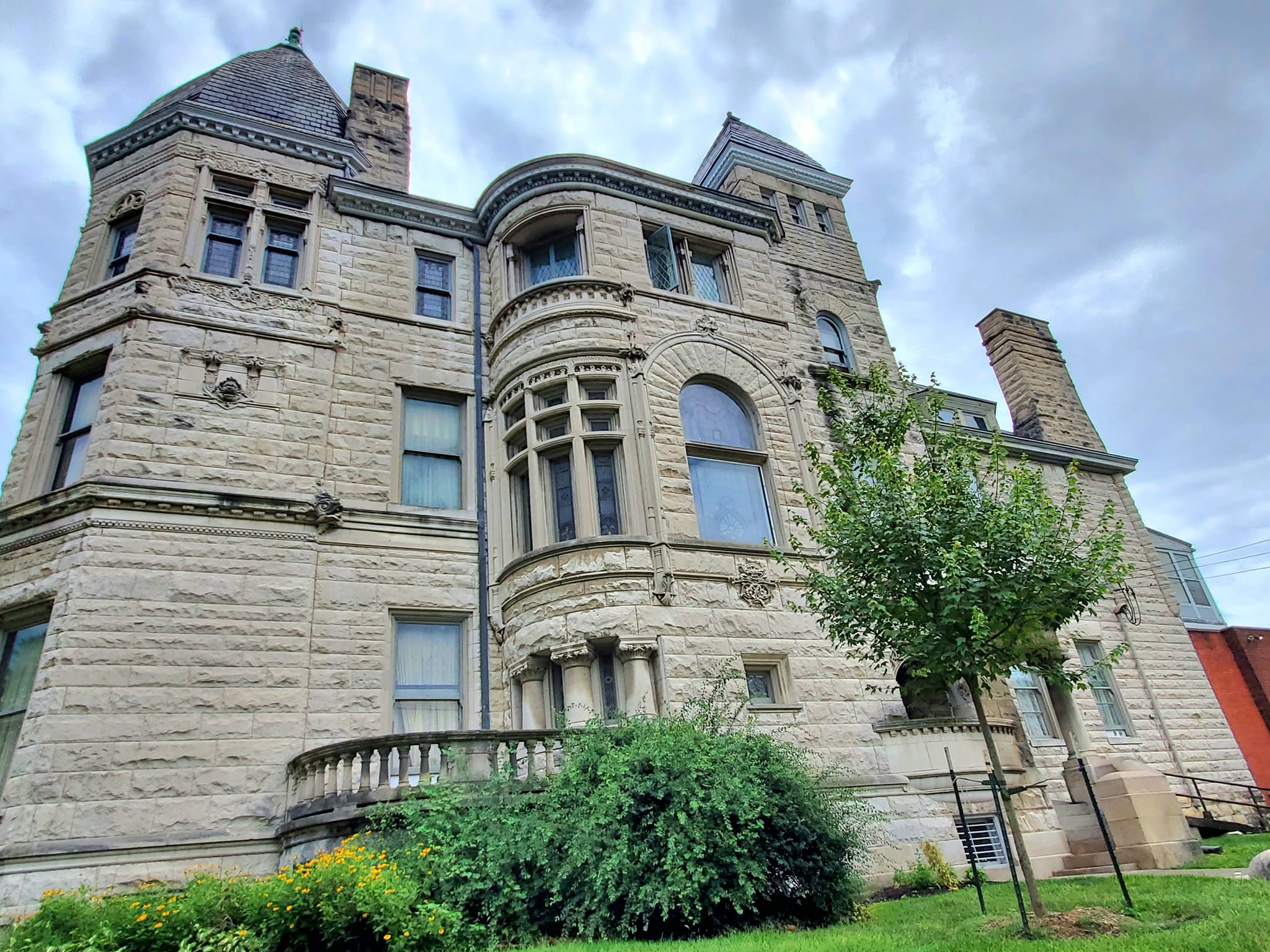
The Filson Historical Society in the old Ferguson Mansion is another fantastic source for local lore and records, but I was unable to capture its photo.
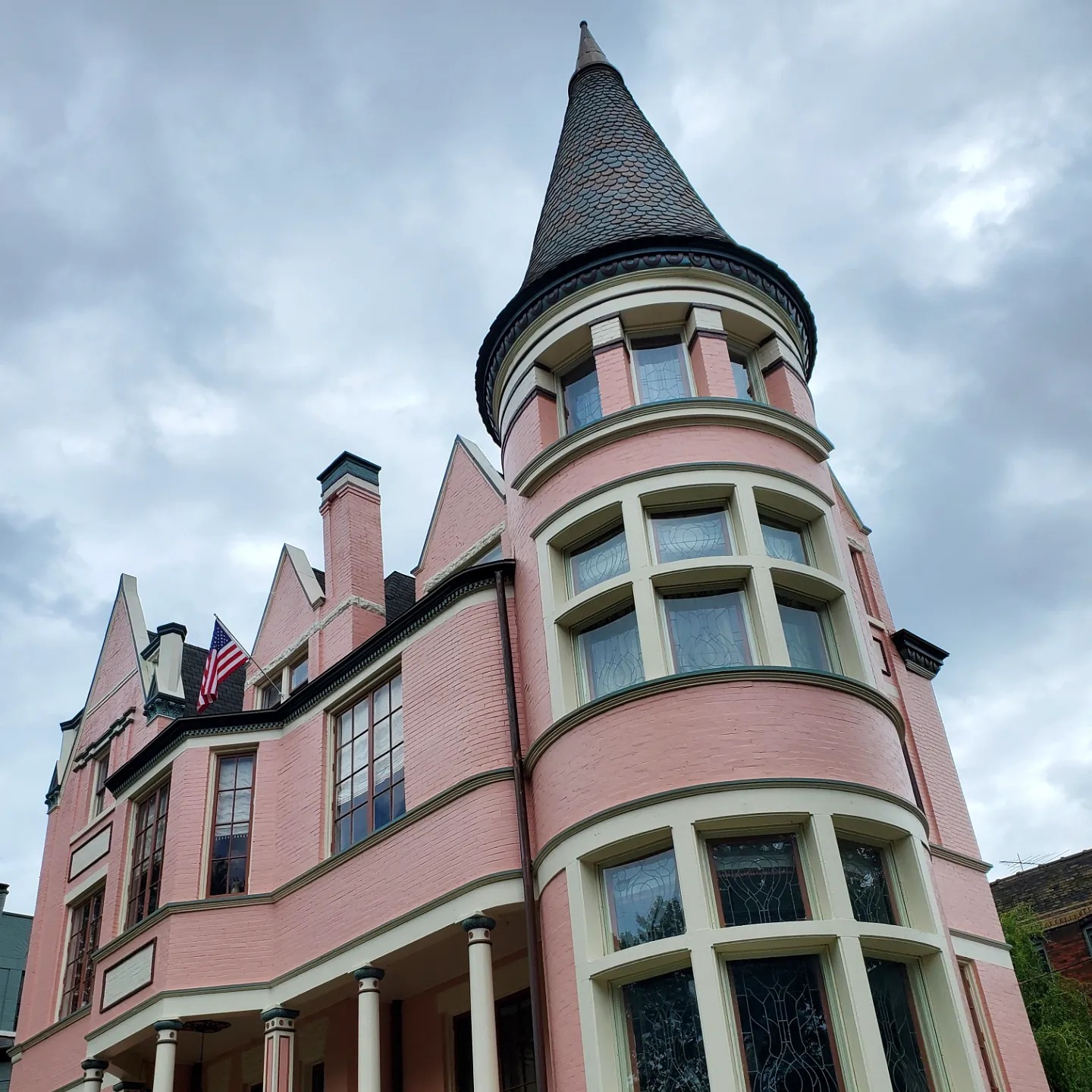
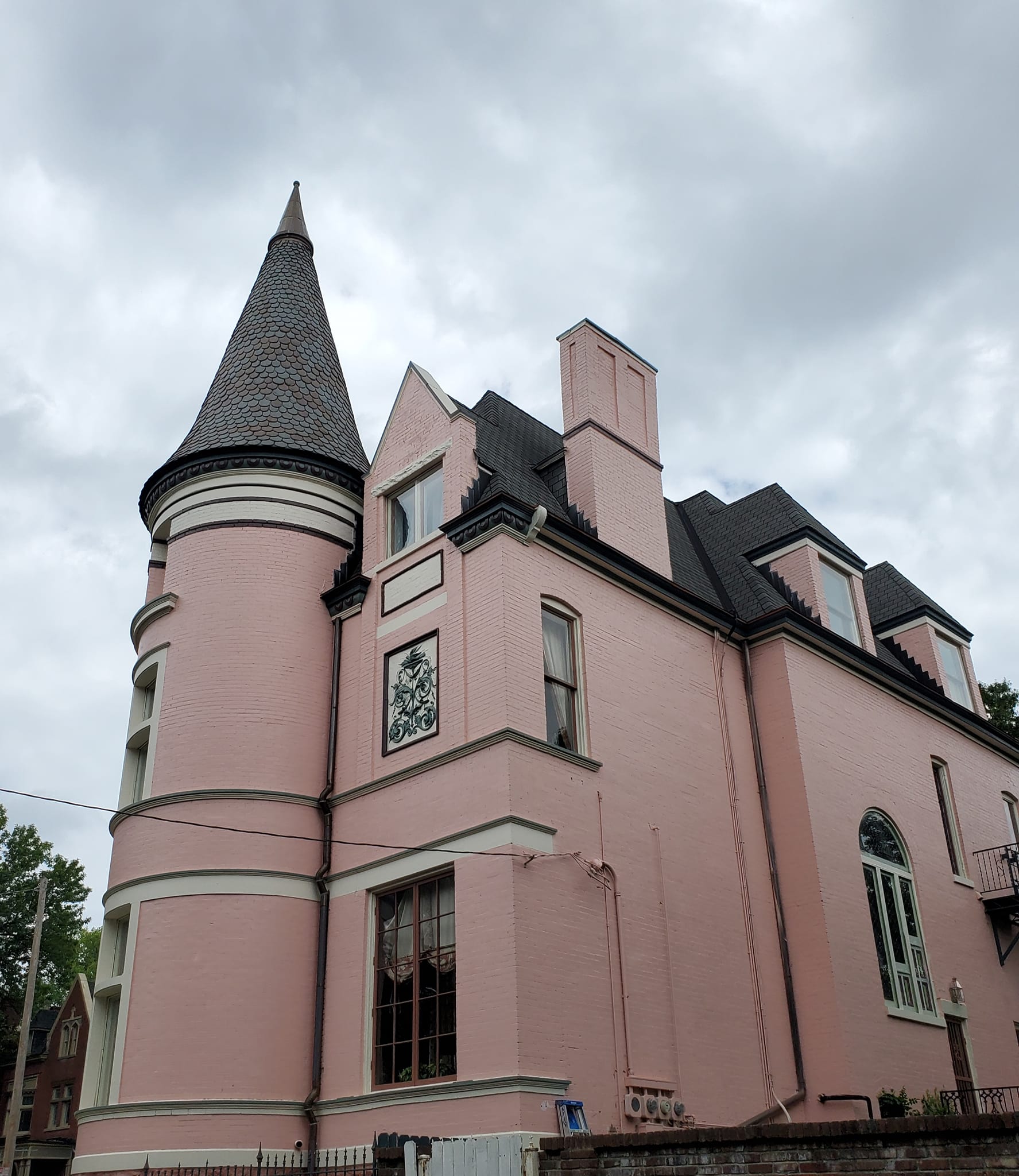
The Pink Palace of Belgravia Court is one of the most popular spots in Old Louisville. It was built in 1897 and used as both a brothel and casino during its early years.
When that caved, a group of staunch prohibitionists called the Woman’s Christian Temperance Union purchased the building. They were so humiliated after learning about the handsome red brick building’s past that they slapped on some cotton candy pink paint to hide their shame. Makes sense.
Eventually the notorious pink castle was sold and it is now a private residence.
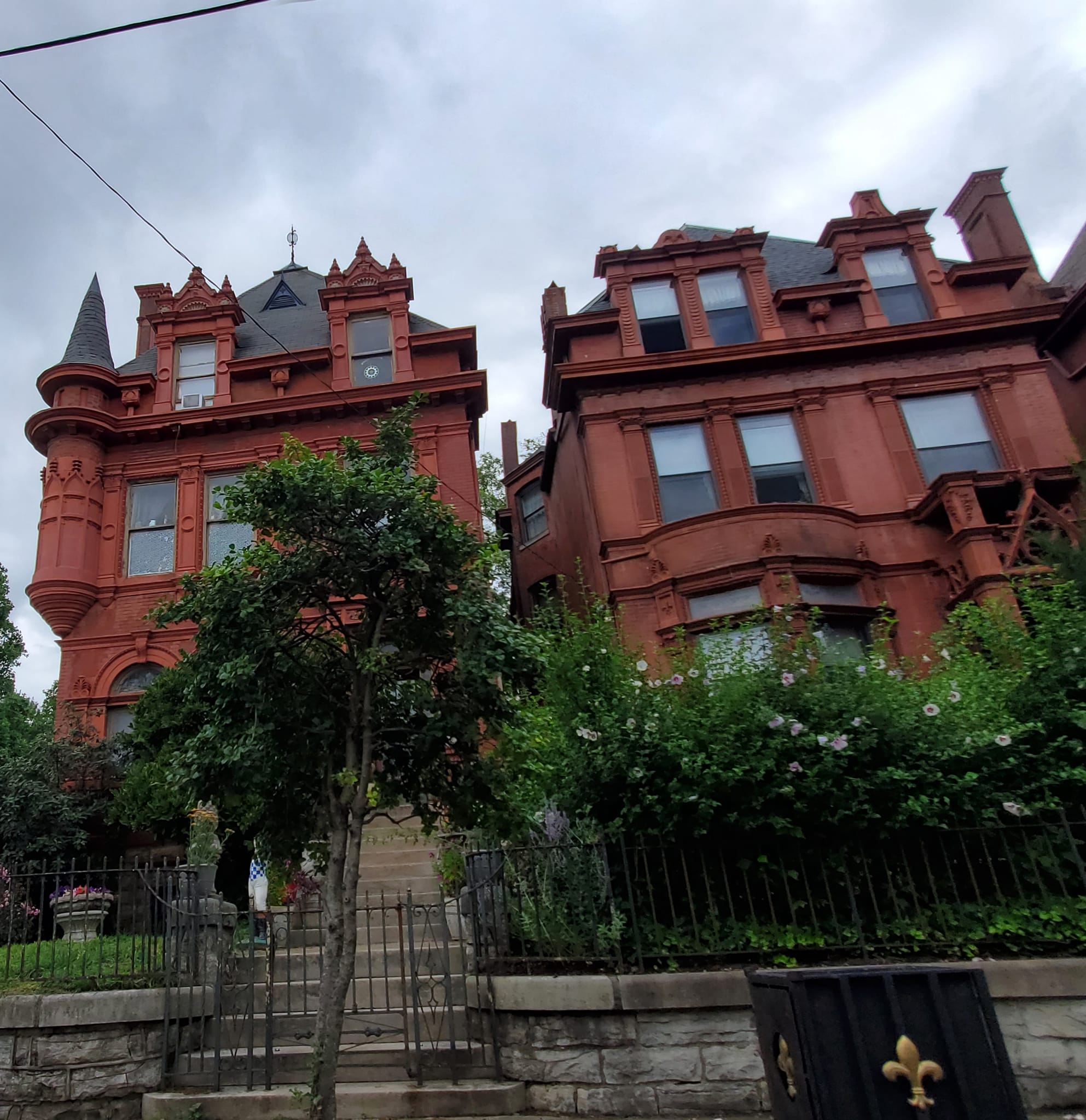
Werne’s Row is a striking row of five similar red brick houses, give or take a few personal touches. Depending on the angle, they either look exactly alike or rather distinct. They were built in 1897 in the Chateauesque mansion style, and are exactly one foot apart.
Two of the houses are private residences now, and the other three buildings have been cut up into apartments.
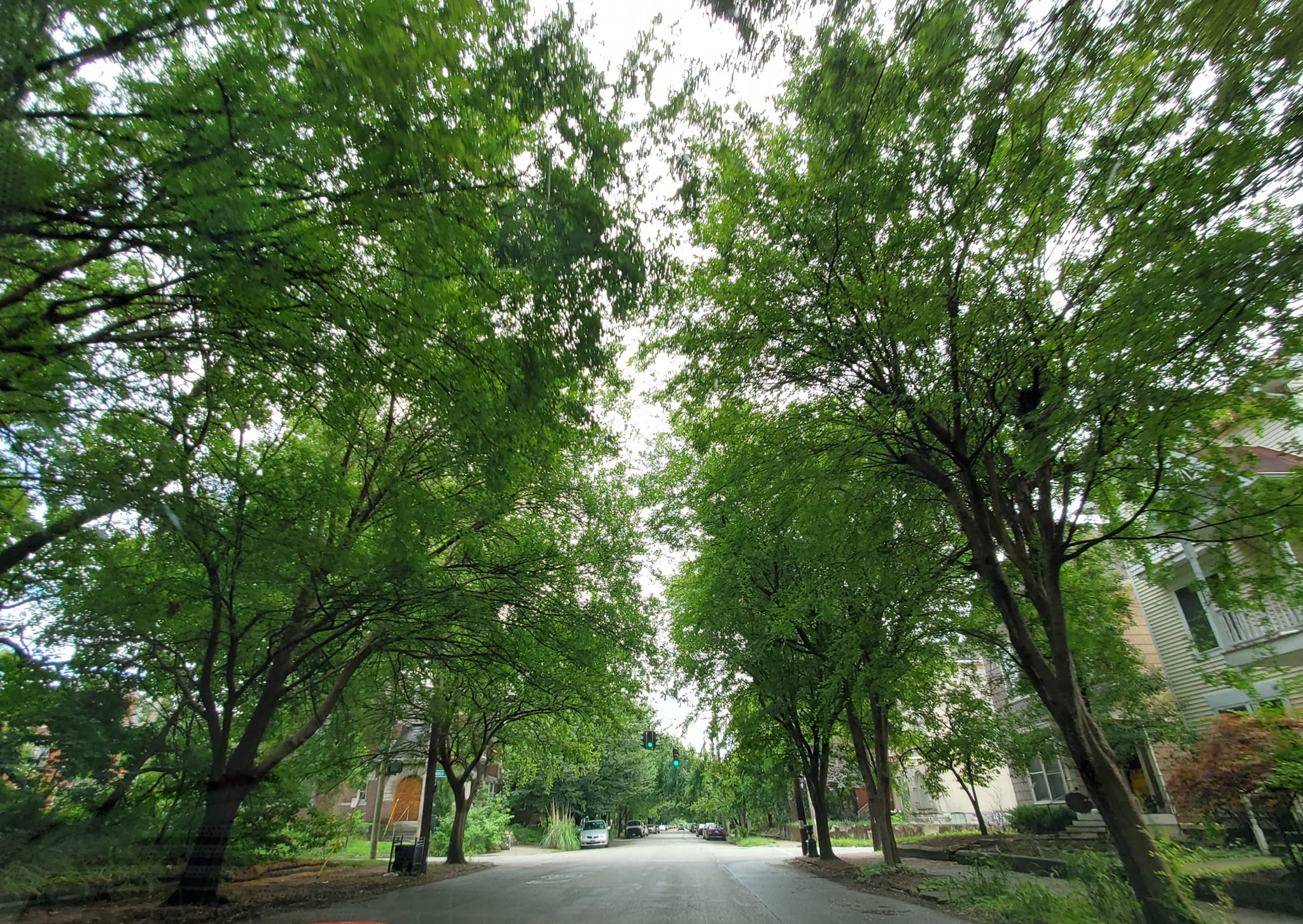
Back in 1883, the Dupont family donated several acres of their land to be converted into Central Park, with St. James Court at the heart of it. That year, the Southern Exposition, which was basically a precursor to the World Fair, was set up on the grounds of the park.
Thomas Edison himself flipped the switch that lit up the festivities, showcasing his light bulb designs. It was the first public display of electric light in the world outside of New York City. Over a million people from around the globe were in attendance.
Central Park has gone through many changes since then, but continues to be a favourite destination for locals and tourists to walk and play, and the park is home to annual festivals like the Kentucky Shakespeare Festival, the St. James Court Art Show, the Garvin Gate Blues Festival, Victorian Tales of Terror each Halloween, and the Holiday Home Tour.
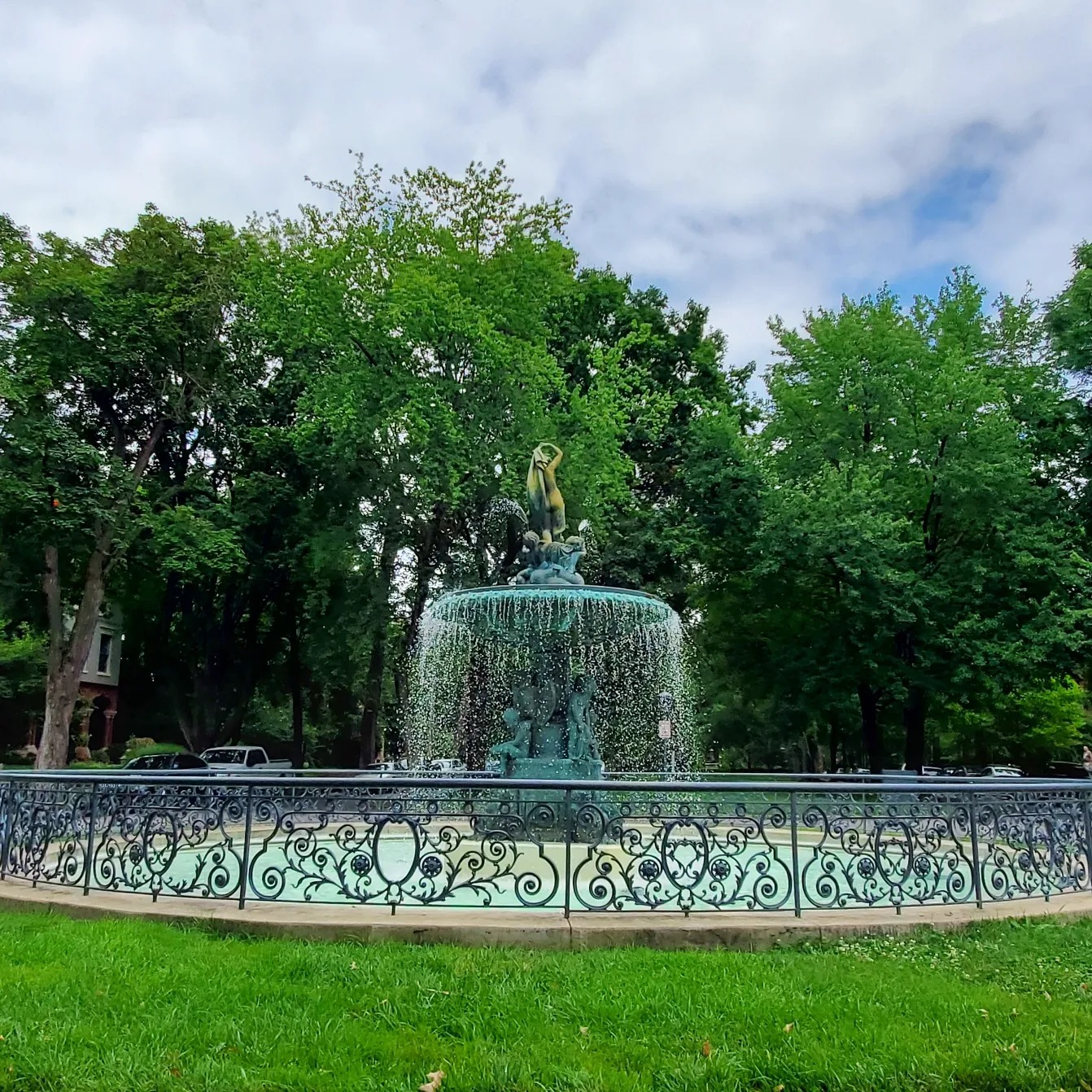
St. James Court Fountain is the first place most visitors flock to; a large water feature in the center of the boulevard that is surrounded by decorate iron gates and has a sculpture in the center.
Gas lamps can be found throughout the neighbourhood, just oozing old-fashioned charm. We even spotted this memorial to the St. James Court Lamp Lighter.

Fun places to eat and drink nearby are the 610 Magnolia Restaurant, North Lime Coffee & Donuts, the Old Louisville Coffee Co-op, and Dizzy Whizz.
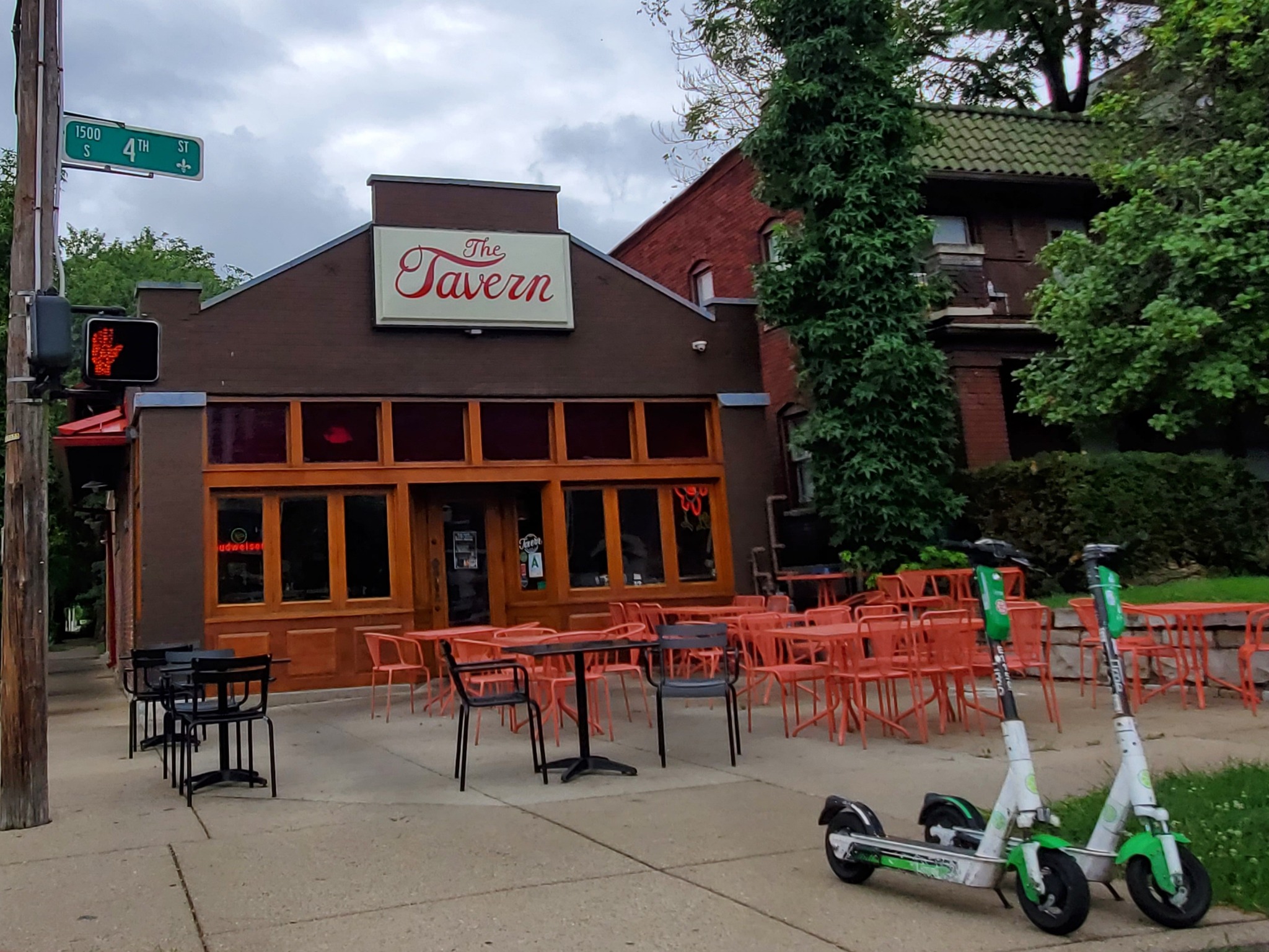
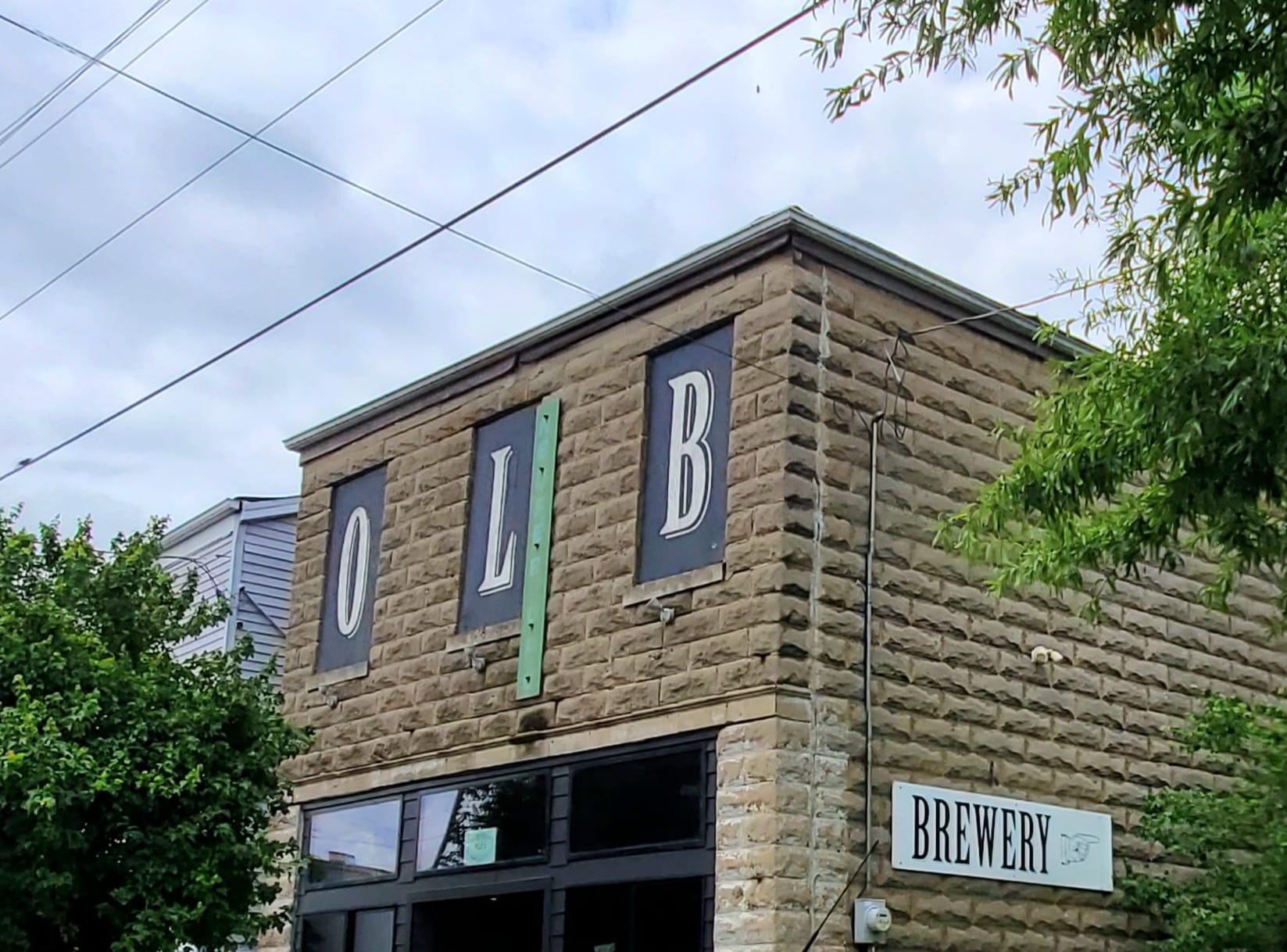
For nightlife, check out The Old Louisville Tavern, Old Louisville Brewery, and Buck’s, which is one of the official stops on the Urban Bourbon Trail.
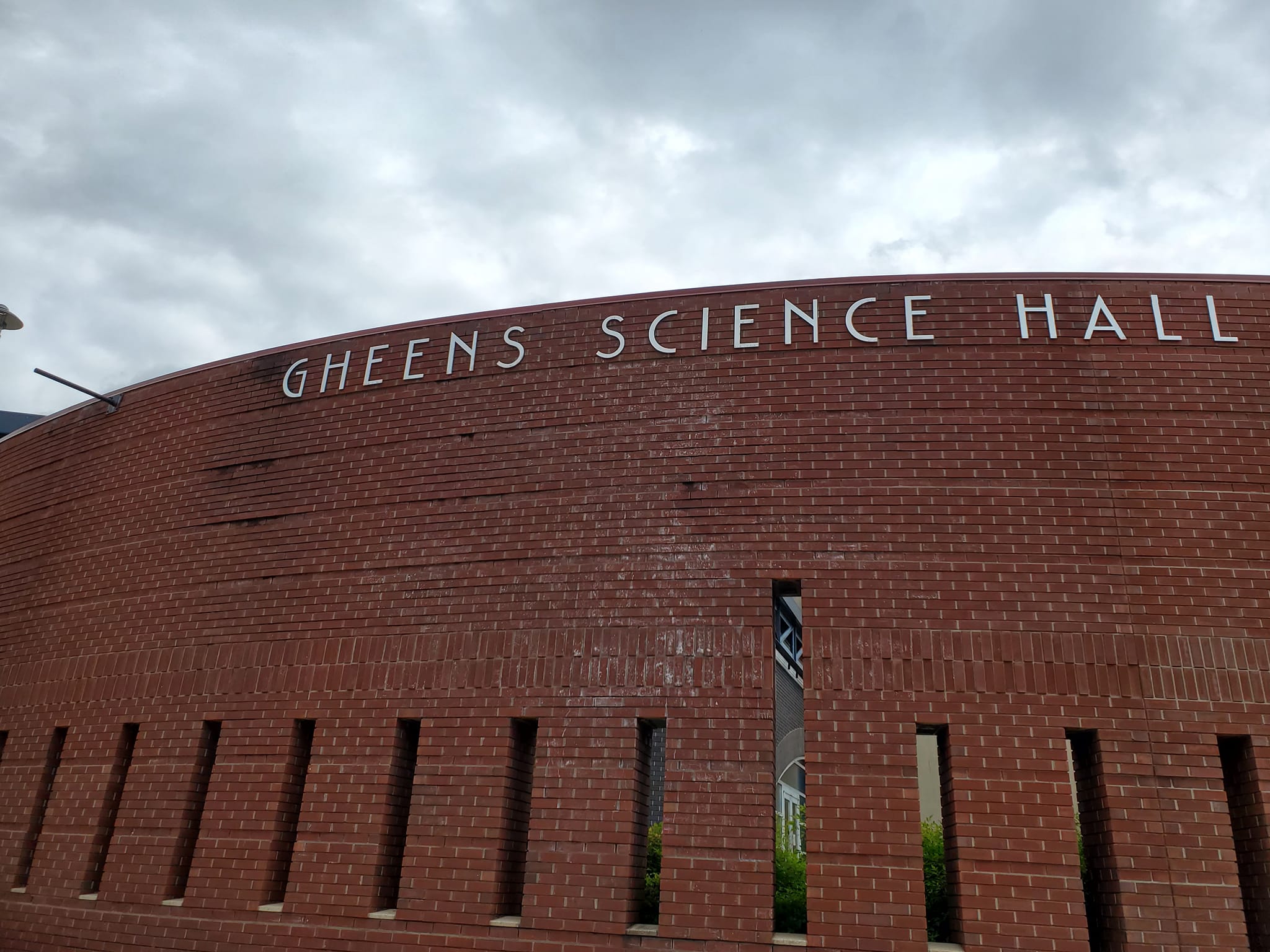
One benefit Old Louisville gained in giving up some of its territory to build academic institutions is close proximity to Gheens Science Hall and the Rauch Planetarium. Both were closed for the season when we tried to visit, but I imagine it is incredible, as planetariums are.
The Speed Art Museum is another place I anticipate visiting when it reopens and we are in Louisville again.

The Historic Old Louisville Neighborhood & Visitors Center has self-guided walking tour brochures or you can book a personally guided tour. More independent folk might enjoy checking out this self-guided online walking tour by GPSMyCity.
Old Louisville is maintained by eight separate neighbourhood associations, so each court or inner division can look very different from the next. Some have a fleur-de-lis motif, some have elaborate gardens, some are very plain, and some are just out of this world.
Our favourite spot was a silly one that may or may not have anything to do with the actual history of Old Louisville.
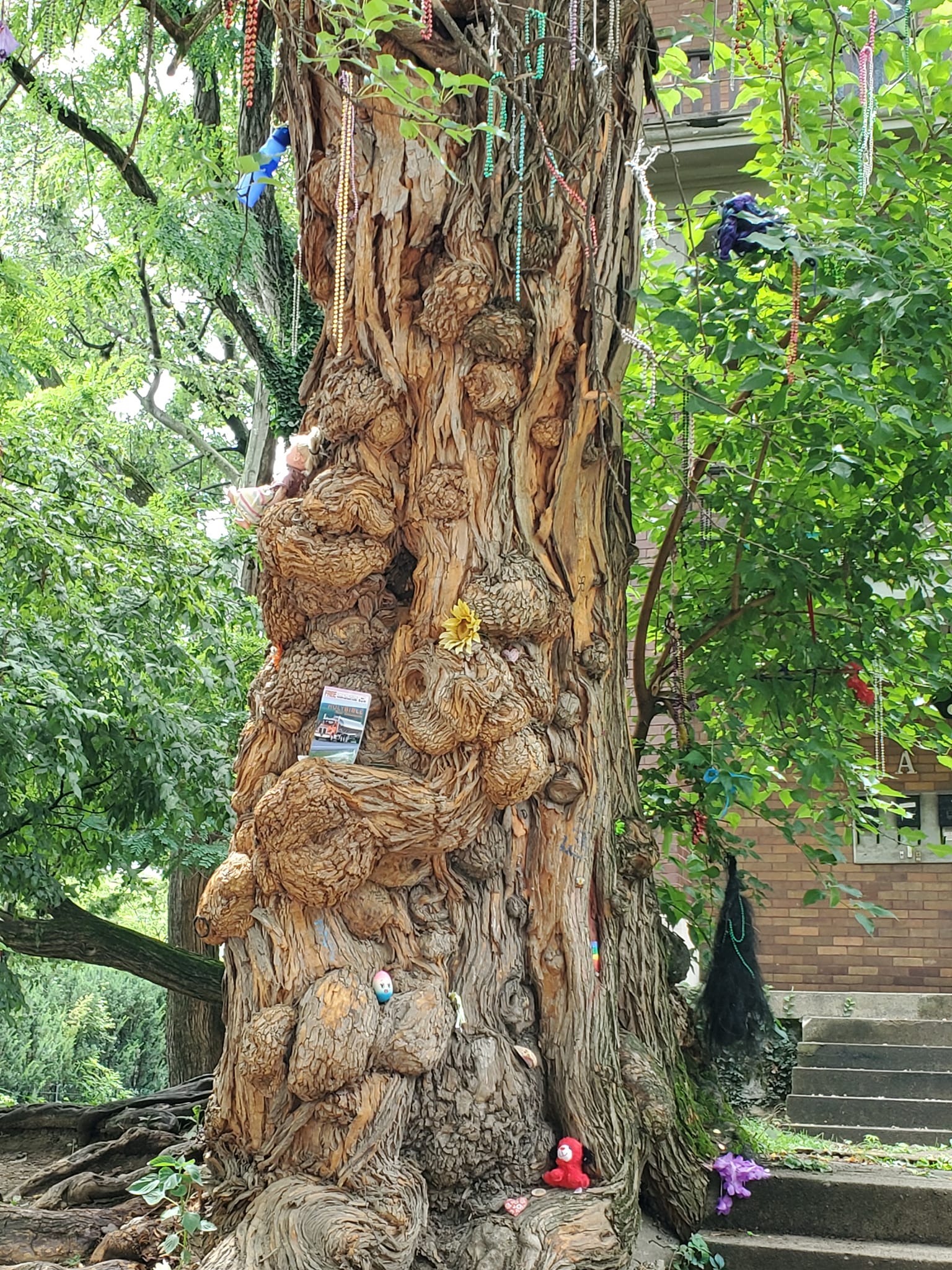
The Witches Tree on Park Avenue at Sixth Street was allegedly a popular gathering place for practitioners of the Dark Arts to meet and cast their spells until those pesky rich people started building houses in the late 1880s, and soon cut the tree down.
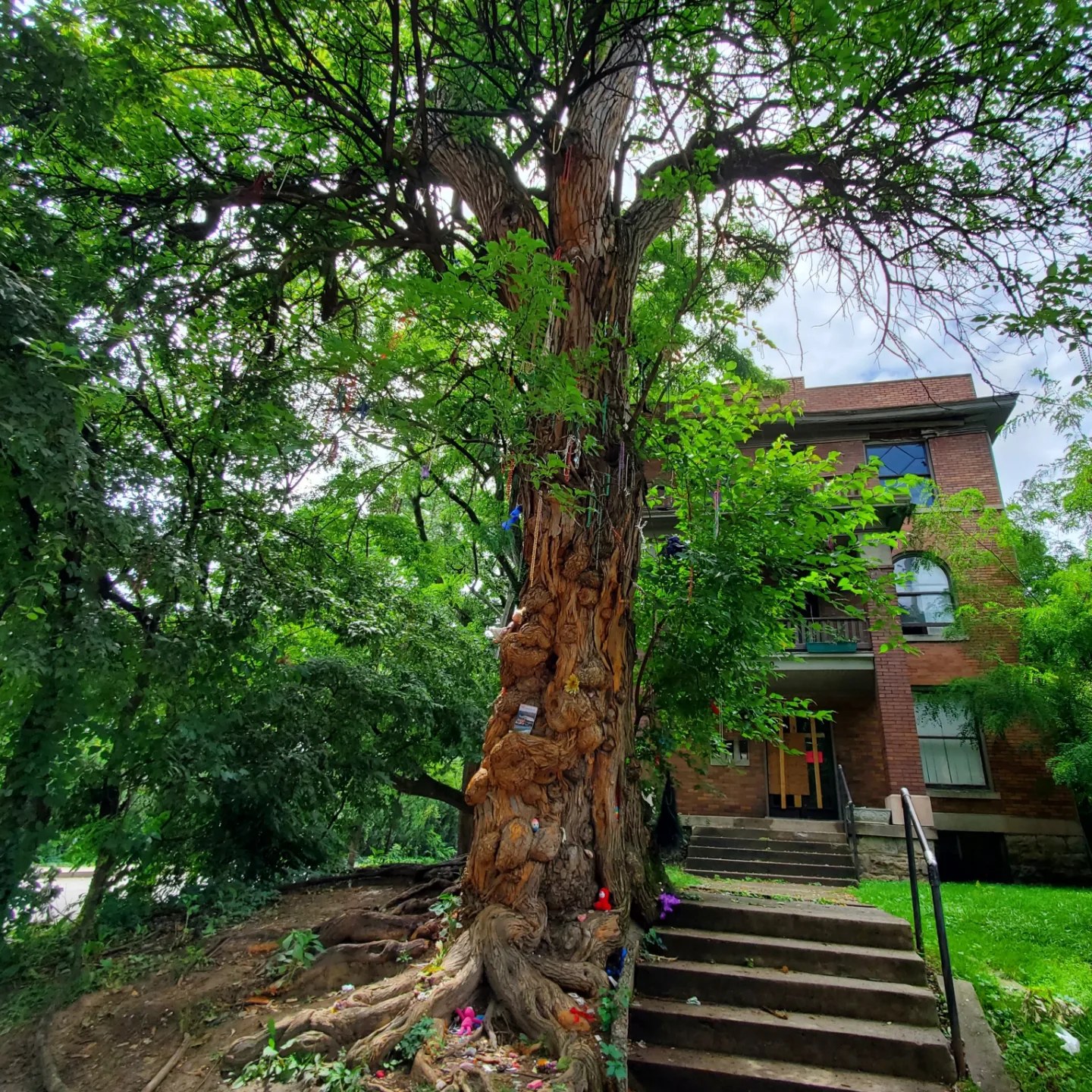
Legend says that the witches cursed the town with a horrifying tornado that destroyed much of the new infrastructure, and they drew down a bolt of lightning that struck their magickal tree’s stump to bring forth a crooked and gnarled new tree to life where the original one stood.
Visitors and residents alike decorate the tree with offerings and gifts to pay homage to the tree and its witches, and to keep themselves and their homes safe from any future curses.
In the area for a while? Follow me to Louisville’s NuLu District, Whiskey Row/Bourbon District, to three of its most famous landmark icons, and some of its Grave Delights.
************
© Fernwehtun, 2015- Current. Unauthorized use and/or duplication of this material without express and written permission from this site’s author and/or owner is strictly prohibited. Excerpts and links may be used, provided that full and clear credit is given to Fernwehtun and Fernwehtun.com with appropriate and specific direction to the original content.
© Fernwehtun, 2015- Current. Unauthorized use and/or duplication of this material without express and written permission from this site’s author and/or owner is strictly prohibited. Excerpts and links may be used, provided that full and clear credit is given to Fernwehtun and Fernwehtun.com with appropriate and specific direction to the original content.

 Fernweh, An Ache for Distant Places
Leave a comment