
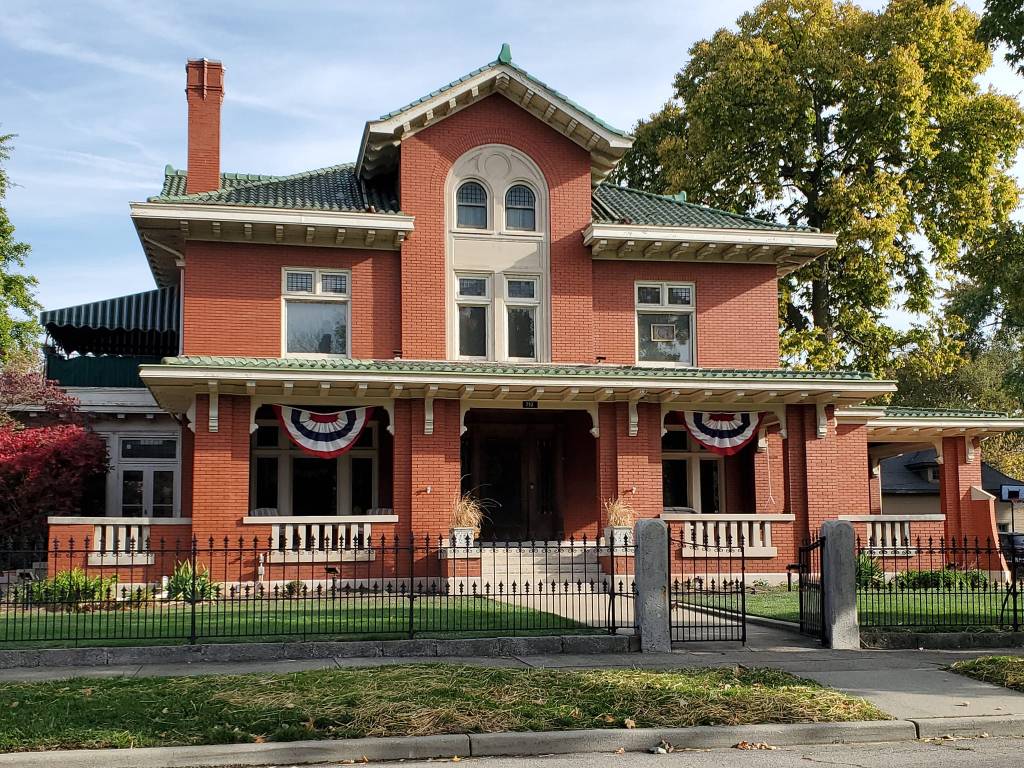
The Dayton Lane Historic District, aka Dayton-Campbell National Register District, is one of Hamilton’s three historic districts that made the National Register of Historic Places in 1985.
Over 200 houses and buildings are included in the NRHP status, and an estimated 1,600 people live in this neighbourhood.
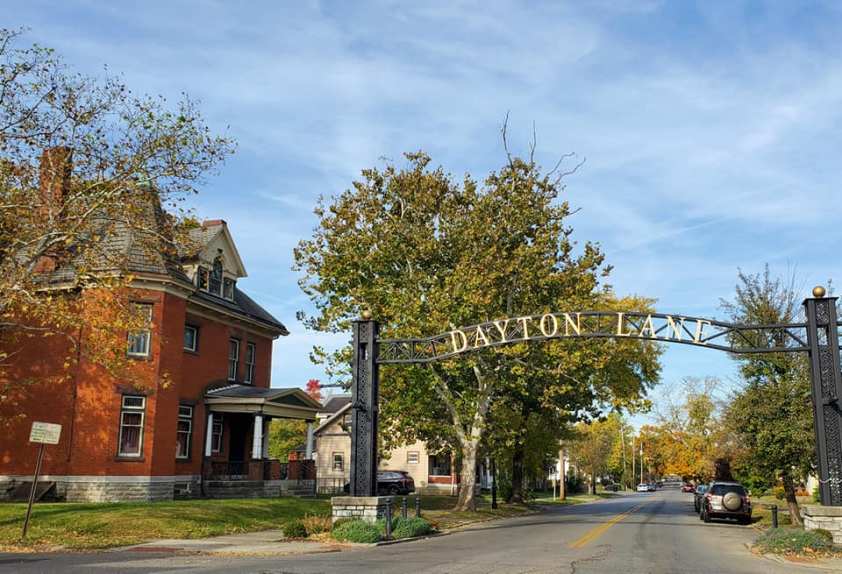
Dayton Lane Historic District is divided vertically from the German Village by MLK Boulevard. Dayton Street, the heart of it, begins at MLK Boulevard and runs about six blocks east to Erie Boulevard.
From Dayton Street, the main and central street in the district, the boundary extends north two blocks to Heaton Street and south two blocks to High Street. High Street is downtown Hamilton’s main road.
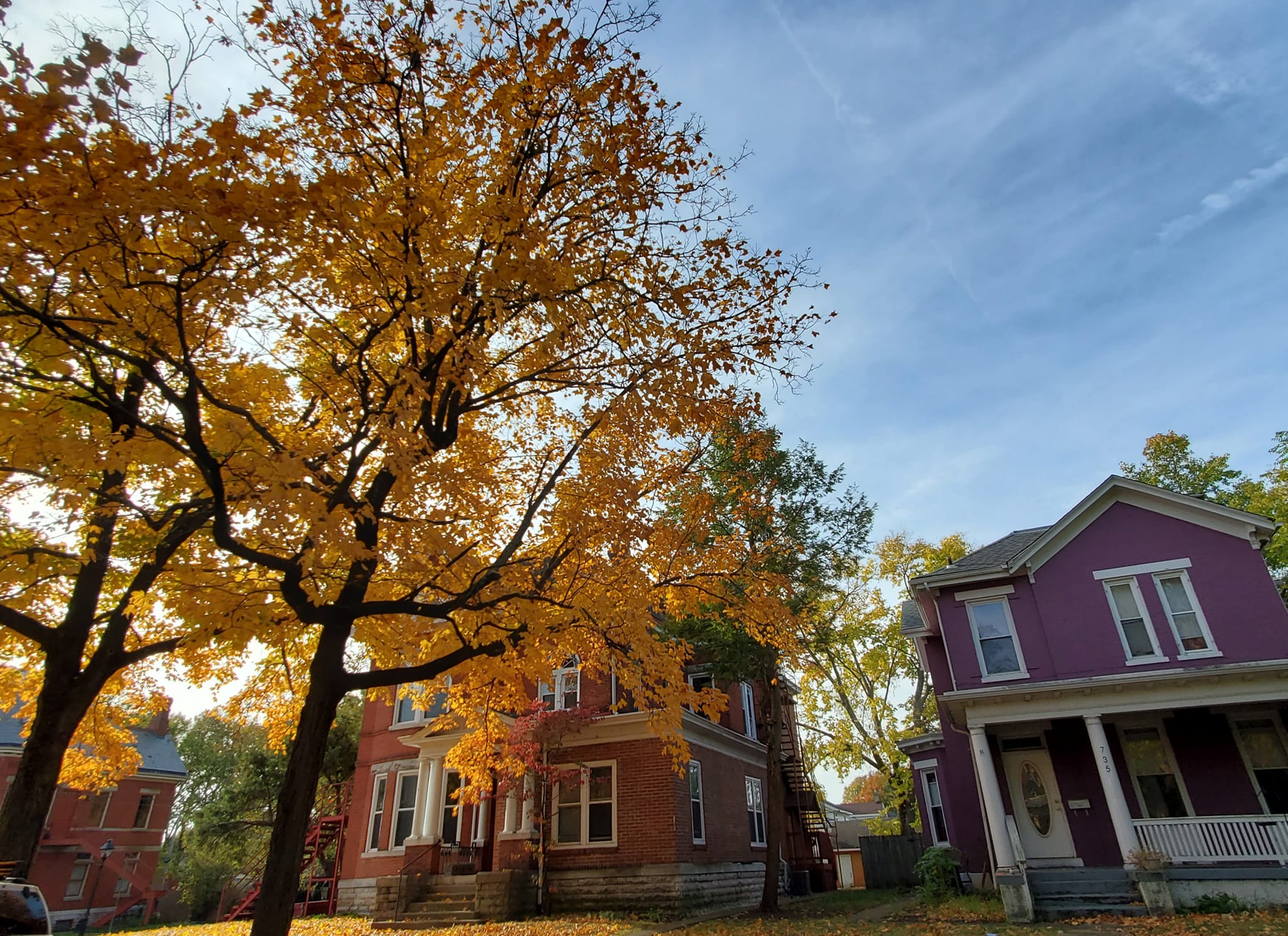
Most of the homes were built between the 1870s and 1890s, when Hamilton’s wealthiest industrialists bought up this land near their factories. Some of those are still standing and in relatively good condition.
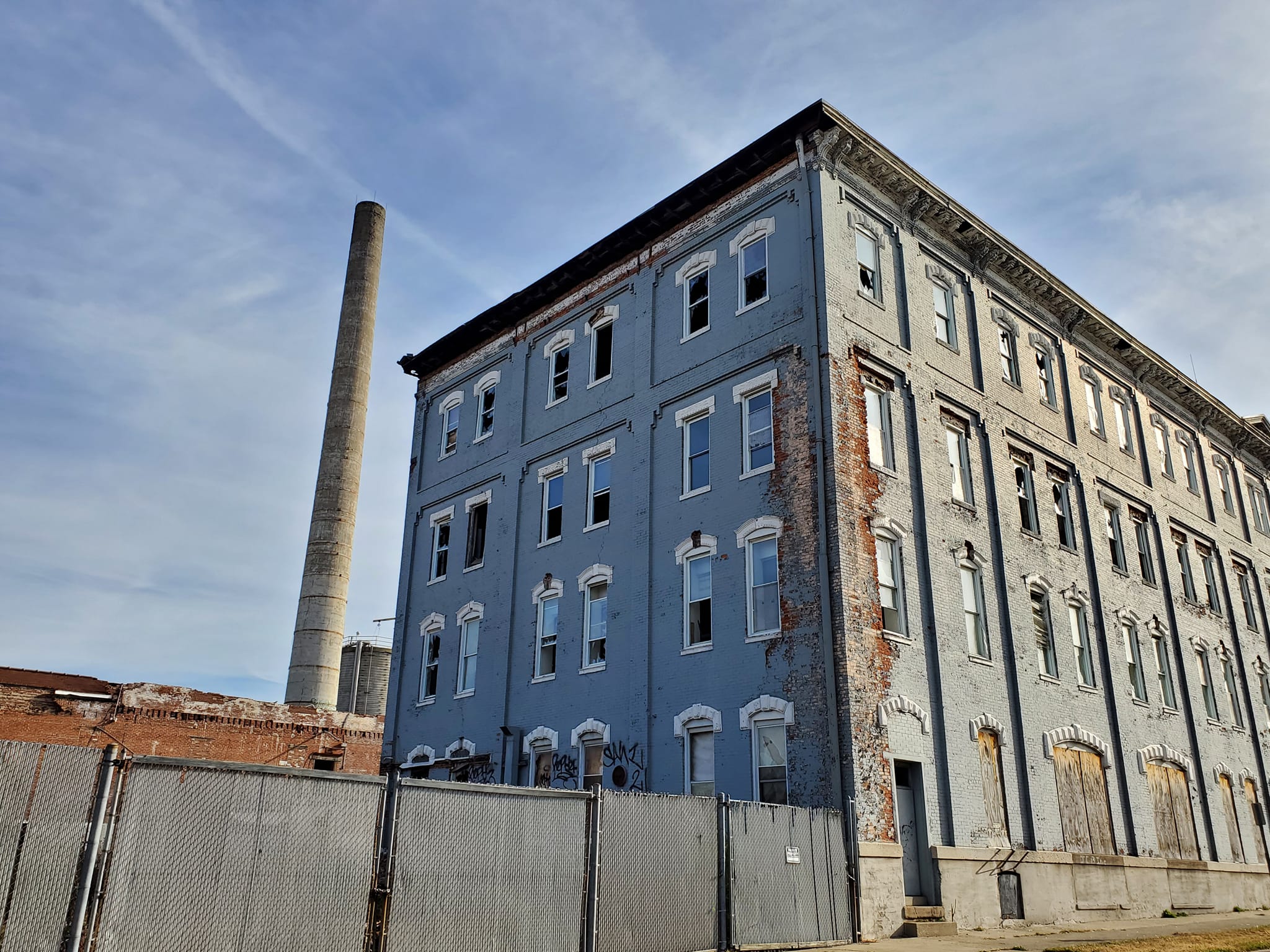
Soon they began competing to outbuild and impress each other with their homes. As ridiculous as that is, I enjoy being able to walk by and admire the unique and varied architecture today.

Campbell Avenue Park is a lovely feature, though it is essentially a glorified boulevard in the center of the extra wide street.
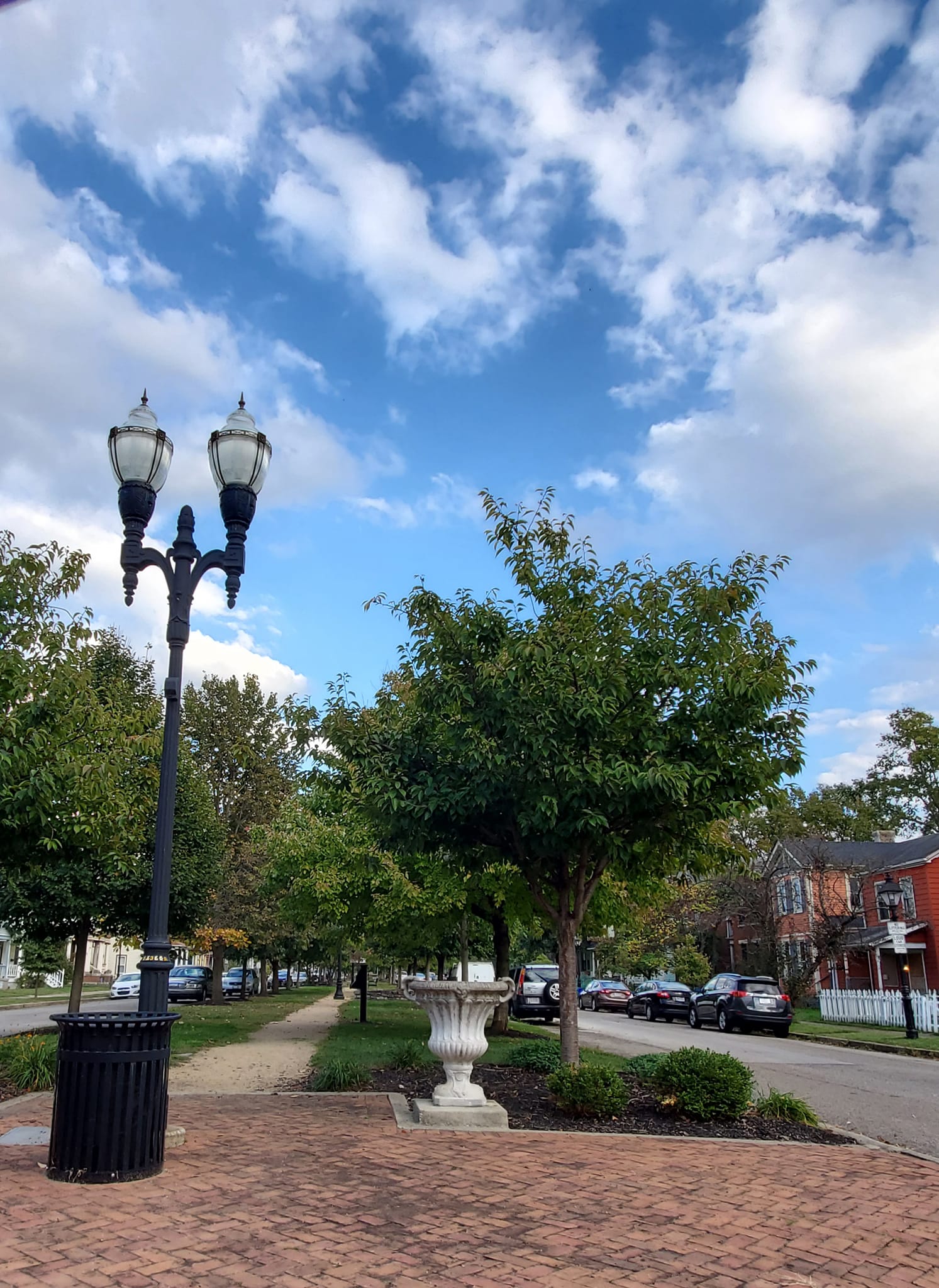
The park shows off the loving care and pride that residents have for their neighbourhood.
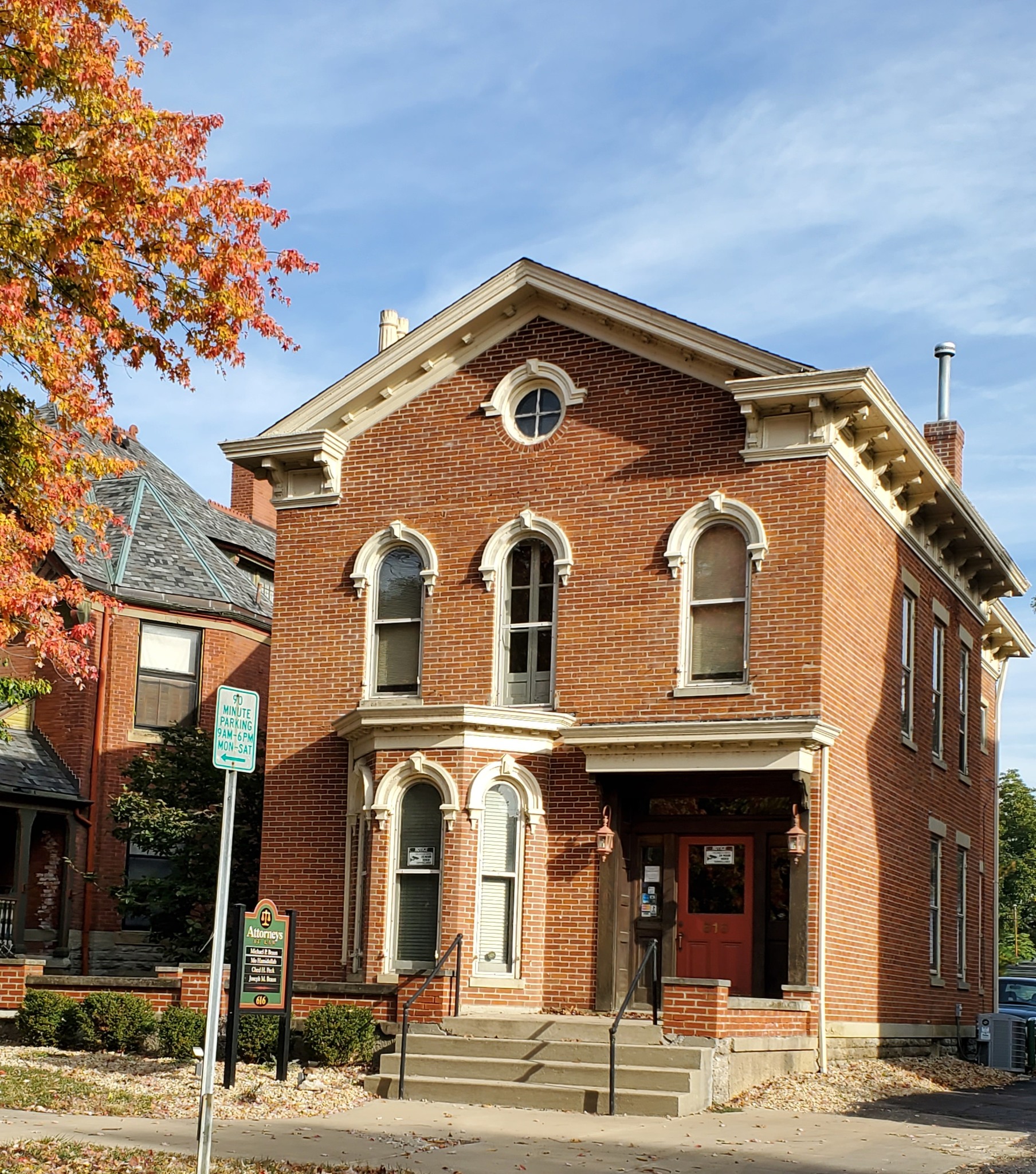
Up near Heaton Street you can visit the tiny Moser Park or Greenwood Cemetery. You will find Dayton Lane Pub and a few churches and law offices scattered throughout, but aside from that this is primarily a residential district.

Much of the information I found about the historic homes of Dayton Street came from Daytonlane.org although some also have plaques or signs outside.
Benninghofen House is the most famous and well known house here, as it has been converted into a boutique hotel and small event venue. The house offers yoga, massage, and other events to the public throughout the week and serves as a type of community center in that aspect.
The Benninghofen House was created for Christian Benninghofen, one half of the partnership over Shuler & Benninghofen Woolen Mills. It has the distinction of being built by Hamilton’s first and most famous architect, Max Reutti, in the Queen Anne Style. Inside there are nine fireplaces and a library- what a dream.

Shuler Mansion was built for William and Luella May Shuler in 1910. William’s father Asa was the other half of the Shuler and Benninghofen Woolen Mills, so he held a rather prominent place in society back then. It has a mash up of Italian Renaissance style and Prairie Style, made famous by Frank Lloyd Wright.
The couple sold their home in 1950 to a family who sold it again in 1957 and used part of it as a medical office. It passed into ownership of a new family in the late 1980s, was used as an insurance company and Vision Source office, before being converted back into a single family home in 2021.

McKinney Mansion, aka the Disney House, is a half-timbered Queen Anne that was constructed for Robert McKinney in 1883. His company Niles Tool Works was the largest machine tool manufacturer in the world at that time, perhaps of all time.
The Carriage House has some interesting history of its own. When McKinney sold the property to Thomas Carley, owner of Columbia Carriage Company, it operated from the carriage house that had a ramp from the second story to roll finished carriages down into the courtyard.
Eventually the home was taken over by the Corbett family and is now a renovated AirBnB property.

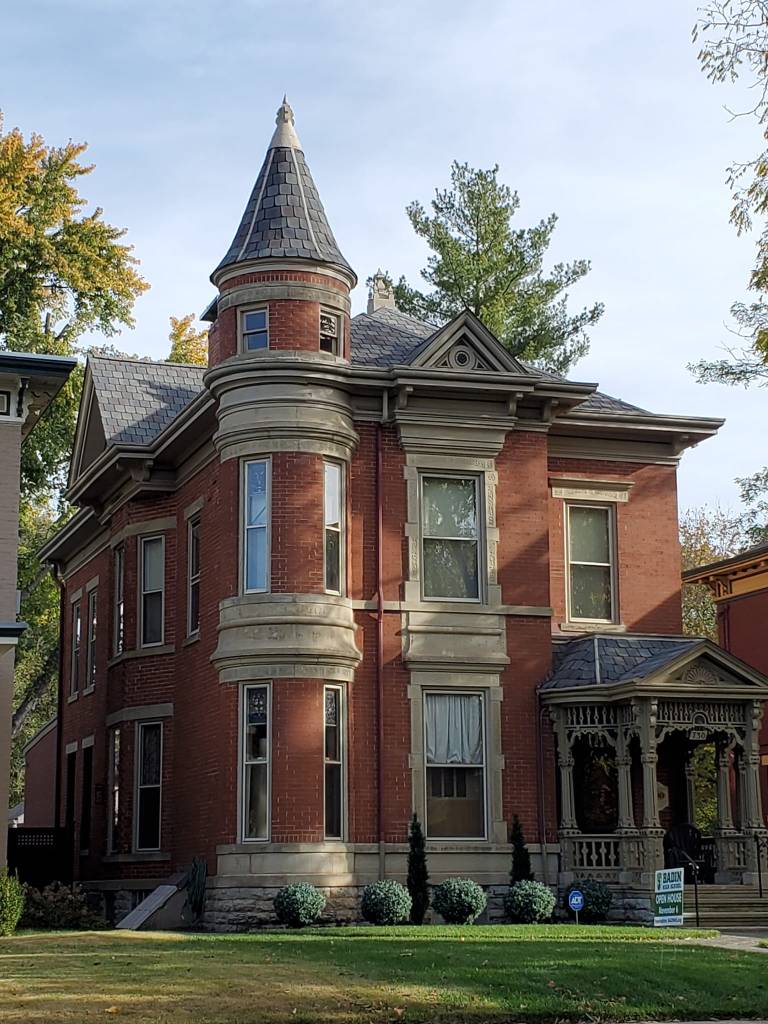
McKee House was built for the town Postmaster, John McKee, and his wife in 1870. The Victorian home was the second to be built and the oldest surviving home on Dayton Street.
The houses’s next owner, Allen Andrews, hired the Cincinnati Music Hall architect Samuel Hannaford to add a turret to the home which gave it a more Queen Anne style. It is said that the Dayton Lane District has the most Queen Anne homes of any Hamilton neighbourhood.

Rentschler Mansion was built for George Adam Rentschler, one half of the Sohn & Rentschler Manufacturing Firm which specialized in cast iron.
Rentschler was more than a wealthy business owner though, he and his family, and their children in future generations, all made such great contributions to the city of Hamilton that other monuments around town still stand in their honour.
The beautiful Rentschler Forest MetroPark nearby is also dedicated to the Rentschler Family.

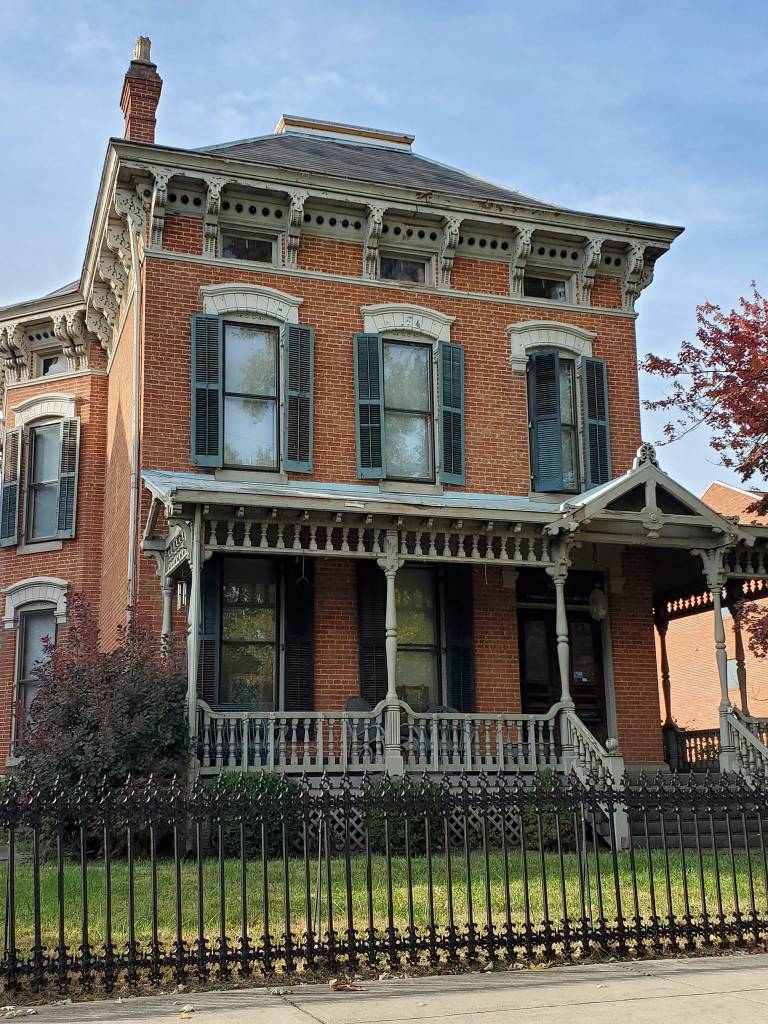
Sohn House was built for Christian Sohn, Rentschler’s counterpart in the Sohn & Rentschler firm.
More than eighty years later, the house was purchased in the 1970s by lawyer Richard Koehler and used as his legal offices. Today, it seems that Koehler has relocated elsewhere and I could not find any info on the current ownership.
Barbie House is a unique, purple Queen Anne built for Charles & Susan Fitton in 1894. It was once turned into a duplex, but has been restored to a single family home by its current owners in 2007.

Not all of the homes have fancy names, but each one is just as memorable.

This 1897 Colonial Revival home is an eyecatcher, and I learned that it was previously owned by a medical doctor, Dr. Cyrus Falconer, and then served as a funeral home until almost 1940.
Falconer’s wife had a stained glass image with a medical lamp installed in the large bay window, but it is difficult to make out in my photo.

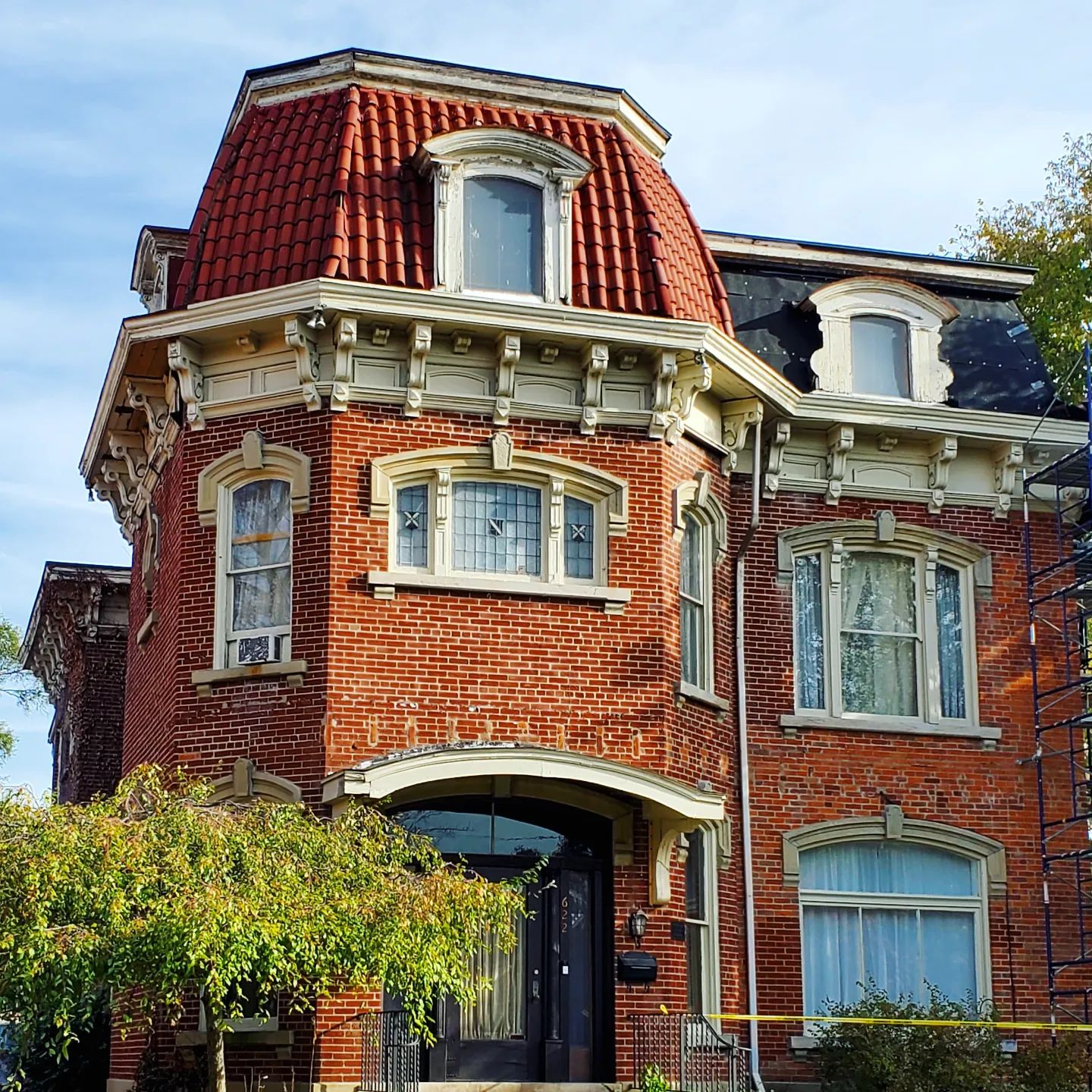
I was not able to find any info on these next two, but I find them very interesting and welcome anyone with additional details to drop me a line.

Fringe Coffee House
On High Street, the southern boundary of the Dayton Lane Historic District, there is a super cool coffee shop called Fringe Coffee House. They offer so much more than coffee, though.
I will go out of my way to avoid supporting “faith based” businesses that funnel money into their tax exempt churches and do little or absolutely nothing to contribute to society in return.
Just as vehemently, I seek out worthy exceptions.

Fringe Industries is as parent company to various companies and outreaches that are owned by a married couple. Each of the two have an interesting past, respectively, that has led them to the work they do now to help those on the “fringes” of society.
Fringe has served as a “re-entry and recovery initiative” for nearly twenty years by offering “kinship, training and support to individuals who were once grappling with addiction or incarceration.”

What this looks like in real life is on the job training, job placement, hosting community support groups, GED tutoring, financial literacy classes, parenting classes, assistance with problematic tattoo removals, mental health counseling and therapy, holding music/art outreaches in nearby prisons, teaching classes on mindfulness and problem solving, hosting a learning studio for local teenagers to explore their creativity and pick up valuable media skills, a soon-to-open women’s shelter, and so much more.
You can get a damn good cup of coffee or Mexican hot chocolate there, too.

Unlike the church outreaches where I live that think giving away hot dogs and Bibles under a bridge will really turn things around for the lost, homeless, hopeless, and addicted, the people behind Fringe know from experience that those individuals need actual, tangible support.

To truly rehabilitate an individual, their financial, mental, spiritual, medical, social, economic, and vocational problems that led them to crime in the first place must be addressed and supported. Otherwise, they do not stand a chance when released from prison or rehab.

Aside from the ability to see the whole picture, I am most impressed by the fact that Fringe does not require the people they assist to pledge allegiance to their church or their religion or put on any acts to qualify.
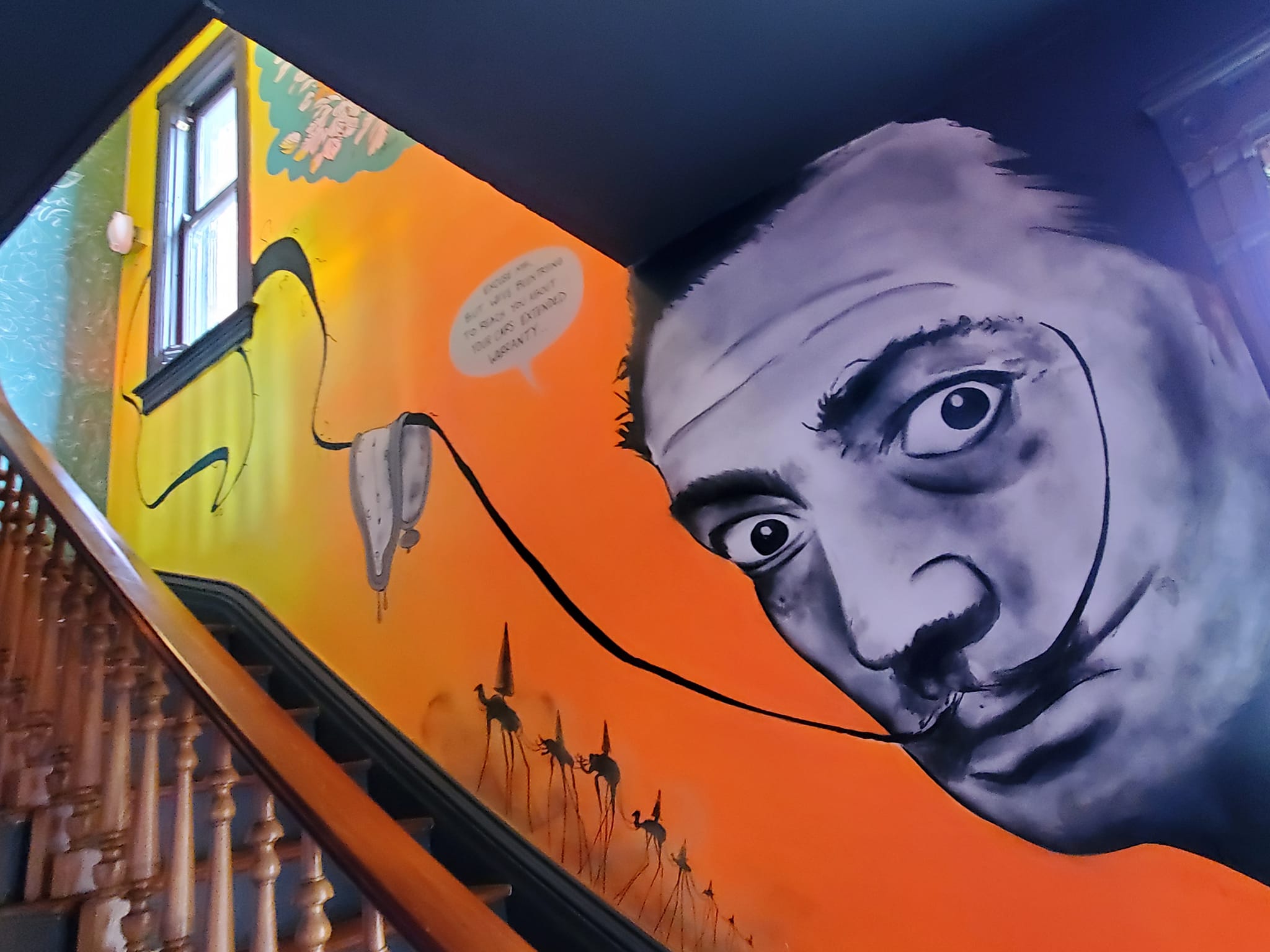
They do host the Fringe Church, but their help and support is not conditional or based on church attendance. In my opinion, they are doing EXACTLY what a church is supposed to be doing for society.

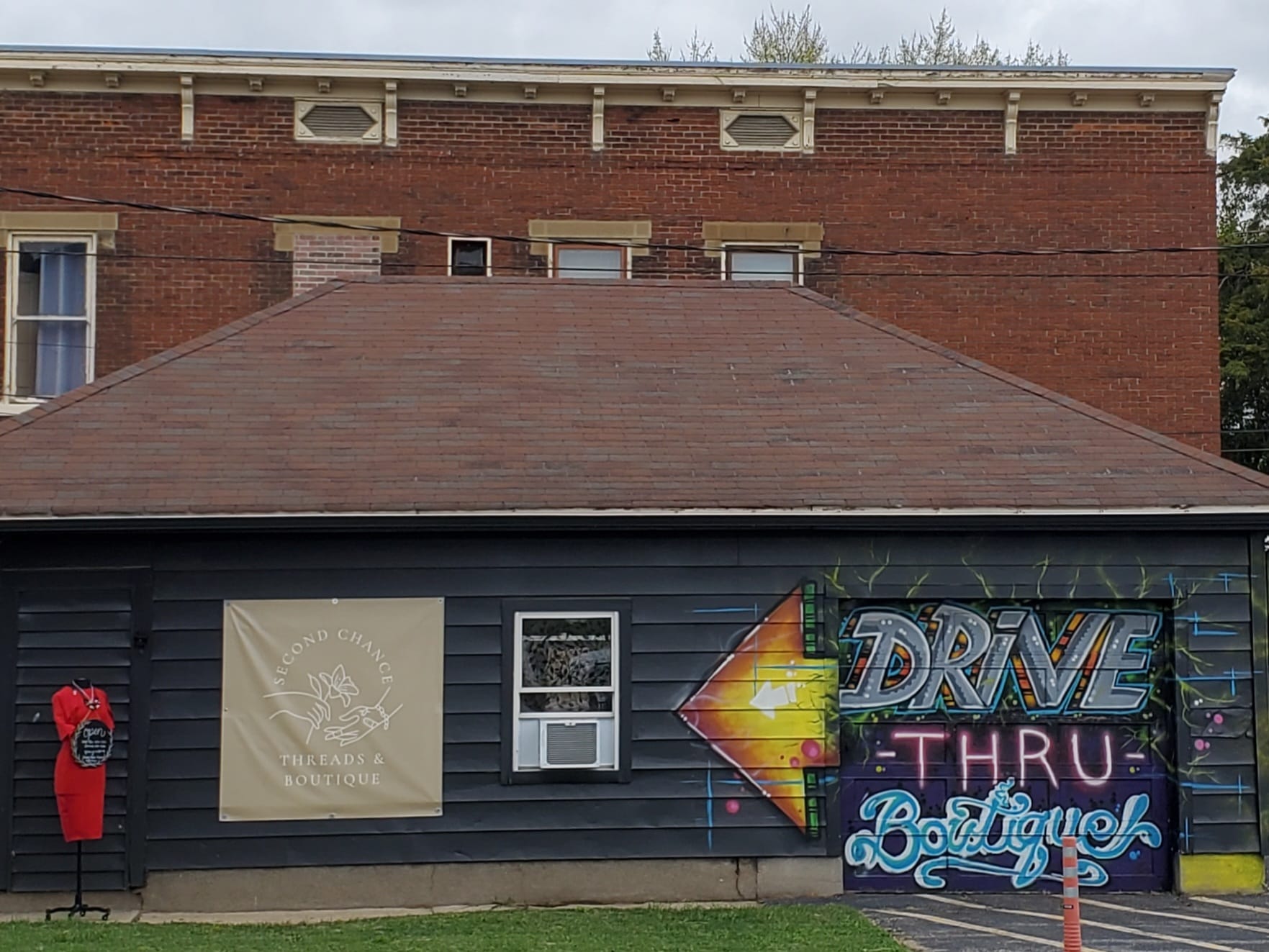
Other initiatives by Fringe include a drive-through clothing boutique, a bakery, a screen printing shop, and various skilled trades. Having those businesses allows them to offer a diverse selection of employment training and positions to those who come to Fringe in need.
Great times to visit Hamilton, and especially the Dayton Lane Historic District, would be for the May Promenade or the Ghost Walk each October. Both events are ticketed and the profits are invested into neighbourhood improvements.
In the area for a while? Follow me to some of Hamilton’s other cool neighbourhoods like Rossville, German Village, or the downtown Riverfront.
********************
© Copyright Fernwehtun, 2015- Current. Unauthorized use and/or duplication of this material without express and written permission from this site’s author and/or owner is strictly prohibited. Excerpts and links may be used, provided that full and clear credit is given to Fernwehtun and Fernwehtun.com with appropriate and specific direction to the original content.


 Fernweh, An Ache for Distant Places
Leave a comment