DAYTON, OHIO
Dayton’s west side was the cultural and economic center of the Black and African American community from the early 1900s until the 1970s.
A combination of factors led to the drop off; the usual pattern of Rust Belt abandonment for greener pastures, progress from the Civil Rights Movement that created more social mobility for people who were confined to certain parts of town before, and acts of violence that drove them out.
FIFTH (THE NICKEL)
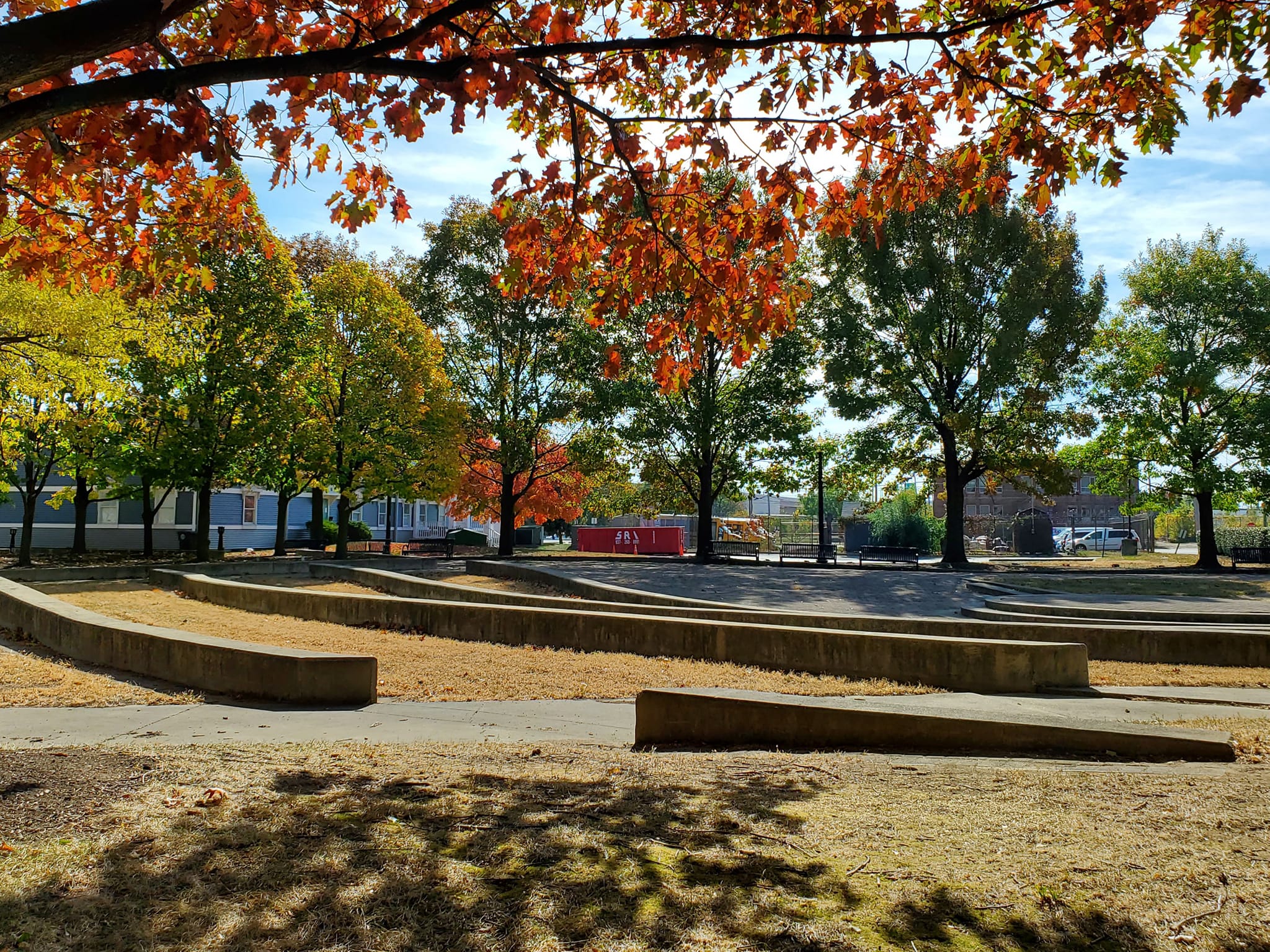
From the start of the 1920s onward, West Fifth Street was called “The Nickel.” Anyone who was someone did their best to be seen hanging out on The Nickel among its shops, restaurants, jazz clubs, at the Palace Theatre, the Classic Theater, and other Black-owned businesses.
More than 95% of Dayton’s Black population lived on the west side, as close as they could be to The Nickel.
This was known to be a peaceful and exciting neighbourhood where residents went to church on Sundays and danced at jazz joints in the evenings.
A sudden influx of drive-by shootings and assaults committed by White people against Blacks caused chaos and panic. This violence led many Black residents to flee the area, and eventually the glory of The Nickel fizzled out.
TWO THIRDS
Third Street was always divided into two distinct districts, West Third and East Third.
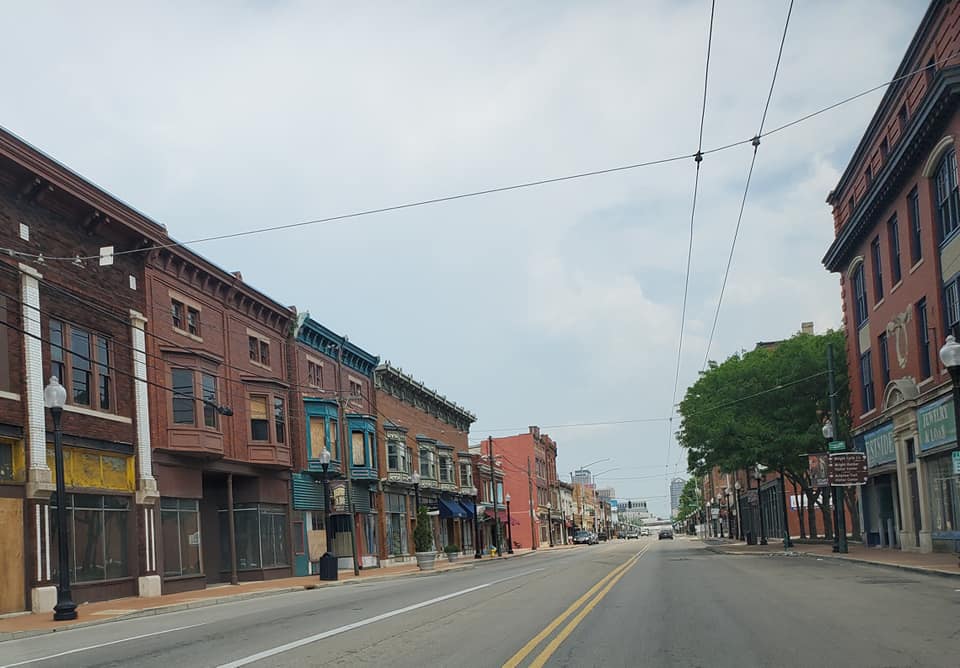
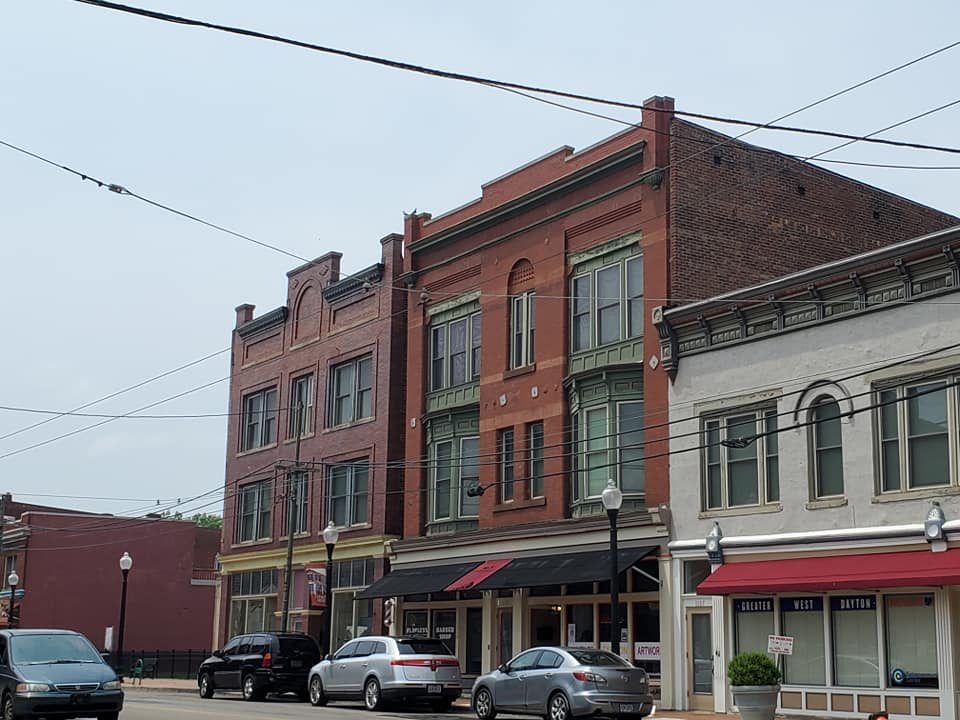
West Third Street Historic District was first called “Mexico” and the area started filling up with small two or three-story commercial structures between the 1880s and 1920s. Most of these buildings had storefronts on the ground level and apartments on the upper level.
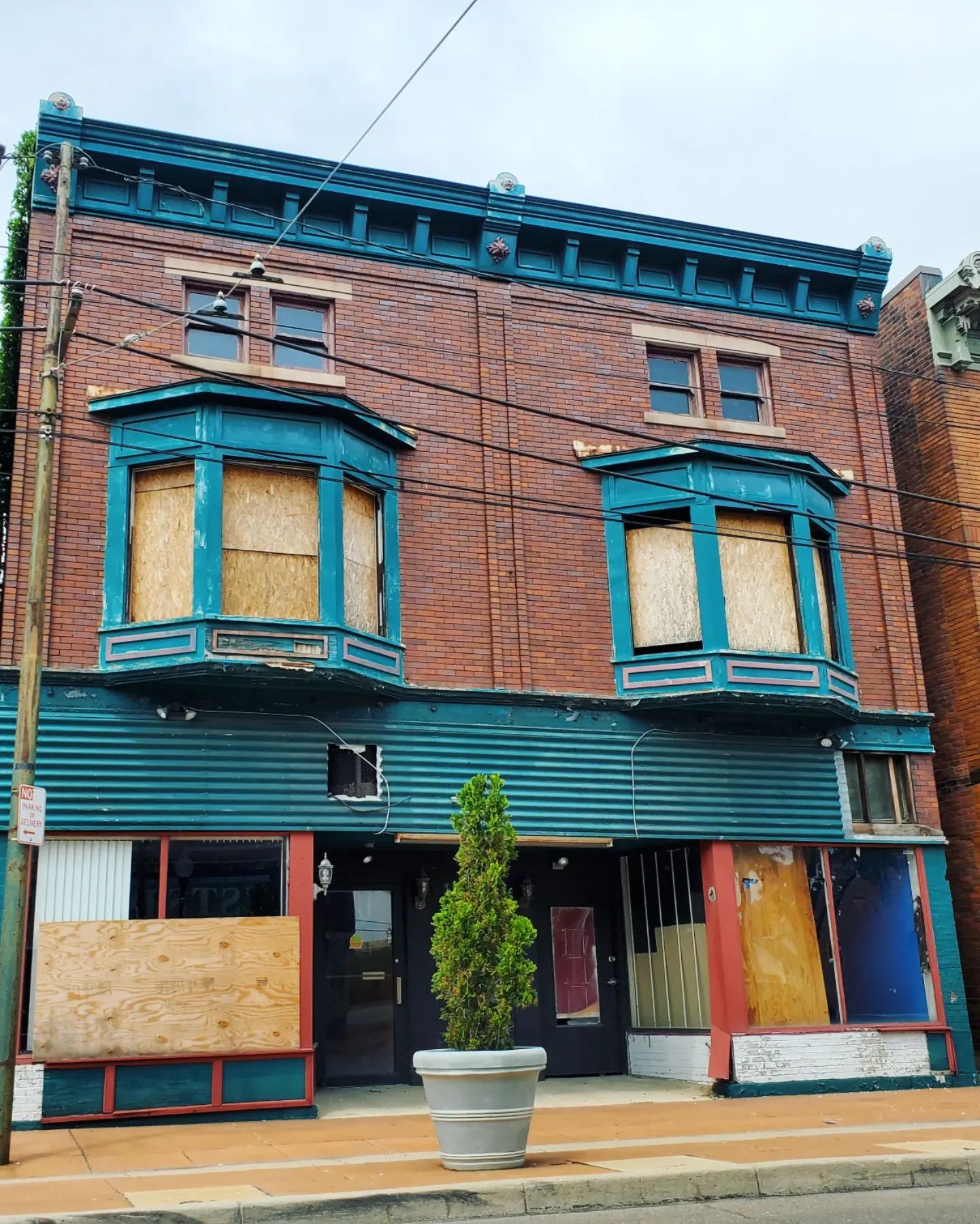
Just like The Nickel, and even before The Nickel became popular, Third Street was the hub of the Black and African American community in Dayton.
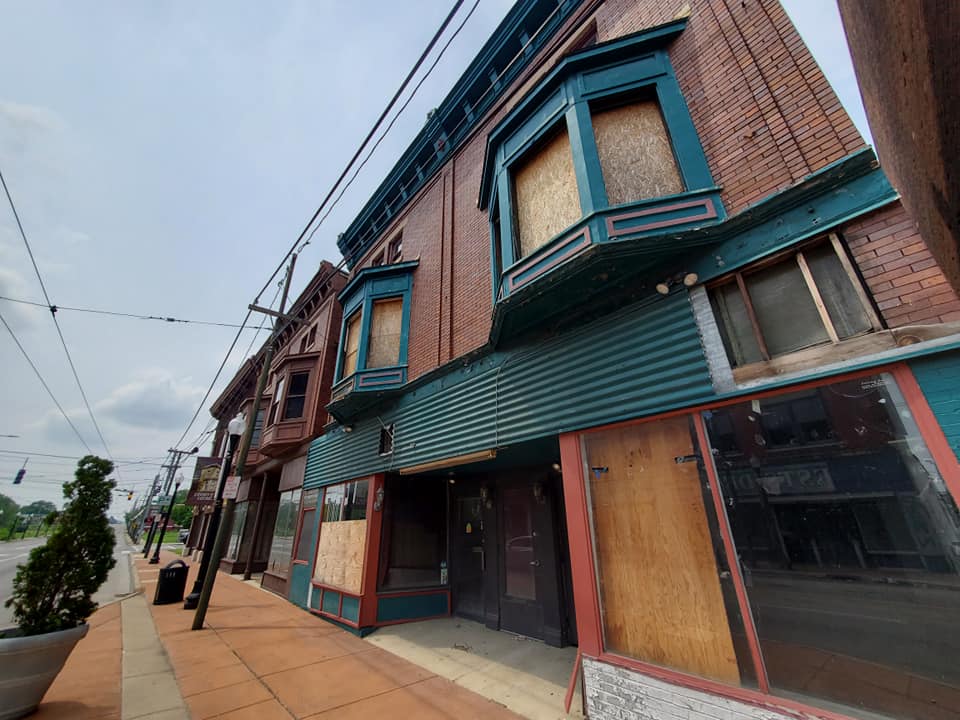
One main difference is that instead of becoming more affluent and glamourous, this part of town became cramped and unappealing for its residents.
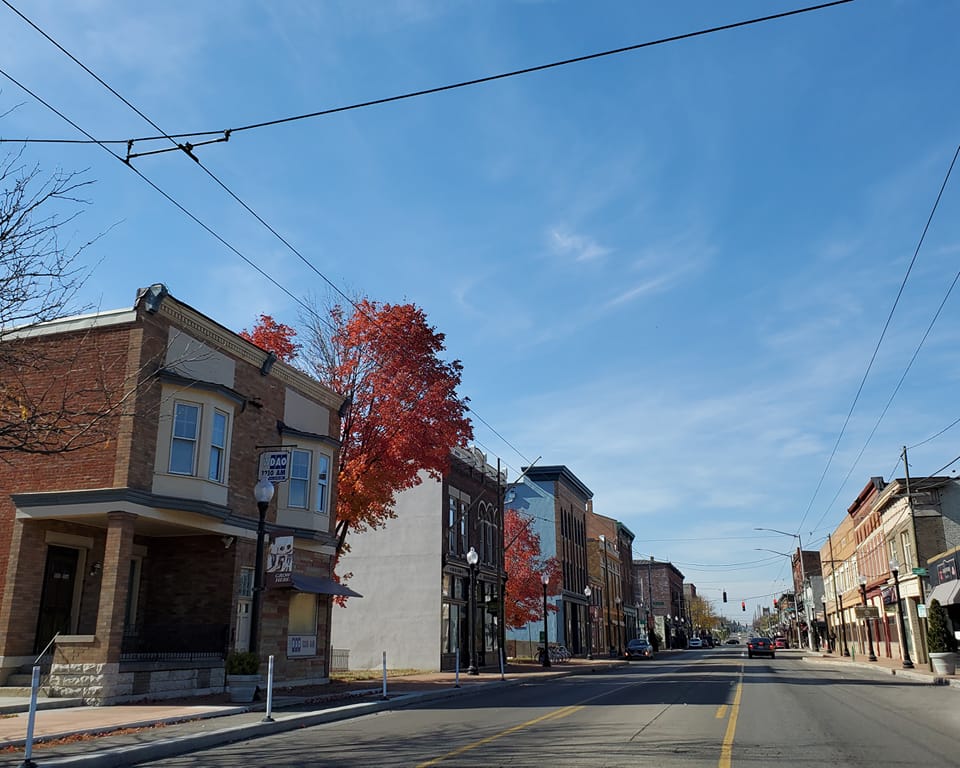
The West Third Street Historic District was one of the city’s first streetcar suburbs. It was later added to the National Register of Historic Places in 1989.

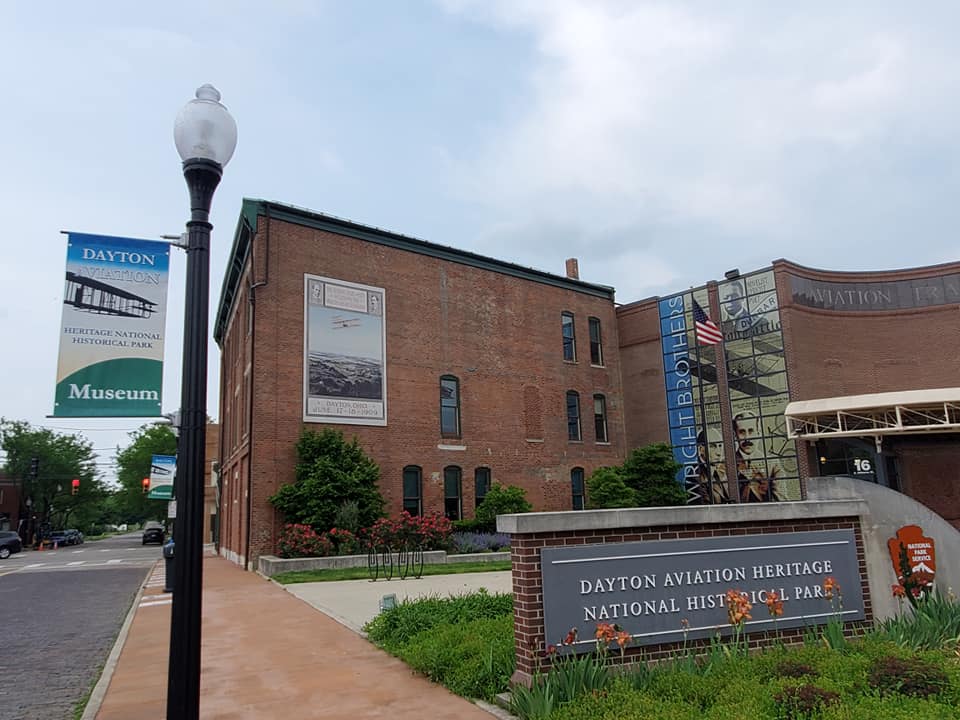
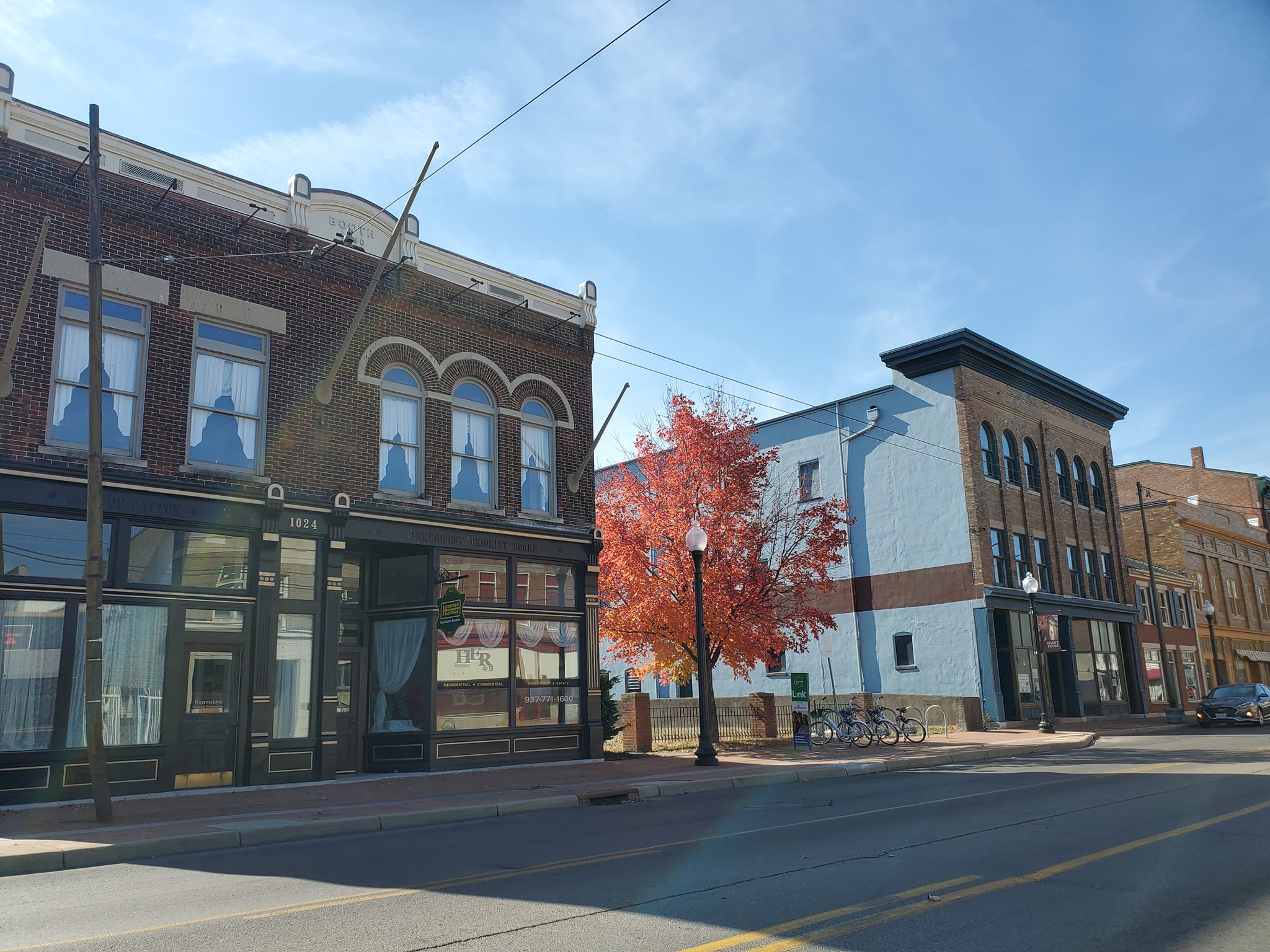
West Third Street is known for its Romanesque Revival style architecture with historical examples like the Booth Building, Needham Building, Enterprise Building, the Setzer Building, and the Hoover Block (now home of the Dayton Aviation Heritage National Historical Park).
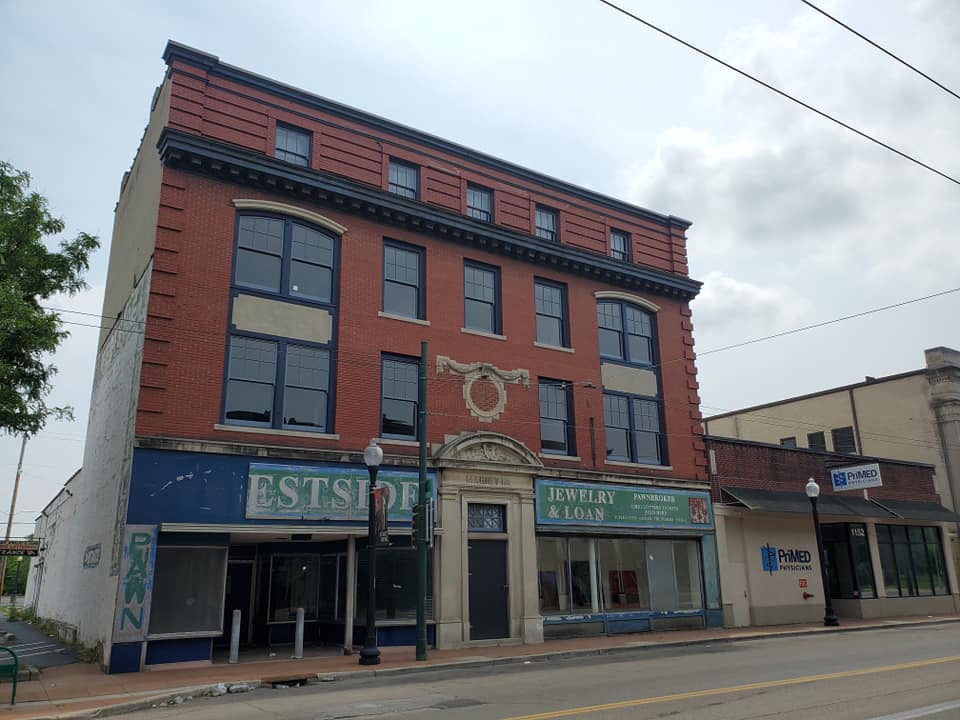
East Third Street Historic District was more of an industrial and manufacturing center, primarily for coffee roasting, paper plants, tobacco, paint, and other wholesale production from the 1890s onward.
Most of the warehouses are not worth writing home about, though they remain well preserved.
PAUL LAURENCE DUNBAR
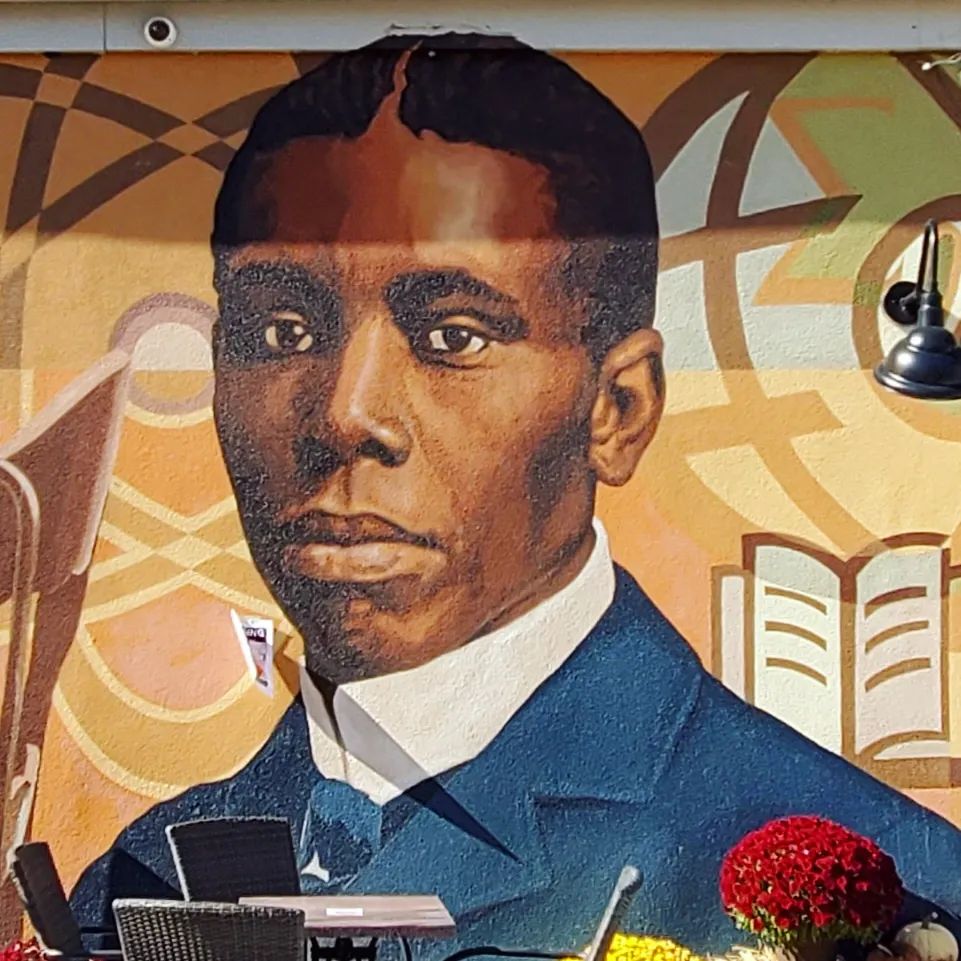
You can not talk about the Wright Dunbar neighbourhood without talking about Paul Laurence Dunbar. Dunbar was and still is one of the most notorious African American poets, writers, and novelists.
He was born in 1872 in Dayton and before he graduated high school he was already published, publishing his own newspapers and magazines with the help of classmates Orville & Wilbur Wright, serving as President of the school’s literary society, and as Editor-in-chief of the school’s newspaper.
Laurence went on to create and publish many successful volumes of his poetry, novels, essays, and books including Oak & Ivy, namesake for the Oak & Ivy Park and Farmers Market operating in the Wright Dunbar Village.
Dunbar’s wife, Alice, was a prominent writer, activist, and advocate of racial and gender equality so the two of them made a fierce pair.
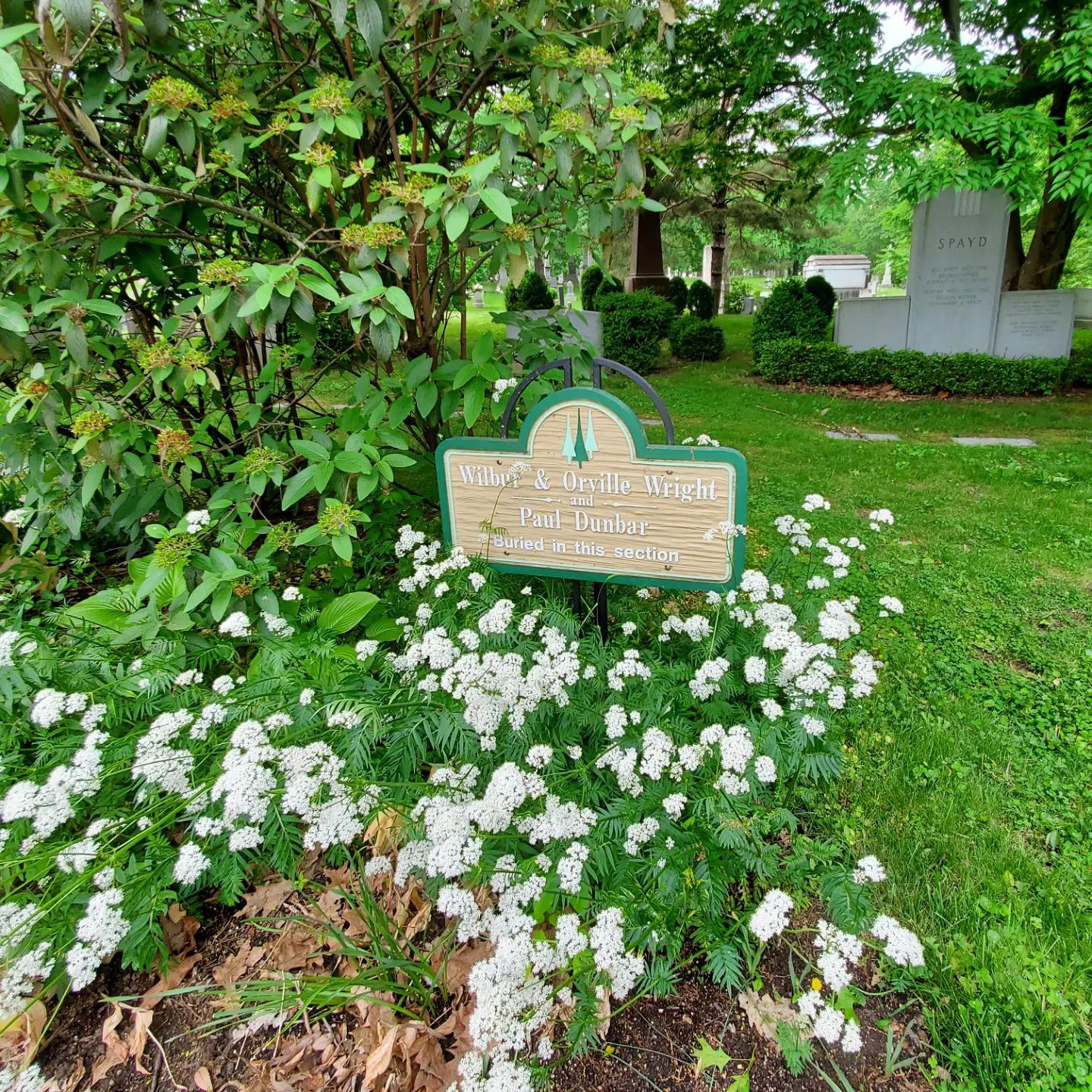
Dunbar remained a friend and collaborator of Orville and Wilbur Wright throughout their lives, with each of them supporting the others’ careers and progress.

Dunbar died in 1906 from tuberculosis and is buried in Dayton’s Woodland Cemetery near the Wright Brothers.
PAUL LAURENCE DUNBAR HISTORIC DISTRICT
The Paul Laurence Dunbar Home is at 219 N. Paul Laurence Dunbar Street, and it is part of the Paul Laurence Dunbar Historic District.
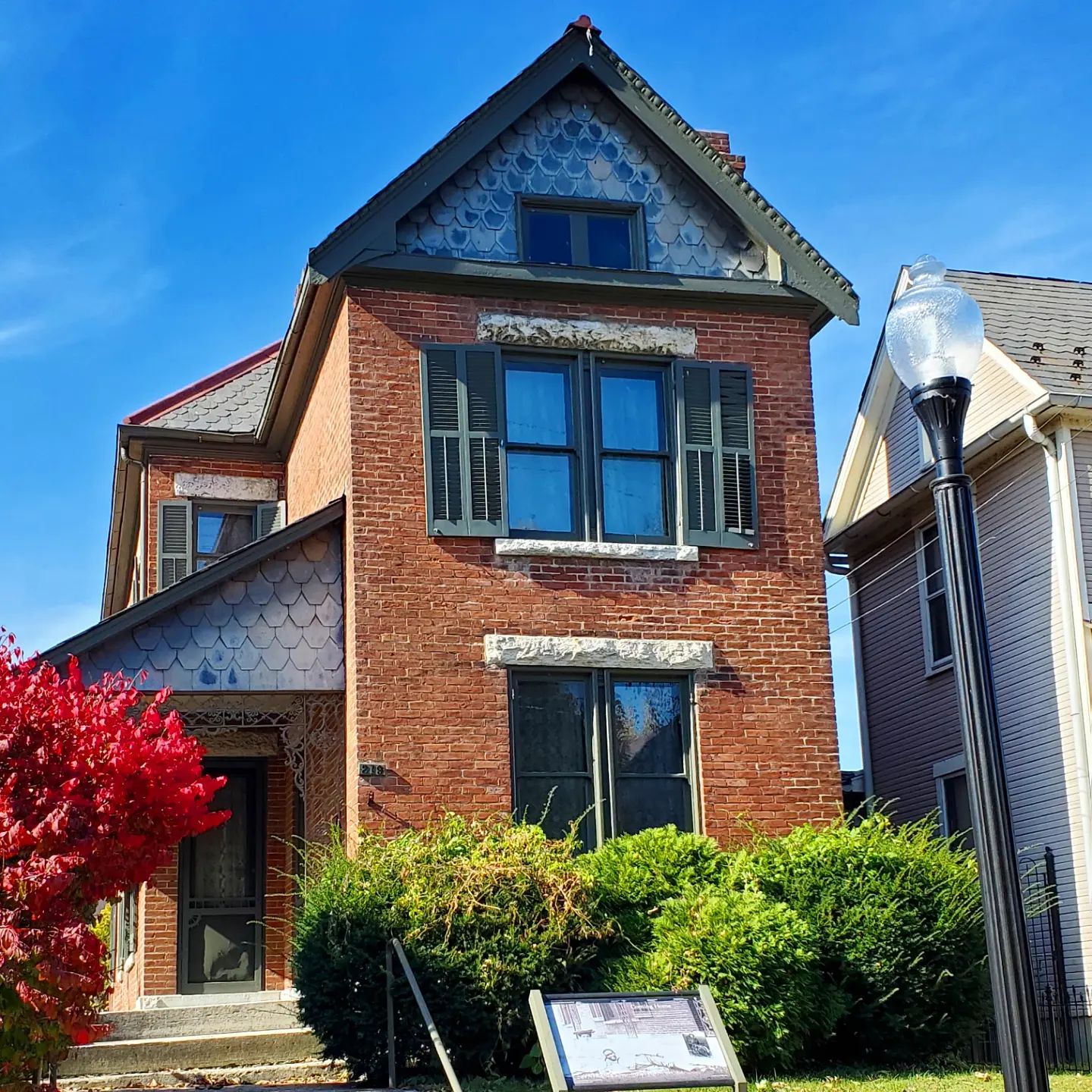
This site is also part of the Dayton Aviation Heritage National Historical Park, though it is sometimes referred to on their website as the Paul Laurence Dunbar House Historic Site.
Even more confusing, the Paul Laurence Dunbar Historic District is part of an even greater area called Wright Dunbar, which is sometimes called the Wright Dunbar Village or the Wright Dunbar Historic District.
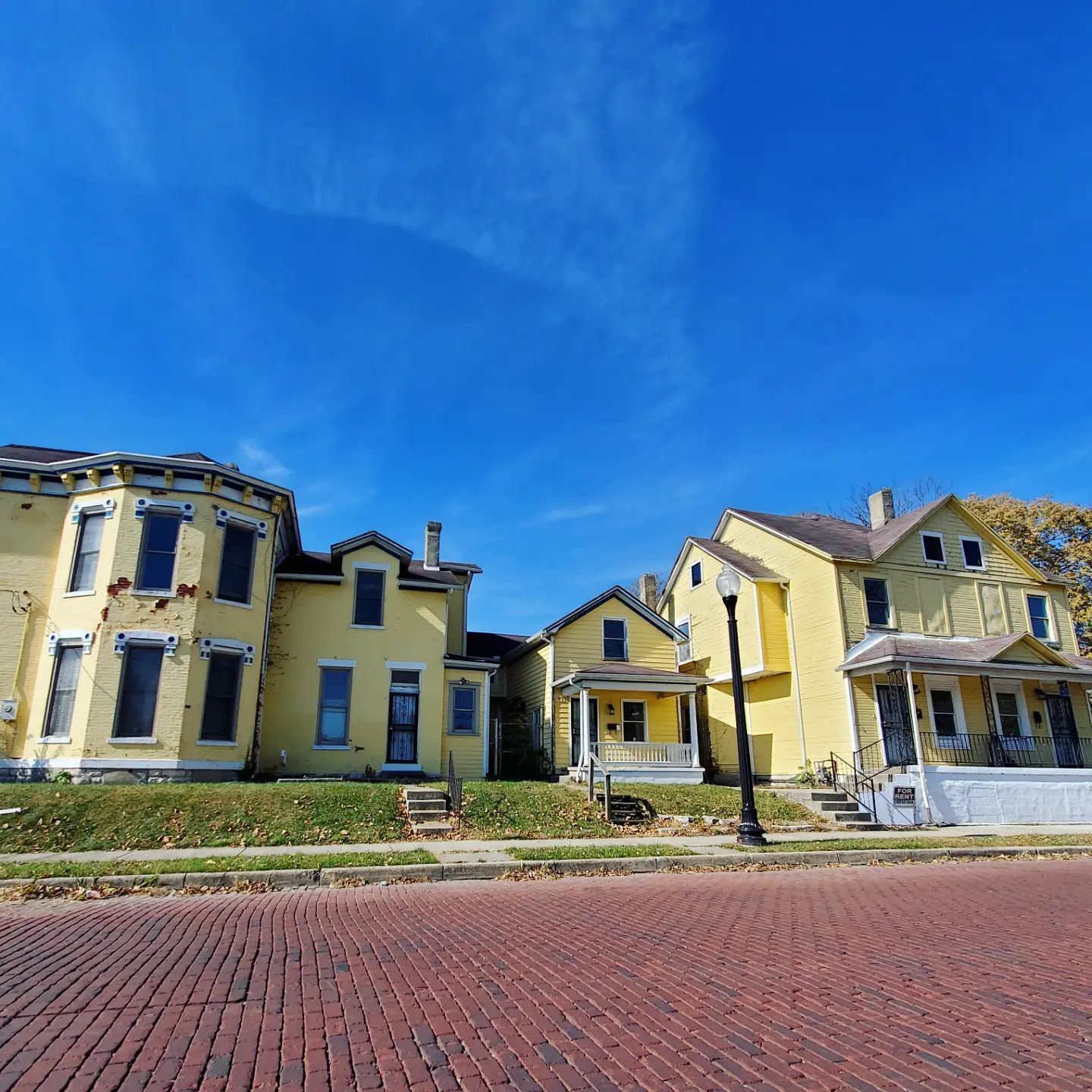
The rest of the Paul Laurence Dunbar Historic District runs along Paul Laurence Dunbar Street for about three blocks, from Edison Street southward to W. Third Street.
It became a designated historic district by the City of Dayton in 2001 and was added to the National Register of Historic Places in 1980.
WRIGHT DUNBAR
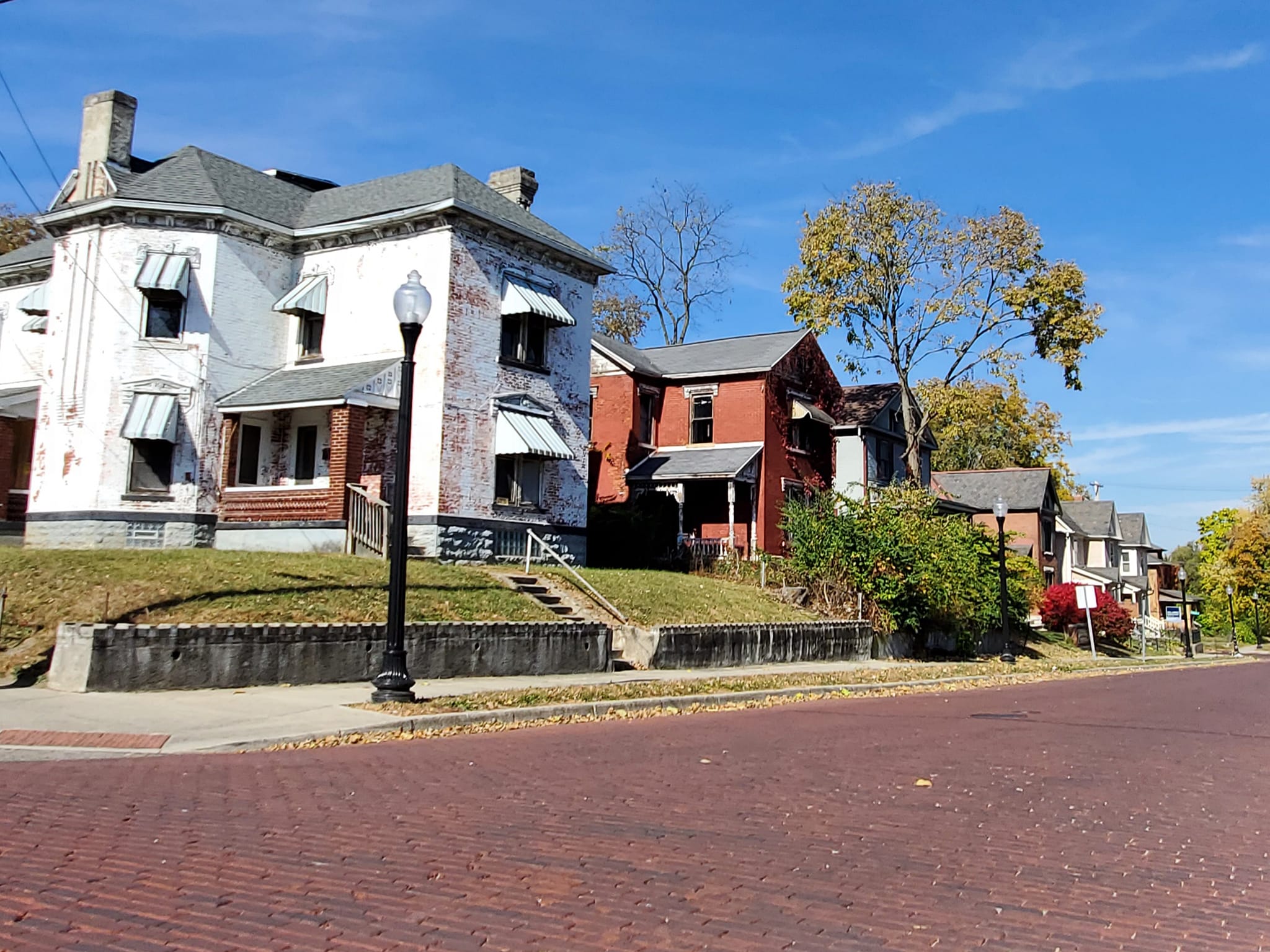
If you were to say “Wright Dunbar” today, Dayton locals would understand that it includes the Paul Laurence Dunbar Home & Historic District, the blocks around Fifth Street and Third Street, and where the Dayton Aviation Heritage National Historical Park is located with all of its Wright Brothers and Paul Laurence Dunbar historical sites.
Some folks might just stick with calling it Dayton’s old west side, though.
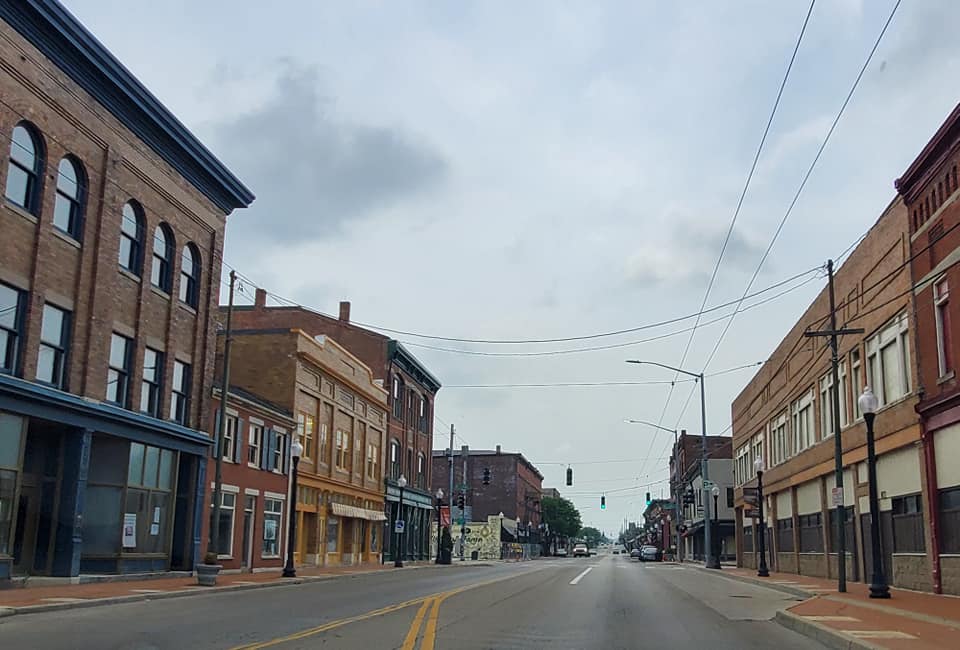
The west side has been struggling for a long time.
Something unusual about this area, however, is that unlike most dilapidated neighbourhoods with vandalized buildings which have been long ravaged by fire and broken glass, many of the buildings there have just… disappeared.
There are entire block-wide stretches with nothing but dust and debris.
A plus side to this is that it has been a little easier for the city to encourage investors to start building from scratch instead of having to navigate demolition, clean up, historic development codes, and new construction all at once.
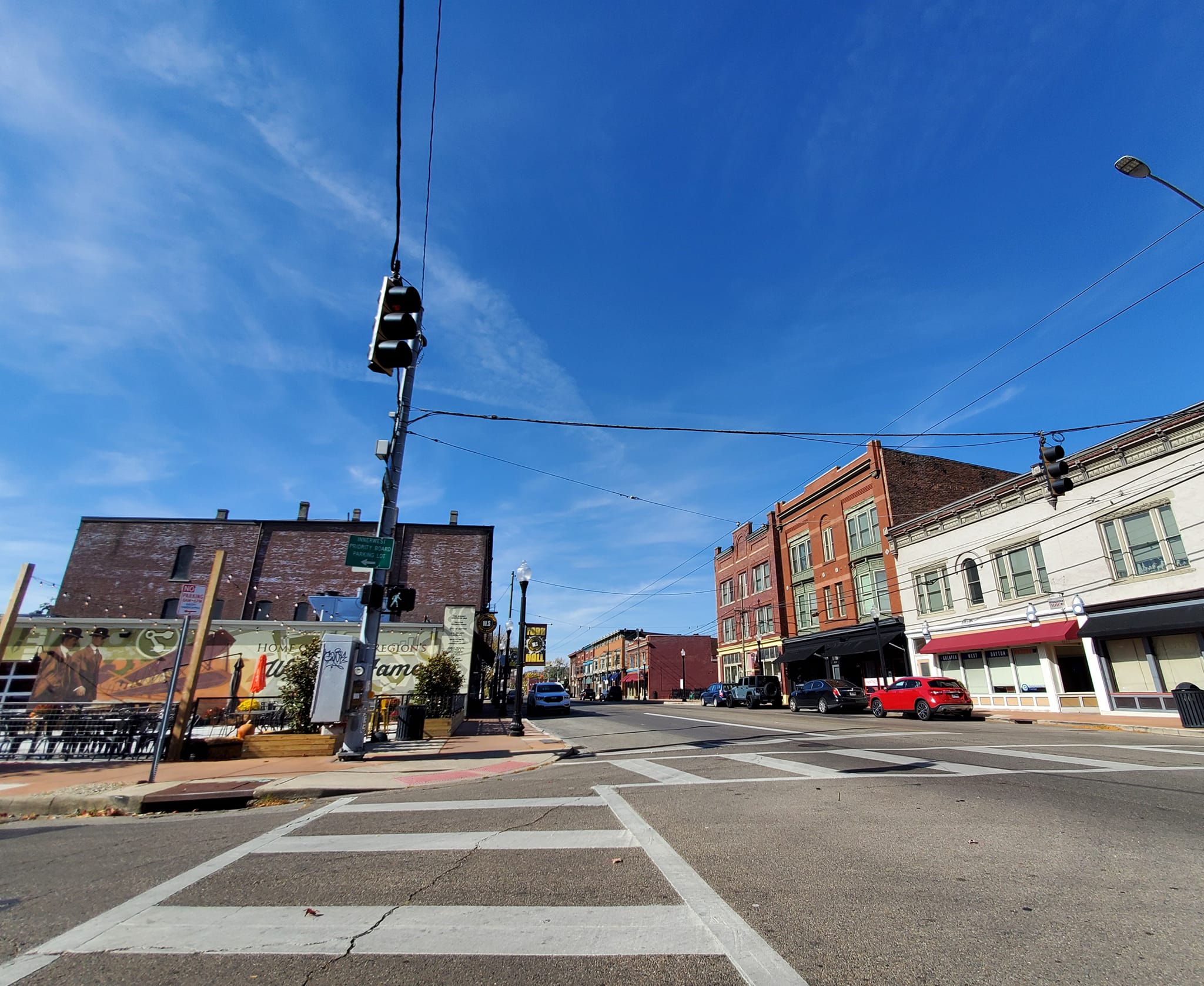
City programs have also implemented new housing strategies to encourage residential growth, and used some of the existing historic buildings to host international attractions like the Dayton Aviation Heritage National Historical Park.
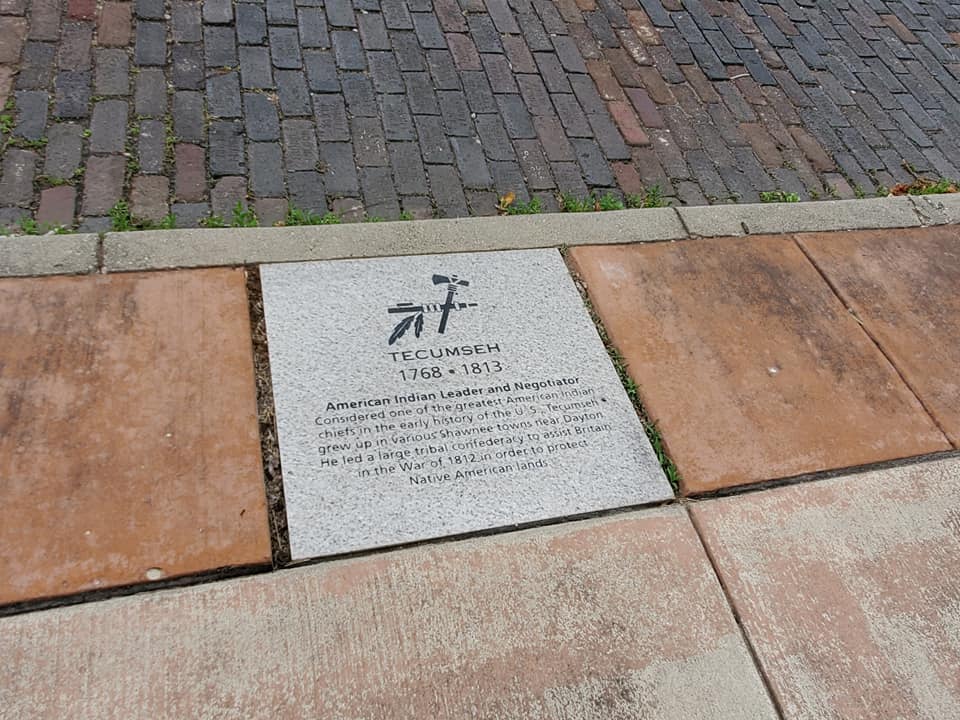
The Dayton Walk of Fame is another tourist attraction that spotlights more than 150 famous individuals and groups from the Dayton area for their successes and contributions.
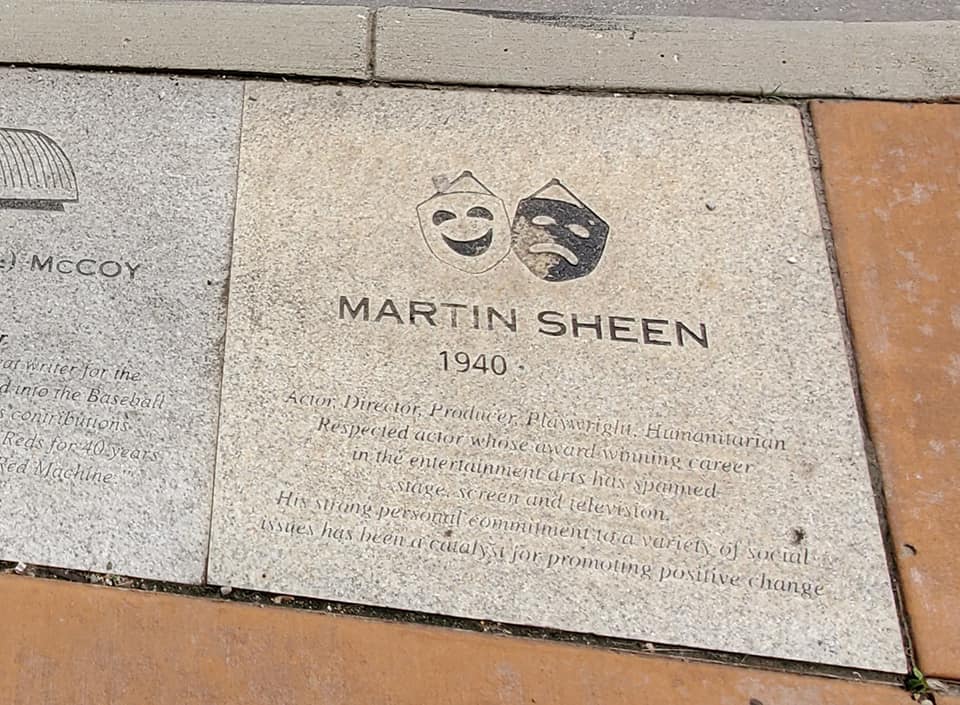
The city is working to build memorials at various historical landmarks of Black and African American culture around the district and to create new ones as more history is uncovered.
FUTURE DEVELOPMENTS
A nonprofit called Wright Dunbar Inc. has been working to renovate several buildings and prepare them for lease, and the City of Dayton/County officials are working together to reconstruct and widen the crumbling Third Street “Peace Bridge” to connect Wright-Dunbar to downtown.
The new version of the bridge will include art installations and info plaques about prominent Daytonians, overlooks above the river, and new pedestrian and bike lanes.
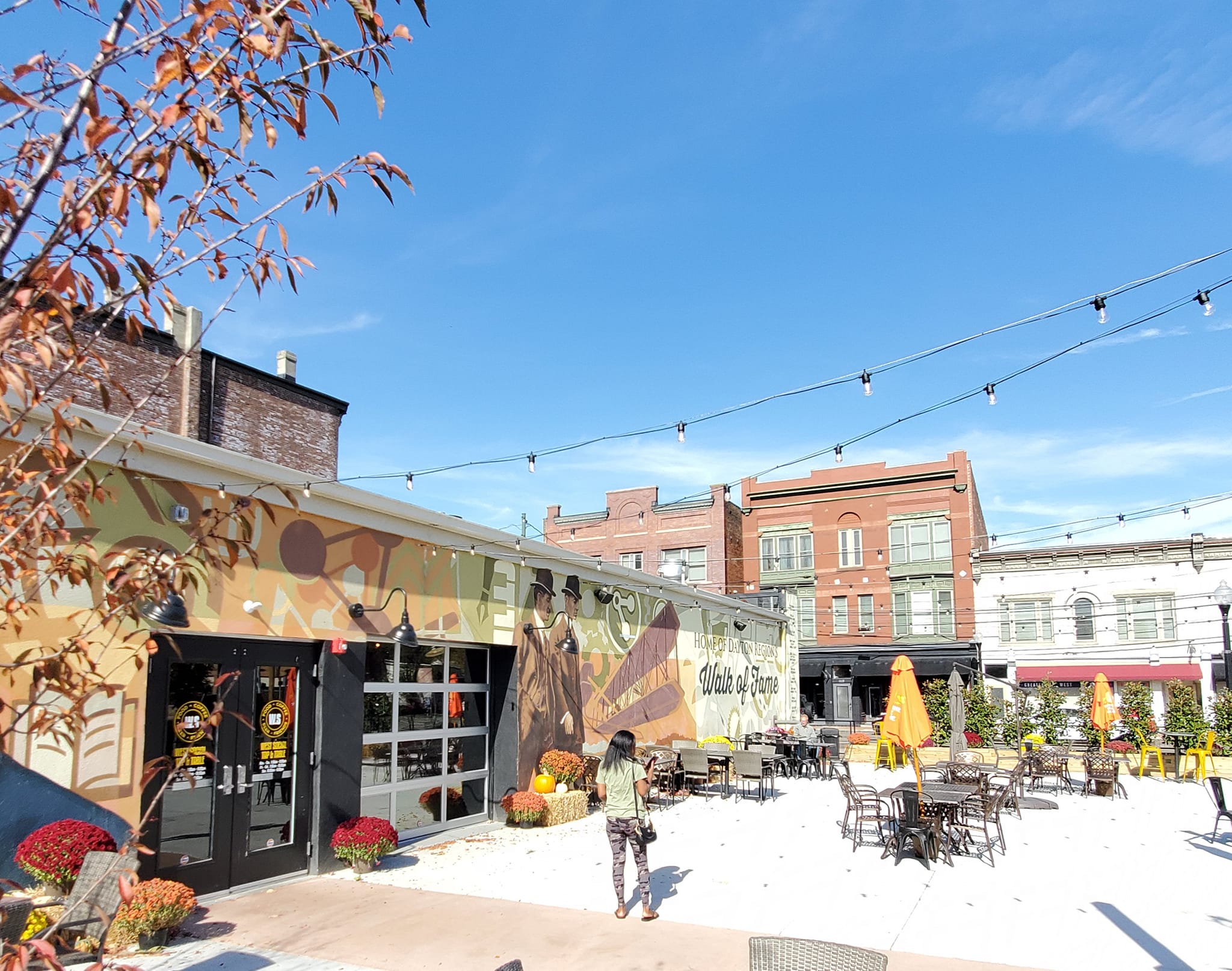
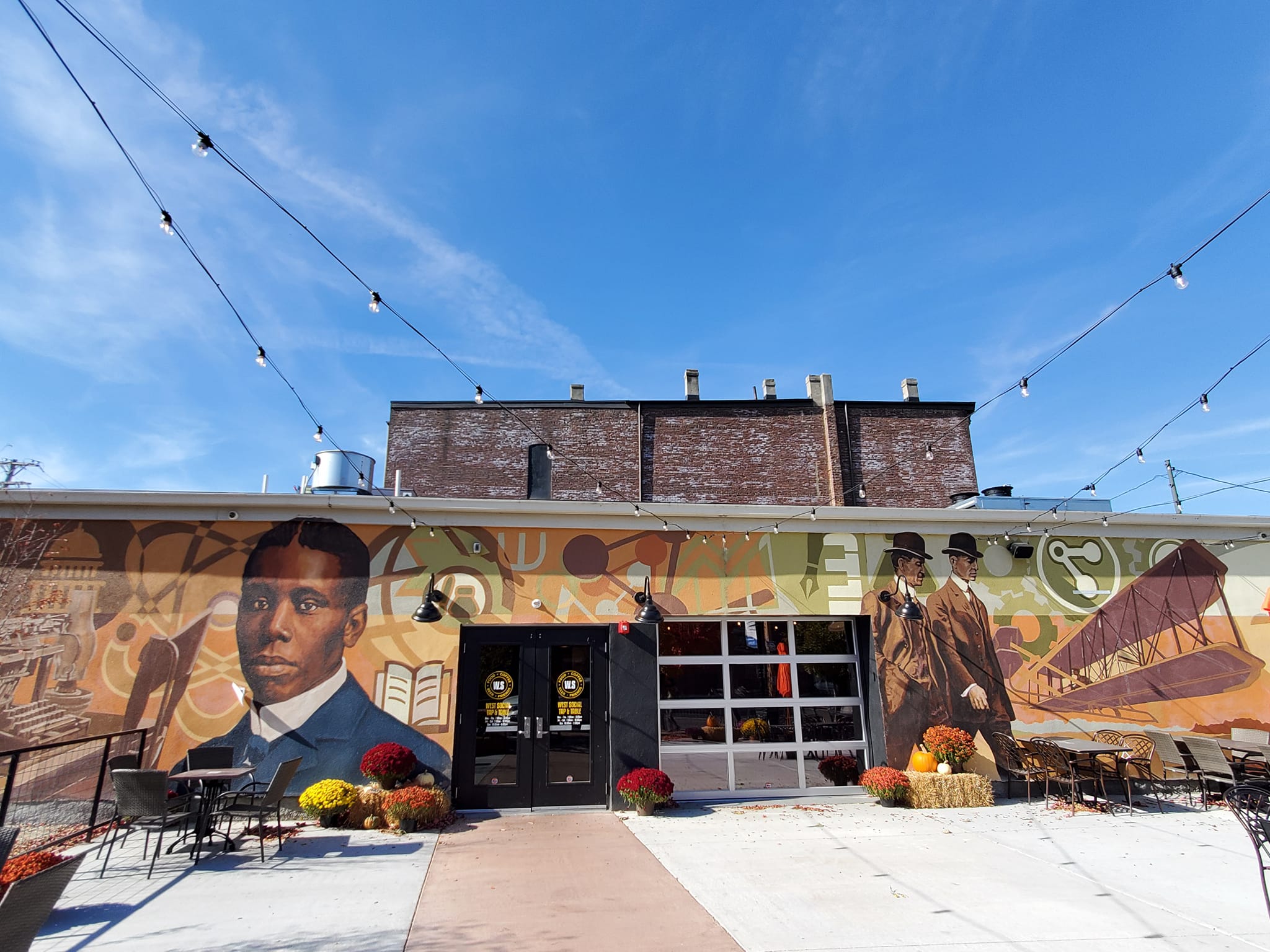
Check out West Social Tap & Table, Dayton’s first food hall. It hosts a variety of food truck vendors and entertainment, and has murals on its exterior that honour Paul Laurence Dunbar and the Wright Brothers.
Anthony Thomas, the owner of Taco Street, opened a barber shop across the road called Lux Barber Lounge with his son.
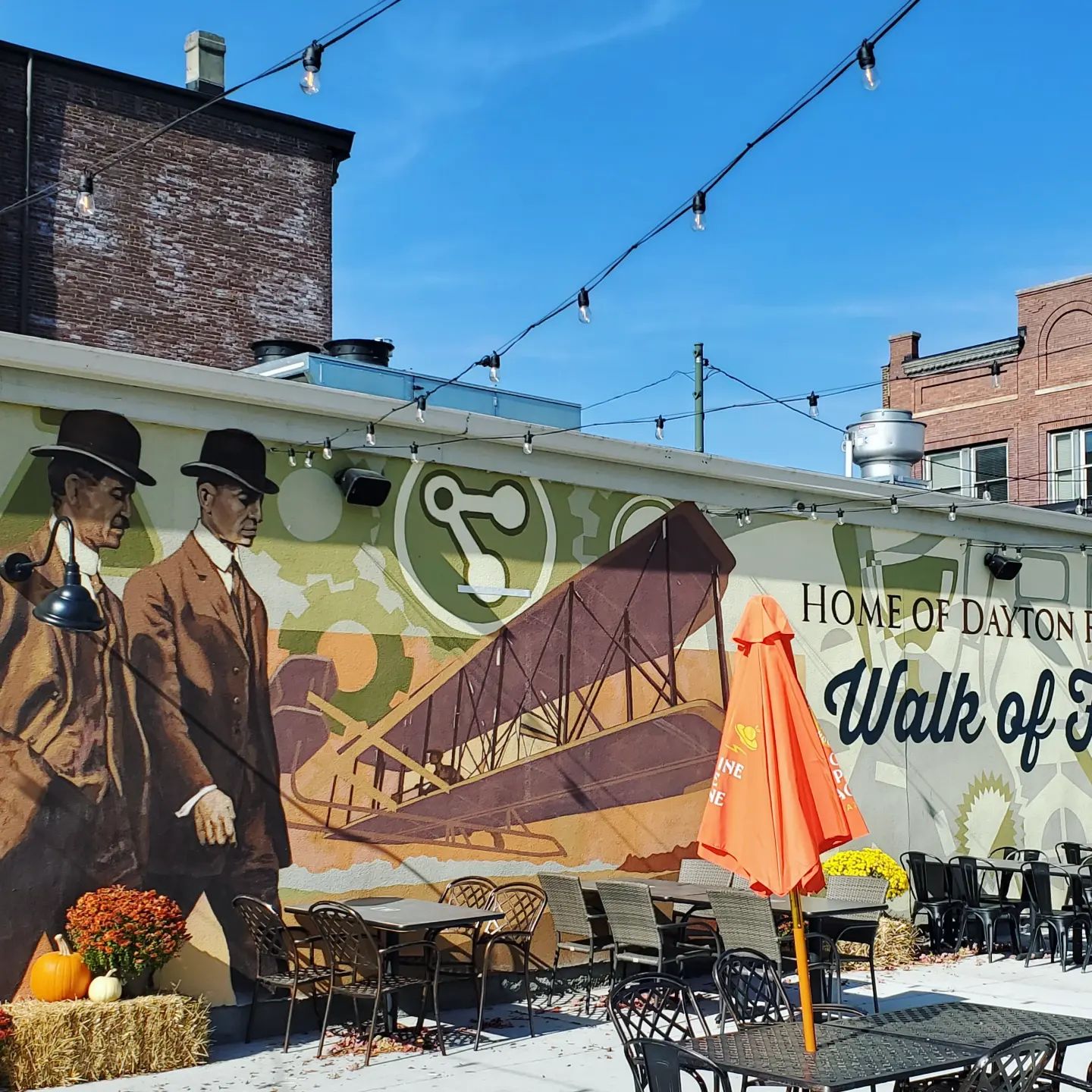
Sunrise MetroPark, the newly relocated Wright Flyer III Sculpture, Gem City Coney Shack, and Endigo’s Herbals & Organics are just a few of the interesting parks and local businesses to check out in Wright Dunbar.
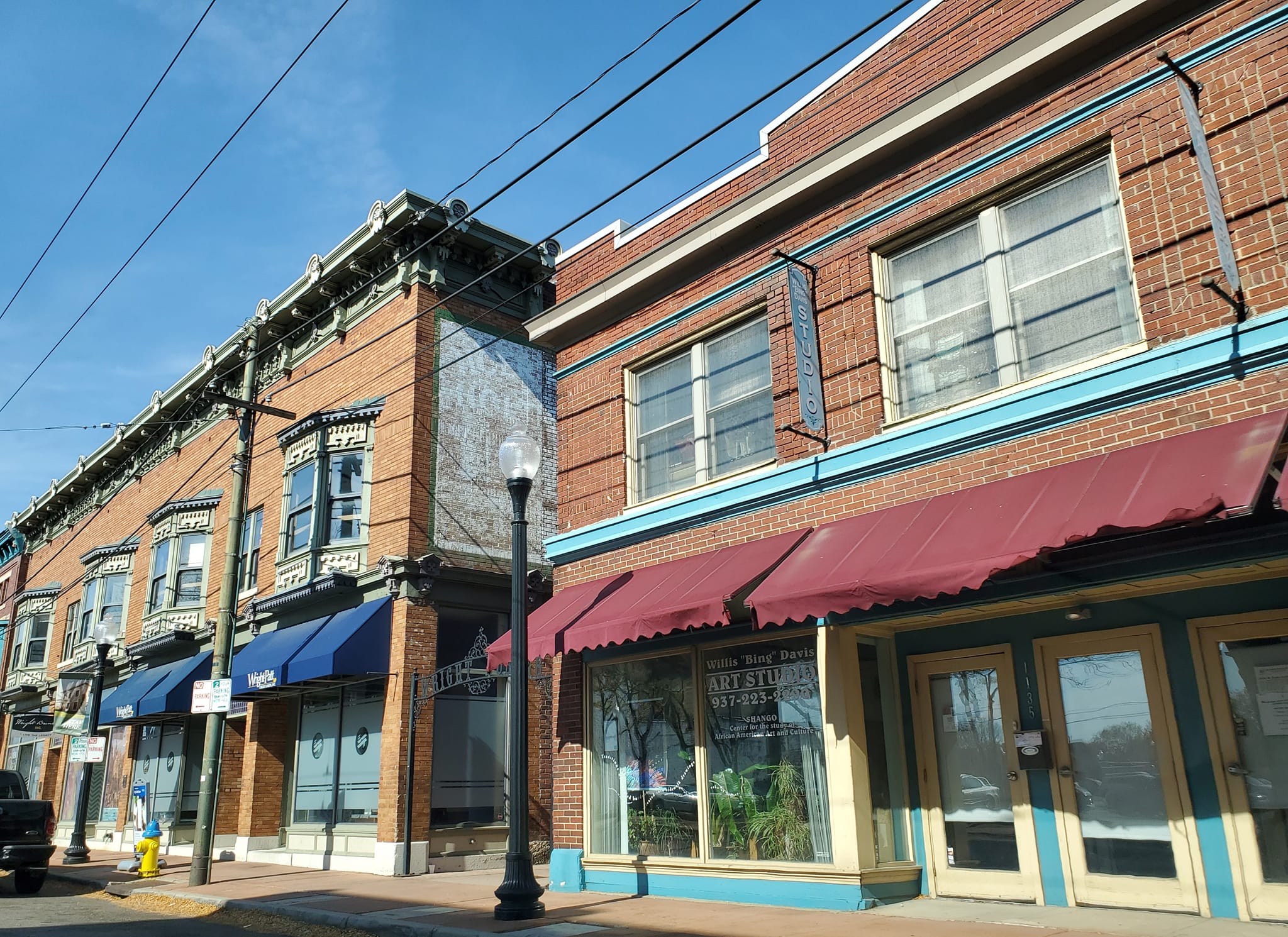
There are a few different versions of online walking tours you can listen to and follow along with like the Paul Laurence Dunbar Historic District, Wright Dunbar Village, and the West Third Street Historic District.
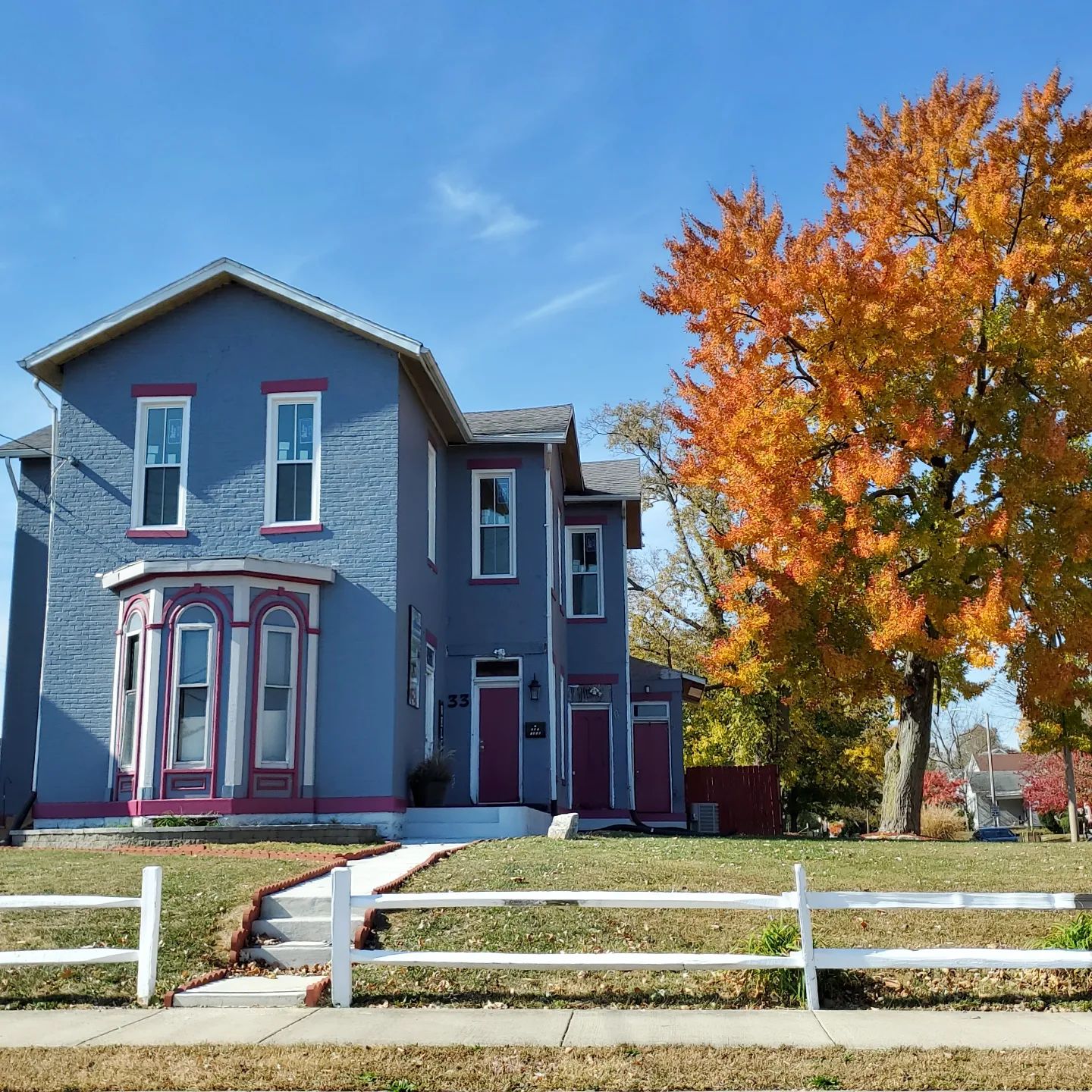
Prepare to be dazzled by all the renovated Victorian, Queen Ann, Italianate, and even a few Eastlake homes for good measure.
In the area for a while? Follow me to some of Dayton’s other cool neighbourhoods like Tipp City, St. Anne’s, the Huffman District, Fire Blocks, South Park, Old North, the Oregon District, or take a tour of significant Wright Brothers sites (in progress).
********************
© Copyright Fernwehtun, 2015- Current. Unauthorized use and/or duplication of this material without express and written permission from this site’s author and/or owner is strictly prohibited. Excerpts and links may be used, provided that full and clear credit is given to Fernwehtun and Fernwehtun.com with appropriate and specific direction to the original content.


 Fernweh, An Ache for Distant Places
Leave a comment