Belfast took its name after the Irish phrase Béal Feirste, loosely meaning the mouth of the river at the sandbanks, and it has been the capital of Northern Ireland since the late 1800s.
A leading city back in the Industrial Revolution and in textile manufacturing, as well as a great contributor to science and technology, Belfast graciously remains less tourist-ridden and much more navigable on all fronts than Dublin.
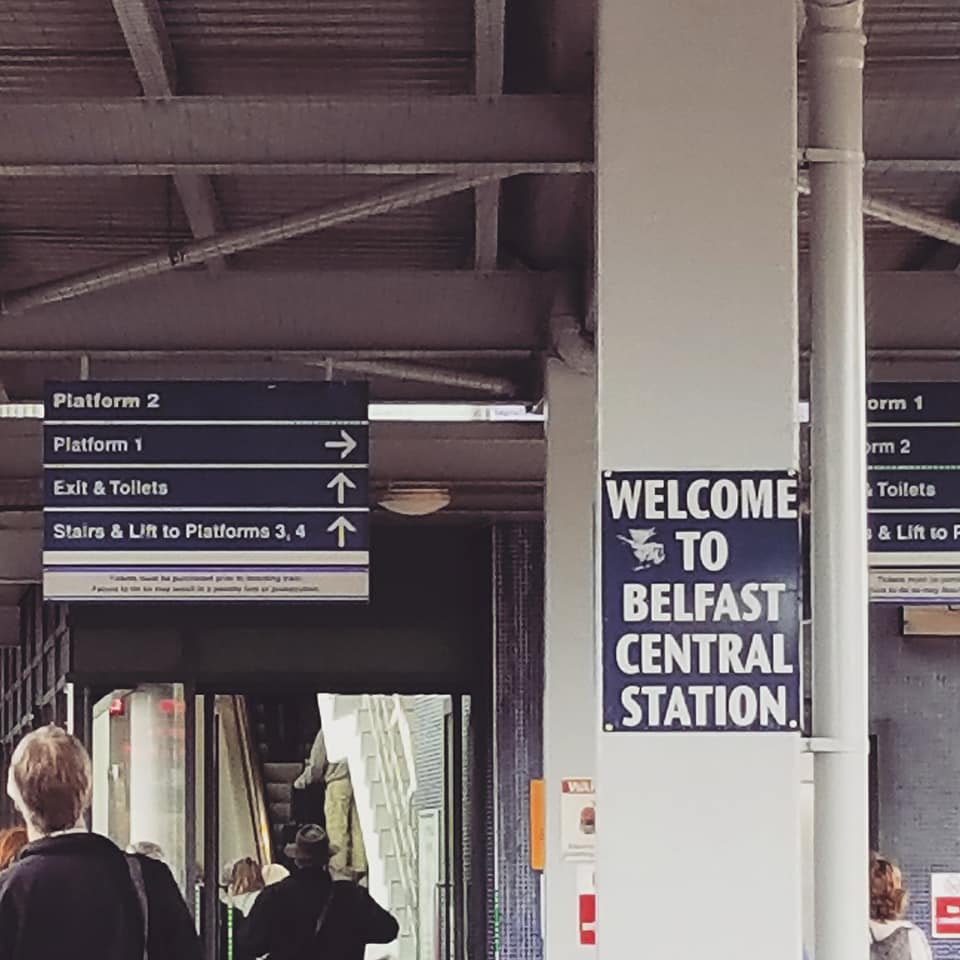
We took a train from Dublin all the way north through Drougheda, Dundalk, and Lisburn into Belfast and immediately hopped the city bus to Saint George’s Market.
SAINT GEORGE’S MARKET
Anyone who has heard me ramble on about Munich and how much I love the Viktualienmarkt will understand why the very first stop I made in Belfast was here.
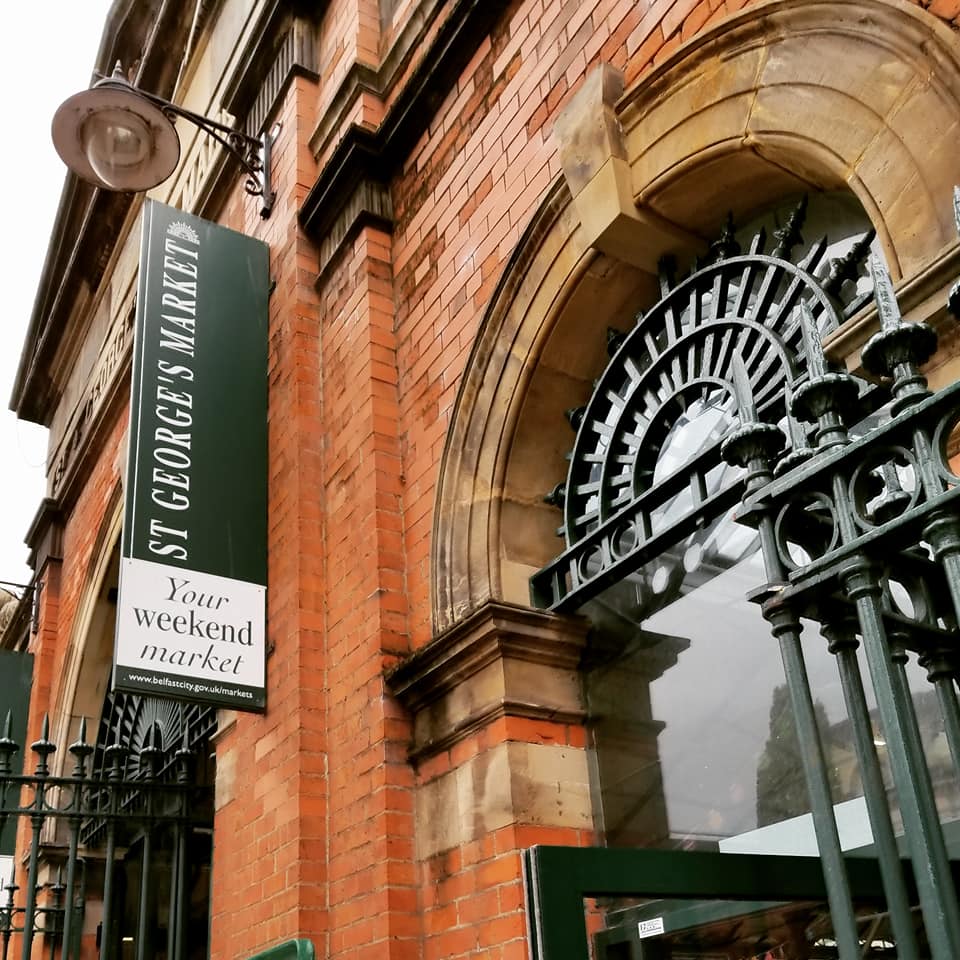
St. George’s Market has been open since the 1600s, although it has only been inside a building since the 1800s. Without fail, vendors provide local produce, essentials, novelties, and other wares to the city each week at varying times.
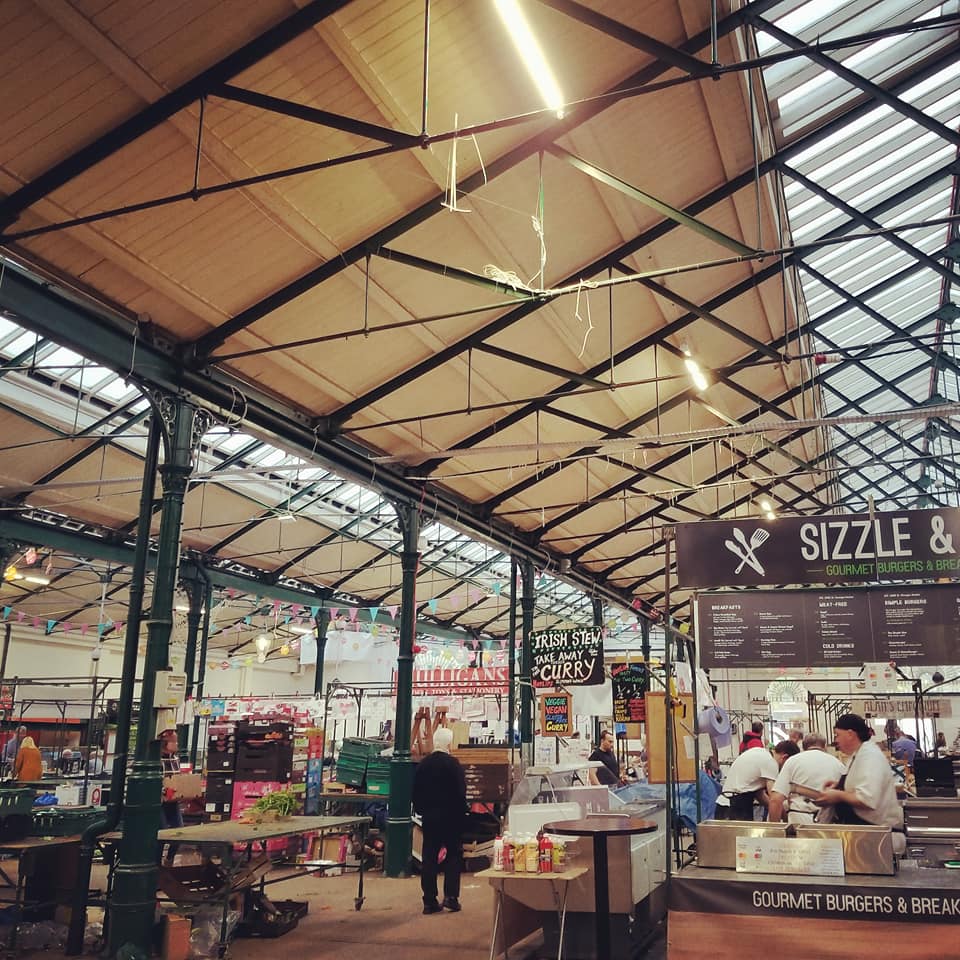
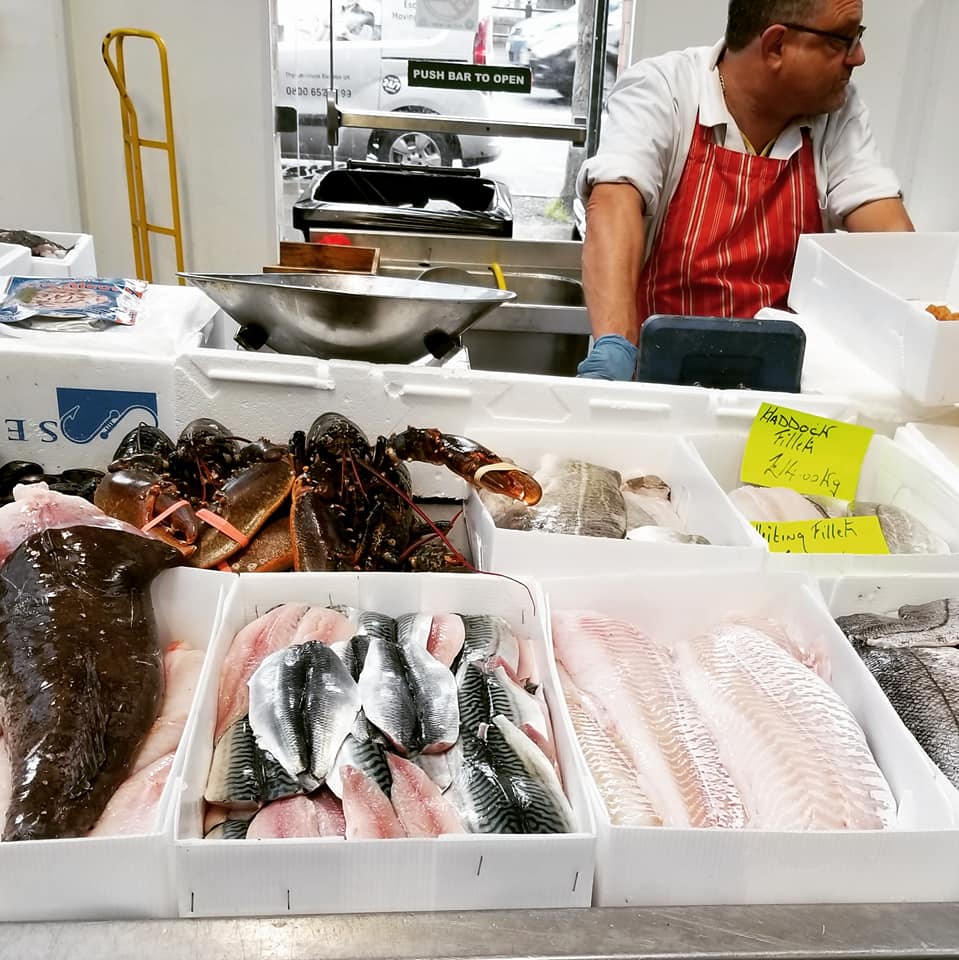
You can do your weekly shopping here, buy home goods and gifts, and handpick your meal items to be cooked and served right in front of you.
I was delighted to find a South African harissa chicken and veggie sandwich for lunch, and my friend opted for gourmet brick oven-fired pizza.
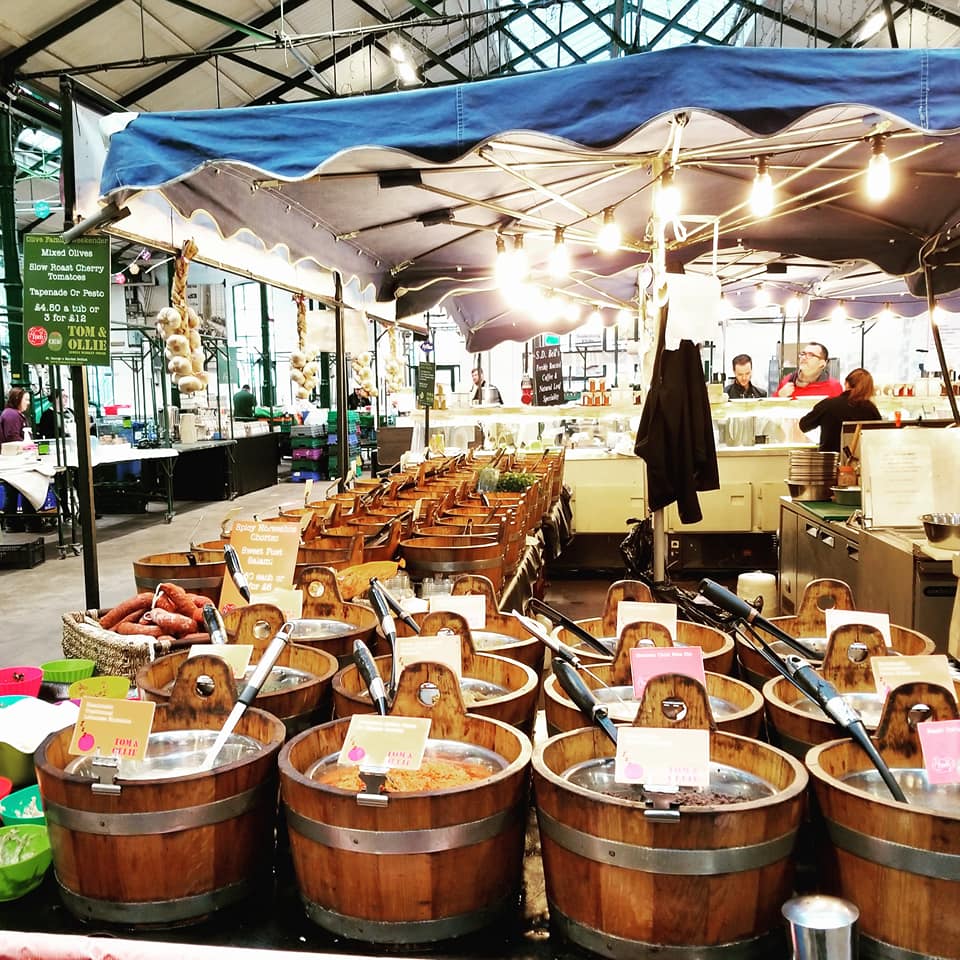
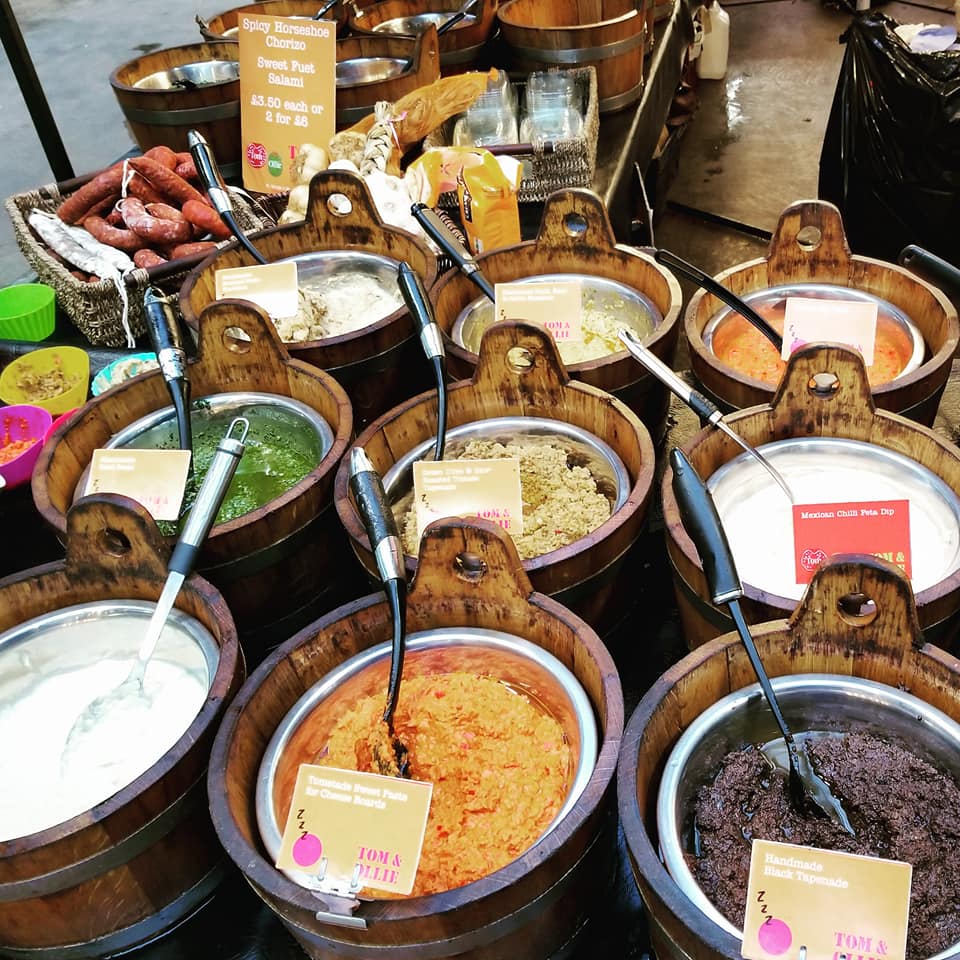
We left after minimal purchases of silver rings, gem stones, herbs, palo santo and sage bundles, a half pound of mixed olives and peppers, some fruit, and a wheel of porter cheese.
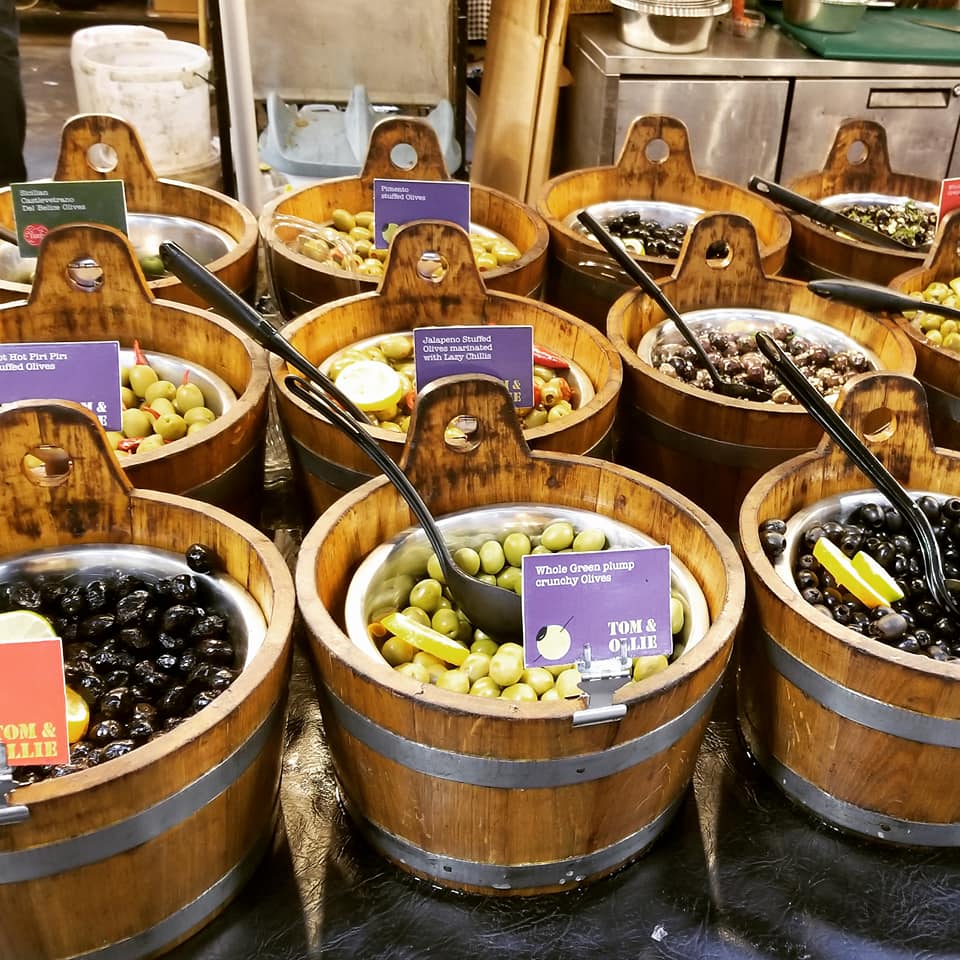
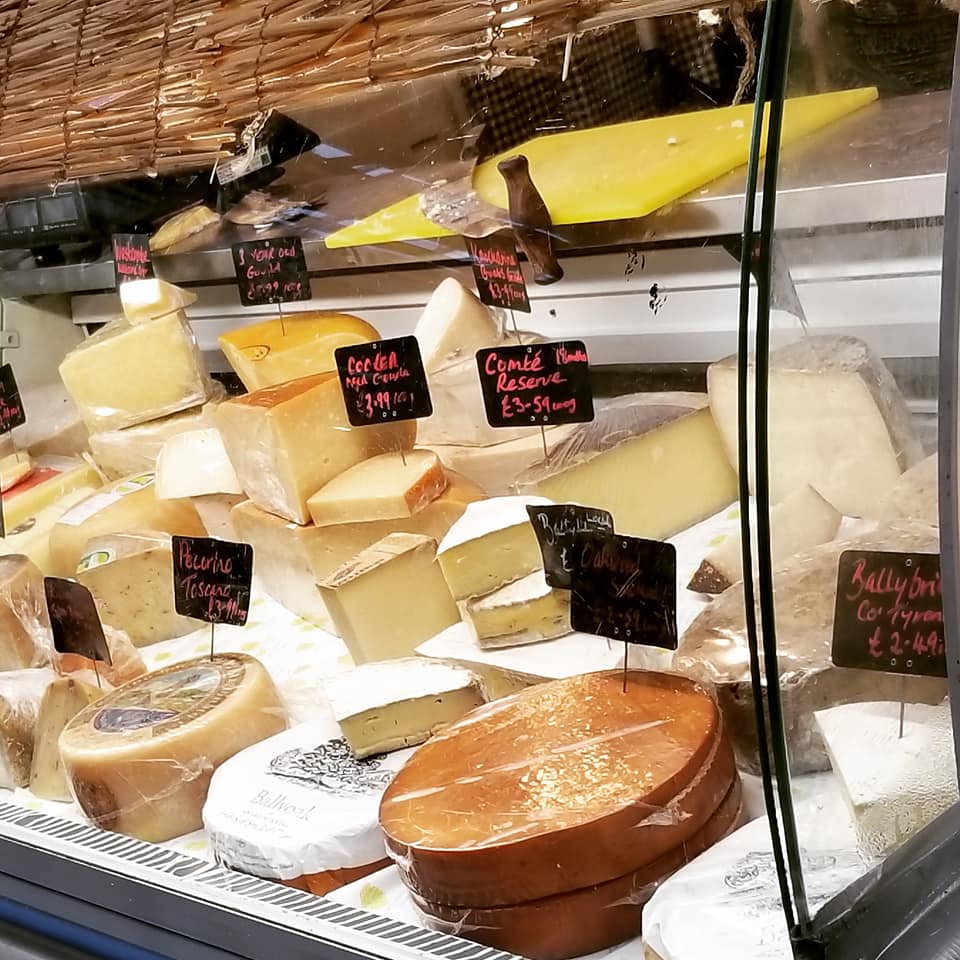
RAGLAN ROAD
We stayed with a wonderful host who is sharp on Irish history, has some impressive underground connections, and knows all the best “real Belfast” places to visit.
Over a few whiskeys, he recited Irish poems and sang traditional songs for us (#swoon), one of which was “On Raglan Road” by Patrick Kavanagh. Many popular artists have covered it, but I’m quite fond of this version.
ALEXANDRA PARK
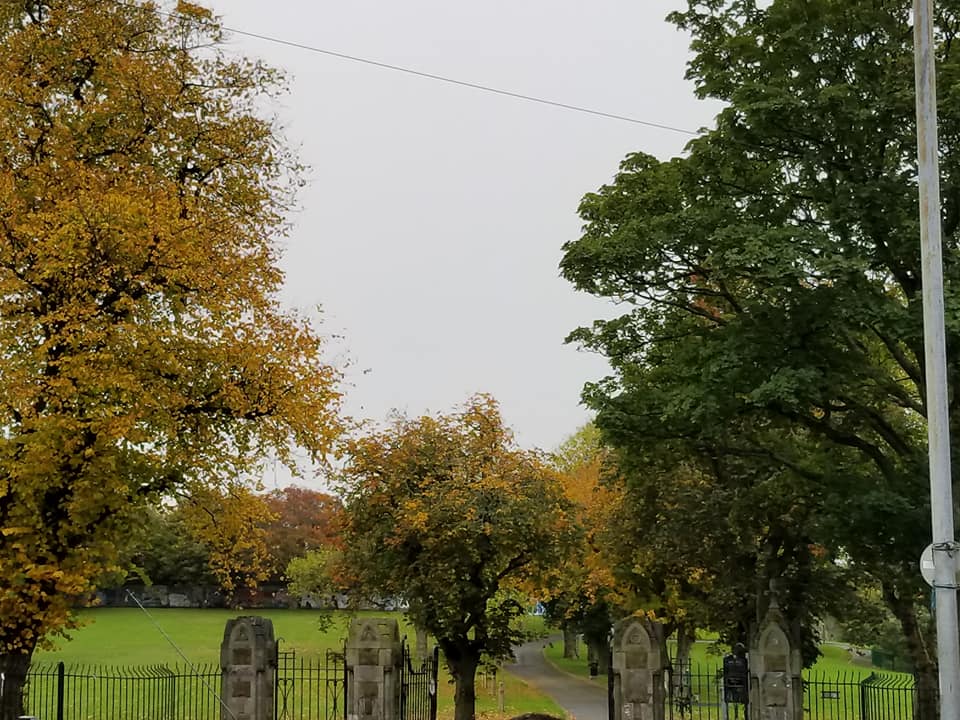
Where we stayed is adjacent to Alexandra Park, built for Princess Alexandra in the 1880s. Some of the Peace Wall Murals were visible from our bedroom window; a chilling reminder of the Troubles, not so long ago when the city was not as quiet and peaceful as it is today.
For more information on the Troubles, check out this BBC Documentary.
QUEEN MARY’S GARDENS
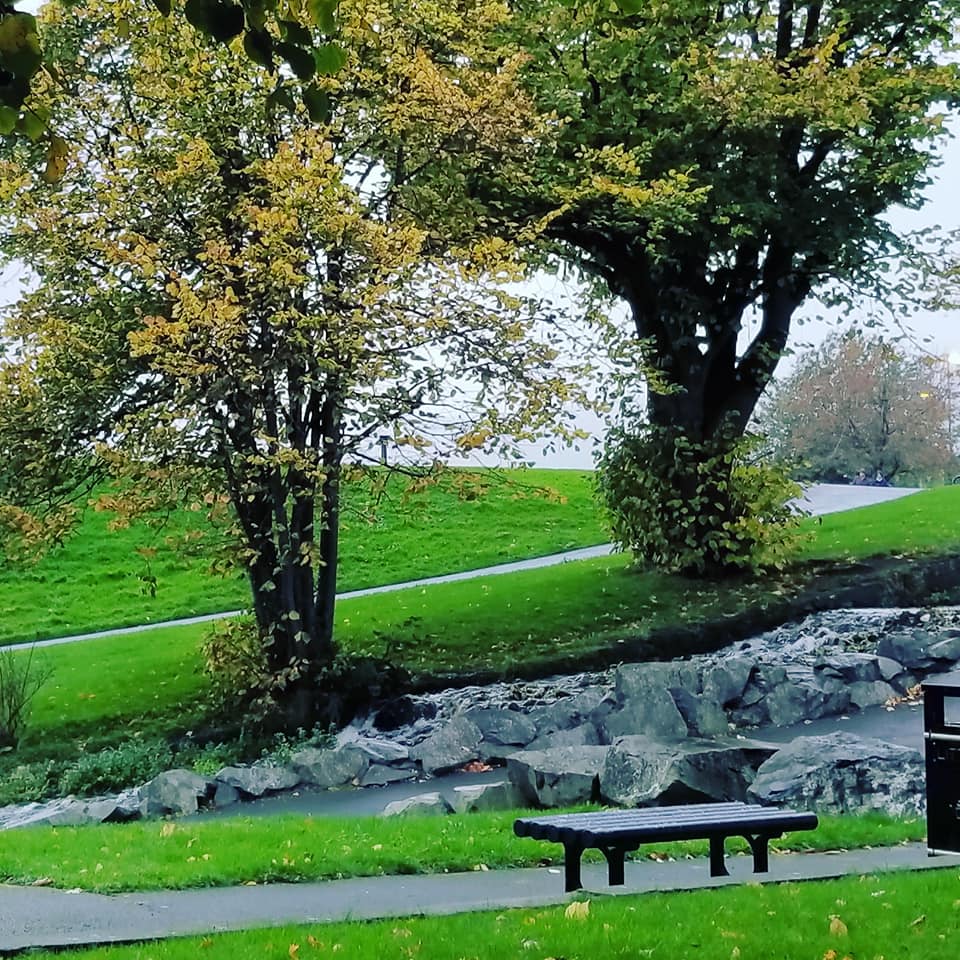
Waterworks Belfast used to host the city’s water supply, but is now a sanctuary for birds and wildlife.
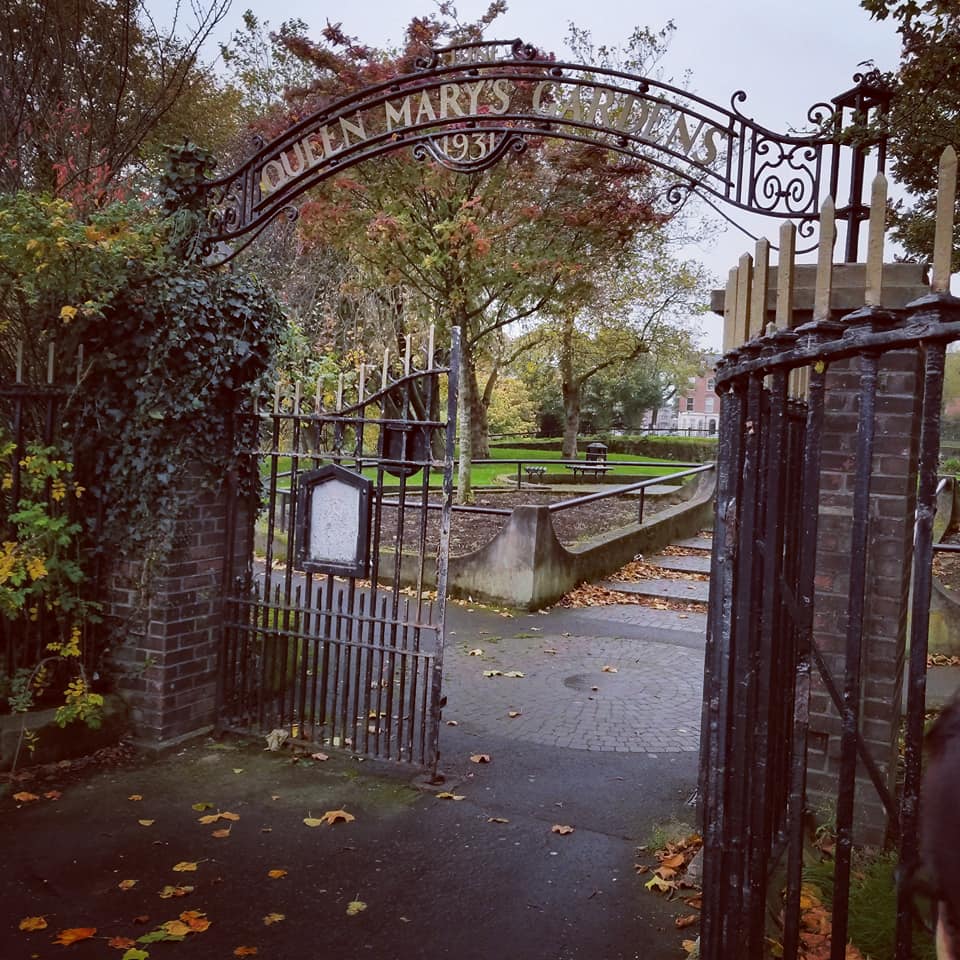
Queen Mary’s Gardens is just one entrance and you can walk along the path to see waterfalls, ornate foliage and plants.
SAINT PATRICK’S PARISH
The people of Belfast built Saint Patrick’s Parish possibly as far back as the 1300s and it has a wild history of being demolished and rebuilt all over again. The church has a more in-depth narration on its website.
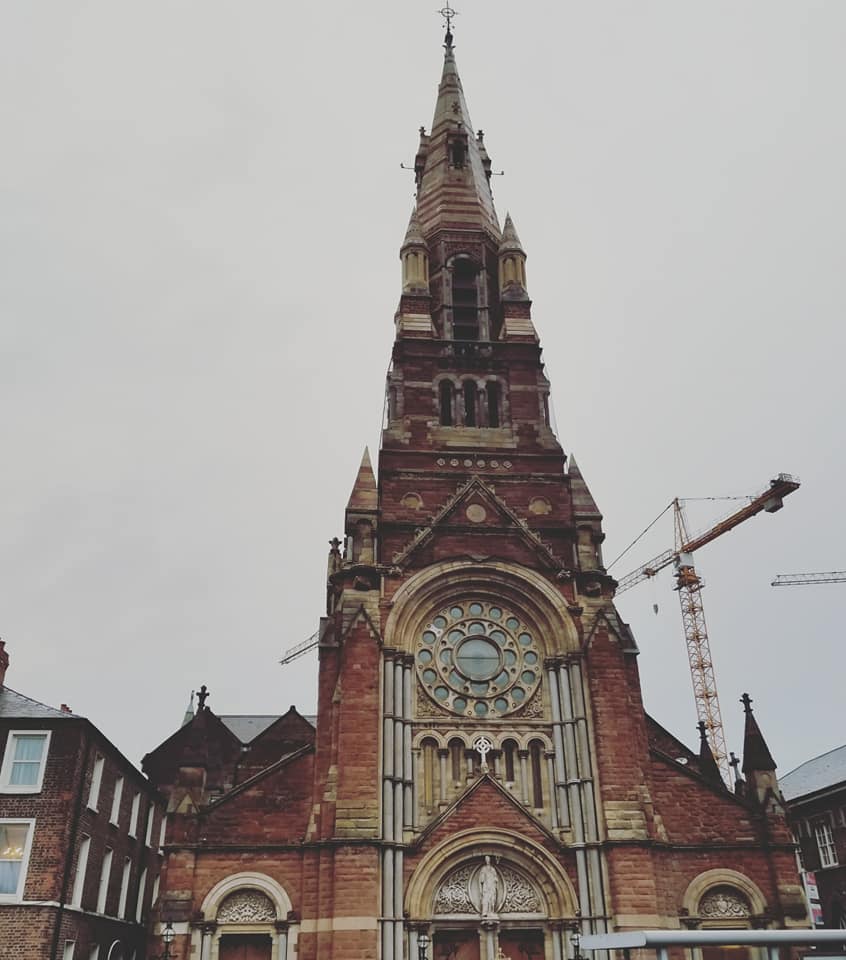
I am definitely not religious, but I do enjoy ogling old cathedrals and architecture.
SAINT ANNE’S CATHEDRAL
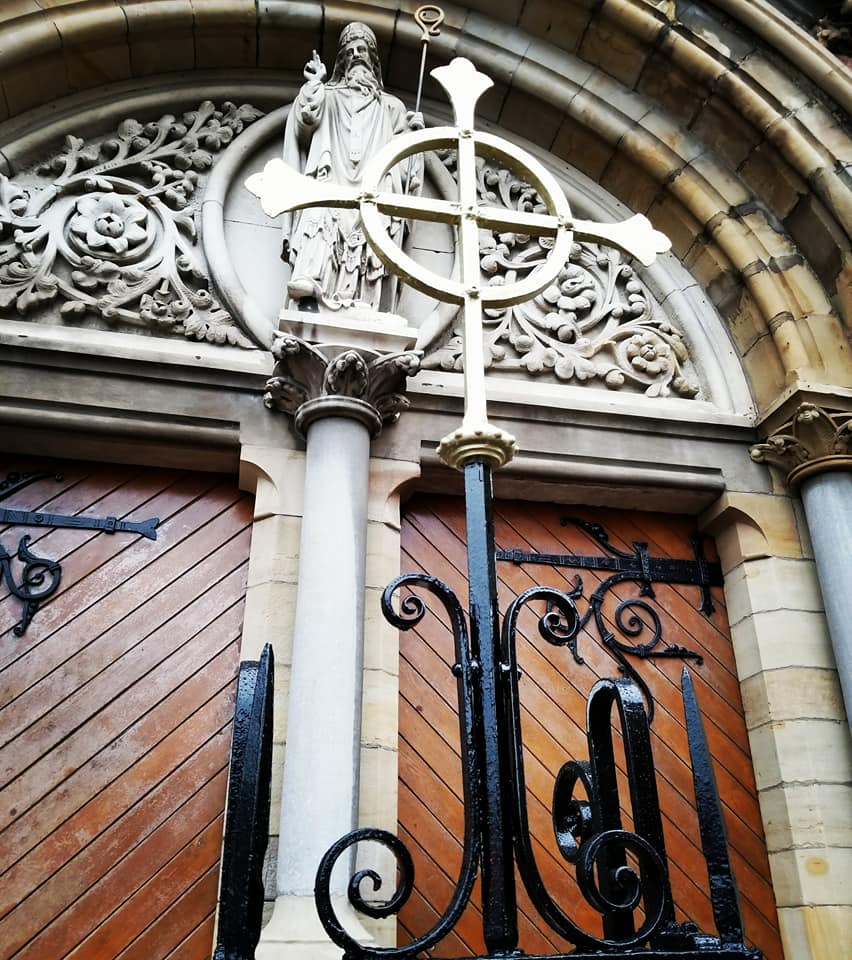
The most prominent feature of Belfast’s Cathedral Quarter is Saint Anne’s. It is sometimes closed to the public without notice, however, Saint Anne’s has a video on their site that tells all about the cathedral’s history and current events.

ORANGE HALL LODGE
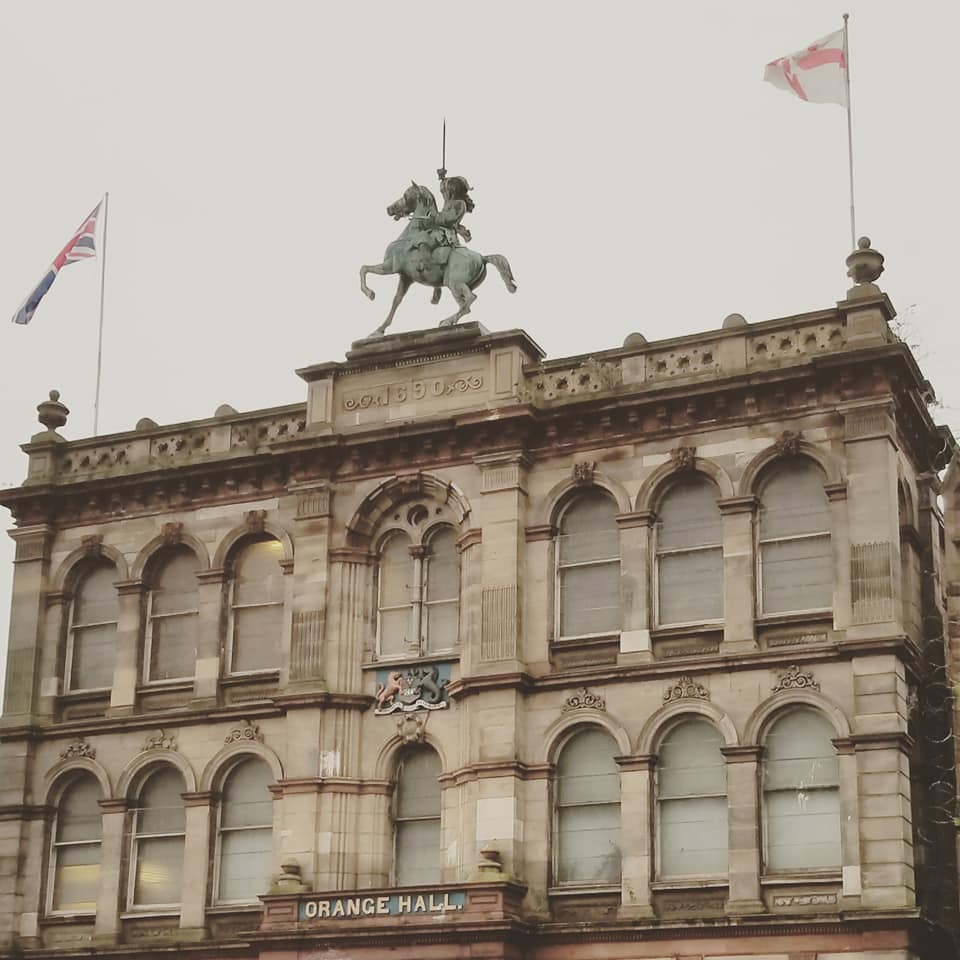
Present throughout Ireland and the United Kingdom is the Orange Order, whose members are known as Orangemen.
The Order stands with British Unionism and Protestant rights. It has been a constant source of agitation, and often violence, to the historically and traditionally Irish Catholic population. Many sources say the situation is unpleasantly reciprocated but I am not qualified to determine this one way or the other.
I must also admit here my fascination with the Masons and Freemasonry, et al. Orangemen observe strict Sabbatarianism and keep many beliefs and systemic rituals linked to Masonic Orders, although there are actual Masonic lodges throughout the nation as well.
ANTRIM ROAD
Lucky us, we were staying just off Antrim Road, the main road that leads straight to the Cathedral Quarter, Victoria Square, Donegall Square, and other downtown hot spots.
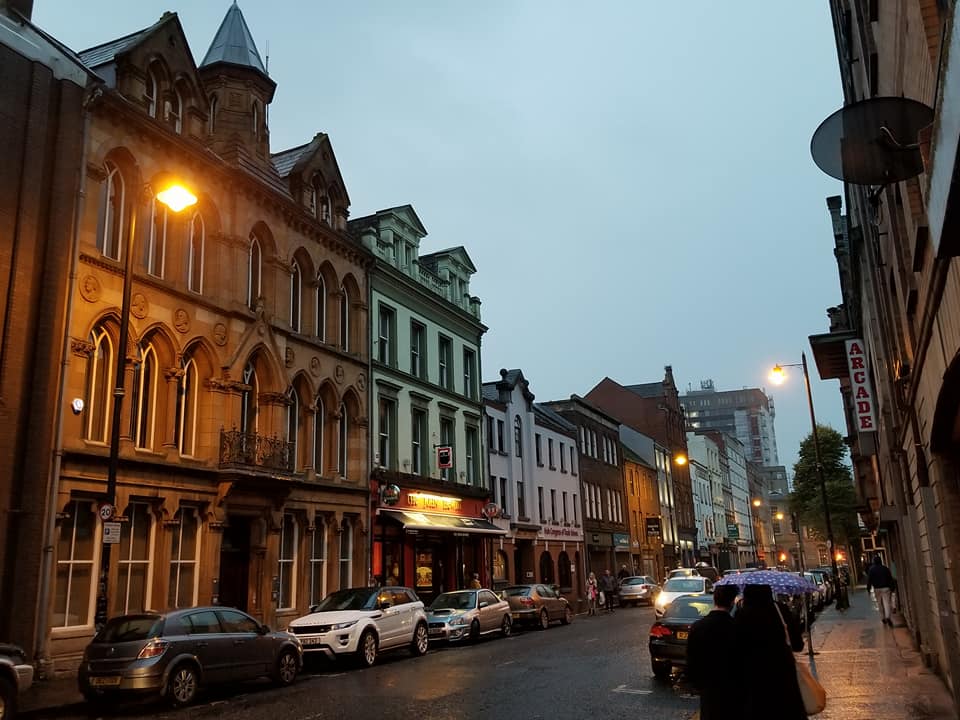
A two-mile walk wound right through our list of places we wanted to visit, and we saw tons of university buildings, parks, and street art installations.
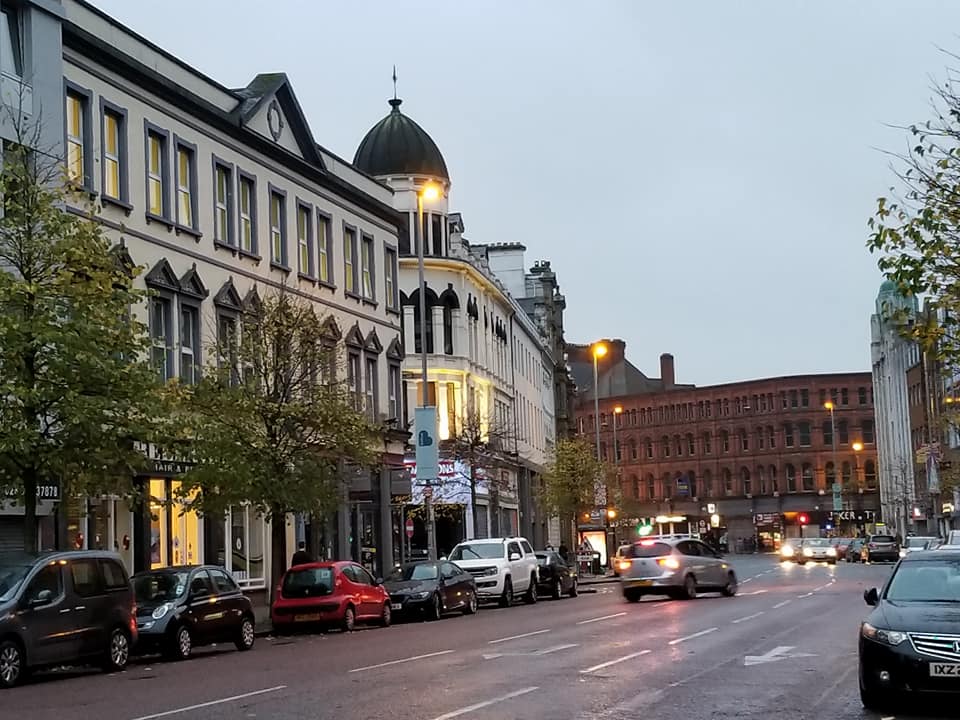
DONEGALL SQUARE & THE DUKE OF YORK
For me, Donegall Square (with two “L”s) is the quintessential Irish city square full of pubs and cafes, and the star pub of Belfast is the famous Duke of York.
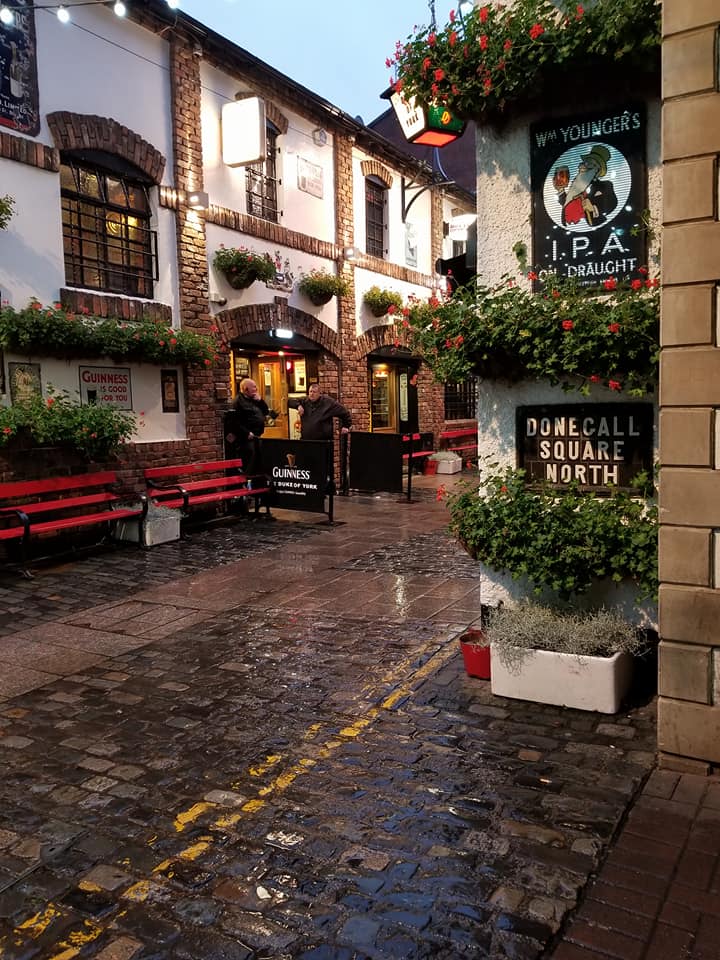
Take the time to check out all the festive pubs nearby, along Donegall Street and a block east along Hill Street. The Northern Ireland War Memorial Museum, Belfast Cathedral, Cathedral Quarter, restaurants, and other cool places are in this area.


Story Maps & Open History has a really cool and informative walking tour route you can follow by clicking this link.


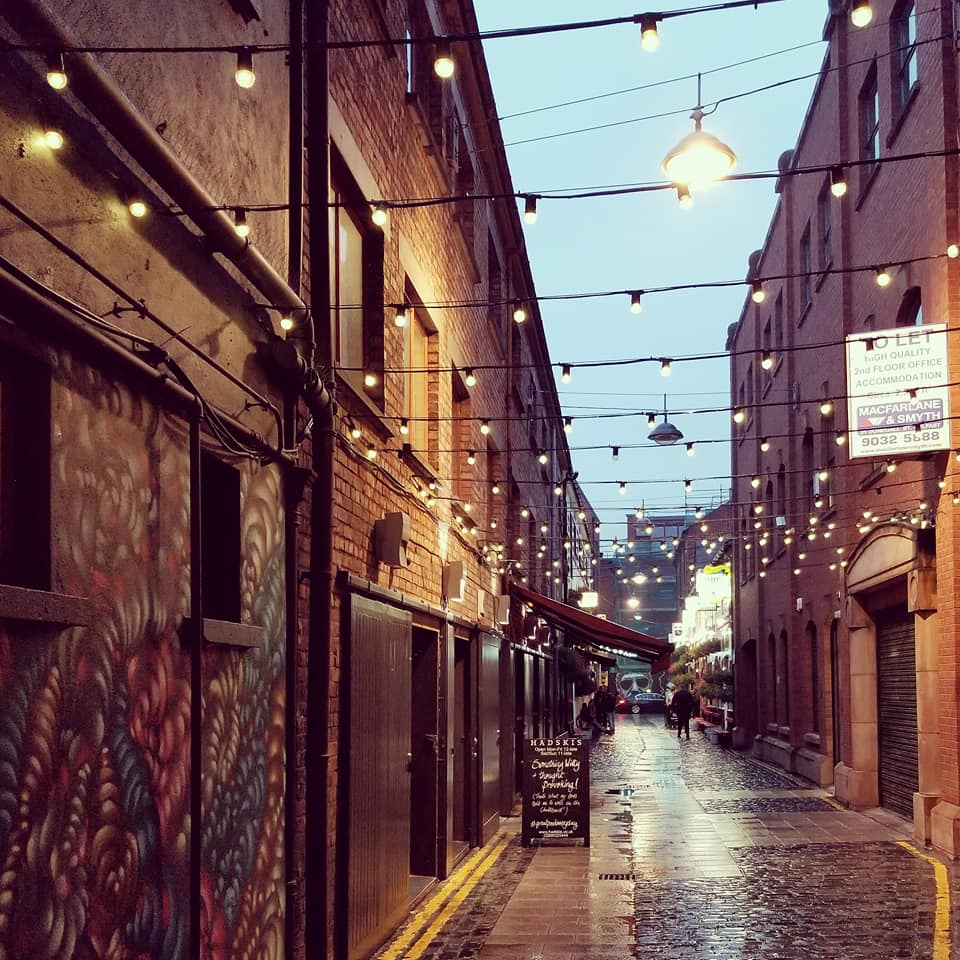
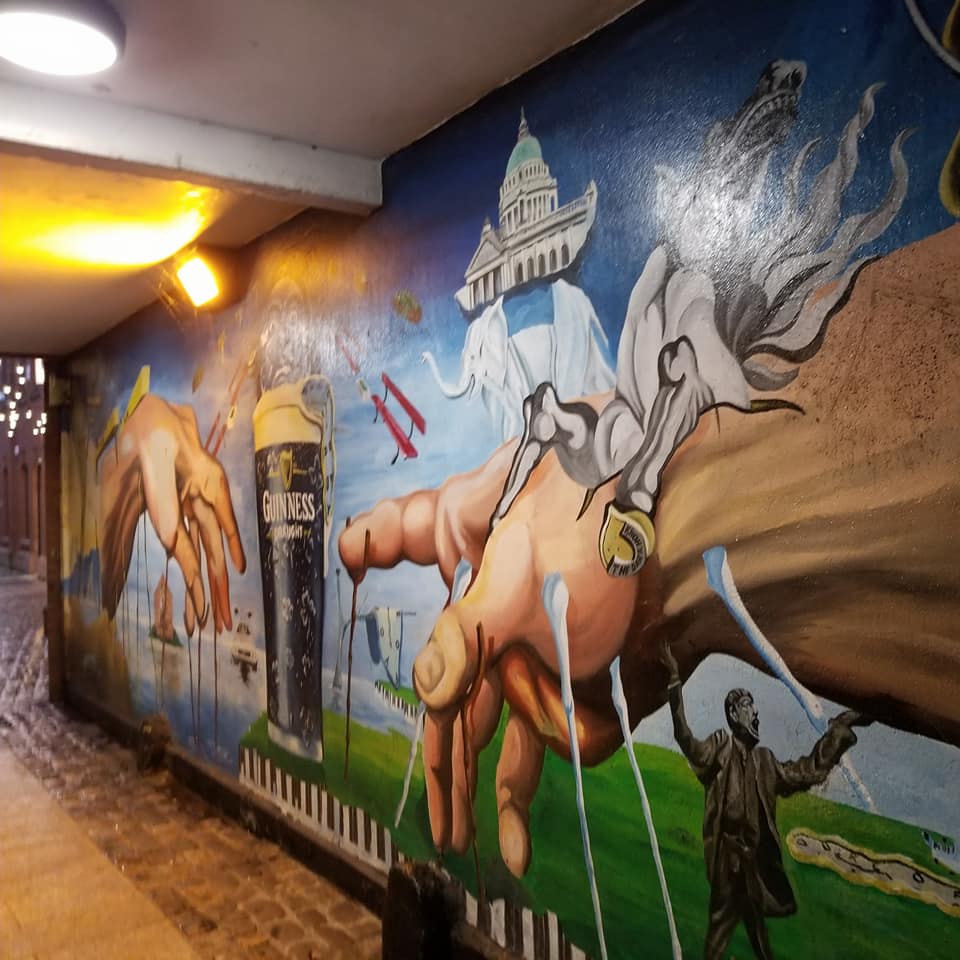
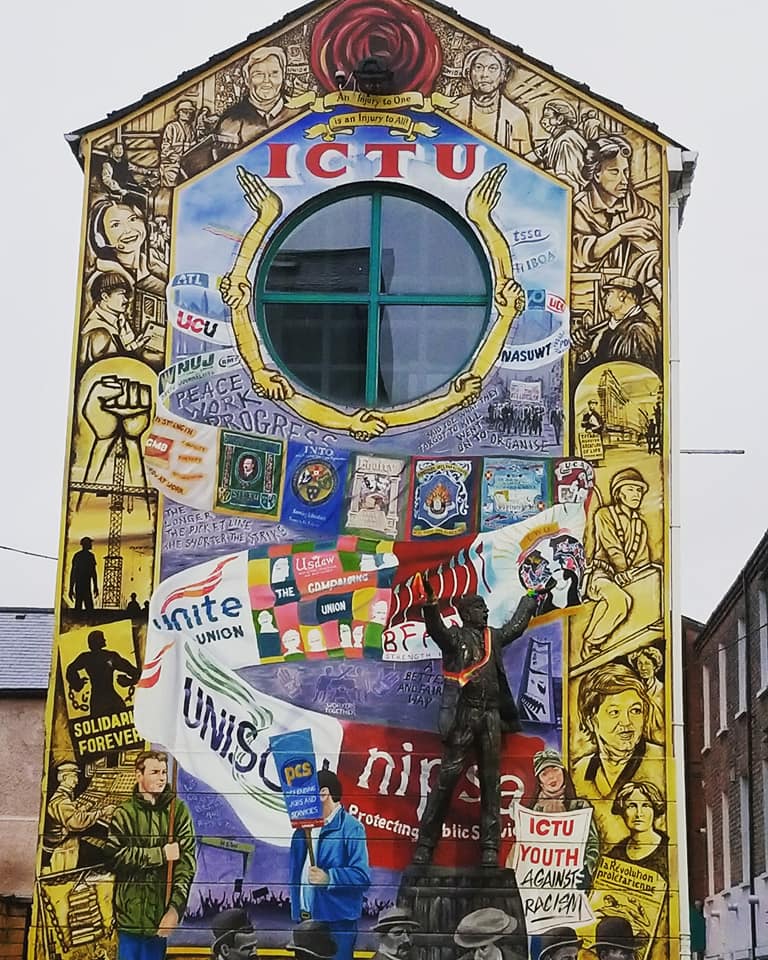
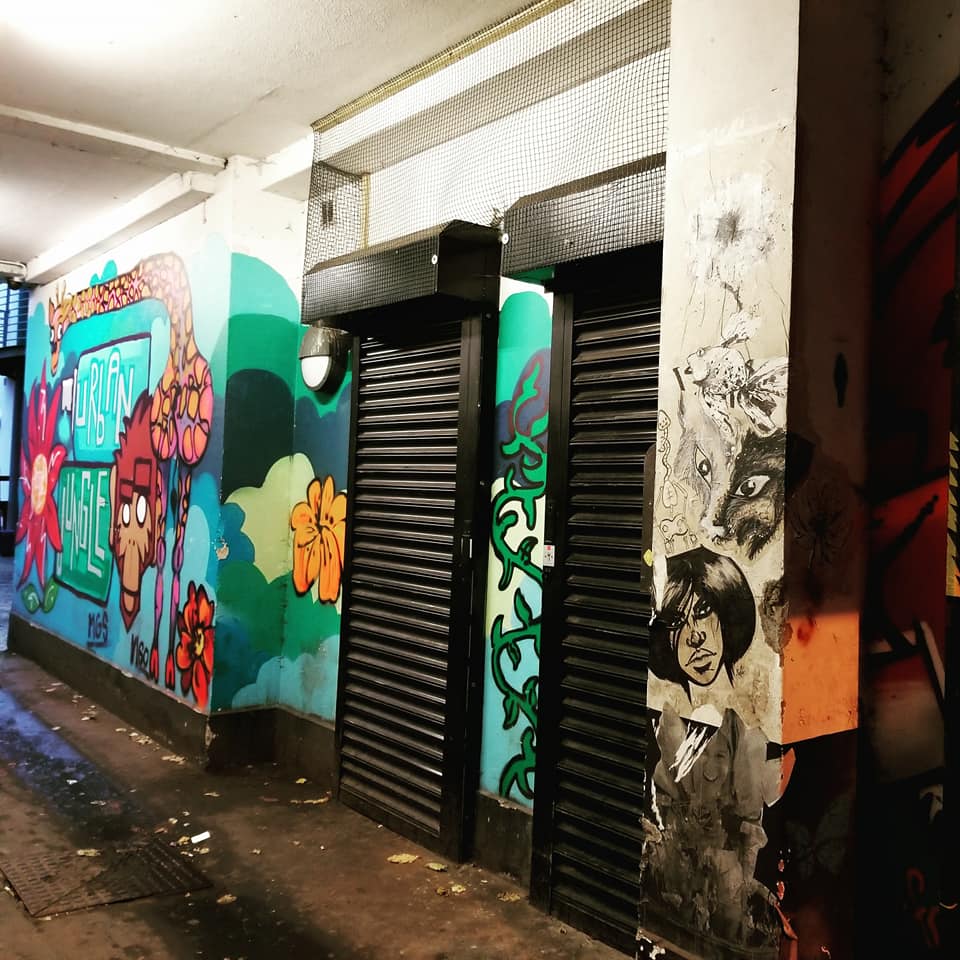
Each alley was full of murals, art installations, cobblestones, statues, and other selfie-worthy features.
I so desperately wanted to visit Kremlin, Belfast’s Soviet-themed gay bar that features a saluting Lenin, rainbow flags, and a metallic pink car parked installed up front. Sadly they were not open until much later in the night and we already had other plans.
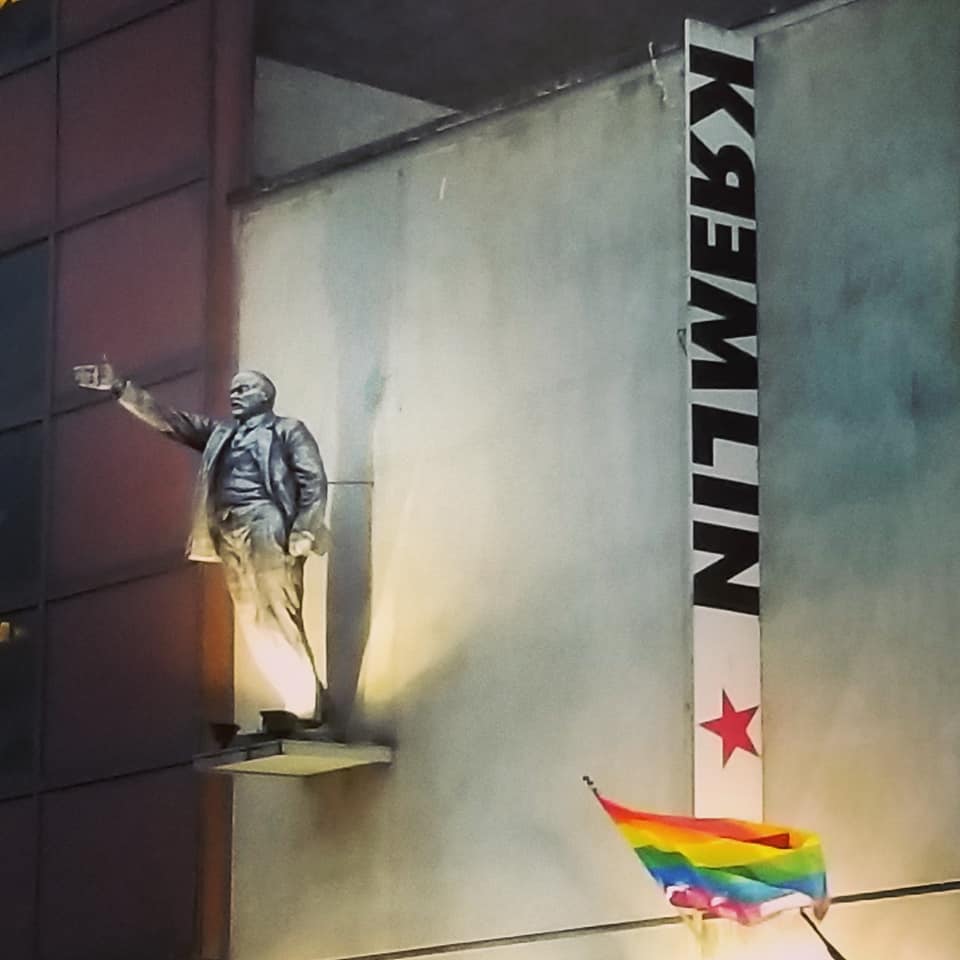
Every street and alley is also full of murals. Keep your camera handy while walking around Belfast because there is so much to see.
KELLY’S CELLARS
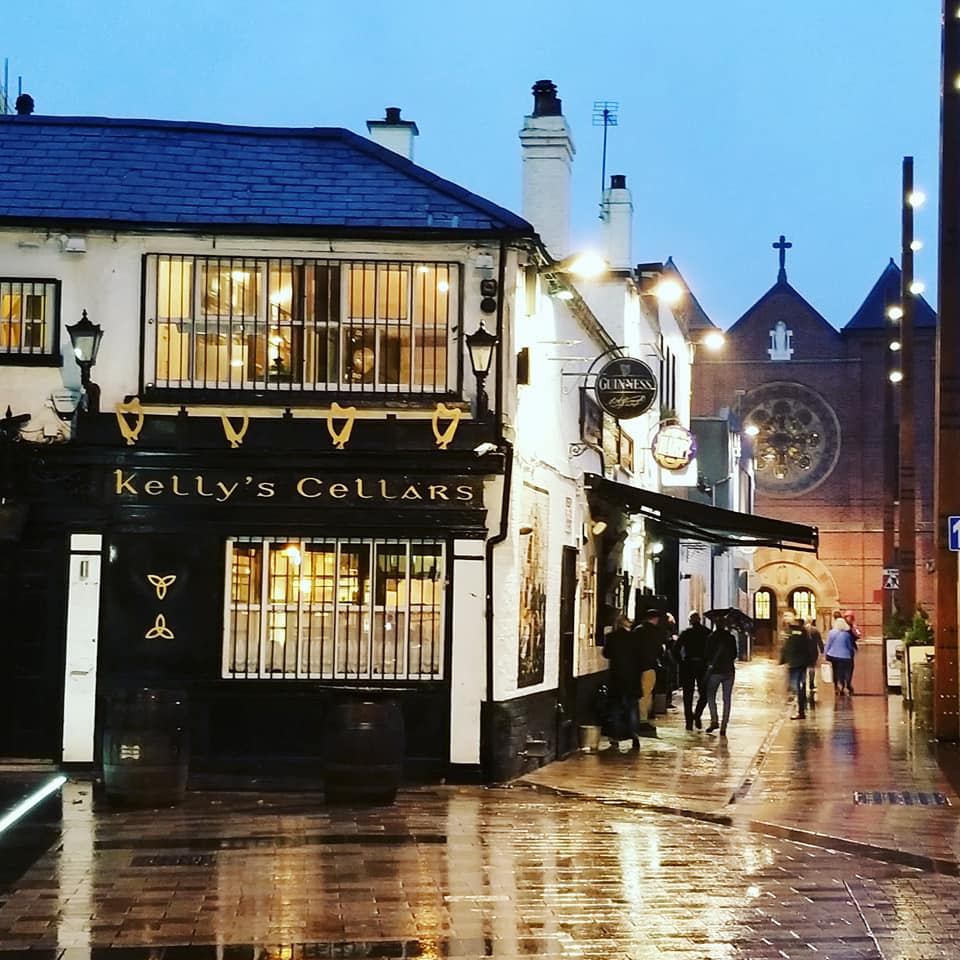
Do not be surprised to find some of Northern Ireland’s oldest traditional pubs like Kelly’s Cellars packed with chatty Irish-speaking college crowds, breaking from conversation only to sing along to “Hello, Is It Me You’re Looking For?” or “Sweet Caroline” and other uh, vintage American jams.
CASTLE STREET / FOUNTAIN LANE
Nearby via Castle Street, there is the Fountain Lane Tavern, Voodoo Bar, City Picnic, and some other great places.

The best seafood chowder in Belfast award goes to Fountain Lane Tavern. My goodness.
We had fish and chips, mash, and mushy peas also, and it was all fantastic.

Our server invited us to beers across the street at the spooky Voodoo Bar. As the night passes at Voodoo, the clientele becomes more of a goth scene with live shows upstairs.

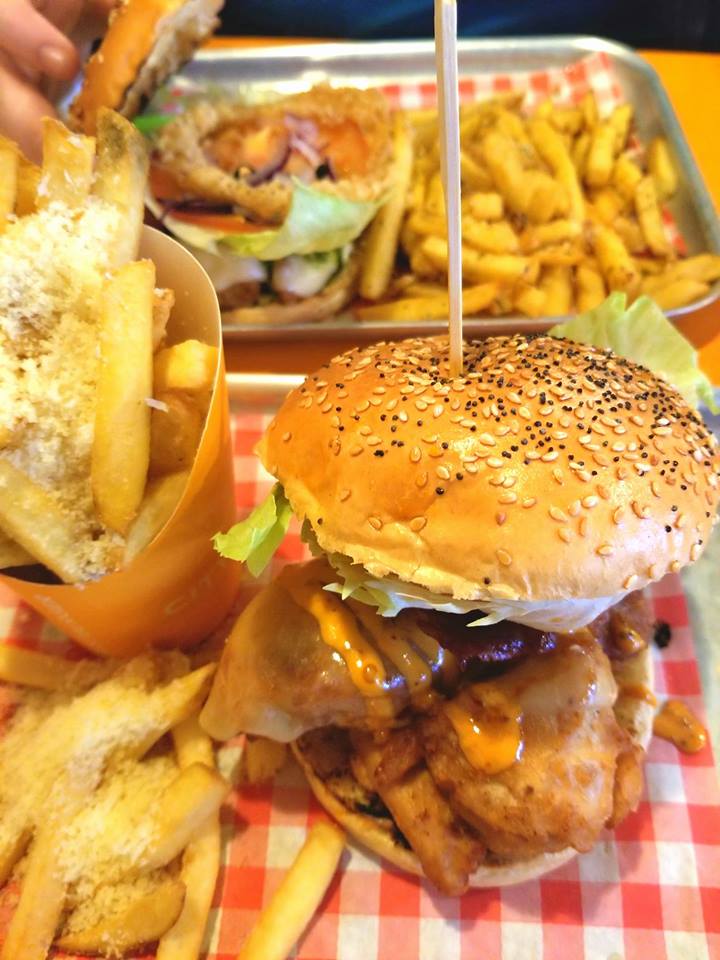
Another great place on this block is the no frills City Picnic, with all types of decadent sandwiches and sides. We were in search of some traditional Irish food but it appears the city is phasing out traditional fare for the changing palette that craves stir-fry, curries, burgers, and chips.
I took the spicy chorizo chicken sandwich with Parmesan fries.
One of the best parts of big cities is that after a full belly and a few rounds of drinks, you can walk it off on the way home while admiring all the lights and colours that come out at night.
Belfast City Hall was the flashiest. It was built in 1906 and can be seen from all around, as it is stationed right in the middle of surrounding squares.

In the area for a while? Follow me to Dublin, Northern Ireland, County Galway, and Kylemore Abbey.
*************
© Fernwehtun, 2015- Current. Unauthorized use and/or duplication of this material without express and written permission from this site’s author and/or owner is strictly prohibited. Excerpts and links may be used, provided that full and clear credit is given to Fernwehtun and Fernwehtun.com with appropriate and specific direction to the original content.


 Fernweh, An Ache for Distant Places
Leave a reply to dddylan Cancel reply