

What is the link between Cumberland Gap National Historical Park, Abraham Lincoln, Native American settlements, Filipino food, an Irish Cemetery, Vinegar Pie, and a former Internment Camp for German POWs in a popular mineral springs town?
Well it is called the US Route 25, better known as the East Tennessee Crossing Byway, is just one of thirteen famous byways in Tennessee, including Natchez Trace Parkway, Newfound Gap Road, Great River Road, Cherohala Skyway, Woodlands Trace, Norris Freeway, Sequatchie Valley Scenic Byway, Great Smoky Mountains Byway, Tennessee River Trail Scenic Byway, Walton Road Scenic Byway, and Ocoee Scenic Byway.

EAST TENNESSEE CROSSING BYWAY
Tennessee currently has six nationally designated routes and I have written about two of them already; Cherohala Skyway and the Ocoee Scenic Byway.
This blog will be about the East Tennessee Crossing Byway.

East Tennessee Crossing Byway leads you 80+ miles through the Appalachia to learn about the region’s heritage and historic sites. Much of it involves Civil War, the Cherokee people, and moonshining; stories this region can never outrun.
The ETNC byway spans from the Kentucky/Tennessee state line and Cumberland Gap into Hot Springs, North Carolina along Highway 25/70.
The route crosses through Claiborne, Grainger, Hamblen, Jefferson, and Cocke counties in Tennessee and to Madison County, North Carolina.
Major towns, cities, and geographic features along this byway include Cumberland Gap National Historical Park, Clinch Mountain, Harrogate, Tazwell, Bean Station, Morristown, White Pine, Dandridge, Newport, Del Rio, and Hot Springs.

HARROGATE
The northern terminus of the East Tennessee Crossing Byway is in Harrogate, TN.
The town serves as a gateway to Cumberland Gap and Cumberland Gap National Historical Park.
US R-25E is called Cumberland Gap Parkway in these parts and it cuts south through Harrogate toward Tazewell, TN.
Harrogate had been functioning as a CDP called Harrogate-Shawanee from the late 1880s until it was officially incorporated as a town in 1993, and today it is the largest in Claiborne County.
Harrogate is a college town so most of the interesting things to do there are geared toward its students and located on campus.
There are several lodging options for those using Harrogate as a base while exploring the Cumberland Gap National Historical Park. You can read more about the park here.

Lincoln Memorial University was named after Abraham Lincoln and his wish to create a university for the people of Cumberland Gap and the East Tennessee Region.

Lincoln was from Kentucky, not far at all from where Lincoln Memorial University sits across the KY/TN State line.
“LMU” was chartered on his birthday in 1897.
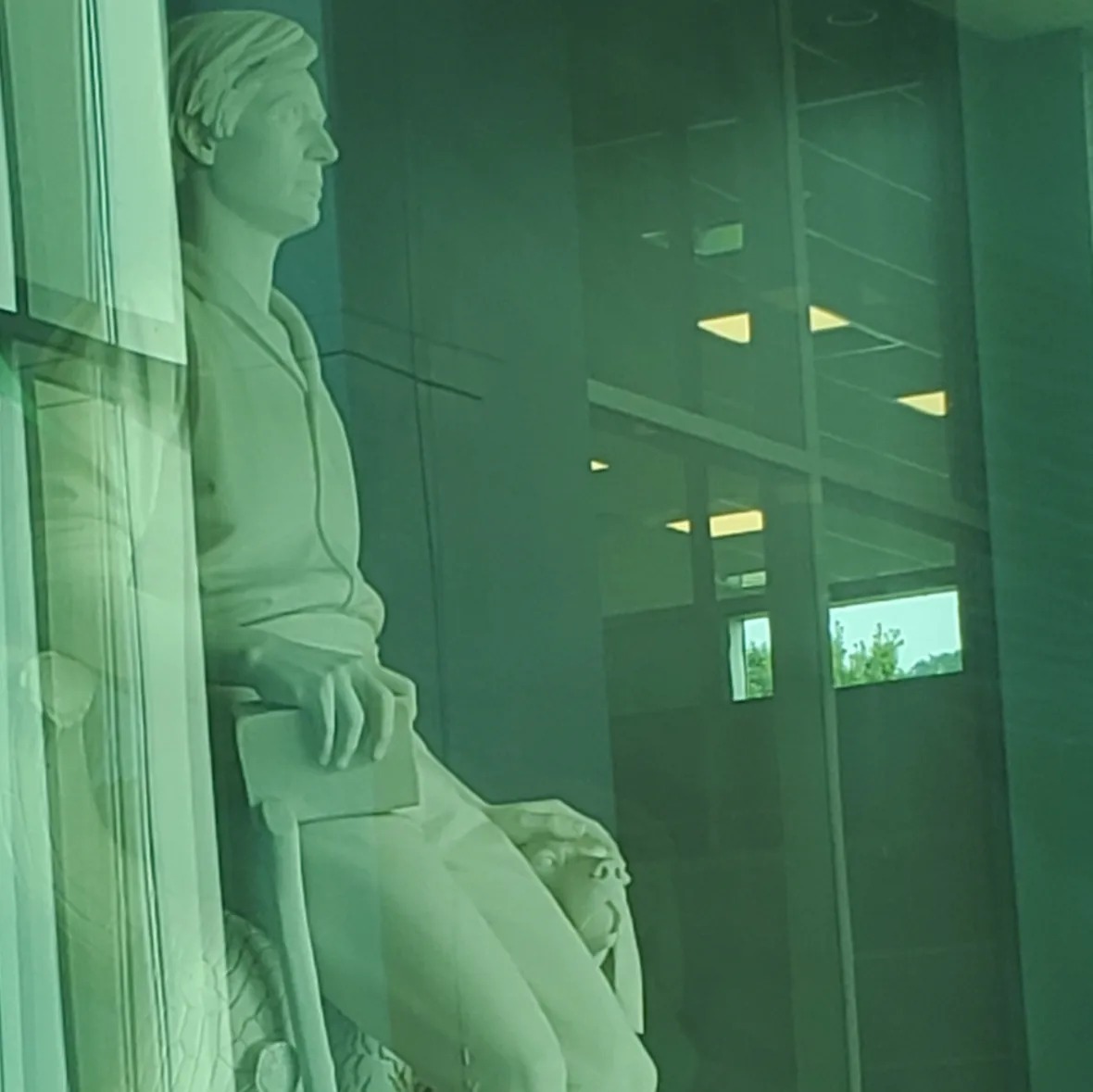
Students of LMU come from all over, and enjoy living less than an hour from Knoxville.
Most attend to pursue careers in medicine, law, business, and education, but just as many have become distinguished writers, poets, storytellers, artists, musicians, and athletes.

A few notable alumni of LMU are world-famous bluegrass legend, Ralph Stanley, and John Rice Irwin, founder of the Museum of Appalachian in Norris.
Activist and Highland Folk School (now the Highlander Research and Education Center) cofounder, Don West, and authors James Still and Jesse Stuart are also in that mix.

TAZEWELL
Locals pronounce their town, the seat of Claiborne County, like “TAZ-well” and not “TAZE-well.”
One of the first settlers in this area was John Hunt.
He served in the military before becoming Claiborne County’s first sheriff and moving on to found Huntsville, Alabama.
Tazewell’s first courthouse was an old wooden thing with hitching posts for horses in the mud, but the version standing today is impressive.
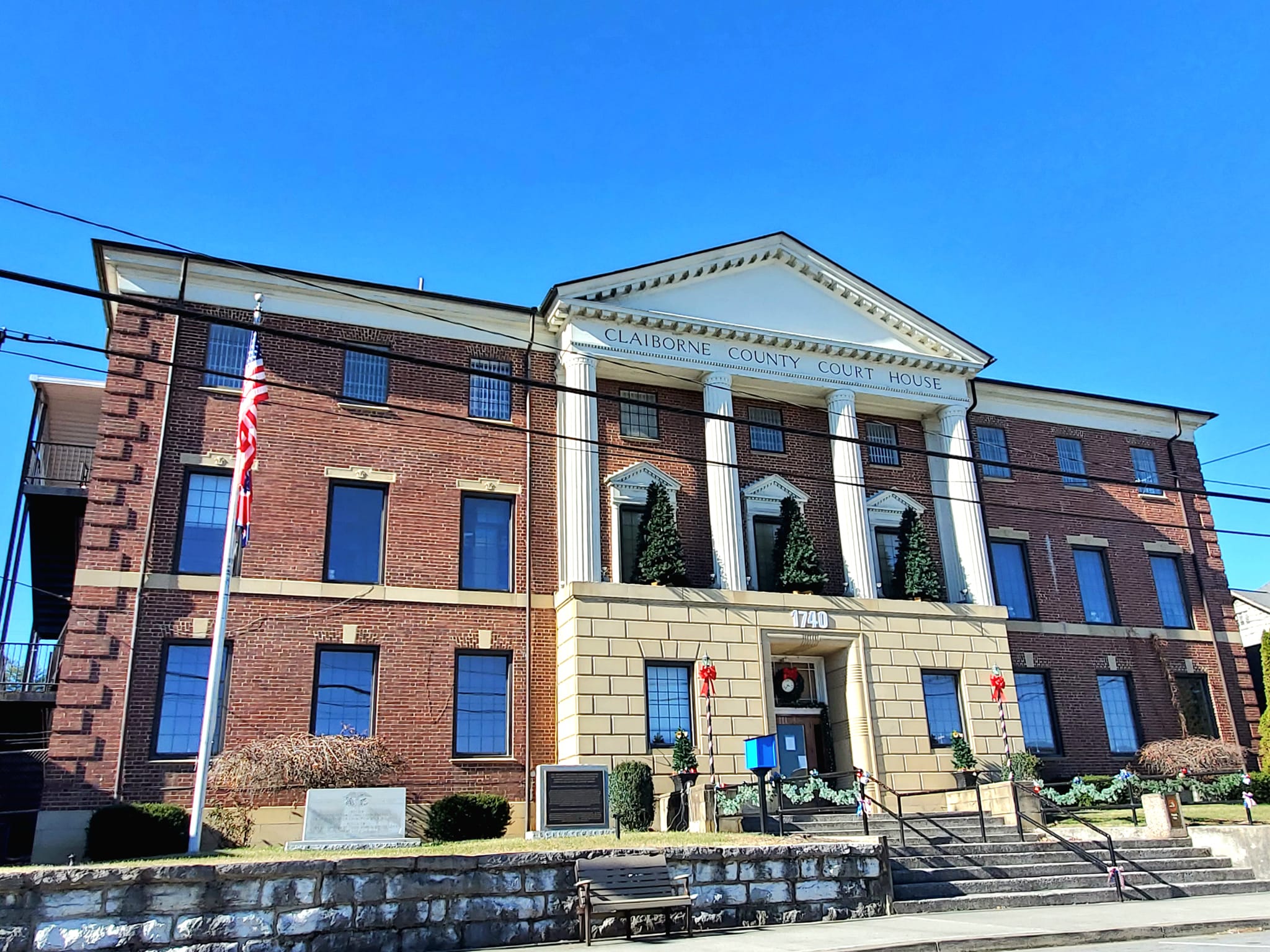
Most of the other businesses on Main Street are law firms and tax attorneys, a handful of personal services, a bookshop, and a café to cater to those who work or might be in town for official reasons.

I really love all the grey limestone that covers the exteriors of many churches, homes, and businesses on Main Street.


The Graham-Kivett House was built in 1810 and was actually called “The Greystone” back then.
It was the home of William Graham, an Irish immigrant and who cofounded Tazewell, and whose lot can be found in the town’s Irish Cemetery.
The home was used as lodging by Federal / Union forces during the Civil War, and was later owned by a few others including Dr. James Fulkerson, Attorney James P. Kivett, and many of their descendants.

The Graham-Kivett House is the oldest home still standing in Claiborne County.
It has sat empty since the 1970s when it was placed on the National Register of Historic Places.
Tennessee State issued a $750,000 grant toward restoring it in 2023.
The home’s history and various roles it has played during Tazewell’s founding, the Civil War, and other significant events makes it the ideal location for the envisioned Claiborne County Heritage Center.

At the far end of Main Street, a perfectly preserved Gulf Station looks like a time capsule unearthed.

The back side of it has a giant “Welcome to Tazewell” sign that greets traffic coming through from all directions.

This station is set up to where you can view all sorts of artifacts outside and in the windows without disturbing its security.
It would be an amazing spot for a auto or pin-up themed photoshoot.

The Old Jail across the highway is another one of Tazewell’s most significant historical buildings.
You can not go inside but know that it is currently owned by the Claiborne County Historical & Genealogical Society, and being renovated for future use.
Signs out front state “Grant assistance provided by the East Tennessee Development District” and under an “agreement with the National Park Service Department of the Interior and the Tennessee Historical Commission” with an architecture firm in Knoxville.
Sounds pretty serious, so you know the old bones will be sparkling when they are finished.

Most of Tazewell’s small businesses and shops are, thankfully, located along the highway instead of those awful Big Box cookie cutter shopping centers.

This is how I found Filbilly’s Filipino & Southern “Hilllbilly” Diner operating out of an old yellow school bus, next to a granite company.

I hardly glanced at the menu before seeing them cooking this pork belly dish. The lady told me I would like it, and who was I to argue?

It was delicious, but I was promptly reminded that my brain will not let me chew on thick cuts of fat, so I might suggest a different protein if you are the same way.
She served the dish with fried rice, pancit glass noodles, vegetables, and two lumpia (eggrolls) as sides.
I am already reminiscing about that certain crisp of the lumpia.

Hangar 37 Coffee looks interesting, but they were not open today. Who has been there? What is the vibe?

NEW TAZEWELL
I have heard debates in the past about Tazewell versus New Tazewell. Are they the same? What is the difference? The answer is kinda, but no.
In the 1880s, Tazewell residents protested the construction of a depot and railroad line that would provide fast, cheap, and easy access from Cumberland Gap and Knoxville.
Instead, the depot was built a few miles west and the line ran through that part of the region instead.
Suddenly, and predictably, new businesses and homes and economic growth boomed in the emerging “Cowan City” and Tazewell got left behind.
Cowan City, as listed on a significant number of land surveys, eventually became known as New Tazewell.
Residents applied for incorporation in the 1920s but it was granted, voted off, and reinstated a few times before it finally stuck in 1954.
I am not including much about New Tazewell in this blog because it is not an official stop along the ETNC Byway, but it is absolutely worth a cruise-through if you have time.

Both Tazewell and New Tazewell remain rural, but serve as the main economic and entertainment hubs for Claiborne County.
Many of the earliest settlers there were Irish immigrant families, enough that the Irish Cemetery was built on the hill looking over Tazewell.

The Old Irish Cemetery and the Irish Cemetery are now merged.

The older part is located furthest to the left as you walk up the hill, and you almost always rely on the style and condition of the headstone to tell you if one is old or new.

I feel like modern headstones are so ugly and plain, stripping the person of any character.

I am a supporter and advocate for natural and green burials, but if people still want to pay thousands to rot under big concrete slabs, let’s bring back some personality in the headstones.
Return a little craftsmanship to the mix, you know?

See, even new ones can be fun!

I found the engraving on the headstone below to be particularly interesting.
Was this person a wise woman? Was she known for her cooking? Was there a town joke about her accidentally catching a basket of bread on fire back in the 1920s? What is that symbol exactly?
Who knows, but it caught my attention.
It made me notice the headstone and think about the person buried below, and wonder what kind of life they had.

Wandering through the rest of the cemetery, I recognised some classic Irish surnames, and even some German ones as well.
I also noticed the names Cowan, Fulkerson, Graham, Stone, and other figures of Tazewell’s history.
Several of the headstones had “Tyrone County” listed as the deceased’s birthplace.
Country Tyrone, as the Irish would say, is located in Northern Ireland. It is just south of Derry (officially called Londonderry), the setting of Netflix’s Derry Girls series.

The Old Irish Cemetery section has a big, ugly Confederate monument in the middle of it.
People have come in to put up Confederate flags around it, which is about the trashiest thing I could imagine in a sacred space.
I will not be sharing a photo of that.

BEAN STATION
Bean Station was a crossroad for Daniel Boone’s Wilderness Road and the Great Indian Warpath.

By late 1800s the town grew as a resort and railroad town, until TVA built Cherokee Dam and flooded everything in 1940.
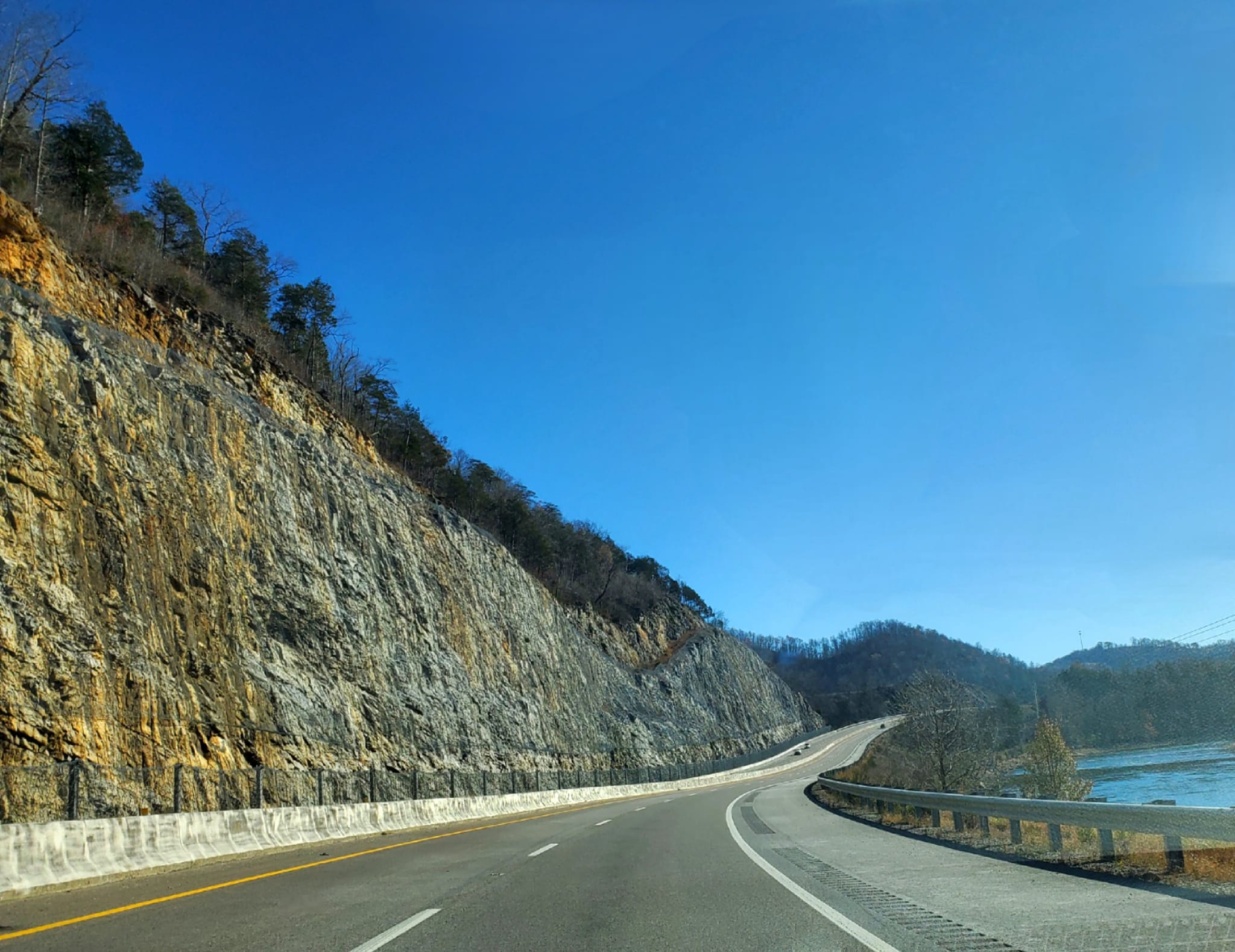
Driving through this area is quite serene, and the most popular attraction is the Veterans Overlook.

This memorial was beautifully created and contains plaques about those who served as well as some regional history.
No one can argue, however, that most people make the haul up Clinch Mountain for the view from the overlook itself.

Clinch Mountain Bakery & Cafe is maybe a quarter mile down the highway, and they are known for their Vinegar Pie.
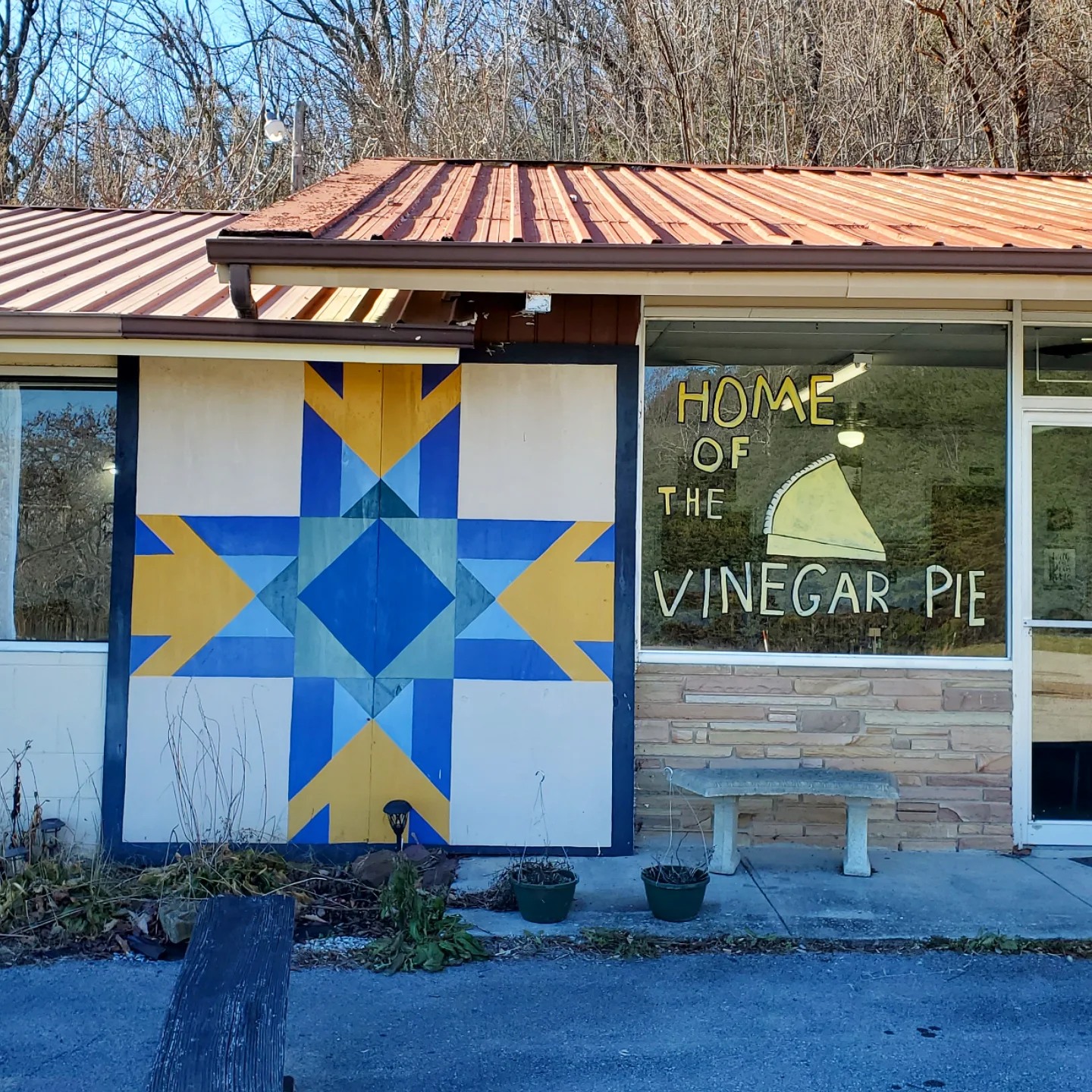
During the Great Depression, local ladies were unable to afford lemons on the rare occasion they could even find them, so they got resourceful.
The smooth, creamy “lemon” custard of a traditional pie is made with apple cider vinegar instead.
I did not get the willies like I do when I take a shot of ACV, but I definitely felt the acidity and slight vaporized feeling in the back of my throat when I ate it.
It is cooling, sweet, but not too sweet.
Clinch Mountain Bakery makes their pie crust similar to those glazed cherry handpies you see in groceries in gas stations, or like a glazed donut.

The slogan here is “Get your fat pants ready, we have big burgers” but I opted for a breakfast sammie instead.
This is their cornmeal biscuit that is fluffy on the outside and dense through.
I always love it when people sear the inside of their biscuits or bread before making the sandwich. It is just a texture/sensory thing I have, and it is utterly satisfied by the searing.
You can absolutely believe that I planted my arse at one of the tables that peers out across the overlook.

MORRISTOWN
Morristown is the largest city on this route. David “Davy” Crockett was born and raised in Limestone, Tennessee which is a short drive from Morristown.
He is a pretty big deal around those parts.
Crockett was famous for a great number of accomplishments including his alleged ability to fight bears by flashing his grin, but my favourite story is when he passionately spoke out against Andrew Jackson’s cruel and horrific Indian Removal Act.

A 40-minute drive will take you to the David Crockett Birthplace State Park, and you can check out this audiobook to learn more about Crockett’s wild life on the way.
Thanks to Disneyland and a multitude of legends about Davy Crockett.
Most of us have always had this image in our heads of him wearing his iconic “coon-skin” hat, but it turns out he only wore those in later years.
He also preferred to be called David.
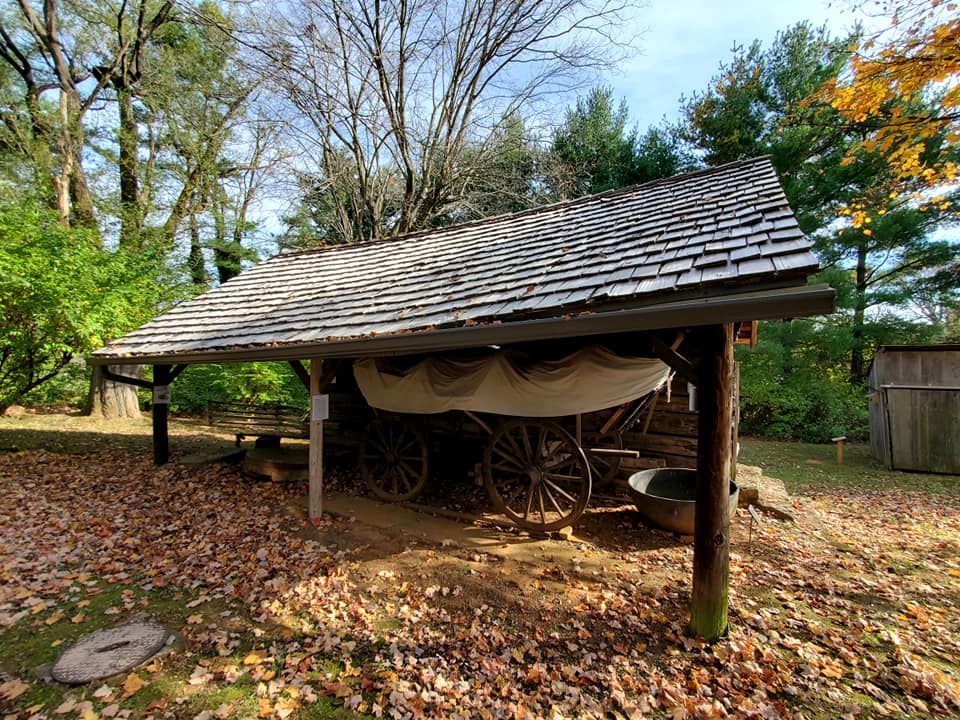
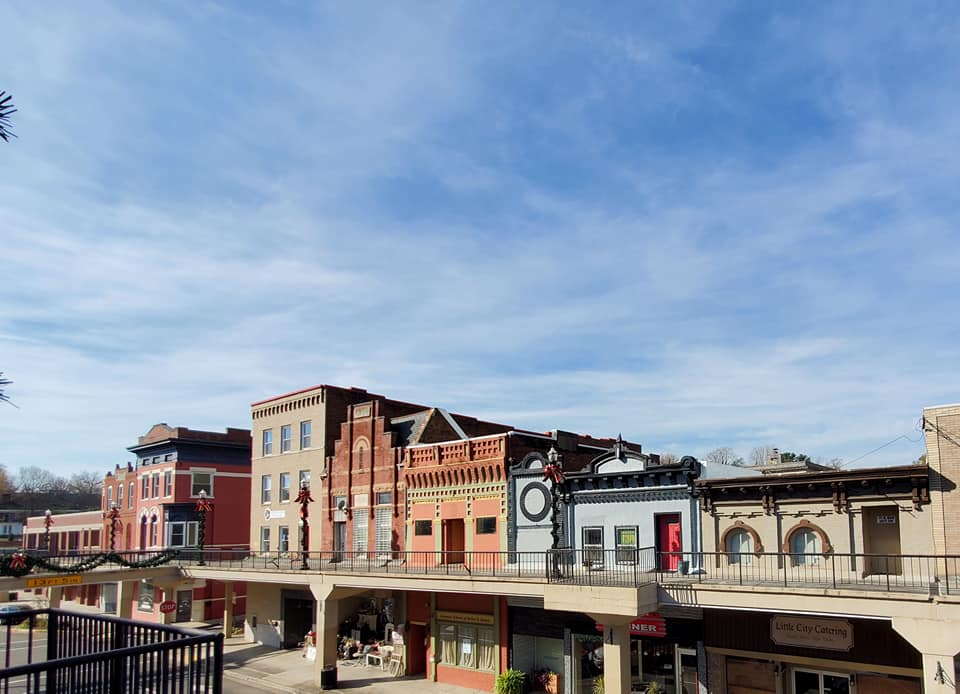
The most distinct feature of Morristown though, is its historic downtown district.
Since 2016 this one square mile area has been on the National Register of Historic Places, and it has the only remaining two-story “sky mart” sidewalk system in the US.
Longstreet Museum in Russellville is the official trail-recommended stop on this Byway, but there is so much more to see downtown and in nature, like Panther Creek State Park and Cherokee Lake.

WHITE PINE
White Pine was first a Woodland Indian settlement, later settled by white folk near the end of the Revolutionary War.

It was originally part of “Dandridge Crossing” before it split off into the city of Dandridge and the city of White Pine in the 1870s.

White Pine is a rural, mostly residential town, but there are several historic homes and businesses along Main Street.
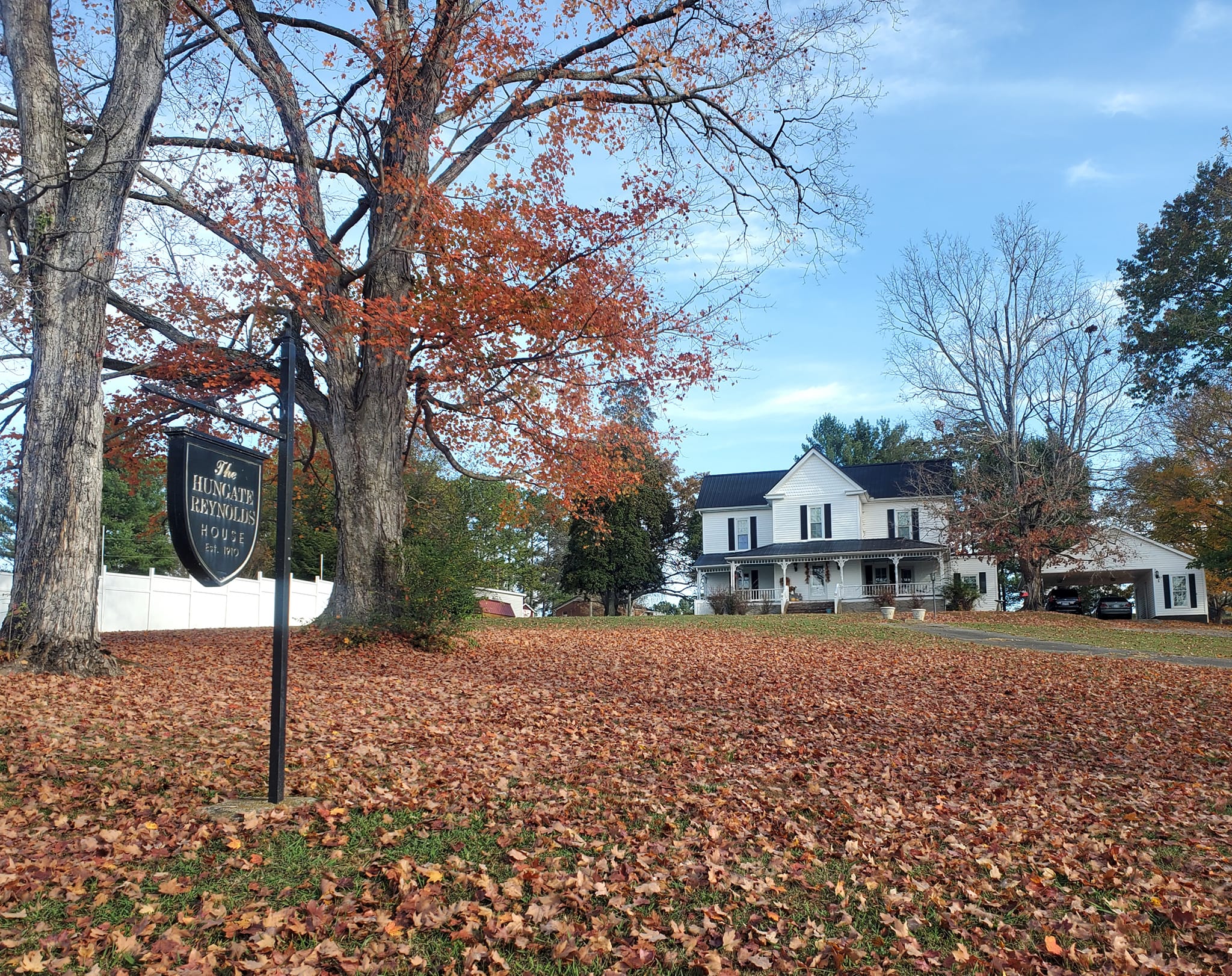
White Pine Books is the store I found most interesting, and I do love a good bookstore.
Other nearby attractions include Douglas Lake and the Audubon birding site, Rankin Bottoms.

DANDRIDGE
Dandridge was the other part of what was known as Dandridge Crossing, an important crossroads for stage coaches and later as a railroad route.
It holds claim as the second oldest town in East Tennessee and was founded in 1783 when its first white settlers began carving their new lives into the flanks of Appalachia.
Prior to that, the Chiaha tribal settlement controlled the surrounding land, and that of Zimmerman’s Island, which is now below Douglas Lake along with several forts and other structures built in that time.
I learned that Hernando de Soto went on a few expeditions here in the 1540s, of all places.
Dandridge was graciously saved from flooding during the construction of TVA’s Douglas Dam.

There is a weird number of wrestler connections to Dandridge, most notably Kane, aka Glenn Jacobs, the famous wrestler-turned-Knoxville-mayor. Mayor Jacobs has a home in Dandridge and when he was running for office, Nature Boy Rick Flair and many of his other wrestling buds came out to support his campaign.
Fellow pro-wrestler and ring manager Mr. Fuji retired to Knoxville and ran a training dojo in Dandridge during the late 1990s. That concludes what I know about wrestling.
In 1863 there was a huge standoff between Union and Confederates in the Battle of Dandridge. Hands were thrown, hands were caught, and the unlucky ones were buried in the town’s Revolutionary Graveyard.
Many of the town’s early residents and veterans can be found there also.

Just outside of Dandridge in the community of Chestnut Hill, quite conveniently en route to Douglas Dam, you can visit the Bush’s Baked Beans Museum.
I personally hate baked beans but I love that this is here. If you love baked beans, I love that for you. This will be your place. You are going to have the best time.

NEWPORT
Newport was first settled in the 1780s, and it was first called New Port because it was literally a new port along the French Broad River to support new settlements.
Newport as we know it now is a fairly well-preserved 1920’s-era town with dozens of attractive buildings and a fancy new mural. This is the largest city in Cocke County.

My favourite place in Newport is Grill 73, a Russian-American restaurant that serves Russian specialties like pirozhki, stuffed cabbage rolls, scalloped potato casserole, and Valentina’s famous borsch.
That’s borsch, not “borscht.” Russians and most Slavic people do not actually spell it with a “t” or pronounce it at the end.

The owners are a hilarious older couple that settled in Newport, of all places, after decades of touring in a prominent Russian circus as acrobats, trapeze artists, side acts, and eventually managing the show.

DEL RIO
Between Newport and Hot Springs, there is a small unincorporated community called Del Rio with around two thousand residents.
Its claim to fame is being the birthplace of singer and actress Grace Moore, and the setting for Catherine Marshall’s novel Christy.
I have always associated Del Rio with a rough, rundown biker bar on the side of the main road that is known for brutal fights and its extensive history of cockfighting.
It is not fair to judge a community by one of its bars, but it is nearly impossible to find any other culturally valuable info about Del Rio on the internet.

HOT SPRINGS, NC
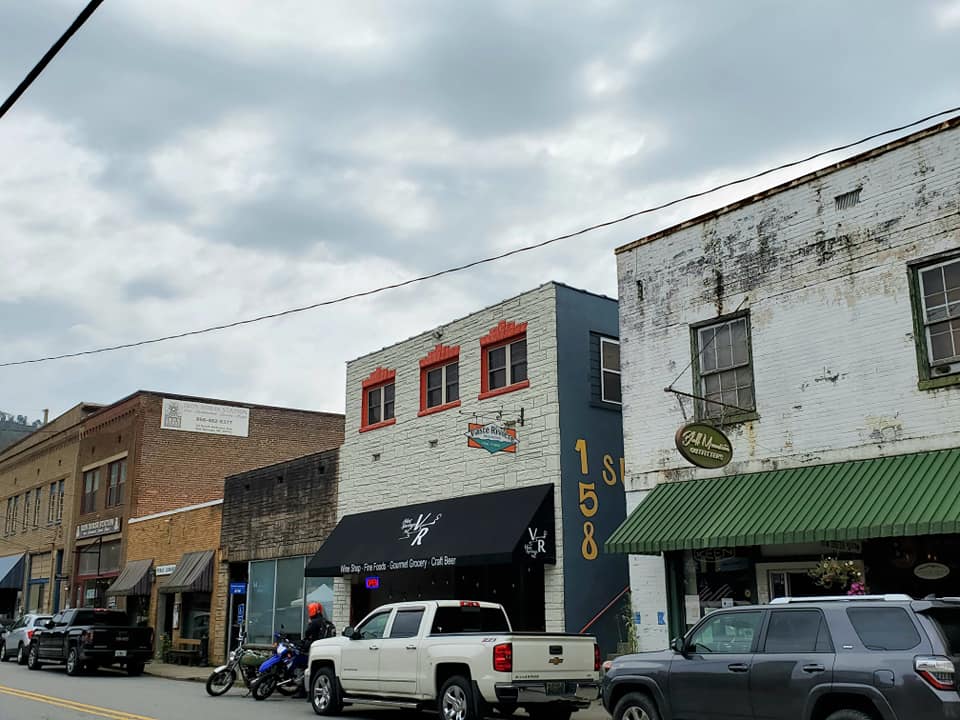
Hot Springs is a small, friendly town in western North Carolina that is famous, as you might guess, for its natural hot mineral springs.
This is actually one of my favourite North Carolina towns to visit, especially when I am on the way to my beloved town of Marshall a few minutes away.
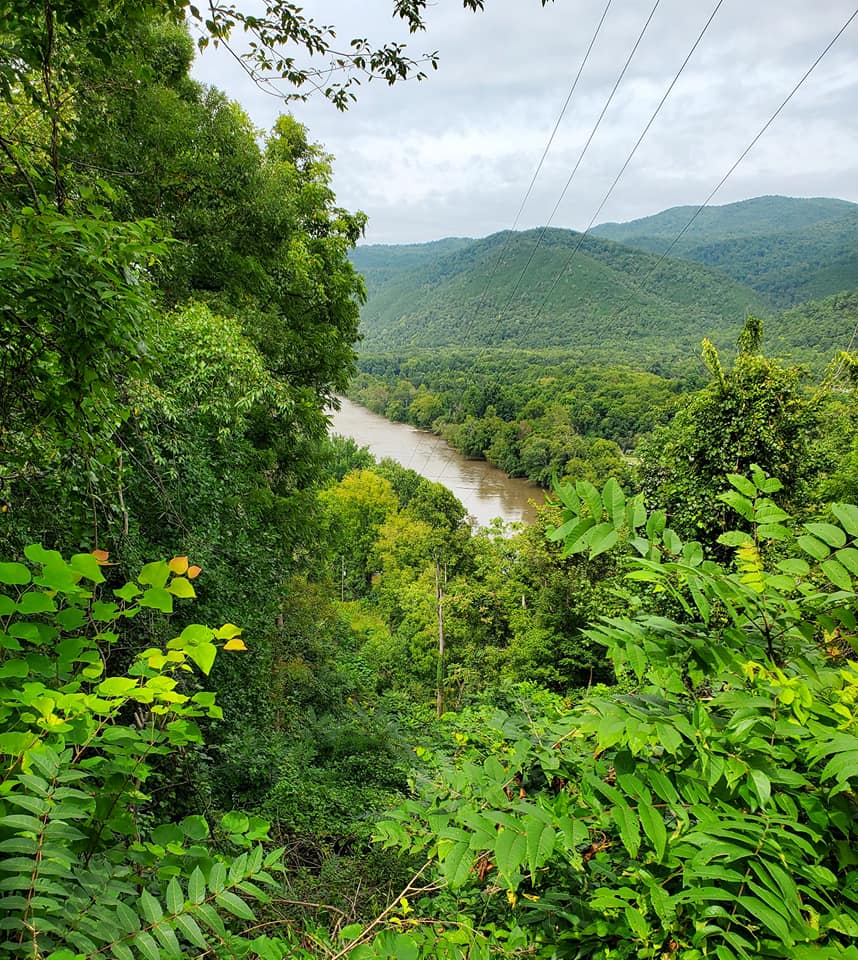
Bridge Street is the main drag, especially the short segment between Spring Street and Andrews Avenue.
Sometimes the town can seem empty, but you will almost always see Appalachian Trail hikers stretching, or stretched out, all over the streets.
Hot Springs can be just as ornery as it is charming, depending on the season.
This land was first inhabited by the Cherokee and other Native People until white folk forcefully took over in the late 1700s. They named the settlement Warm Springs and quickly turned it into a resort, capitalizing on the healing properties of this natural wonder in the middle of the Pisgah National Forest.
The Warm Springs Hotel opened in 1837 but burned down in 1884. That same year, even warmer springs were discovered so the town was renamed Hot Springs. Fair enough.
A series of hotels opened and reopened after that, including the new and improved Mountain Park Hotel opened in 1886. .
Business dwindled at the start of WWI and it was eventually taken over by the US government and used as an internment camp that lasted for about a year or so between 1917-1918, mostly for non-combat German agents and their families. Many of them became close friends with American soldiers and civilians living in Hot Springs. Some even stayed behind once the war ended.
Read more about Hot Springs here.
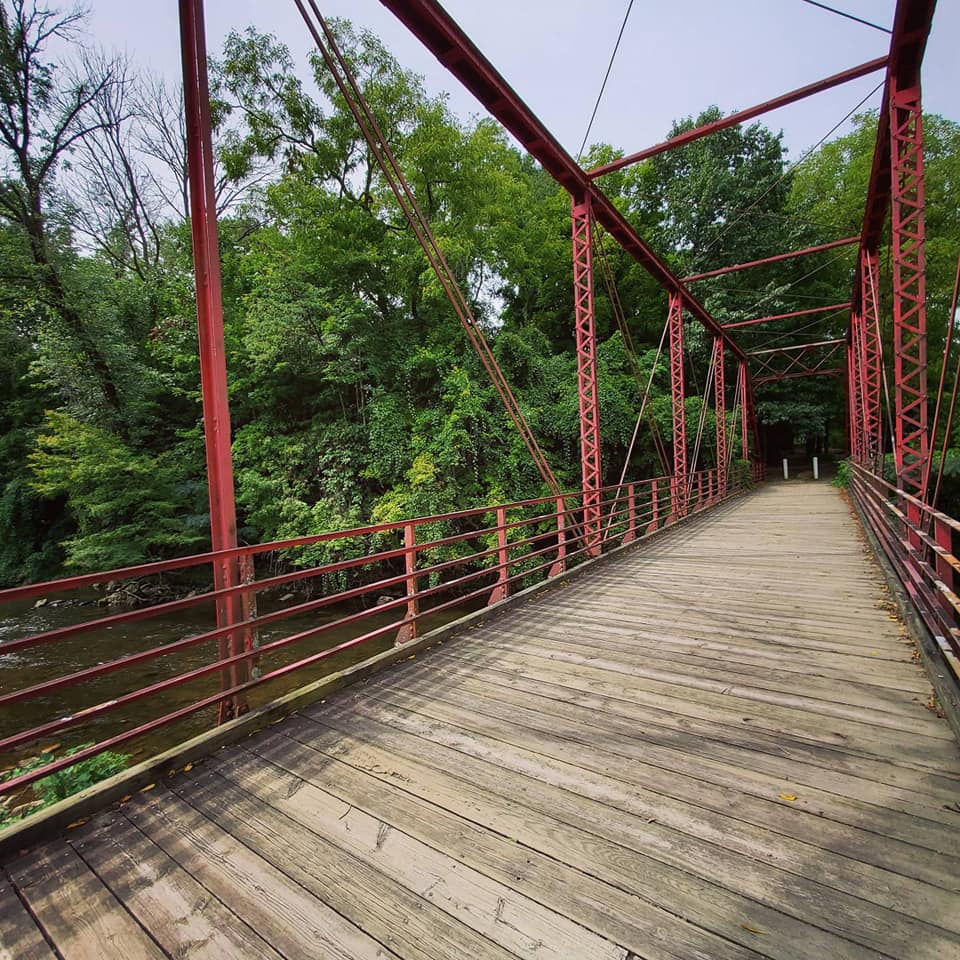
Hot Springs is the southern terminus of the East Tennessee Crossing Byway, but from there you can continue on to so many amazing places like the Great Smoky Mountains National Park and the Cherokee National Forest.
I wrote about my favourite places on the byway, but you can view some of the additional ones here.
In the area for a while? Follow me to Marshall, Mars Hill, Asheville, Black Mountain, Waynesville, or Hendersonville.
— — — — — —
© Fernwehtun, 2015- Current. Unauthorized use and/or duplication of this material without express and written permission from this site’s author and/or owner is strictly prohibited. Excerpts and links may be used, provided that full and clear credit is given to Fernwehtun and Fernwehtun.com with appropriate and specific direction to the original content.


 Fernweh, An Ache for Distant Places
Leave a comment