CITY OF CHEROKEE
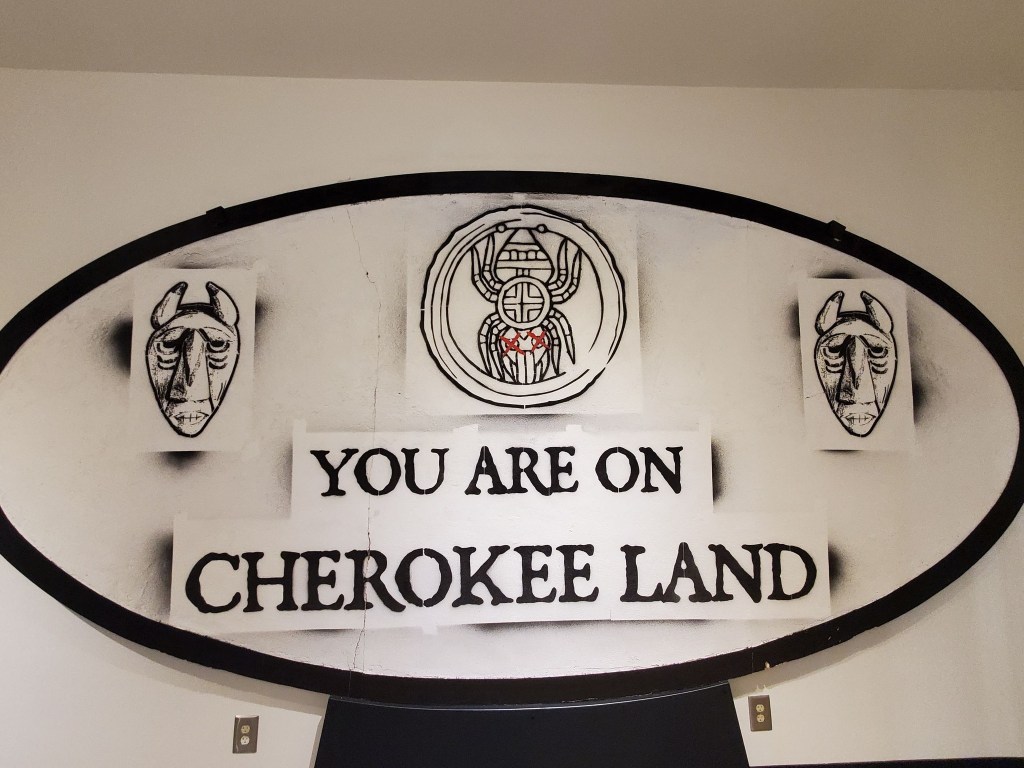
The city of Cherokee, North Carolina is a census-designated place that spans both Swain and Jackson Counties, in the geographic region of the Oconoluftee River Valley and in the Qualla Boundary Land Trust.
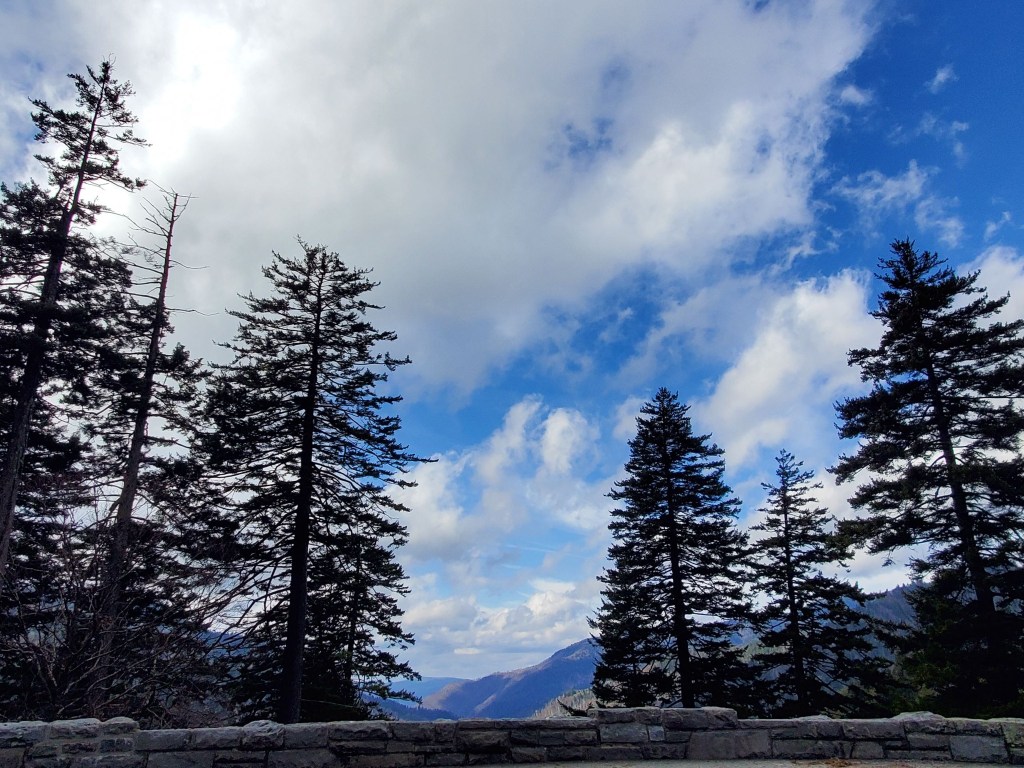
It is one of three entrances to the Great Smoky Mountains National Park, and it is the southern terminus for the Blue Ridge Parkway that connects the GSMNP up to Shenandoah National Park in Virginia.
Cherokee was named for its Indigenous Cherokee people, as this is their native homeland.
The word Cherokee is synonymous with stunning nature and wildlife, outdoor activities, authentic art and crafts made by its thriving Cherokee community, and the tribe-owned casino.

There are nearly 2,500 people living in Cherokee, NC but its population balloons during tourist season.

EASTERN BAND OF CHEROKEE
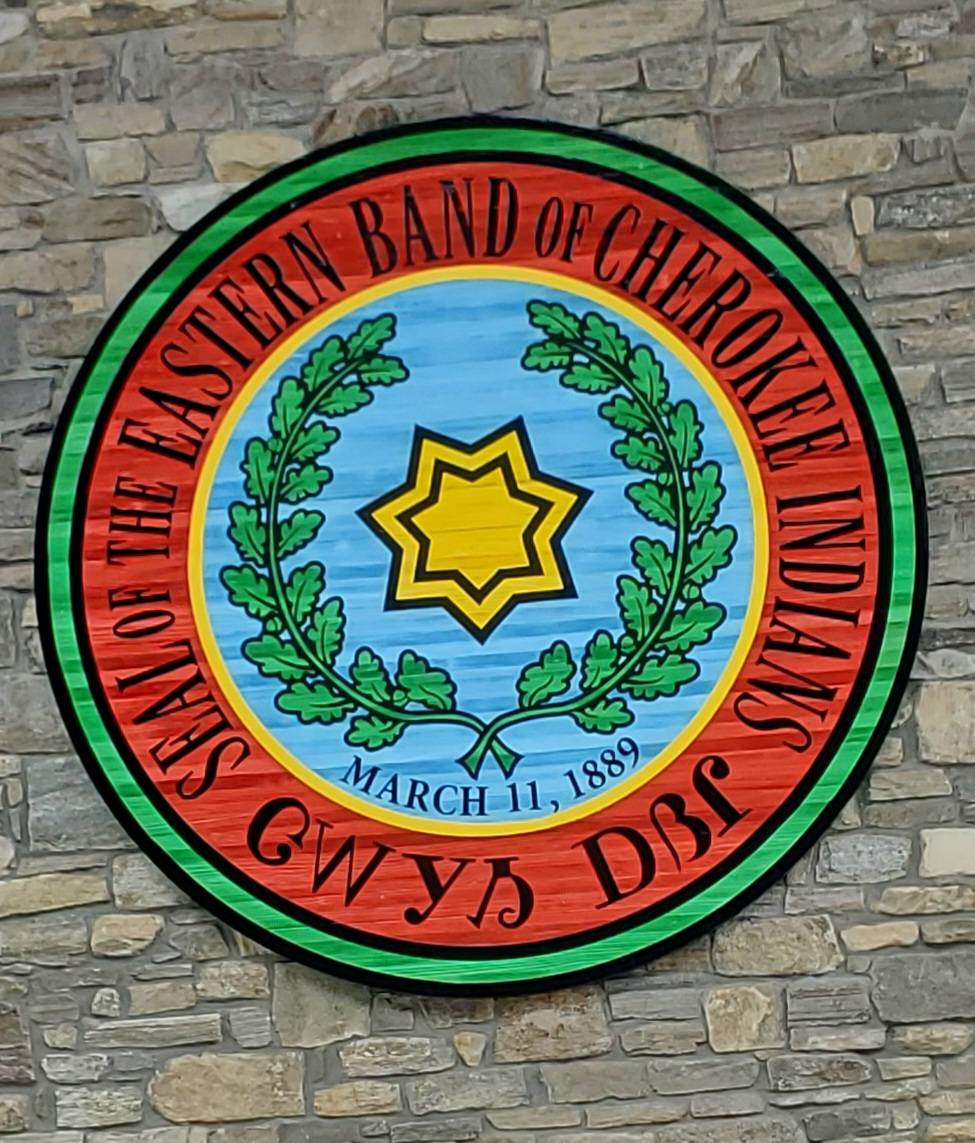
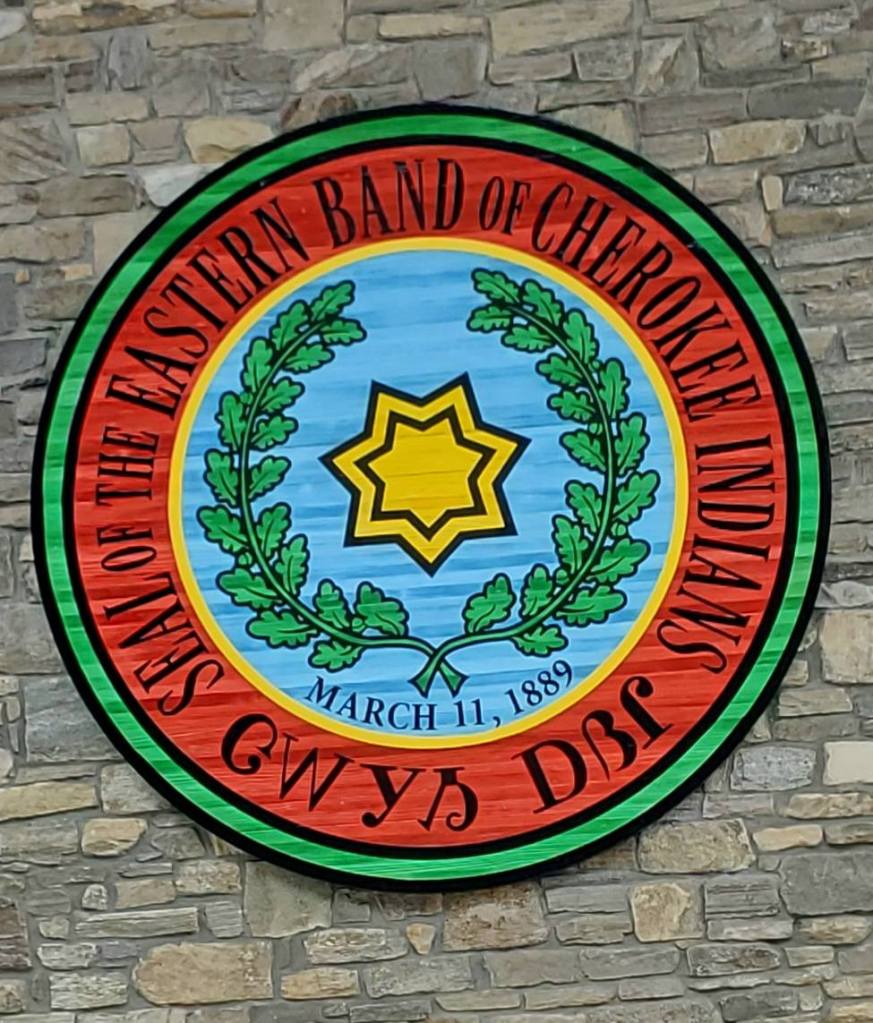
Cherokee, North Carolina is also synonymous with the Eastern Band of Cherokee Indian Reservation. Cherokee is the historical and traditional homeland of the Eastern Band of Cherokee Indians, one of only three officially recognized Cherokee tribes. EBCI is the only one in North Carolina, whereas the Cherokee Nation and the United Keetoowah are both in Oklahoma.
The Eastern Band of Cherokee Indians are descendants of Cherokee people who somehow avoided or resisted forced relocation to Oklahoma by the US Government during the Indian Removal Act of 1830 and the subsequent events of the Trail of Tears.
The EBCI formed in 1866 and its people are self-governed with their own legal, judicial, and democratic voting systems.
Cherokee people have their own schools, places of worship, businesses, and other social institutions where they teach the Cherokee language and syllabary, and continue to preserve their traditional values despite the rest of the world.
FAMOUS CHEROKEE
One of the most famous Cherokee is actor Will Rogers (aka “America’s Cowboy Philosopher”) known for his roles in Westerns, comedies, and vaudeville sketches. Later in life, he was celebrated as an author and philosopher on culture, society, and world happenings.
Rogers was born and raised in Oklahoma and was a member of the Cherokee Nation, rather than Eastern Band. The film The Story of Will Rogers shares a version of his life “as told by his wife” and my favourite scene is when Rogers excitedly quips “there’s going to be a party! I’m going home to change my pants right now!”
Bluegrass musicians Raymond Fairchild and Clyde Moody (aka “The Hillbilly Waltz King” and “The Genial Gentleman of Country Music”) are both famous Cherokee.
Another fun fact is that scenes from films like The Fugitive, Forces of Nature, Stroszek, Davy Crockett: King of the Wild Frontier, and Digging to China were filmed in Cherokee, NC.

TRAIL OF TEARS
You all know about the Trail of Tears, right? That bastard of a former President, Andrew Jackson, signed the Indian Removal Act in 1830 which forced Native people from their homelands, marching them westward into the unknown with no regards at all to provisions or keeping them safe. Or alive.
More than 16,000 Cherokee from this region alone were forced to walk or be transported to Oklahoma, and varied estimates of 25%-50% of them died in the process under such severe and cruel conditions.
Check out this YouTube video if you like:
In the 1840s, after the Eastern Band of Cherokee Indians formed, they were able to start purchasing some of their land back from the US Government and this small territory is called the Qualla Boundary land trust.
This 56K-acre trust/reservation is only a small fraction of the land that was stolen from them, and I think it is a real shitshow to steal everything they have, force them to move, kill half of them, then make them pay to get back only a shred of what was taken.
Regardless of how disgraceful that may be, that is how our country rolls. This small purchase was facilitated by a white man named William Holland Thomas, a friend and resident among the Cherokee community. At that time, Indigenous people were not permitted to own land trusts or hold titles or anything, really.
Shortly after the Eastern Band of Cherokee was founded in 1866, US law finally allowed the trust to be transferred from Thomas to the Cherokee people.
Owning the land trust allowed the surviving Cherokee to start settling back into their homeland, reclaim the sacred, ancient sites and burial grounds of their loved ones, and work toward becoming the sovereign nation they are today.
You can read this and this to learn more about the past, present, and future of the Cherokee people.
LAND BACK
The Land Back Movement was started with that in mind, and has become a global movement. NDN Collective was founded in Rapid City, South Dakota in 2018 with a mission to “build the collective power of Indigenous Peoples, communities, and Nations to exercise our inherent right to self-determination, while fostering a world that is built on a foundation of justice and equity for all people and Mother Earth.”
Among their goals is protecting human rights, defending their land from destruction and pollution, developing Indigenous communities that have been discriminated against and deprived of economic support, and decolonizing the Indigenous community so they can realign with their own values.
This is typically pursued by creating numerous sustainability, conservation, lending, educational, and financial programs and resources. Their work also involves protesting against outsiders illegally trespassing on their lands, and removing or blocking access to tourist attractions that have been built on their land without their permission.
Unfortunately this has been the focus of much media attention, and many members of the Lakota tribe (and others) have been imprisoned for defending their property in South Dakota just like any white folk would do in the same circumstance. Wonder what the difference is.
Here is a video created by NDN Collective:
The Land Back Movement is not just rooted in the United States, as Indigenous people across the globe have suffered this same treatment. There are interconnected branches from Canada to Australia and beyond.
A few US Government initiatives have been created like the Native American Graves Protection and Repatriation Act of 1990 that assists Indigenous people in locating and protecting their sacred sites and land, and finally allowing the creation of the Kituwah land trust to be returned to Cherokee people in 2021, nearly 25 years after they purchased their own land back.
In September of 2024 a unanimous vote allowed Clingman’s Dome, famous for being the highest mountain peak and a tourist attraction in the Great Smoky Mountains National Park, to be reverted to its original Cherokee name, Kuwohi, as a symbolic way of giving the land back.
That is still not even a proper start, though.

UNTO THESE HILLS
One of the main attractions to the city of Cherokee is attending a performance of the outdoor drama, Unto These Hills, which has been drawing millions of people to its stage since it began in the summer of 1950. Take in the story of the Cherokee people, especially the Eastern Band of Cherokee, from the Cherokee themselves.
Read a deeper synopsis and purchase tickets here.

MUSEUM OF THE CHEROKEE PEOPLE
A trip to Cherokee would not be complete without visiting the Museum of the Cherokee People. It opened in 1948 which makes it one of the oldest and longest-running tribal museums, and it is on USA Today’s Top Ten list of Native American Experiences.
For hands-on Cherokee and Eastern Band of Cherokee history, you can not find a better resource.
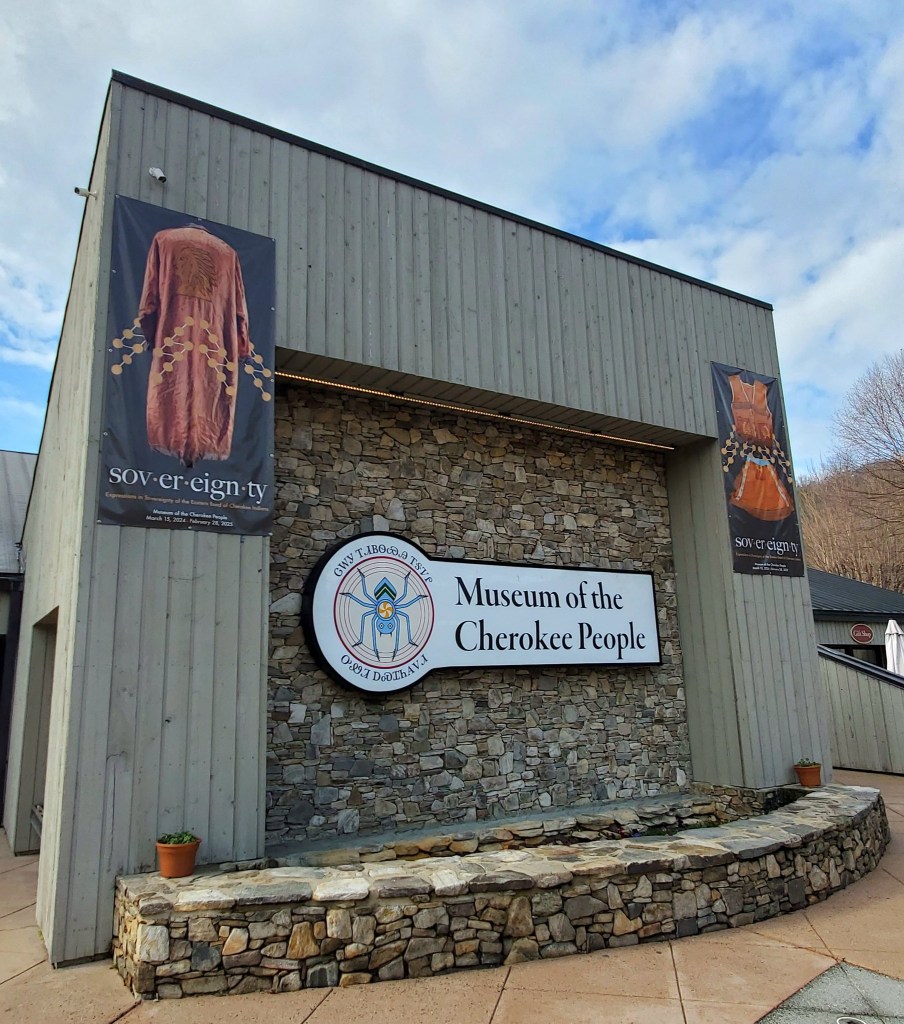
The museum’s logo is the water spider, highly revered for being the first to bring fire to the animal kingdom after they prayed to the Creator to bring them warmth. You will see it all over the museum, in infographics, and on its souvenirs.

Dr. Christopher B. Teuton is a member of the Cherokee Nation as well as the Professor and Chair of the Department of American Indian Studies at Seattle’s University of Washington. I attended his lecture at the McClung Museum of Natural History & Culture where he talked of his time traveling and working with Cherokee Elders to compile their legends and put them on paper.
The results of this project are the basis of his books Cherokee Earth Dwellers: Stories and Teachings of the Natural World and another titled Cherokee Stories of the Turtle Island Liars’ Club.
I purchased both books in the Museum of the Cherokee People gift shop, which has Cherokee language newspapers and books, souvenirs, home decor, locally made food and body products, clothing, and accessories.

My most recent visit to the museum was for the Expressions in Sovereignty of the Eastern Band of Cherokee Indians exhibit. This exhibit features found and mindfully made objects from members of the Eastern Band of Cherokee Indians that symbolize sovereignty and the uniqueness of genuine Indigenous art.
Various installations tell about how the Cherokee people called upon their own resilience, innovation, and creativity to keep rolling with the punches, building up their economy, and facilitating a tourism industry on their own.
It also addresses the ugly stereotypes they had to lean into in order to first draw that tourism, and examines why it is time for that to be let go of in lieu of the real, raw, fascinating aspects of Indigenous culture.

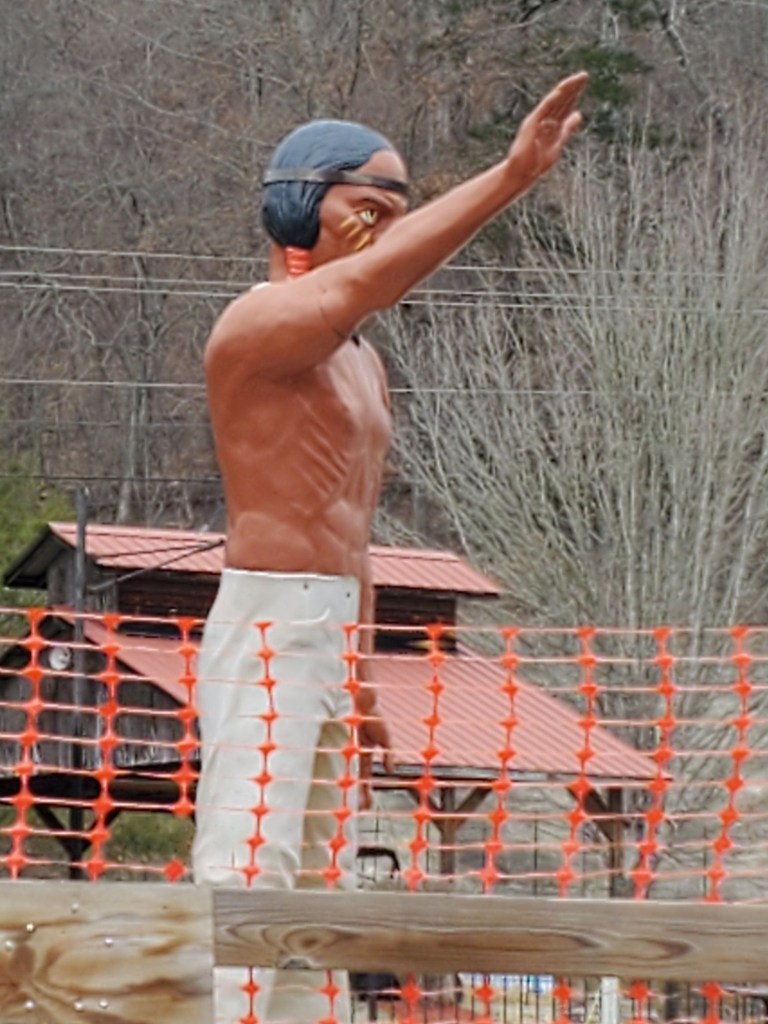
Outside the museum is one of Peter Wolf Toth’s jaw-dropping monuments from his Whispering Giants series.
I first saw one of his other monuments years ago at the 5ive Points Museum in Cleveland, TN and I definitely squealed a little when I saw this one in Cherokee for the first time in 2019.

Walk the tiny art trail in front of the museum and admire this painted path.


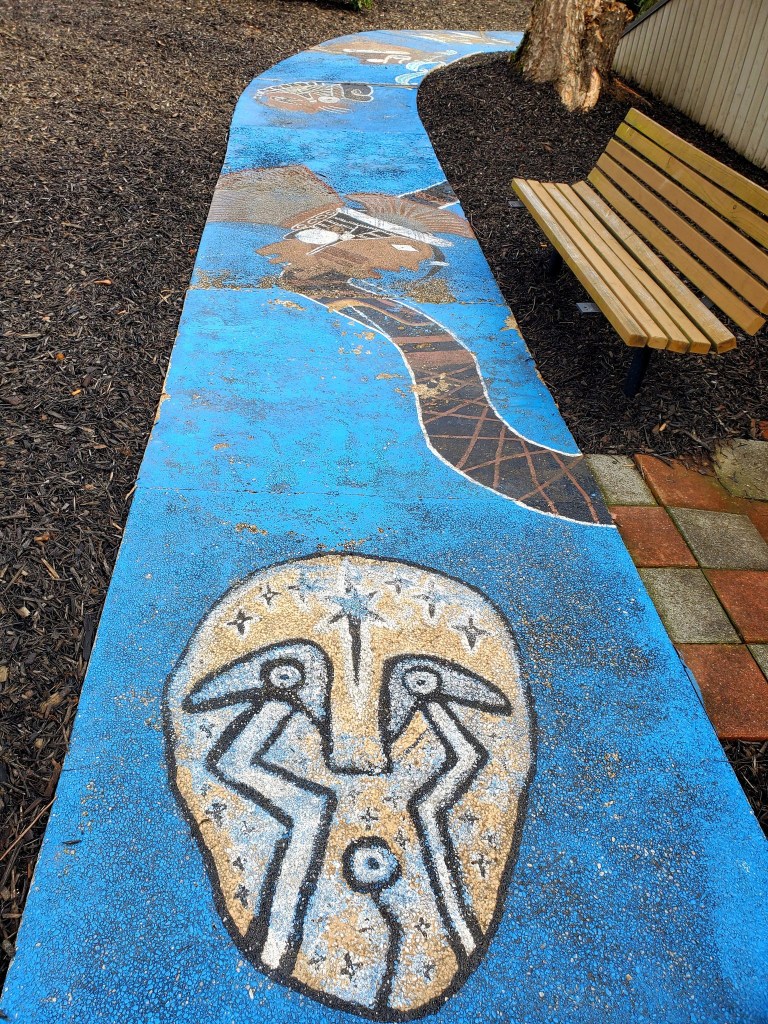
I am kicking myself that I forgot to note the artist’s name, but I will update this next time I go.


QUALLA ARTS
Across the street from the Museum of the Cherokee People is the Qualla Arts & Crafts Mutual, which is every bit a museum in its own right.
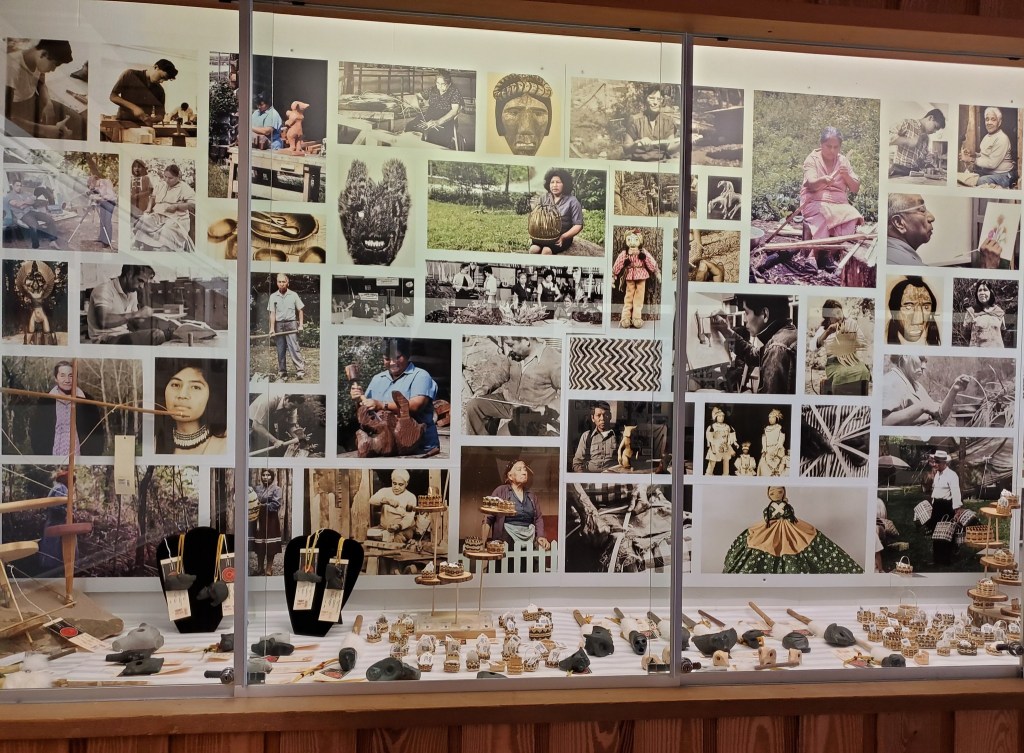
Qualla Arts opened in 1946 and is our country’s oldest Native American coop. They have been showcasing Cherokee art, crafts, baskets, carved wooden statues, and accessories year round for nearly 80 years. You can even shop from home.
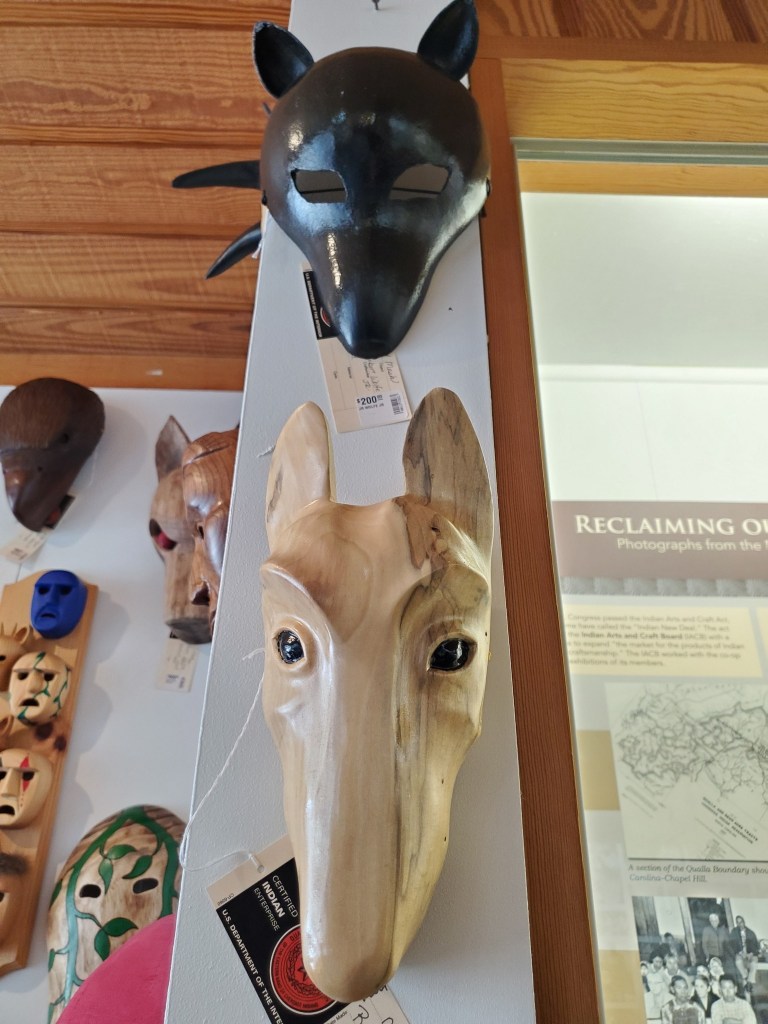

The main room is full of sparkling jewelry and vibrant pottery, but walk around to the left and view the informative historic displays.
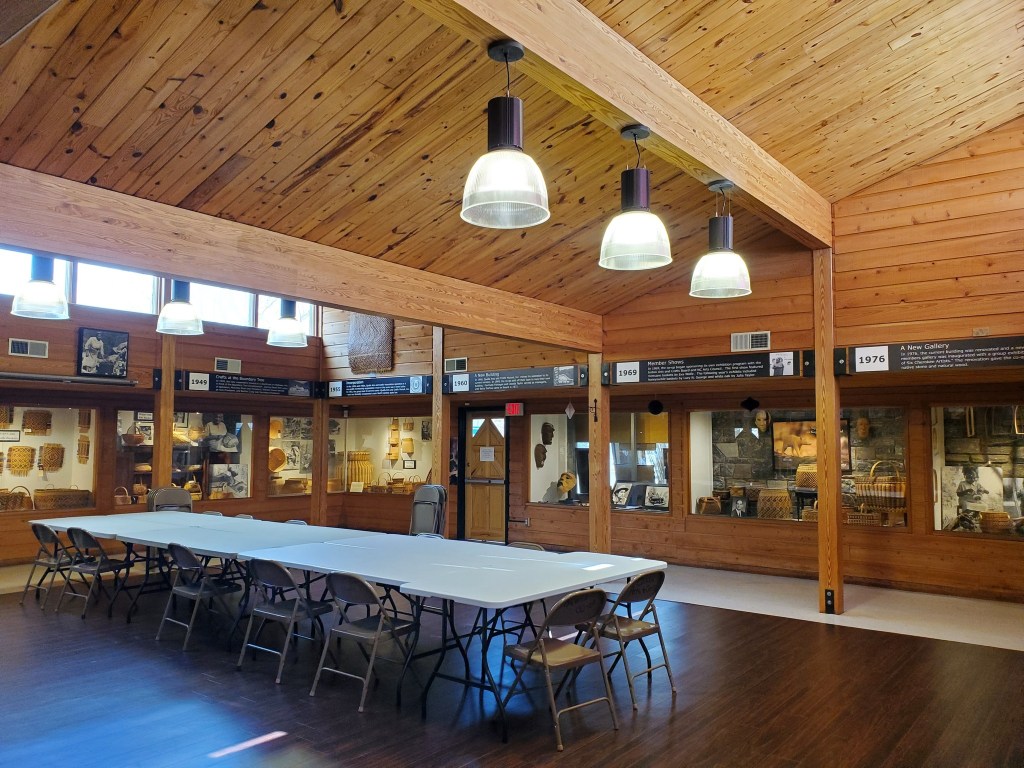
Continue around the back for more.
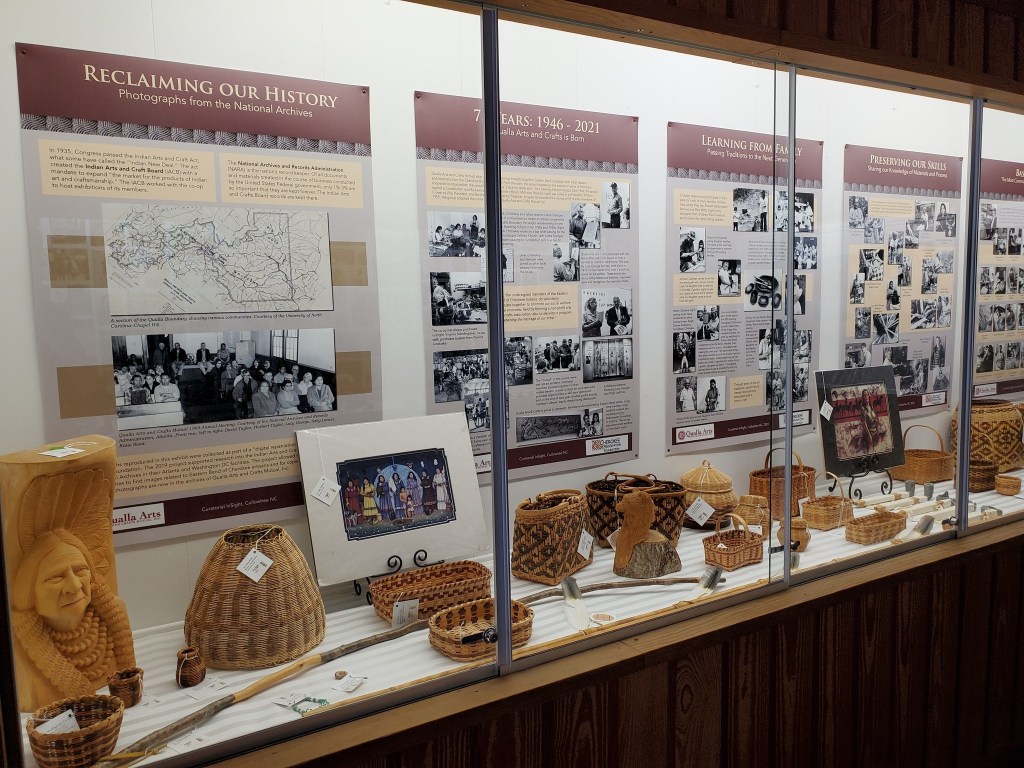
OCONOLUFTEE INDIAN VILLAGE
The exhibits in the visitor center and the outdoor living history museum provide a glimpse into what life was like for early Appalachian pioneers.


You can walk through replicas of mills, barns, cabins, and other outbuildings.

This is a great place to stop for a picnic, enjoy a lovely walk along the river, and peruse the NPS gift shop.


The Oconoluftee and Mountain Farm Museum is also the best place to catch elk wandering around or crossing the water.


Staff can also direct you to the nearby Mingus Mill and Mingo Falls, and give you all the information and tourism literature you could ever dream of before you tear off into the Great Smoky Mountains National Park or explore the Blue Ridge Parkway.


HARRAH’S
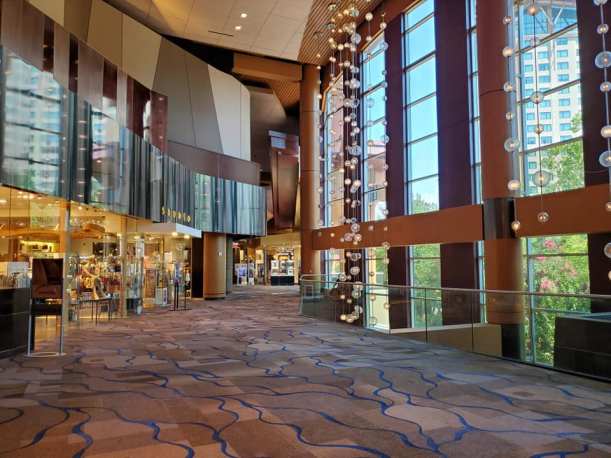
Harrah’s Cherokee Casino Resort is party central in this town, boasting a 21-floor hotel, spa, arcade, and restaurants.

Gambling has never interested me and I can not tolerate loud gaming noises or flashing lights well, but Harrah’s is a wildly popular attraction in Cherokee for those without sensory issues.
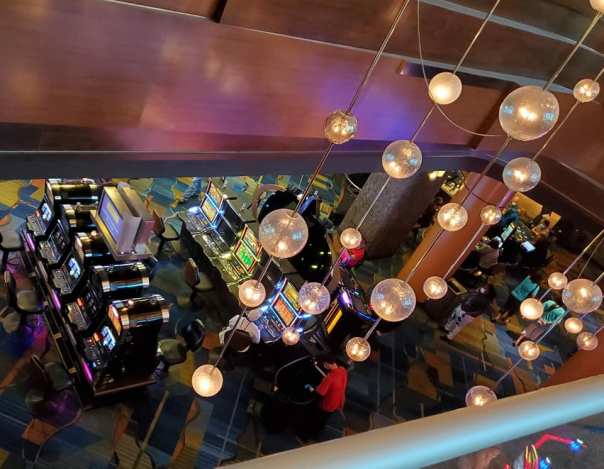
For anyone like me, just peruse the shops and menu offerings while your friends are cashing in.
CHEROKEE ANCESTRY
If you have been following this blog for any amount of time, you have likely noticed that I often write about places tied to the Cherokee and their history like Chota, Ocoee, Cleveland, Unicoi, Etowah, Cherohala, and others.
I grew up thinking I was primarily German and Irish, only to find out later in life that we are actually more Scottish than Irish. Very Scottish, and on both sides of my family. I have gone to Germany and Ireland so many times now to explore the land of my ancestors. Now, I’m planning a trip to Scotland.
Around the same time I also found solid evidence and documents that my mother’s ancestors, on both sides, are Cherokee. My favourite tidbit is an obituary written about my great+ grandmother by white folk who were clearly mesmerized by this “Indian woman” and how her people buried her in a mound in one of the nearby hollers.
We were able to verify that my great x4 grandmother and great x6 grandfather were full blooded Cherokee, and obviously they were descendants of full blooded Cherokee.
She apparently assimilated and never registered on any census that the US Government designed and later used to define if one was Cherokee or not. He was born in Chota, one of the most prominent Overhill Cherokee “mother” sites, but was moved westward during the Indian Removal Act, eventually passing away in Oklahoma. Because of this, neither of them have any legally qualifying ties to the Eastern Band of Cherokee.
To enroll in the Eastern Band of Cherokee, one must obtain proof that their direct parentage registered on some arbitrary government census called the Baker Roll in 1924. Anyone who didn’t, who did not even know about it, or did not have the opportunity to enroll, was erased from memory as far as the government was concerned.
Just to clarify, this is not something that Cherokee people created, they just have to comply with the terms. Over a century later and our government still imposes its opinion as to who is and is not Cherokee.
A person could have generations of Cherokee relatives that are enrolled members of the Eastern Band of Cherokee, or even out in Oklahoma with the Cherokee Nation or United Keetoowah, but since their direct ancestors are not on that one specific census, they don’t count. I don’t count. An extremely large and significant part of who I am just doesn’t count. That is WILD!
I am currently communicating with Cherokee Nation and United Keetoowah to see if they can find any legal documents of my ancestors after they moved to Oklahoma, but I think the moral here is to not rely on the government to validate who you are.
Luckily I live right in the middle of historic Cherokee lands, so I do not have to travel too far to connect with that part of my heritage. I can be in the Great Smoky Mountains National Park in thirty minutes, or in Cherokee, NC in less than two hours.

DNA TESTING & BLOOD QUANTUM
When it comes to determining Cherokee ancestry, one can not utilize DNA testing the same way as they could with other ethnic or ancestral backgrounds. Many tribes have understandably opted out of contributing to the human genome because every genetic mutt within 300 miles of the Qualla Boundary claims to be the great granddaughter of a rich Cherokee princess, and you can take a guess on how many were actually raised in Cherokee culture or tradition.
Go ahead and dive down that rabbit hole here and here and here and here and here.
However, a full blooded Cherokee person raised on the Cherokee reservation may not show any Indigenous ancestry in DNA tests like Ancestry.com because Indigenous genetic information is not abundantly present in the genome.
A person with Indigenous and European genes will show matches to samples that are available, and like me, think they are just German and Irish. DNA testing is amazing, but it only shows part of the whole picture for Indigenous folks.
Blood Quantum is a term that relies on “guestimation” and has absolutely nothing to do with actual DNA or any lab tests. Blood Quantum says that if your mother was full blood Cherokee and your father was not at all, you are only half Cherokee. If you do not breed with a full blood Cherokee, your children will be only one quarter Cherokee.
You can go all the way back like that until you reach 1/800th Cherokee if you want, measuring the very essence of your being like a cup of salt.
Oh, and Blood Quantum was created to justify stripping Indigenous people of their cultural identity and birthrights, never to help them keep it.
There is much more to it, but my intention is to tell you more about the City of Cherokee in this blog. For more info on Blood Quantum and other government tricks, The Great Vanishing Act and Beyond Blood Quantum are both incredible books by Norbert S. Hill et. al. that will really blow you away.

SYMBOLS & SIGNS
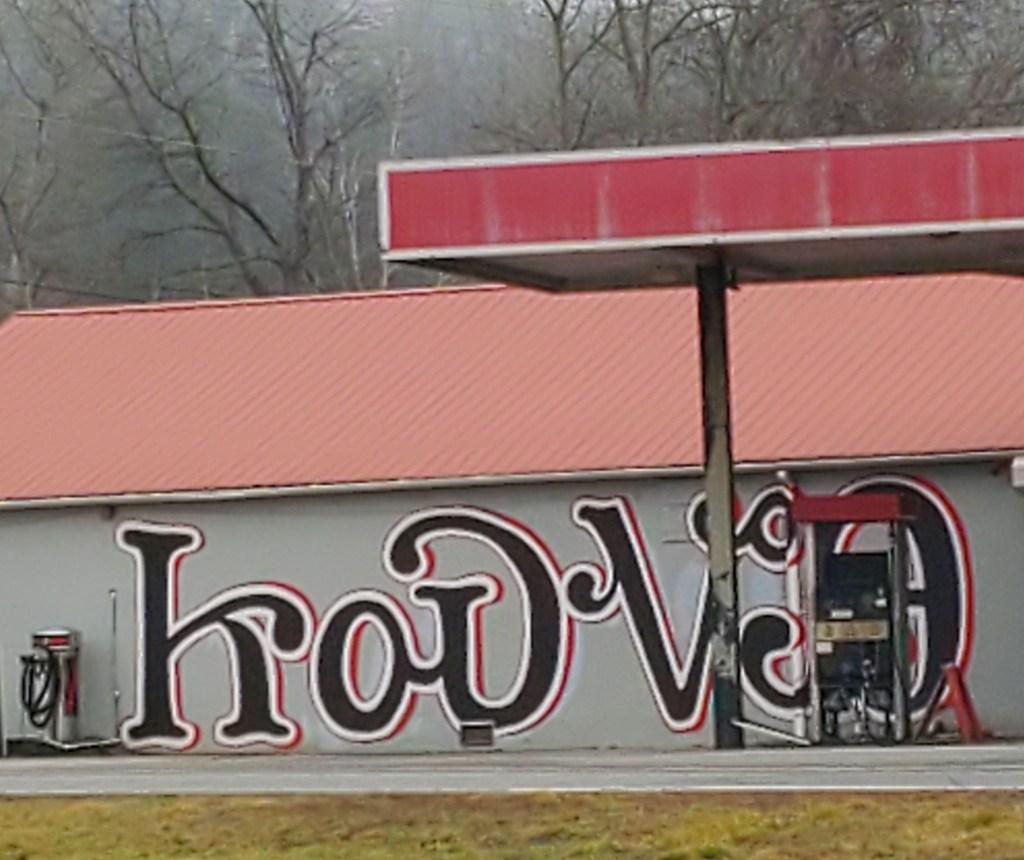
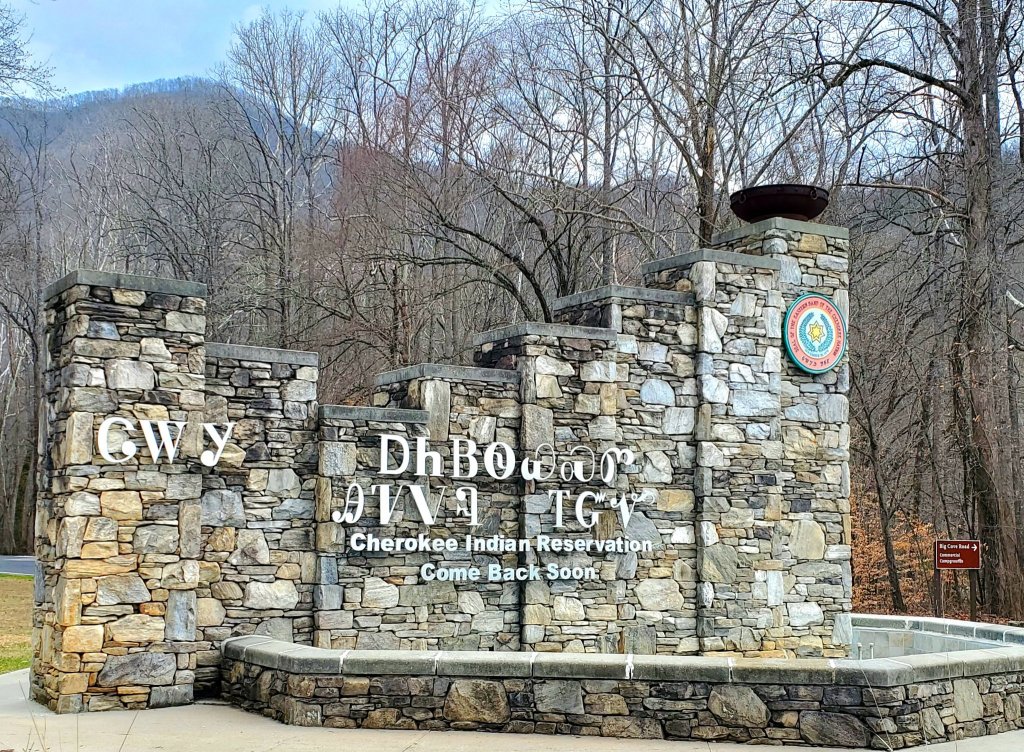
The Cherokee have their own language and syllabary, which is a set of written characters that represent unchangeable syllables or sounds, versus an alphabet where you can pick any letters you want to form that sound. I do not speak Japanese but have been told that it is another example of a language that uses a syllabary versus an alphabet.
Sequoyah is the most famous Cherokee of all time, and with good cause. He developed a standardized Cherokee language and writing system that opened up new worlds for the Cherokee, allowing them to send written messages, keep records, sign legal documents, and eventually learn to read the English language and stand up for their rights, among so many more opportunities.
National Geographic has an excellent story about Sequoyah here, and I have written more on that in my blog about Cherokee history and sites near Vonore, TN.
One of the most exciting things about visiting Cherokee, for me, is seeing public signs and other functions of a town that are in their language.
I have traveled a lot and I have seen my share of foreign signs, some more alienating than others, but something about being in a place where I am not the target audience and have to rely on less frequently utilized parts of my intelligence is enticing.
HISTORIC DISTRICT
Cherokee is run down, but in a kitschy and nostalgic way. Many of the short, squatty buildings look like they could fall apart soon and there are a lot of dangling, faded signs.
It has been that way for a while now but the city has been working to clean it up, and I have not picked up any “sketchy neighbourhood” vibes at all.

If you are a fan of neon and vintage signs, this is the place for you.

Most of the dilapidated family-owned hotels from way back are closed or have been repurposed, but their towering neon signs still stand.

This video I found on Youtube explores quite a few neon signs in the area.
PAINTED BEARS
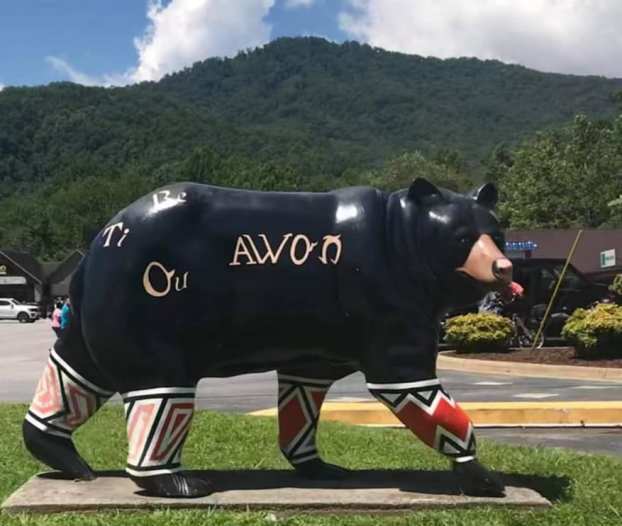
I have come to develop a love for cities with bear mascots like Berlin, Moscow, Gatlinburg, Townsend, Blue Ridge, Knoxville, Hendersonville, and Cherokee.
Here are a few of the painted bear statues you will find around downtown Cherokee. This page also has a directory of each one with background info.


WHERE TO EAT & DRINK
Paul’s Restaurant does not have a website but you can find them in real life at 1111 Tsali Boulevard.
They serve “Indian Tacos” which have been described as an Indigenous Delicacy of traditional fry bread topped with chili and cheese. I have not eaten anything else there and I don’t want to, I just want fry bread. FRY BREAD.

I first had fry bread when my bestie and I were in Phoenix and we almost fell over after taking a bite. Light and fluffy with a crisp seared exterior, fry bread is something I crave often. It is a good thing I have to drive a couple hours in any direction to get some or my physical health would be in serious jeopardy.
You can get fry bread with other toppings or as a dessert with fruit and honey instead of chili, but if you have a “When in Rome” mentality like we do, go to Paul’s.
Get the Indian Taco. Don’t worry about anything else.

GROUNDED is a well-dressed but not overpriced coffeehouse and café. From the outside it looks drab, but the inside is lovely and they have a torturously tempting menu of sandwiches, wraps, soups, and a full coffee bar.
I could not resist the house specialty, The Grounded, made with blueberry, toffee, and caramel. Please do yourself a favour and look at their photos!

QUALLA JAVA is another option for coffee but I have not actually been able to get inside the doors on a busy weekend day. Good for them!

OUTDOOR LIFE
Cherokee is big on outdoor sports like tubing, camping, hiking, or exploring the Smokies and Nantahala National Forest.

In warm weather, expect to see tubers everywhere you look.

Various campsites are more than happy to accommodate anything from rustic to kitschy facilities.

Nantahala National Forest is North Carolina’s largest and its 530K+ acres connect the cities of Robbinsville, Murphy, and Franklin.

Driving through on an early Spring or early fall morning is just magical.

OCONOLUFTEE ISLANDS PARK
This downtown park and its paved Oconoluftee River Trail connect the center of Cherokee to the Oconoluftee Visitors Center.
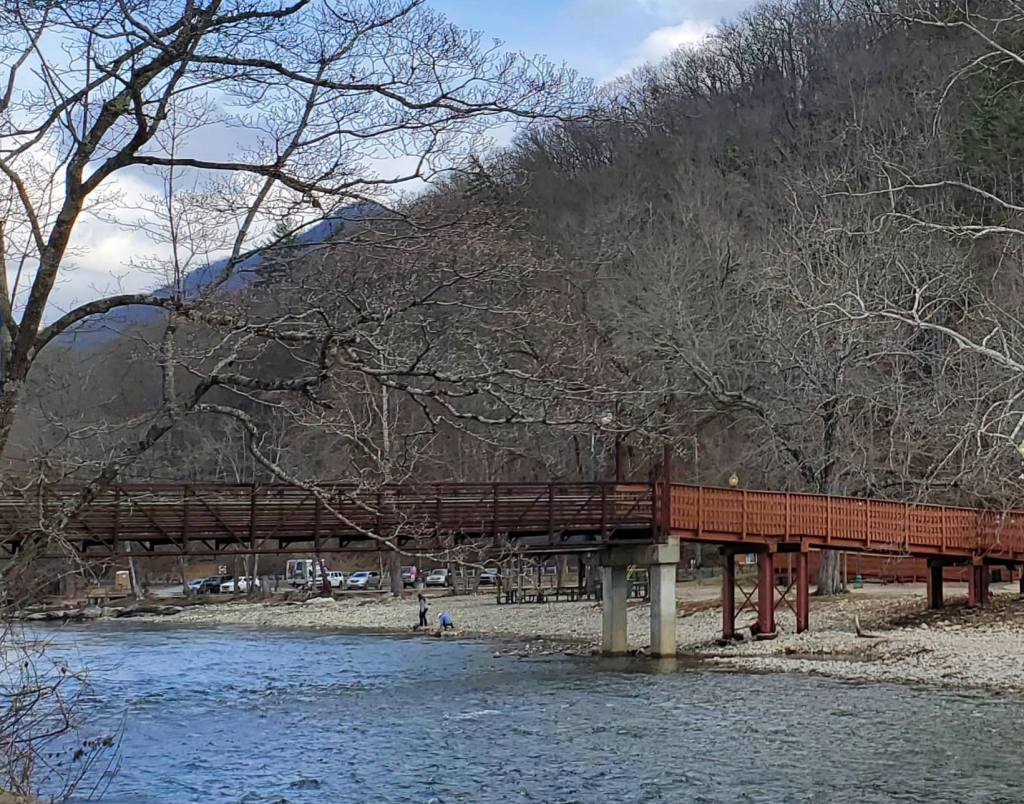
The River Trail lends a beautiful view of the town at a much slower pace than bustling around on the streets.
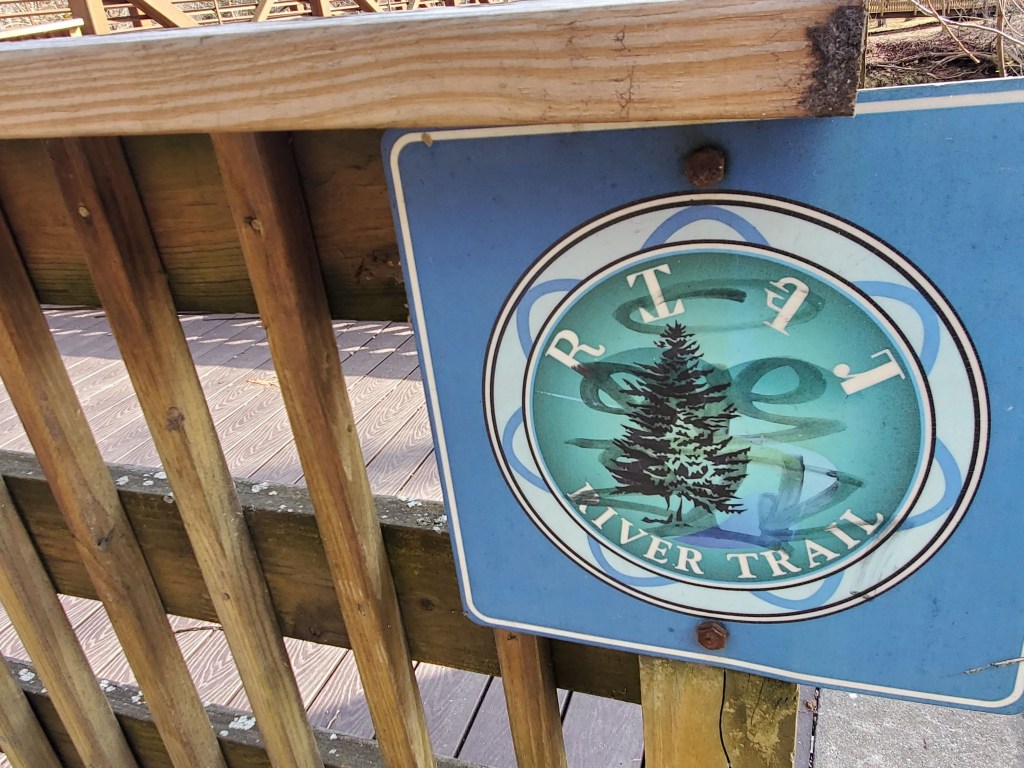
Just follow the wooden boardwalk and signs to hop onto the path.

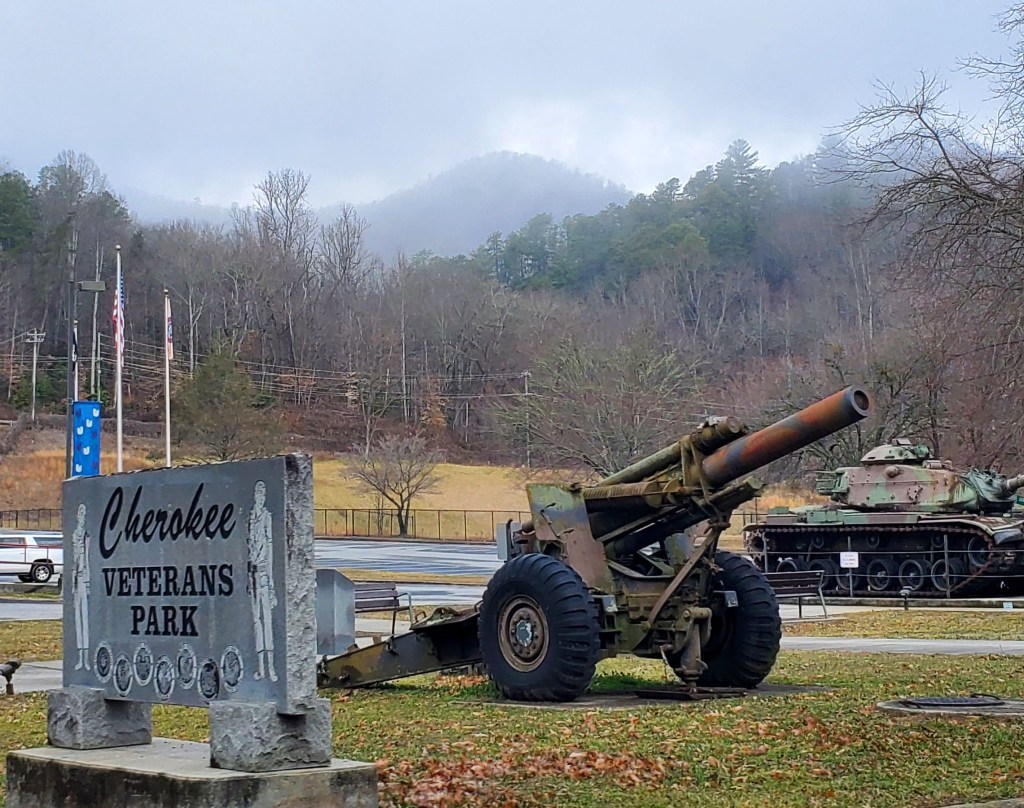
CHEROKEE VETERANS PARK is a fun stop just down the street, for history fans and those who just want to take a walk in peace.

THE CHEROKEE WELCOME CENTER has live demonstrations and historical presentations, tons of brochures and coupons for local attractions, and super knowledgeable staff that can tell you all about what is going on any particular day.

SHOPPING
Last but not least, okay maybe least for me, is shopping. However, it is actually fun in Cherokee.

The ranger at the Welcome Center told me that local law requires anyone who sells products or services downtown must be an enrolled member of the Eastern Band of Cherokee, which means all the merchandise, arts, and crafts are authentic and locally made.

Saunooke Village is one of Cherokee’s main centers for shopping, souvenirs, and tourist attractions, complete with bull riding, golf, laser tag, river rafting, and restaurants.
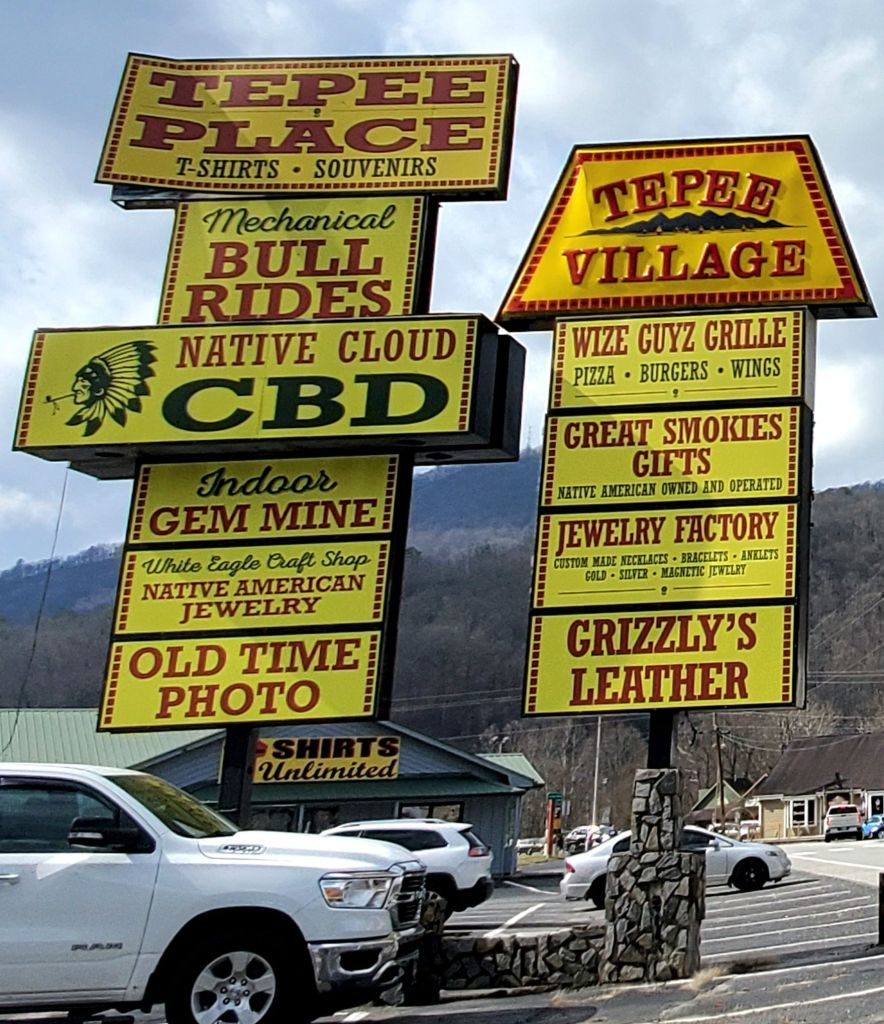
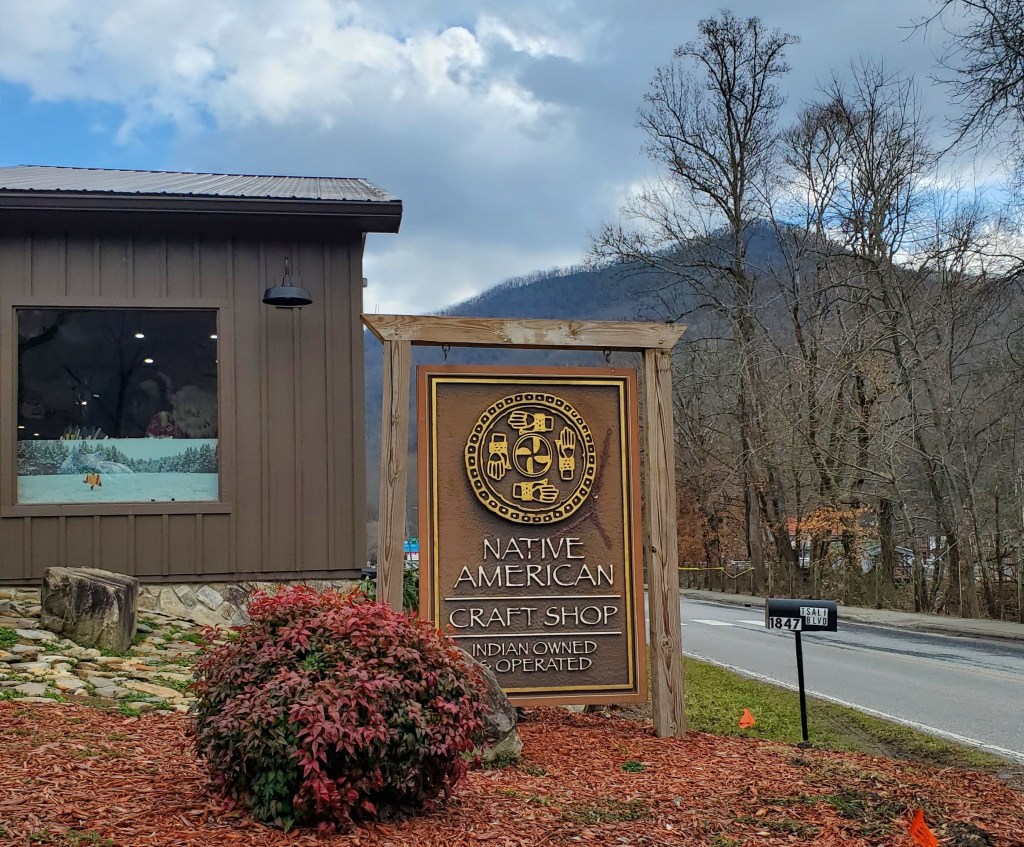
You can buy fudge, leather works, beaded accessories, woven crafts, decorative items, clothing, moccasins, jewelry, and who knows what else in these quaint little shops.


I want to give a special shout out to Talking Leaves, a locally owned bookstore that carries Cherokee language items and resources. Recently, I started learning the Cherokee syllabary and some basic phrases, so I will be back.

Cherokee, NC has some weird and controversial attractions like the tiniest Elvis Museum (no thanks), Santa’s Land (cringe), the Cherokee Bear Zoo, and Chief Saunooke Bear Park, but you’re on your own with those.

Before you go, add this song by A Tribe Called Red to your Cherokee road trip playlist. This is a fascinating musical cooperative of Native/Indigenous artists and activists that you can read more about here.
In the area for a while? Follow me to Bryson City or the Great Smoky Mountains National Park!
*************
© Fernwehtun, 2015- Current. Unauthorized use and/or duplication of this material without express and written permission from this site’s author and/or owner is strictly prohibited. Excerpts and links may be used, provided that full and clear credit is given to Fernwehtun and Fernwehtun.com with appropriate and specific direction to the original content.

 Fernweh, An Ache for Distant Places
Leave a comment